
Last Updated on August 21, 2026 by Caleb Warren
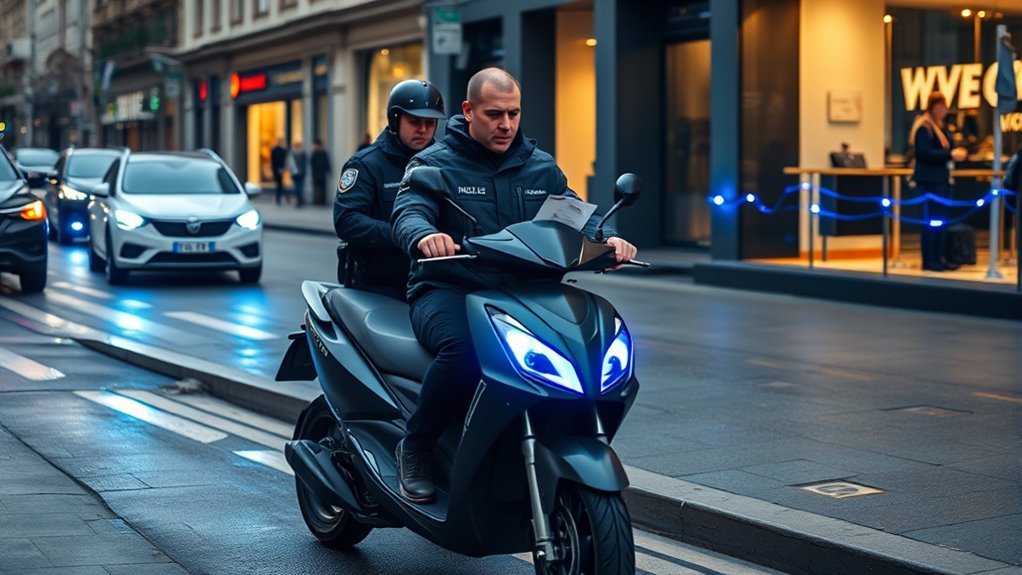
If you get caught riding an illegal electric scooter, you can be cited, fined, and in some cases have the scooter impounded. Penalties vary by location and violation, and repeat offenses often bring higher fines and greater scrutiny. You may also face recovery fees to get the scooter back. In some places, riding is limited to private property or tightly restricted public areas, so knowing the rules can help you avoid serious consequences and additional penalties.
Quick Answer
Riding an illegal electric scooter can get you a citation, a fine (roughly $30 to $250 depending on the violation and city), and impoundment with recovery fees. Rules differ by state: California allows compliant scooters on streets and bike lanes, while Pennsylvania — including Philadelphia — currently bans stand-up e-scooters from all public roads and sidewalks.
Key Takeaways
- Citations for illegal e-scooter riding typically run from about $30 to a few hundred dollars, and repeat offenses escalate quickly.
- Police can impound a scooter, and you’ll usually pay recovery fees on top of any fine before you get it back.
- California treats e-scooters as “motorized scooters” under the Vehicle Code: 15 mph cap, no sidewalks, helmets required under 18.
- In Pennsylvania, privately owned stand-up e-scooters are illegal on all public roads and sidewalks statewide, including Philadelphia — and that isn’t expected to change for Philadelphia even if a pending 2026 bill passes for other cities.
Disclosure: As an Amazon Associate I earn from qualifying purchases. Some links on this page are affiliate links, at no extra cost to you.
What Makes an Electric Scooter “Illegal” in the First Place?
An electric scooter usually becomes “illegal” for one of a few reasons: it’s being ridden somewhere the law doesn’t allow (a banned sidewalk or road), it’s unregistered or uninsured in a state that requires titling for motor-driven vehicles, it exceeds a legal speed or power limit, or it’s missing required safety equipment like lights and reflectors. The same scooter can be perfectly legal in one city and illegal a few miles away, because state and municipal rules vary so much. That’s why the two most common flashpoints — California and Pennsylvania — sit at opposite ends of the spectrum: California has a defined legal pathway for compliant scooters, while Pennsylvania currently has none for privately owned stand-up models.
What Happens If You Get Caught Riding an Illegal Electric Scooter?
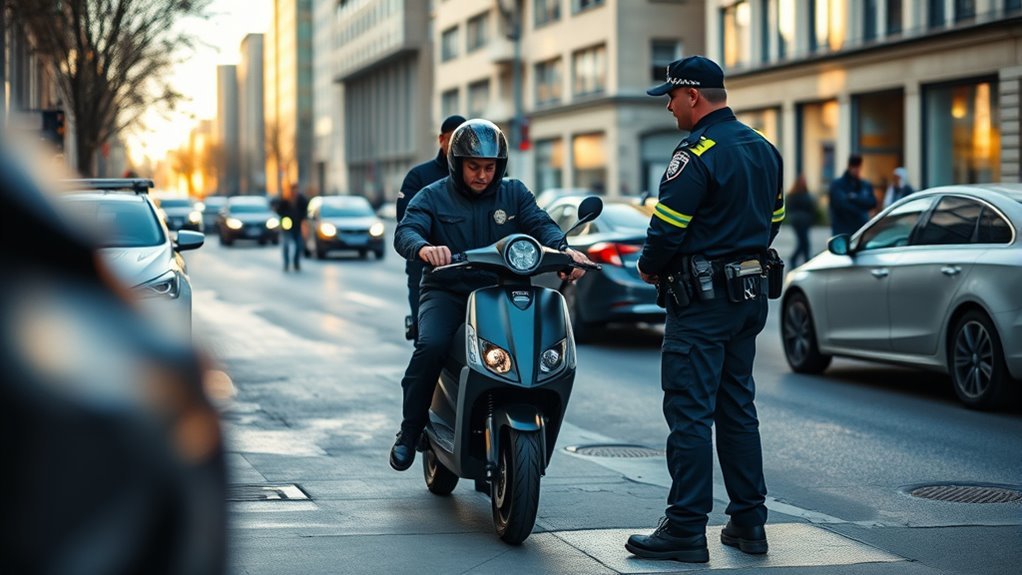
If you get caught riding an illegal electric scooter, you can face citations and fines for operating an unregistered or otherwise noncompliant vehicle, with the penalty depending on the specific violation and the city. Officers may issue traffic citations on the spot, and repeated offenses can lead to harsher enforcement or referral for further legal action. If you ride on public roads or sidewalks in Pennsylvania, you may also run into insurance problems after a crash, since a scooter that isn’t legally titled typically isn’t covered the way a car or motorcycle would be. If an accident occurs, you could face liability claims, and authorities may scrutinize your compliance more closely afterward. Learning the local rules before you ride — and only riding a lawful scooter in lawful places — is the simplest way to avoid all of this.
Warning: Riding an e-scooter while impaired by alcohol or drugs carries the same legal exposure as a DUI in a car in most states, including California, and can mean license suspension, arrest, and steep fines on top of any scooter-specific citation.
Fines, Citations, and Scooter Impoundment
If you’re caught riding an illegal electric scooter, you can face fines that vary by the violation and local law. Police may issue citations, and authorities can impound your scooter, leaving you responsible for recovery fees as well as any penalties. If you repeat the offense, the consequences can escalate quickly, and you could face harsher traffic enforcement or, in some cases, criminal charges.
Citation Amounts Vary
Citation amounts vary depending on the violation, and local authorities may issue fines ranging from roughly $30 to a few hundred dollars for riding an illegal electric scooter — for comparison, California’s motorized-scooter code (CVC §21235) allows fines up to $250 per citation for equipment and licensing violations. A minor equipment issue generally draws a lighter penalty than unregistered operation or reckless conduct, and enforcement isn’t uniform — local officers often act within their own discretion. If you’re cited, respond promptly and follow the notice exactly; ignoring it can increase your legal exposure and weaken your ability to challenge the charge.
Impoundment and Recovery Fees
When an illegal electric scooter is stopped, authorities may not only issue a citation but also impound the scooter, which adds recovery fees to the total cost of the violation. You may have to pay impoundment costs before you can reclaim your ride, and those charges can quickly exceed the original fine. In Philadelphia specifically, an unregistered e-scooter can also trigger penalties tied to state inspection and titling requirements, since Pennsylvania treats it as an unregistered motor-driven cycle. To regain control, you’ll need to complete the local recovery process, present proof of ownership, and satisfy any outstanding fees.
Repeat Offense Escalation
Repeated violations can quickly make an illegal electric scooter stop much more costly. If you keep riding, authorities may escalate repeat-offender consequences with steeper fines, additional citations, and impoundment.
| Offense | Likely Action | Cost |
|---|---|---|
| First | Fine | Lower |
| Second | Citation | Higher |
| Ongoing | Impoundment | Recovery fees |
A citation can raise future penalties, and a seized scooter adds storage charges. In some jurisdictions, officers may watch repeat riders more closely, stopping them more often, and ongoing violations can bring community service or court action. Complying with local rules is the most reliable way to keep a simple stop from turning into a lasting legal and financial headache.
When Can Police Confiscate Your Scooter?
Police can confiscate your scooter if you ride it where local law prohibits e-scooters, such as on public roads or sidewalks in places like Philadelphia, where scooters can’t be registered or insured. If you ignore registration rules or ride in a banned area, officers may seize the vehicle on the spot. They can also impound it during traffic stops when you lack a valid driver’s license, ride under the influence, or violate helmet, speed, or passenger limits. If you park it illegally or block a pedestrian path, police may tow it and charge recovery fees. These actions carry immediate legal consequences — citations, fines, and, for repeat violations, stronger enforcement. Knowing the local code before you ride, and keeping your scooter compliant, is the best way to keep the machine, your time, and your money.
What Are California’s Electric Scooter Laws?
California treats electric scooters as “motorized scooters” under the California Vehicle Code, so you must follow specific state rules when you ride. If you’re under 18, you have to wear a helmet, and you can’t exceed 15 miles per hour. You also can’t ride on sidewalks, must use only permitted paths or bikeways, and must obey the one-passenger rule and other safety requirements.
Age, Helmet, and Speed
If you ride an electric scooter in California, you must respect several rules to stay legal. You need to be at least 16 to operate one, and you must carry a valid driver’s license or learner’s permit under CVC §21235(d). If you’re under 18, you must wear a properly fitted, fastened bicycle helmet under CVC §21235(c). You also can’t exceed the lawful speed limit of 15 miles per hour under CVC §22411. You must ride alone, since California limits each scooter to one passenger — ignore these mandates and you risk citations, fines, and avoidable legal trouble.
Where Scooters Can Ride
Even when you follow the age, helmet, and speed rules, you still must ride in the right places to stay lawful in California. Sidewalks aren’t open lanes; scooter regulations limit you to designated bicycle paths, trails, or bikeways. These riding zones protect mobility while reducing conflict with pedestrians. You must also obey traffic signals and signs, and dismount before crossing streets at crosswalks. A wrong turn onto the wrong surface can turn a simple ride into a citation.
Equipment and Safety Rules
Your scooter must meet specific equipment and safety standards to stay lawful in California. At night, you’re required to run a white headlamp on the front visible from 300 feet, plus a red rear reflector visible from 500 feet, under CVC §21223. Riders under 18 must wear helmets — treat safety gear as essential, not optional. Keep your speed at 15 mph or less, and never carry a passenger.
| Requirement | Rule |
|---|---|
| Front light | White headlamp, visible 300 feet |
| Rear visibility | Red reflector, visible 500 feet |
| Helmet use | Mandatory under 18 |
| Passenger limit | One rider only |
Good scooter maintenance helps you stay compliant and safe. You can’t ride on sidewalks or crosswalks; you must dismount to cross. Respect these limits to preserve your riding privileges and avoid penalties.
Pro Tip: California’s 16-and-license rule and 15 mph cap apply to personally owned scooters, but rental operators like Lime and Bird often set their own stricter minimum age (typically 18) through their app terms — check the rental agreement, not just state law, before you ride a shared scooter.
How Do Philadelphia E-Scooter Laws Differ?
In Philadelphia, e-scooters are treated far differently from bicycles and even from mopeds or motor scooters: privately owned stand-up e-scooters are illegal to operate on all public roads and sidewalks because they can’t meet Pennsylvania’s inspection and equipment requirements, and they can’t be registered or insured in the state. The law reserves bike lanes for bicycles and compliant e-bikes, and it bars motorized vehicles from sidewalks, especially in business districts, to protect pedestrian safety. If you own a personal e-scooter, you’re limited to riding on private property with the owner’s permission. If you ignore that rule, officers can issue citations, levy fines, and impound the scooter, and you may face recovery fees before you can reclaim it.
Is Pennsylvania Close to Legalizing E-Scooters?
As of mid-2026, Pennsylvania lawmakers are actively considering legislation that would legalize e-scooters statewide, allowing riders on public roads, bike lanes, and trails with rules similar to bicycles — a minimum age of 16, a 15 mph speed cap, sidewalk restrictions, and required lights at night. Philadelphia has been carved out of that bill at the request of the mayor’s administration, so even if the legislation passes, the private stand-up scooter ban is expected to remain in effect in Philadelphia specifically, while other Pennsylvania municipalities could gain a legal path. Until any bill is signed into law, the statewide prohibition still applies everywhere in Pennsylvania, including Philadelphia.
Note: Not every state treats e-scooters like Pennsylvania does. New York City, for example, legalized e-scooters in 2020: riders can use streets posted at 30 mph or lower and bike lanes, must stay off sidewalks, and face a citywide 15 mph operating cap — a useful contrast if you’re comparing what “legal” actually looks like elsewhere.
How to Ride Legally and Avoid Fines
To ride legally and avoid fines, first confirm that electric scooter use is permitted where you plan to ride, because public roads and sidewalks are off-limits in many places, including all of Pennsylvania. Ride only on private property with the owner’s permission where required, and obey local rules on age, helmets for riders under 18, and required safety gear. Check that your scooter has lights, reflectors, and a lawful top speed, since California caps e-scooters at 15 mph. Use designated bike lanes when available, and if none exist, keep to the right edge of the roadway. Respect pedestrians, signal clearly, and avoid risky maneuvers. Park only in authorized areas, never on sidewalks or paths, or you may face citations or impoundment.
Frequently Asked Questions
What scooter can I use without a license?
You can generally use a non-motorized scooter or an e-bike without a license. For a compliant electric scooter, most states — including California — still require riders to be at least 16 and to carry a valid driver’s license or learner’s permit, so check local law before riding.
Can I ride an electric scooter in PA?
No, you can’t legally ride a personal electric scooter on Pennsylvania public roads or sidewalks anywhere in the state, including Philadelphia. You may only use one on private property with permission, and that’s expected to remain true in Philadelphia even if pending legislation legalizes scooters elsewhere in PA.
What’s the fastest a scooter can go legally?
In California, legal electric scooters are capped at 15 mph under the Vehicle Code. Speed limits vary elsewhere, but 15 mph is a common cap in states and cities that permit e-scooters, including New York City.
Can a 14-year-old ride a scooter?
It depends on the state and the scooter. In California, motorized scooters require riders to be at least 16 with a license or permit, so a 14-year-old couldn’t legally operate one on public roads there, though local rules for non-motorized or low-speed scooters can differ. Always check state and local age restrictions first.
Conclusion
If you ride an illegal electric scooter, you could face fines, citations, or even impoundment, depending on where you are. In California, follow the state’s 15 mph cap, helmet, and licensing rules; in Pennsylvania — including Philadelphia — stand-up e-scooters remain off-limits on public roads and sidewalks entirely, at least until pending legislation changes that outside of Philadelphia. If police stop you, they can confiscate a scooter that violates the law. To avoid penalties, check your local regulations, wear required safety gear, and only ride a scooter that’s actually street-legal where you live.
Note: This article is for general informational purposes and isn’t legal advice. E-scooter laws change frequently and vary by city; confirm current rules with your local police department or department of transportation, or consult a licensed attorney for guidance on a specific citation or accident.
Sources
- California Legislative Information — CVC §21201 — official state code on scooter/bicycle equipment requirements
- FindLaw — California Vehicle Code §21235 — age, helmet, license, and passenger rules for motorized scooters
- Justia — California Vehicle Code §§21220–21235 — motorized scooter lighting and equipment requirements
- Pennsylvania Capital-Star — reporting on the pending 2026 statewide e-scooter legalization bill and Philadelphia’s exclusion from it

