
Last Updated on September 11, 2026 by Daniel Globe
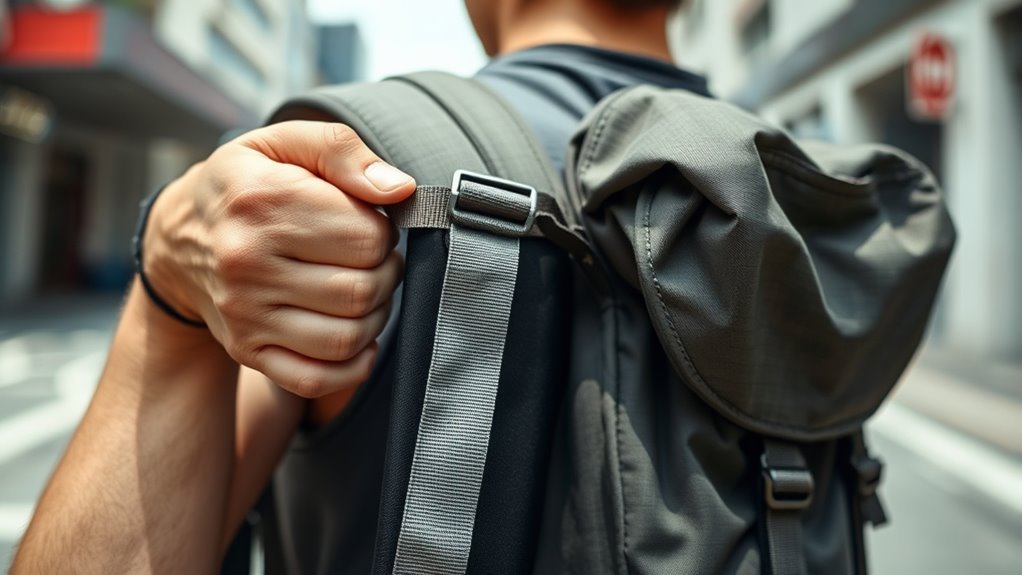
If a backpack strap keeps slipping off your shoulder, first identify what is moving. The padded shoulder strap may be sliding off your body, the webbing may be slipping through its buckle, or an unused strap tail may simply be dangling. Each problem needs a different fix, so adjust the pack before you tape, trim, or sew anything.
Quick Answer
Load the backpack with your normal gear, balance the contents, and tighten both shoulder straps evenly. Use the sternum strap if your pack has one. If the adjustment webbing still slides, rethread or replace the buckle. Use Velcro, elastic keepers, or tape only to control loose strap tails.
Key Takeaways
- A shoulder strap sliding off your body is usually a fit, load-balance, or harness-position problem.
- Webbing that slowly becomes longer points to incorrect threading or a worn ladder-lock buckle.
- Tape and Velcro organize dangling strap ends but do not restore a damaged buckle.
- Trim webbing only after you have tested the fit and confirmed that the strap is synthetic.
- Use professional or manufacturer repair for badly torn, load-bearing shoulder-strap attachments.
At a Glance
| Time Required | 5 to 45 minutes |
| Difficulty | Easy for fitting and strap control; moderate for buckle or sewn repairs |
| Tools Needed | Scissors, Velcro strap keeper or tape, and possibly a screwdriver, heavy needle, thread, or hot knife |
| Cost | About $0 to $15 for most basic fixes |
Disclosure: As an Amazon Associate I earn from qualifying purchases. Some links on this page are affiliate links, at no extra cost to you.
Why Backpack Straps Slip Off
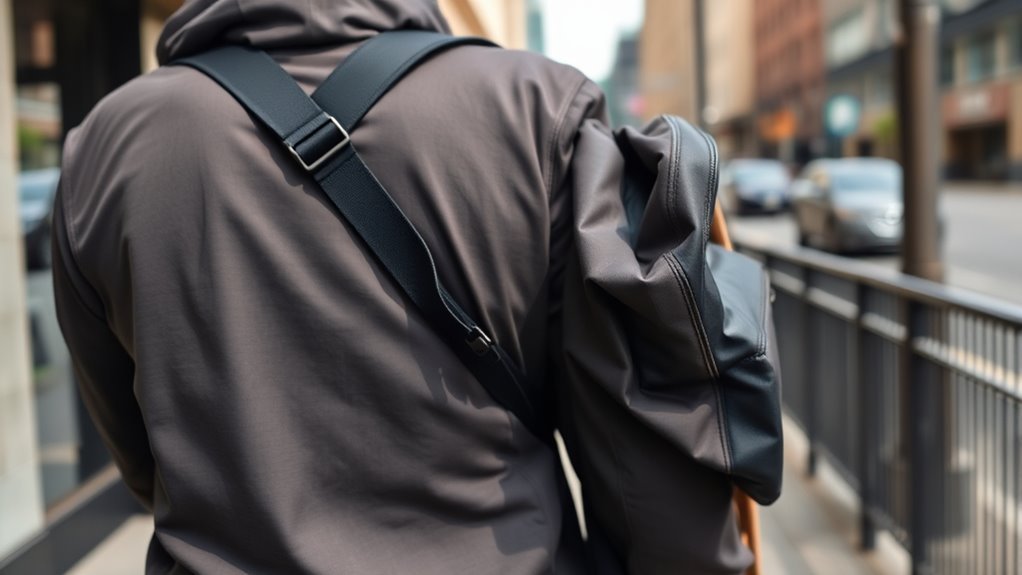
A backpack strap can slip for several reasons. Loose shoulder straps, uneven packing, an incorrectly positioned sternum strap, or a poor match between the harness and your body can make the padded strap slide toward the edge of your shoulder.
If the strap becomes longer while you walk, the problem is more likely in the adjustment hardware. The webbing may be threaded incorrectly, folded inside the buckle, polished smooth from wear, or passing through a damaged ladder-lock buckle.
Dangling strap ends are different. They may flap or catch on objects, but they do not necessarily mean the buckle is slipping. You can roll and secure these loose tails after you establish the correct fit.
| What You Notice | Likely Cause | Best First Fix |
|---|---|---|
| Padded strap falls off one shoulder | Uneven load, loose fit, harness mismatch, or unused sternum strap | Repack and adjust both sides evenly |
| Shoulder strap becomes longer while walking | Misthreaded webbing or worn ladder-lock buckle | Rethread, test, and replace the buckle if needed |
| Loose tail flaps below the buckle | Excess adjustment webbing | Roll it and secure it with Velcro or an elastic keeper |
| Strap pulls away from the backpack body | Torn fabric, failed stitching, or overloaded attachment | Stop carrying heavy loads and repair the attachment |
A slipping shoulder harness, a slipping buckle, and a dangling strap tail may look similar, but they require different fixes.
Adjust the Backpack for a Better Fit
Always correct the fit before changing the hardware. Use the gear you normally carry so the backpack has a realistic shape and weight. Do not fill it to maximum capacity just for the test.
Fill the Pack First
Place your usual items in the backpack. Keep dense or heavy gear close to your back, and balance the weight from left to right. An item such as a large water bottle on only one side can pull one shoulder strap outward.
The REI backpack-loading guide recommends creating a stable load and balancing the weight on both sides. Fill empty spaces so the contents do not shift each time you walk, bend, or climb.
- Use a normal load rather than the heaviest load the pack can hold.
- Place heavy items close to your back.
- Keep left and right sides reasonably balanced.
- Tighten exterior compression straps if the pack has them.
- Remove unnecessary items that make the pack pull backward.
Check Strap Fit
Put the loaded backpack on and loosen its main adjustment straps. Adjust the components in the following order, skipping any that your backpack does not have:
- Position the hipbelt. On a hiking pack, place the padded belt over the top of your hip bones and tighten it until secure but comfortable.
- Tighten both shoulder straps. Pull the strap tails down and back in small steps. Keep both sides even unless your body requires a slight difference.
- Set the load lifters. Tighten them only enough to bring the top of the pack closer to your body. Do not pull them until the shoulder harness lifts away from your shoulders.
- Fasten the sternum strap. Position it at a comfortable height across your upper chest and tighten it enough to keep the shoulder straps from spreading outward.
- Walk and retest. Move your arms, bend forward, and walk for several minutes before making final adjustments.
The REI backpack-fitting guide explains that a sternum strap can set the width of the shoulder straps and improve stability. It should not be so tight that it restricts breathing or pulls the shoulder harness into an unnatural shape.
Pro Tip: If one strap still falls outward after careful adjustment, try the pack while wearing a different jacket. Very smooth clothing can make an already poor harness fit more noticeable, but the main solution should still be better fit and load control.
If your backpack has an adjustable torso system, check its setting. Shoulder straps cannot correct a pack that is much too long, too short, too wide, or too narrow for your body. A sternum strap may help narrow or sloped shoulders, but it cannot fully correct an unsuitable harness shape.
Fix Webbing That Slips Through the Buckle
If the adjustment strap becomes longer by itself, inspect the ladder-lock buckle. This is the small buckle that grips the webbing below the padded shoulder strap.
Inspect the Buckle and Webbing
- Empty the backpack or support it on a table.
- Compare the problem buckle with the buckle on the other shoulder strap.
- Look for cracks, rounded gripping edges, bent parts, or missing bars.
- Check the webbing for thinning, melted areas, folds, cuts, or heavy polishing.
- Remove dirt and sticky residue with a damp cloth, then let the parts dry.
If the buckle is cracked or the gripping bar has become smooth, replace it. Do not expect tape or glue to restore the buckle’s original holding strength.
Rethread the Ladder-Lock Buckle
Use the undamaged shoulder strap as your guide. The webbing normally passes through one slot, over or around the center gripping bar, and back through the second slot. The final tail should exit in the same direction as the tail on the working side.
- Photograph the working buckle before removing any webbing.
- Pull the loose webbing completely out of the problem buckle.
- Flatten any twists or folded sections.
- Thread it through the buckle by copying the working side.
- Pull firmly on the padded strap and the free tail in opposite directions.
- Load the backpack lightly and walk for several minutes.
Note: Buckle designs vary. Follow your backpack manufacturer’s instructions when they differ from the threading path on the opposite strap.
Replace a Worn Buckle
Measure the width of the webbing before buying a buckle. Buckle sizes normally refer to the webbing width, not the buckle’s full outside width.
A screw-mounted field-repair ladder lock can replace some shoulder-strap buckles without opening the backpack seam. For example, the Sea to Summit field-repair ladder lock is intended for backpack shoulder straps and load-lifter straps and installs with a screwdriver.
Choose a replacement that matches the webbing width and original buckle function. After installation, pull hard on the strap by hand and test it with a light load before returning to normal use.
Fix Loose Backpack Strap Ends With Tape
Tape can control a loose tail that hangs below a properly working buckle. It is not a dependable repair for a buckle that lets the strap length change.
Prep Pack for Fit
Load the backpack with the gear you normally carry and complete all fit adjustments first. Walk with it long enough to confirm the strap length.
- Adjust both shoulder straps.
- Fasten the hipbelt and sternum strap if present.
- Confirm that the webbing does not slide through the buckle.
- Leave enough free webbing for future clothing and load changes.
- Roll only the unused tail.
Roll and Tape Straps
Start at the loose end and roll the webbing toward the buckle. Keep the roll flat and compact. Wrap a short piece of electrical or duct tape around the roll, not around the working section that passes through the buckle.
Use enough tape to circle the roll securely without creating a large, stiff lump. Electrical tape is flexible but may stretch in heat. Duct tape is stronger but can leave more residue.
Secure Loose Strap Ends
Press the tape firmly around the finished roll, then move your arms and shoulders to make sure it does not rub your skin. Check that you can still release the roll when you need a longer strap.
Other temporary strap-control options include:
- Elastic hair ties or bands
- Rubber strap keepers
- Reusable cable straps
- Hook-and-loop webbing keepers
- Plastic triglide keepers
Warning: Do not tape over a cracked buckle, torn seam, or partly detached shoulder strap and then carry a heavy load. Tape can hide continuing damage without restoring structural strength.
Use Velcro to Secure Loose Straps
A reusable hook-and-loop strap is usually cleaner and easier to adjust than tape. A strip about 3 inches long may be enough for a narrow webbing roll, but wider or longer strap tails may need a longer piece.
- Set the backpack to your normal strap length.
- Place one end of the Velcro strip beside the webbing.
- Roll the loose tail into a flat coil.
- Wrap the Velcro around the entire coil.
- Fasten it firmly without crushing or sharply folding the webbing.
Keep the Velcro away from the active part of the ladder lock. You should still be able to tighten or loosen the shoulder strap after releasing the rolled tail.
Velcro works well when you change between light clothing and thick winter layers because you can quickly release more webbing without cutting anything.
Trim and Seal a Nylon Strap End
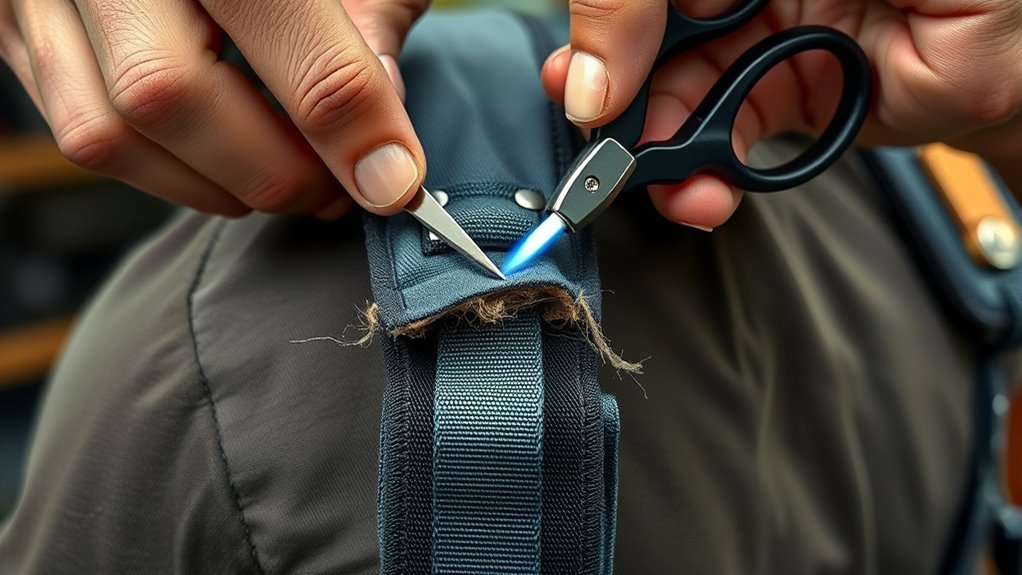
Trim a strap only when it is much longer than you could reasonably need. Test the backpack with different loads and clothing before making a permanent cut. Leave enough webbing for future adjustments and enough tail to reduce the chance of accidentally pulling it through the buckle.
First confirm that the webbing is nylon, polyester, polypropylene, or another heat-sealable synthetic. Do not apply a flame to cotton or other unidentified material.
Cut the Strap Safely
- Mark the cut point with chalk or a washable marker.
- Remove the backpack and place the webbing on a fire-resistant work surface.
- Cut straight across with sharp scissors or a hot knife.
- Keep the new end away from the backpack fabric while sealing it.
- Let the edge cool fully before touching it.
A hot knife designed for synthetic webbing can cut and seal the edge in one step. This gives you more control than trying to melt an uneven scissor-cut edge.
Warning: Molten synthetic webbing can cause serious burns. Work outdoors or in a well-ventilated area, keep water or an extinguisher nearby, avoid inhaling fumes, and never shape the softened edge with your fingers. Do not use an open flame near fuel, dry vegetation, aerosols, or other flammable material.
If you use a lighter instead of a hot knife, pass the edge near the flame briefly rather than holding it in one place. Stop as soon as the fibers fuse. Allow the end to cool on a nonflammable surface.
Never trim the sewn end of a shoulder harness, hipbelt, load lifter, or compression strap. Cutting a structural attachment can make the backpack unsafe to carry.
Sew Backpack Straps Back in Place
A loose seam or small tear may be repairable by hand. A shoulder strap that has ripped deeply into the backpack body needs a stronger repair and may require an industrial sewing machine or manufacturer service.
Check the backpack’s warranty before cutting fabric, melting webbing, or sewing through the original seam. Some manufacturers provide replacement hardware or repair services.
For a minor repair, empty the backpack and place the damaged section on a firm surface. A 2 x 5-inch nylon patch may suit a small tear, but the patch should be large enough to extend beyond the weakened fabric on every side.
Thread a heavy hand-sewing needle with nylon or polyester upholstery thread. Use a thimble or small pliers to help push the needle through thick layers.
| Step | Action | Purpose |
|---|---|---|
| 1 | Align the strap in its original position | Restore the correct angle and length |
| 2 | Place reinforcement fabric behind the damage | Spread the load beyond the torn edge |
| 3 | Sew several tight rows or a box-and-X pattern | Resist pulling in more than one direction |
| 4 | Backstitch and tie secure finishing knots | Reduce the chance of unraveling |
| 5 | Test with a light load | Reveal movement before normal use |
The iFixit shoulder-strap repair guide demonstrates a hand repair using nylon cloth, upholstery nylon thread, and backstitching. Your repair may need additional reinforcement when the surrounding backpack fabric is also torn.
Keep the stitches close and even, but do not pull them so tight that they cut into the webbing. Test the repair first with a small amount of weight. Stop using it if the stitches stretch, the patch wrinkles sharply, or the fabric begins tearing beside the repair.
Warning: A backpack repair is not suitable for climbing harnesses, fall-protection equipment, child carriers, pet restraints, or other life-safety equipment. Follow the manufacturer’s replacement requirements for those products.
What You Need for Strap Repairs
The tools you need depend on which part is failing. Gather only the items required for your repair.
- For fitting: Your normal gear, a mirror, and help from another person if available
- For loose tails: Hook-and-loop straps, elastic keepers, or tape
- For buckle repair: A matching ladder lock or field-repair buckle and screwdriver
- For trimming: Sharp scissors or a hot knife and a fire-resistant work surface
- For sewing: Heavy needle, thimble, nylon or polyester upholstery thread, scissors, and reinforcement fabric
- For inspection: A ruler or caliper for measuring webbing width
Do not use fabric glue as the only repair for a load-bearing shoulder strap. Adhesive patches may help cover a small non-structural hole, but they do not replace sound stitching or intact hardware.
When to Replace or Professionally Repair the Strap
Stop carrying a heavy load and seek professional or manufacturer repair when you find:
- A shoulder strap that is more than partly detached
- Torn fabric spreading into the backpack body
- A cracked buckle that cannot be replaced without opening a major seam
- Webbing cut through more than a small part of its width
- Damaged padding or internal support material
- Repeated failure beside an earlier repair
- A repair area connected to a child carrier or safety system
Check the manufacturer’s warranty before modifying the pack. Companies such as Patagonia and Osprey offer repair support for eligible products.
A professional luggage, outdoor-gear, upholstery, or shoe-repair shop may also have a machine capable of sewing thick webbing and coated backpack fabric.
Prevent Backpack Straps From Slipping Again

Inspect your backpack before long walks or trips. A quick check can reveal a loose buckle, twisted webbing, or weakening seam before it fails.
- Pack heavy items close to your back.
- Balance the load from side to side.
- Use both shoulder straps instead of carrying the pack on one shoulder.
- Adjust the sternum strap when shoulder straps spread outward.
- Keep the hipbelt and load lifters adjusted on larger hiking packs.
- Keep webbing flat and correctly threaded through every buckle.
- Use Velcro or elastic keepers for unused strap tails.
- Replace cracked or polished buckles promptly.
- Repair loose stitches before the fabric tears farther.
- Avoid carrying more weight than the backpack is designed to handle.
Use tape or Velcro to organize excess webbing, but repair the actual buckle, seam, or fit problem when the adjusted strap will not stay in place.
Recheck the fit after adding or removing gear. Clothing changes can also affect strap length, especially when you switch between a T-shirt and a thick winter jacket.
Frequently Asked Questions
Why does my backpack slip off one shoulder?
The load may be heavier on one side, the shoulder straps may be adjusted unevenly, or the harness may not match your shoulder shape. Center the load, tighten both straps in small steps, and use the sternum strap if the backpack has one.
How do I stop my backpack straps from slipping?
Start with proper fit and balanced packing. If the webbing becomes longer while you walk, copy the threading pattern from the working buckle and inspect the ladder lock for wear. Replace a cracked or smooth buckle instead of trying to hold it with tape.
How do I fix dangling backpack straps?
Set the correct strap length, roll the unused webbing into a flat coil, and secure it with a reusable Velcro strip, elastic keeper, or a small piece of tape. Do not cover the active adjustment area of the buckle.
How do I stop bag straps from sliding?
Check that the webbing lies flat and follows the buckle’s intended path. Clean dirt or adhesive residue from the hardware, then test it under a light load. Replace the buckle if its gripping bar is cracked, rounded, or badly worn.
Can duct tape permanently fix a slipping backpack buckle?
No. Duct tape can hold a rolled strap tail during temporary use, but it does not restore the gripping surface of a damaged ladder-lock buckle. Rethread the webbing or install a correctly sized replacement buckle.
Should I cut off extra backpack strap length?
Cut it only when the tail remains much longer than needed after several test carries. Leave enough webbing for clothing and load changes. Confirm that the material is heat-sealable synthetic webbing, then cut and seal it safely.
Conclusion
Start with the simplest fix: balance the load and adjust the backpack to your body. Use the sternum strap to keep shoulder straps from spreading, and check the torso setting on larger packs. If the webbing itself becomes longer, rethread or replace the buckle.
Velcro, elastic keepers, and tape are useful for controlling dangling tails, but they are not structural repairs. Trim synthetic webbing only after testing the fit, and use extra care around heat. When a shoulder strap is badly torn or pulling away from the backpack, stop carrying heavy loads and use a professional or manufacturer repair service.
Sources
- REI: Backpacks, Fit and Torso Size Guide — backpack adjustment sequence, hipbelt position, shoulder straps, load lifters, and sternum straps
- REI: How to Pack a Backpack — balanced loading and placement of backpack contents
- Sea to Summit: Field Repair Ladder Lock — replacement buckles for backpack shoulder and load-lifter straps
- Sailrite: Edge Hotknife — cutting and sealing synthetic webbing
- iFixit: Torn-Off Backpack Shoulder Strap Repair — nylon patch, upholstery thread, and backstitch repair method
- Patagonia Worn Wear Repairs — professional manufacturer repair option
