
Last Updated on September 11, 2026 by Daniel Globe
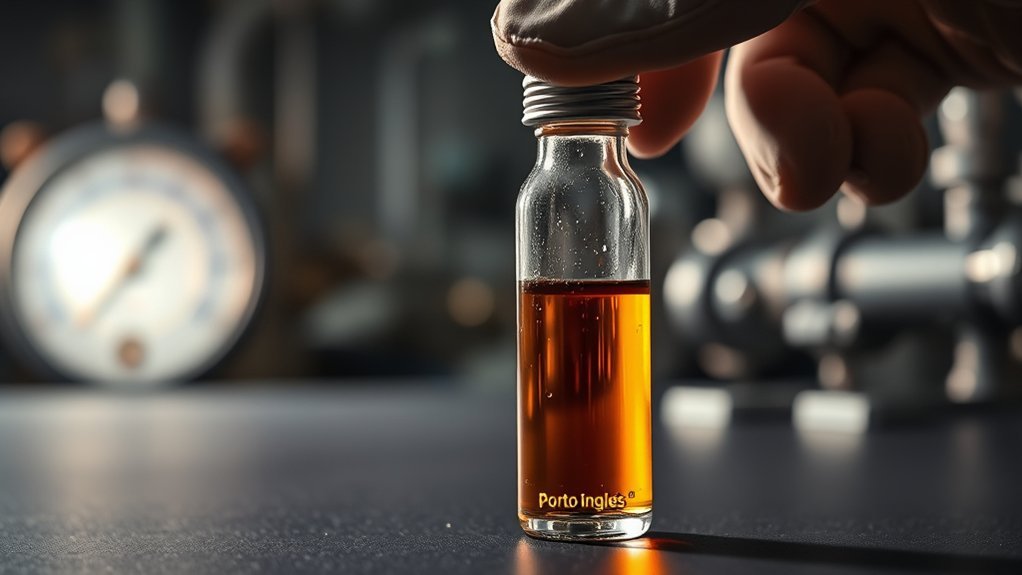
Aviation kerosene is the carefully specified fuel used by most turbine-powered airplanes, helicopters, and turboprops. Jet A is common in the United States, while Jet A-1 is the dominant international grade. Aircraft serving Porto Inglês may burn Jet A-1, but that does not mean they can refuel at Maio Aerodrome; airport fuel availability must always be checked separately.
Quick Answer
Aviation kerosene is the kerosene-type fuel used by turbine aircraft. Jet A is common in the United States, while Jet A-1 is the dominant international grade. Jet A-1 has a maximum freeze point of -47°C and a minimum flash point of 38°C. Aircraft must use only a manufacturer-approved fuel grade.
Key Takeaways
- Jet A and Jet A-1 are kerosene-type turbine fuels governed by strict property and quality requirements.
- Jet A has a maximum freeze point of -40°C, while Jet A-1 has a lower maximum of -47°C.
- Jet B is a more volatile wide-cut fuel used mainly where very low-temperature performance is needed.
- Avgas is a different fuel for approved spark-ignition piston engines and must not be confused with jet fuel.
- Fuel cleanliness, correct grade identification, approved additives, and proper handling are as important as the fuel’s laboratory specification.
What Is Aviation Kerosene?

Aviation kerosene, also called aviation turbine fuel or jet fuel, is a liquid hydrocarbon mixture made for turbine engines. It is not a single chemical. It normally contains a controlled blend of paraffins, cycloparaffins or naphthenes, and aromatic hydrocarbons.
The exact molecules can vary from one refinery batch to another. What matters is that the finished fuel meets property limits for characteristics such as freezing point, flash point, density, viscosity, heat of combustion, sulfur content, thermal stability, conductivity, cleanliness, and water separation.
In the United States and many other markets, Jet A and Jet A-1 are specified under ASTM D1655. The standard defines minimum quality requirements and approved additive controls for civil aviation turbine fuel.
The -47°C figure for Jet A-1 is a maximum permitted freeze point, not a promise that every aircraft may safely let its fuel temperature fall to -47°C.
Is Aviation Fuel Available at Porto Inglês?
Porto Inglês is served by Maio Aerodrome in Cabo Verde. An aircraft arriving there may use Jet A-1, but the fuel may have been loaded at its departure airport or another stop.
The official Cabo Verde aeronautical information page for Maio Aerodrome currently indexed online lists fuelling hours, fuel and oil types, and fuelling facilities as “NIL.” Because airport services can change, operators should confirm the latest status with the airport operator, handling agent, fuel supplier, and current NOTAM or AIP information before departure.
Note: The fuel an aircraft burns is not proof that the same fuel is sold at every airport on its route. Dispatchers and pilots must plan fuel uplift, reserves, alternates, and possible tankering around confirmed services.
Why Turbine Aircraft Use Kerosene Instead of Gasoline
Turbine engines use kerosene-type fuel because the engines and aircraft fuel systems are designed, tested, and certified for its combination of properties. The choice is not simply based on which liquid has the lowest freezing temperature.
- Lower volatility than aviation gasoline: Kerosene produces less flammable vapor during routine storage and transfer than a highly volatile gasoline-type fuel.
- Higher flash point: Jet A and Jet A-1 normally have a minimum flash point of 38°C, improving handling safety compared with avgas.
- Useful energy per unit volume: Kerosene-type fuel provides the energy and density needed for practical aircraft range without excessive tank volume.
- Controlled cold-flow performance: Its freezing point and low-temperature viscosity are limited by specification so pumps, filters, valves, and injectors can continue to work.
- Thermal stability: Jet fuel must tolerate heating in aircraft fuel systems without forming excessive deposits.
- Established certification and infrastructure: Turbine engines, airport equipment, pipelines, storage tanks, and quality-control procedures are built around approved aviation turbine fuels.
Gasoline can have excellent low-temperature fluidity, but its higher volatility and different combustion behavior make it unsuitable for an aircraft unless that engine and airframe are specifically approved for it.
Jet A, Jet A-1, Jet B, and Avgas Compared
| Fuel | Type and Common Use | Key Temperature Property | Main Specification |
|---|---|---|---|
| Jet A | Kerosene-type turbine fuel used mainly in the United States | Maximum freeze point: -40°C; minimum flash point: 38°C | ASTM D1655 |
| Jet A-1 | Dominant international kerosene-type turbine fuel | Maximum freeze point: -47°C; minimum flash point: 38°C | ASTM D1655 or DEF STAN 91-091 |
| Jet B | Wide-cut naphtha/kerosene turbine fuel with limited use in very cold regions | Better extreme-cold performance but greater volatility and handling risk | ASTM D6615 or an applicable national specification |
| Avgas | Gasoline-type fuel for approved spark-ignition piston engines; 100LL remains widely available in the United States | Rated mainly by octane and anti-knock performance rather than Jet A freeze-point categories | ASTM D910 or an applicable unleaded-avgas specification |
Jet B is not defined by a fixed gasoline-to-kerosene mixing percentage. It is a specification-controlled wide-cut fuel that includes lighter naphtha-range components. Those components improve very-low-temperature performance but also increase volatility, so Jet B requires stricter handling precautions and is much less widely available than Jet A or Jet A-1.
Avgas is not a substitute for jet fuel. Its octane rating is intended to prevent destructive detonation in approved piston engines. Likewise, Jet A or Jet A-1 must not be placed in an avgas-powered aircraft unless the aircraft and engine are expressly approved for that fuel.
Warning: Using the wrong fuel or mixing incompatible grades can cause engine damage, loss of power, or complete engine failure. Always follow the aircraft flight manual, fuel placards, engine approval, and operator procedures. Never identify an aviation fuel by smell or appearance alone.
Aviation Kerosene Properties That Matter in Flight
Safe turbine fuel must do more than burn. It must remain pumpable, avoid excessive vapor formation, transfer heat, lubricate certain fuel-system components, resist deposit formation, and reach the engine free of harmful water and particles.
Controlled Freezing Point
Jet A has a maximum specification freeze point of -40°C, while Jet A-1 has a lower maximum of -47°C. “Maximum” means the tested fuel must freeze at that temperature or below it. A batch of Jet A-1 may test colder than -47°C.
The freeze point is not the same as outside air temperature. Fuel cools gradually, and aircraft systems measure or estimate actual fuel temperature. Aircraft manuals normally require a safety margin above the approved fuel freeze point. If the margin becomes too small, the crew may descend, change speed, alter route, or move to warmer air according to approved procedures.
Minimum Flash Point
The flash point is the lowest temperature at which a liquid produces enough vapor to ignite momentarily under a specified laboratory test. Jet A and Jet A-1 normally require a flash point of at least 38°C.
A higher flash point than avgas reduces routine vapor-ignition risk during storage and transfer, but it does not make jet fuel nonflammable. Mists, hot surfaces, sparks, static discharge, and fuel heated above its flash point can still create a serious fire hazard.
Density and Energy Content
Fuel mass affects aircraft weight, range, balance, and engine performance. Aviation operations often purchase fuel by volume but plan aircraft loading by mass, so density must be measured or corrected for temperature.
Jet fuel also carries substantial energy in a practical tank volume. This volumetric energy helps turbine aircraft achieve useful range without tanks becoming excessively large. Density and net heat of combustion are therefore controlled within the applicable specification.
Low-Temperature Viscosity
Viscosity describes a liquid’s resistance to flow. Jet-fuel specifications limit viscosity at low temperature so the fuel can move through pumps, filters, valves, meters, and injectors.
The important point is not that kerosene is thinner than gasoline. It is that approved aviation kerosene remains within the viscosity range for which the turbine engine and aircraft fuel system were designed.
Thermal Stability and Conductivity
Fuel may absorb heat while circulating through an aircraft. Poor thermal stability can allow gums or carbon-like deposits to form in hot fuel-system components. Laboratory thermal-stability tests help control that risk.
Electrical conductivity also matters during high-rate fuel movement. Flow through pipes, filters, and hoses can create static charge. Depending on the governing specification and supply arrangement, a static-dissipator additive may be used to help charge decay safely.
How Aviation Kerosene Is Refined and Tested
Refining and Blending
Conventional aviation kerosene begins with crude oil. Atmospheric distillation separates the crude into boiling ranges, including a middle-distillate stream suitable for further jet-fuel processing.
Refiners may then use processes such as hydrotreating to remove sulfur and unstable compounds. They blend suitable streams to meet density, volatility, freezing-point, combustion, and thermal-stability limits. Approved additives are injected only when permitted or required and must remain within controlled concentrations.
A batch is not aviation fuel merely because it came from the kerosene boiling range. It becomes saleable Jet A or Jet A-1 only after it meets the full specification and receives the required batch documentation.
Important Jet-Fuel Quality Tests
| Test or Property | Why It Matters |
|---|---|
| Appearance and particulate contamination | Checks for visible water, dirt, sediment, and excessive solid contamination. |
| Distillation and volatility | Confirms the fuel vaporizes through the intended temperature range. |
| Flash point | Controls minimum handling-safety performance. |
| Freezing point | Verifies that the fuel meets its required low-temperature limit. |
| Density | Supports aircraft mass calculations and helps confirm product consistency. |
| Low-temperature viscosity | Protects pumpability, metering, and spray formation in cold conditions. |
| Net heat of combustion | Confirms that the fuel supplies the required energy per unit mass. |
| Thermal stability | Limits deposit formation when fuel is exposed to high system temperatures. |
| Water separation and conductivity | Supports filtration performance and safe control of water and static charge. |
Testing continues after the refinery. Documents, samples, seals, storage records, filtration checks, and transfer inspections help preserve product identity as the fuel moves through terminals, pipelines, ships, trucks, airport tanks, hydrants, and refuelling vehicles.
What Additives May Be Used in Jet Fuel?
Jet fuel may contain approved additives, but they are not all present in every batch. The permitted type and concentration depend on the fuel specification, refinery history, distribution system, aircraft requirements, and customer contract.
- Antioxidants help control oxidation during production and storage.
- Static-dissipator additives increase conductivity so static charge can decay more safely.
- Corrosion-inhibitor or lubricity-improver additives may protect fuel-system components and improve lubricating performance.
- Metal deactivators can reduce oxidation promoted by trace metals.
- Fuel-system icing inhibitor can reduce the freezing risk from free water when an approved aircraft or operation requires it.
- Biocides are specialized maintenance treatments and must be approved for the aircraft and applied according to controlled procedures.
The FAA’s guidance on fuel-system icing inhibitors explains that these additives require controlled concentration and aircraft approval. Adding an unapproved chemical to aviation fuel can create compatibility, performance, or airworthiness problems.
How Jet Fuel Is Kept Safe and Clean
Water, Dirt, Microbes, and Mixed Products
Jet fuel can become contaminated after leaving the refinery. The main threats include:
- Free water: Water can settle in tank bottoms, remain suspended as droplets, freeze in cold systems, or support microbial growth.
- Particles: Rust, dust, fibers, seal material, and other solids can load filters or damage components.
- Microorganisms: Bacteria, yeast, and mold can grow at the fuel-water interface, causing sludge, filter plugging, corrosion, coating damage, and faulty sensor readings.
- Mixed fuel grades: Avgas, diesel, gasoline, or another jet-fuel grade can move the product outside its approved specification.
- Incorrect additives: Excessive, incompatible, or unapproved additive use can damage seals, coatings, filters, or engines.
Preventing and removing free water is especially important. FAA guidance notes that microbial contamination can cause filter plugging and corrosion when water remains in aircraft fuel tanks.
Airport Fuel-Handling Controls
The FAA’s AC 150/5230-4C provides guidance for aircraft-fuel storage, handling, personnel training, and dispensing at airports. Actual requirements also depend on national rules, airport certification, local fire codes, contractual standards, and the operator’s approved procedures.
Common controls include:
- Keeping each grade in clearly identified, dedicated equipment.
- Receiving and reviewing batch certificates and transfer documents.
- Inspecting tanks, hoses, nozzles, filters, and seals.
- Draining low points and checking samples for water or sediment.
- Using filtration and water-separation equipment appropriate to the system.
- Bonding or grounding equipment as required to control static hazards.
- Protecting fuel from rain, dirt, diesel exhaust fluid, and other airport chemicals.
- Training personnel to prevent misfuelling and respond to spills or suspect fuel.
- Quarantining any batch or vehicle when a sample, document, or inspection falls outside limits.
Pro Tip: Operators planning a flight to a remote or small-island airport should verify the fuel grade, quantity, operating hours, payment method, nozzle type, minimum uplift, and notice period directly with the supplier before finalizing the fuel plan.
How Sustainable Aviation Fuel Fits In
Sustainable aviation fuel, or SAF, describes aviation fuel made from qualifying renewable, waste-derived, or lower-carbon feedstocks. “Sustainable” describes its feedstock and lifecycle criteria; it does not remove the need for strict technical certification.
Approved synthetic blending components are produced through pathways listed in ASTM D7566. Each pathway has defined feedstocks, processing rules, property requirements, and maximum blend limits. ICAO maintains an overview of approved SAF conversion processes.
After an approved synthetic component is blended and the finished fuel meets all applicable conventional requirements, the product can be re-identified and handled as specification-compliant Jet A or Jet A-1. This “drop-in” approach allows approved blends to use existing aircraft and fuel infrastructure without treating every SAF shipment as a separate aircraft fuel grade.
SAF is not automatically identical in cost, carbon benefit, or blend percentage. Those details depend on the pathway, feedstock, energy source, regional rules, sustainability certification, and commercial agreement.
Aviation Kerosene Pricing Factors
There is no universal rule that jet fuel costs half as much as gasoline. The price paid by an airline, charter operator, or private aircraft owner can include several layers:
- Crude-oil and wholesale jet-fuel benchmarks
- Refinery production costs and jet-fuel supply
- Regional supply and demand
- Pipeline, ship, truck, storage, and airport-delivery costs
- Airport infrastructure and into-plane service fees
- Taxes, duties, and environmental charges
- Purchase volume and contract terms
- Currency movements and credit conditions
- SAF certificates, mandates, or physical SAF blend costs
Small or remote airports can have higher delivered prices because fuel must travel farther, storage turnover may be lower, and the cost of maintaining refuelling equipment is spread across fewer gallons. An airport may also have no fuel service at all, even when scheduled turbine aircraft operate there.
Airlines often use supply contracts and financial hedging to manage volatility. These tools can reduce short-term exposure, but they cannot guarantee a lower price or eliminate physical supply risk.
Frequently Asked Questions
What is the difference between aviation kerosene and regular kerosene?
Aviation kerosene must meet detailed requirements for freezing point, flash point, viscosity, density, thermal stability, energy content, cleanliness, water separation, and approved additives. Heating or lamp kerosene is not certified for aircraft and must not be used as a substitute.
What is kerosene used for in aviation?
Kerosene-type aviation fuel powers turbojet, turbofan, turboprop, and turboshaft engines. It may also be approved for certain compression-ignition piston engines, but only when the engine and aircraft documentation authorize the specific fuel.
Can jet fuel freeze during flight?
Yes. Jet fuel is a mixture, so wax crystals begin forming around its tested freeze point rather than the entire tank instantly becoming solid. Crews monitor fuel temperature and maintain the safety margin required by the aircraft flight manual.
Is jet fuel the same as diesel?
No. Jet fuel and diesel are both middle-distillate products and can share some physical traits, but they meet different specifications for volatility, cold performance, thermal stability, lubricity, additives, cleanliness, and intended equipment. One should never replace the other without explicit engine and aircraft approval.
Why do jet-fuel shortages happen?
A shortage may be local, regional, or temporary rather than worldwide. Causes can include refinery outages, pipeline or port disruption, limited airport storage, delayed deliveries, severe weather, rapid demand growth, quality-control holds, geopolitical events, or a shortage of suitable tanker and distribution capacity.
What is aviation kerosene made of?
It is a changing mixture of hydrocarbons, mainly paraffins, cycloparaffins or naphthenes, and aromatics in a controlled boiling range. The fuel is defined by specification properties rather than one fixed molecular recipe.
Can aircraft refuel at Maio Aerodrome near Porto Inglês?
The official Cabo Verde aeronautical information page currently indexed for Maio Aerodrome lists fuel types and fuelling facilities as NIL. Operators should confirm the latest status with the airport, handling agent, supplier, current AIP, and NOTAM information before planning a fuel uplift.
Sources
- ASTM D1655—Standard Specification for Aviation Turbine Fuels — Jet A and Jet A-1 specifications and approved additives.
- FAA AC 20-24D—Approval of Propulsion Fuels, Additives, and Lubricating Oils — fuel approval and Jet A/Jet A-1 freeze-point distinctions.
- FAA AC 150/5230-4C—Aircraft Fuel Storage, Handling, Training, and Dispensing on Airports — airport fuel-handling and personnel guidance.
- FAA AC 20-29C—Fuel System Icing Inhibitors — free water, icing inhibitors, and microbial contamination.
- ICAO—Sustainable Aviation Fuel Conversion Processes — approved ASTM D7566 pathways and blending limits.
- Cabo Verde eAIP—Maio Aerodrome — published airport handling and fuel-facility information for Porto Inglês.
Conclusion
Aviation kerosene is not ordinary household kerosene with a different label. Jet A, Jet A-1, and other approved turbine fuels must meet tightly controlled requirements for cold performance, volatility, energy, cleanliness, thermal stability, and safe handling.
Jet A-1 is the dominant international grade because its -47°C maximum freeze point supports long-distance and cold-weather operations, while Jet A remains common in the United States. Jet B serves a much smaller cold-climate role, and avgas belongs to a different class of approved piston-engine fuels.
Fuel safety depends on the entire chain from refinery to aircraft. Correct grade selection, batch testing, clean storage, water control, trained personnel, accurate airport information, and aircraft approval all matter. For Porto Inglês in particular, do not assume local Jet A-1 availability merely because turbine aircraft operate there; verify current fuelling services before the flight.
