
Last Updated on July 24, 2026 by Daniel Globe
Naples is one of Italy’s great food cities, and the best dishes are often the simplest. Start with Pizza Margherita, pizza fritta, and pizza a portafoglio. Then try pasta alla Genovese, pasta e patate, spaghetti alle vongole, ragù napoletano, salsiccia e friarielli, sfogliatella, and babà. This guide explains what each dish contains, what makes it Neapolitan, and where it fits into a day of eating.
Quick Answer
The must-eat food in Naples is Neapolitan pizza, especially Margherita or marinara. Also try pizza fritta, frittatina di pasta, pasta alla Genovese, pasta e patate con provola, spaghetti alle vongole, ragù napoletano, salsiccia e friarielli, sfogliatella, and rum-soaked babà.
Key Takeaways
- Pizza is the essential first meal, but Naples offers far more than pizza.
- Street foods such as pizza a portafoglio, pizza fritta, cuoppo, and frittatina di pasta are easy to eat while sightseeing.
- Classic pasta dishes range from bright and briny spaghetti alle vongole to rich, onion-based Genovese.
- For dessert, compare sfogliatella riccia with sfogliatella frolla, then try a syrupy babà.
- Restaurant menus and hours can change, so check the official website before making a special trip.
Disclosure: As an Amazon Associate I earn from qualifying purchases. Some links on this page are affiliate links, at no extra cost to you.
Why Neapolitan Food Stands Out
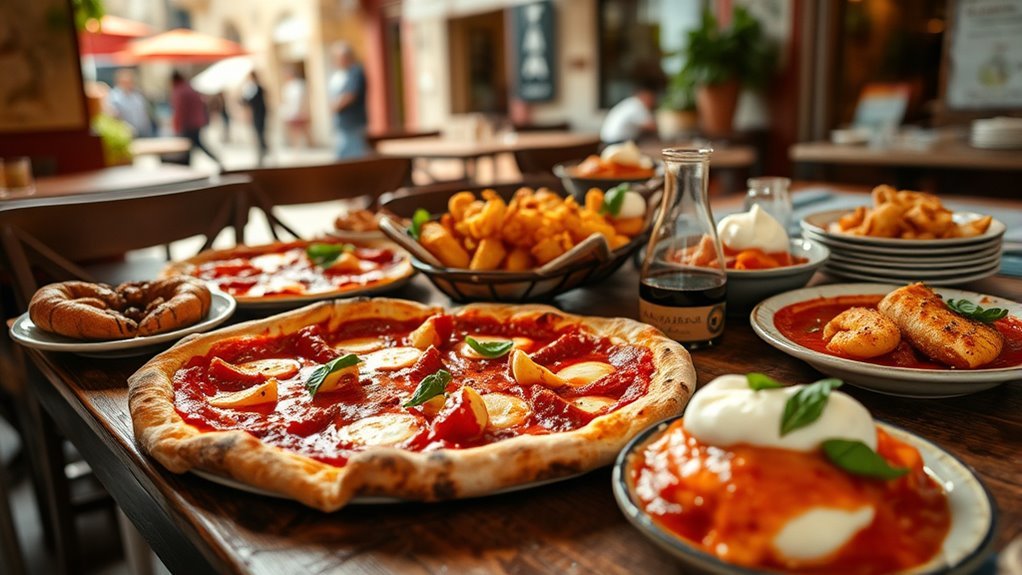
Neapolitan cooking turns everyday ingredients into food with strong flavor and clear character. Tomatoes, olive oil, local cheeses, seafood, onions, potatoes, leafy greens, and slow-cooked meat appear again and again. Many dishes began as practical food for workers and families, while others came from royal or convent kitchens.
Pizza also carries deep cultural value. UNESCO added the art of the Neapolitan pizzaiuolo, meaning the craft and social practice of Naples’ pizza makers, to its Representative List of the Intangible Cultural Heritage of Humanity in 2017.
In Naples, the strongest meals are often built from a short list of ingredients handled with skill, patience, and respect for tradition.
Pizza Margherita: The Naples Classic
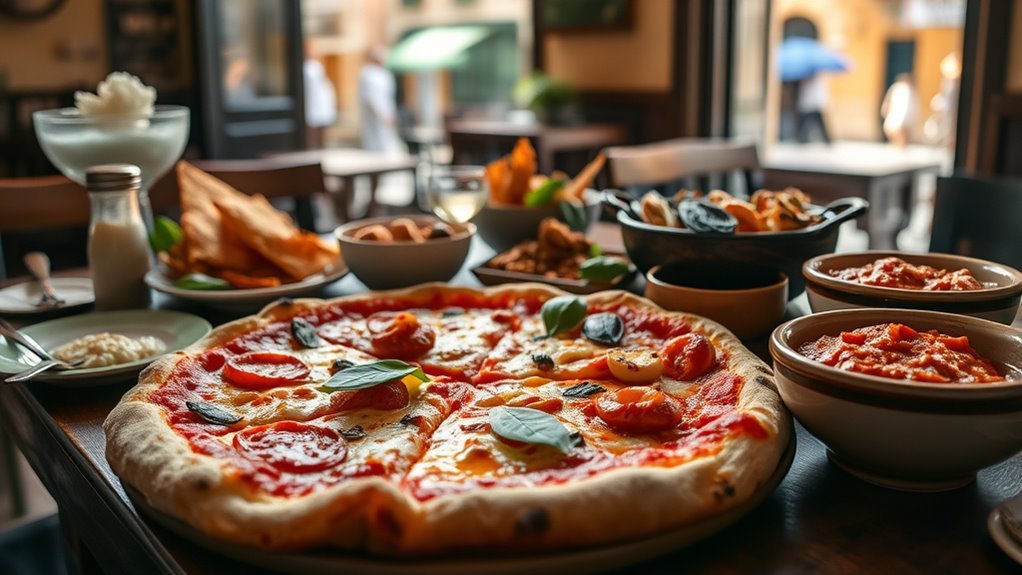
Pizza Margherita combines tomato, mozzarella or fior di latte, fresh basil, and extra virgin olive oil on a soft, elastic crust. A good Neapolitan pizza has a tender center and a raised rim called the cornicione. It is often served as one whole personal pizza rather than in slices.
The Associazione Verace Pizza Napoletana says its certified style is cooked in a wood-fired oven at about 430°C to 480°C for 60 to 90 seconds. Its rules allow buffalo mozzarella or fior di latte, so buffalo mozzarella is not required for every authentic Margherita.
Note: The popular story says the pizza was named for Queen Margherita after an 1889 visit to Naples. Food historians have challenged parts of that story, so it is safer to treat it as a famous tradition rather than a fully proven origin.
Pizza Fritta and Pizza a Portafoglio
Pizza fritta is dough filled, folded, and fried until the outside is crisp and blistered. Common fillings include ricotta, provola or mozzarella, tomato, salami, and pork cracklings. It is richer and heavier than oven-baked pizza, so one can be a full meal.
Pizza a portafoglio, or wallet pizza, is a smaller round pizza folded into quarters for eating by hand. It is usually simple, hot, soft, and slightly messy. The folded format makes it one of Naples’ most practical street foods.
Pro Tip: Eat pizza a portafoglio soon after it is handed to you. The center stays soft, and waiting too long can make the folded crust wet.
Frittatina di Pasta and Cuoppo
Two major Naples street foods were missing from the original guide. Frittatina di pasta is a compact portion of pasta, often with béchamel, peas, cheese, and meat, coated and fried until crisp. Recipes vary, and many shops now sell vegetarian versions.
A cuoppo is a paper cone filled with fried food. A seafood cuoppo may contain small fish, squid, or shrimp. A land-based version can include potato croquettes, zeppoline, arancini, and other fried snacks. The official Italian tourism portal includes both frittatina and cuoppo among the city’s signature street foods.
Spaghetti alla Puttanesca
Spaghetti alla puttanesca is a fast, strong-flavored pasta made with tomato, olives, capers, garlic, herbs, and sometimes anchovies. In Naples, a related preparation is often called aulive e chiapparielle, meaning olives and capers. Anchovies are not included in every Neapolitan version, so the ingredient list is not completely fixed.
| Ingredient | What It Adds |
|---|---|
| Tomatoes | Sweetness, acidity, and body |
| Olives and capers | Salty, sharp flavor |
| Garlic and chili | Aromatic heat |
| Anchovies, when used | Extra savory depth |
The exact origin of the name is uncertain. Stories link it to brothels, hurried cooks, or a request to make “any old thing” from pantry ingredients. None is proven well enough to present as the single true history.
Spaghetti alle Vongole
Spaghetti alle vongole is one of Naples’ best-known seafood pastas. Fresh clams open in a pan with olive oil, garlic, and parsley, releasing juices that coat the pasta. White wine or chili may appear, depending on the cook. Some versions are made in bianco, while others include tomato.
Clam-Packed Coastal Flavor
The dish works because the sauce stays light. The clam liquid, olive oil, and starchy pasta water form a glossy coating rather than a heavy sauce. Small clams are common, and the pasta should arrive hot, with shells either left in the bowl or partly removed for easier eating.
- Choose a restaurant that handles seafood frequently and lists the dish as a current menu item.
- Expect natural saltiness from the clams, so extra salt may not be needed.
- Ask whether the version is in bianco or made with tomato when you have a preference.
What Vongole Fujute Really Means
Vermicelli or spaghetti alle vongole fujute is a separate poor-kitchen tradition whose name means the clams have “escaped.” The defining joke is that the dish contains no clams. Garlic, olive oil, parsley, and sometimes tomato create an aroma that suggests the seafood dish without using shellfish.
Warning: Tell the restaurant about shellfish allergies before ordering seafood or fried food. Shared fryers, pans, and utensils can create cross-contact.
Pasta alla Genovese
Pasta alla Genovese is a Neapolitan sauce made by cooking a large amount of onion with beef until the onions collapse into a thick, sweet, savory sauce. It is not pesto Genovese. Traditional pasta shapes include broken ziti, candele, mezzani, paccheri, and other tubes that hold the sauce.
- Long cooking: The onions and meat cook slowly until the sauce becomes deep brown and silky.
- Right pasta: Broken ziti is one of the most traditional choices.
- Uncertain name: Several stories connect the dish to Genoese cooks or merchants, but its exact origin is not settled.
The Naples tourism guide describes onion, meat, and ziti as the core of the dish. At ‘A Taverna dò Re, Genovese and ragù are listed among the restaurant’s traditional specialties.
Pasta e Patate
Pasta e patate shows how Neapolitan cooks turn low-cost pantry food into a complete meal. Small or broken pasta cooks with diced potatoes, onion, celery, tomato or tomato paste, and other seasonings. The final texture should be thick and creamy, not watery.
| Version | What to Expect |
|---|---|
| Classic | Potatoes, mixed pasta, soffritto, and a thick finish |
| Con provola | Smoky melted provola that makes the dish stretchy and richer |
| With pancetta | A meatier, saltier version |
When you order it, look for the word azzeccata or azzeccosa, which describes the dense, clinging texture many Neapolitans prefer.
A related home-style dish is pasta e piselli, pasta and peas cooked together until creamy. Pancetta or provola may be added, but simpler versions let the peas provide most of the sweetness and body.
Ragù Napoletano and Parmigiana di Melanzane
Ragù napoletano is another major dish that deserves a place in a complete Naples food guide. Large pieces of beef and pork cook slowly with tomato, onion, wine, and other seasonings. The sauce dresses pasta, while the meat may be served separately. The slow simmer is often described with the Neapolitan verb pippiare.
Parmigiana di melanzane layers fried eggplant with tomato sauce, cheese, and basil. Its exact regional origin is debated, but it is firmly established in Naples and Campania cooking. It is a useful meat-free choice, although traditional versions are rich and may contain several cheeses.
Salsiccia e Friarielli
Salsiccia e friarielli pairs pork sausage with friarielli, a bitter leafy green related to broccoli rabe. The greens are usually cooked with garlic, olive oil, and chili. The bitterness cuts through the sausage’s fat, which is why the pairing works so well.
- Order it as a plated main course when you want a hearty meal.
- Try it inside a panino for an easy street-food lunch.
- Look for it as a pizza topping when you want a classic Naples combination in another form.
Salumeria Malinconico is often named in visitor guides for sausage sandwiches, but check its current hours and menu before going. The same advice applies to small family-run shops throughout the Spanish Quarter and Pignasecca.
Sfogliatella and Babà: Naples’ Iconic Sweets
| Sweet | Character |
|---|---|
| Sfogliatella riccia | Crisp shell-shaped layers with a ricotta and semolina filling |
| Sfogliatella frolla | Tender shortcrust pastry with a similar filling |
| Babà | Light yeast cake soaked in rum syrup, sometimes filled with cream |
| Pastiera | Ricotta and cooked-wheat tart scented with citrus and orange blossom |
Sfogliatella developed from the older Santarosa pastry associated with a convent on the Amalfi Coast, then took its famous Naples form. Babà began outside Naples and was later adopted and refined by Neapolitan pastry makers. Pastiera is strongly linked to Easter, but many pastry shops sell it beyond the holiday period. Try sfogliatella warm in the morning, then save babà or pastiera for dessert.
Note: Traditional babà contains alcohol in its soaking syrup. Ask before ordering when you avoid alcohol, and ask about nuts, dairy, eggs, and gluten when you have allergies.
Where to Eat the Best Neapolitan Dishes
Match the dish to the type of place. Use a pizzeria for Margherita, marinara, pizza fritta, and pizza a portafoglio. Choose a trattoria for Genovese, ragù, pasta e patate, salsiccia e friarielli, and seafood pasta. Visit a dedicated pasticceria for sfogliatella and babà.
Top Neapolitan Food Spots
- Diego Vitagliano: a contemporary Neapolitan pizzeria with Naples locations, including Santa Lucia and Bagnoli. The official menu keeps Margherita and other traditional pizzas alongside modern versions.
- L’Antica Pizzeria da Michele: the historic Forcella location is known for a focused menu centered on Margherita and marinara. Expect a queue and check its no-reservation policy before visiting.
- ‘A Taverna dò Re: a traditional restaurant near the port that lists Genovese, ragù, seafood, and other Neapolitan dishes.
- Ostaria Pignatelli: a restaurant on Riviera di Chiaia serving Neapolitan and Mediterranean dishes. It is in Chiaia, not on Via Toledo.
- Antica Trattoria da Carmine and Salumeria Malinconico: long-mentioned local options for traditional food and street-style sandwiches. Verify the latest opening hours and menu before planning your route around either one.
Note: Older guides may mention La Locanda del Borboni or a similarly named venue in Mergellina. Current official details were not clear enough to recommend it as a confirmed stop, so choose a currently operating seafood restaurant with a visible menu instead.
Must-Try Dishes by Area
| Area | Good Foods to Look For |
|---|---|
| Centro Storico and Forcella | Margherita, marinara, pizza fritta, frittatina, cuoppo |
| Spanish Quarter and Pignasecca | Panini, salsiccia e friarielli, fried street food, small trattorias |
| Via Toledo | Quick snacks, pastries, and easy stops while sightseeing |
| Chiaia | Sit-down trattorias, Genovese, pasta e patate, seafood |
| Santa Lucia and Mergellina | Spaghetti alle vongole, mussels, grilled octopus, fried seafood |
How to Plan a One-Day Naples Food Route
- Breakfast: Order espresso with a warm sfogliatella riccia or frolla.
- Late morning: Share a frittatina di pasta or small cuoppo while walking through the historic center.
- Lunch: Eat a Margherita or marinara at a pizzeria.
- Afternoon: Try a babà, remembering that the traditional syrup contains rum.
- Dinner: Choose one substantial pasta, such as Genovese, pasta e patate, ragù, or spaghetti alle vongole.
This order keeps you from eating several heavy fried dishes in a row. Portions can be large, so sharing street food gives you room to taste more.
Frequently Asked Questions
What is the one must-eat food in Naples?
Start with a Neapolitan Margherita or marinara. Pizza is the city’s clearest signature food, and Naples’ pizza-making craft has UNESCO recognition. After that, try one street food, one traditional pasta, and one pastry.
What are the most famous Neapolitan dishes?
Famous dishes include Pizza Margherita, marinara, pizza fritta, pizza a portafoglio, frittatina di pasta, cuoppo, pasta alla Genovese, pasta e patate, spaghetti alle vongole, ragù napoletano, salsiccia e friarielli, sfogliatella, and babà.
Is Pizza Margherita definitely named after Queen Margherita?
That is the traditional story, but historians have questioned the evidence. Tomato, mozzarella, and basil pizza existed before the famous 1889 royal tale, so present the Queen Margherita account as legend rather than proven fact.
Does spaghetti alle vongole always come without tomato?
No. The white version with clams, garlic, olive oil, and parsley is common, but tomato versions also exist. Ask whether the restaurant serves it in bianco when you want the no-tomato style.
What is vongole fujute?
It is a Neapolitan poor-kitchen pasta whose name means the clams have escaped. It traditionally contains no clams. Garlic, olive oil, parsley, and sometimes tomato imitate the aroma and style of clam pasta.
What should vegetarians eat in Naples?
Good options include marinara pizza, Margherita, pasta e patate without pancetta, parmigiana di melanzane, crocchè, some vegetable cuoppi, and many pastries. Ask about lard, meat stock, anchovies, and shared fryers because recipes vary.
Sources
- UNESCO: Art of Neapolitan Pizzaiuolo: supports the cultural status and 2017 inscription of Naples’ pizza-making craft.
- Associazione Verace Pizza Napoletana regulations: supports ingredients, oven temperatures, and the 60-to-90-second baking standard.
- Italia.it: Best street food in Naples: supports frittatina, cuoppo, sfogliatella, babà, and other street-food coverage.
- Visit Naples: A Genovese: supports the onion, meat, and ziti tradition.
- Accademia Italiana della Cucina: Ragù Napoletano: supports the long-cooked meat sauce and traditional pasta pairings.
- Visit Naples: Neapolitan desserts: supports the development of sfogliatella and babà.
Conclusion
Naples rewards curiosity, but you do not need to eat everything in one sitting. Begin with a classic pizza, add one fried street food, choose a traditional pasta or seafood dish, and finish with sfogliatella or babà. The city’s food is memorable because simple ingredients are treated with care. Check current menus, follow the busiest local counters, and leave room for one unplanned bite.
