
Last Updated on July 24, 2026 by Daniel Globe
Florence is at its best when you mix traditional trattorias, specialty pasta restaurants, casual food markets, sandwich shops, and serious pizzerias. This guide highlights places for bistecca alla fiorentina, wild boar pasta, pear-filled fiocchetti, schiacciata, and Neapolitan-style pizza, while also explaining which dishes may change seasonally and when you should reserve.
Quick Answer
Some of the best restaurants in Florence include Trattoria Mario for classic Tuscan lunch and bistecca, 4 Leoni for pear-filled pasta, Osteria del Cinghiale Bianco for wild boar dishes, BaccoMatto for a changing wine-friendly menu, and O’ Cor ’e Napule, Gustapizza, and Giovanni Santarpia for pizza.
Key Takeaways
- Reserve popular trattorias and dinner restaurants before your visit, especially during spring, summer, and major holiday periods.
- Treat specific ravioli, desserts, and daily specials as seasonal unless the restaurant identifies them as permanent signature dishes.
- For classic Florence food, look for bistecca alla fiorentina, ribollita, pappa al pomodoro, lampredotto, wild boar ragù, and schiacciata.
- Check official hours on the day you visit because many independent restaurants close between lunch and dinner or take weekly and seasonal breaks.
- Florence’s red street numbers, written as “r” or “rosso,” identify commercial premises and are different from residential street numbers.
Disclosure: As an Amazon Associate I earn from qualifying purchases. Some links on this page are affiliate links, at no extra cost to you.
Why Florence Dining Feels Different
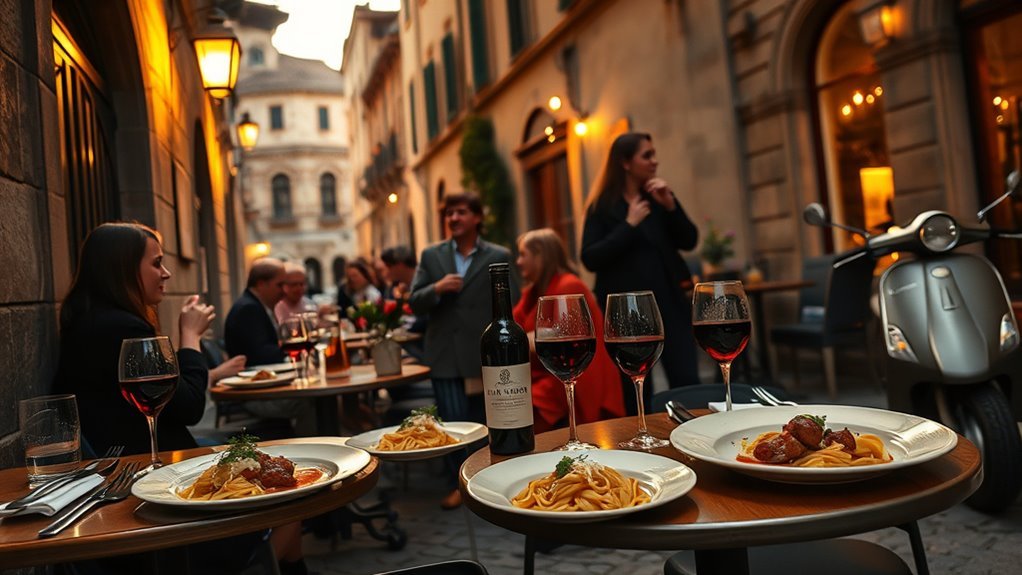
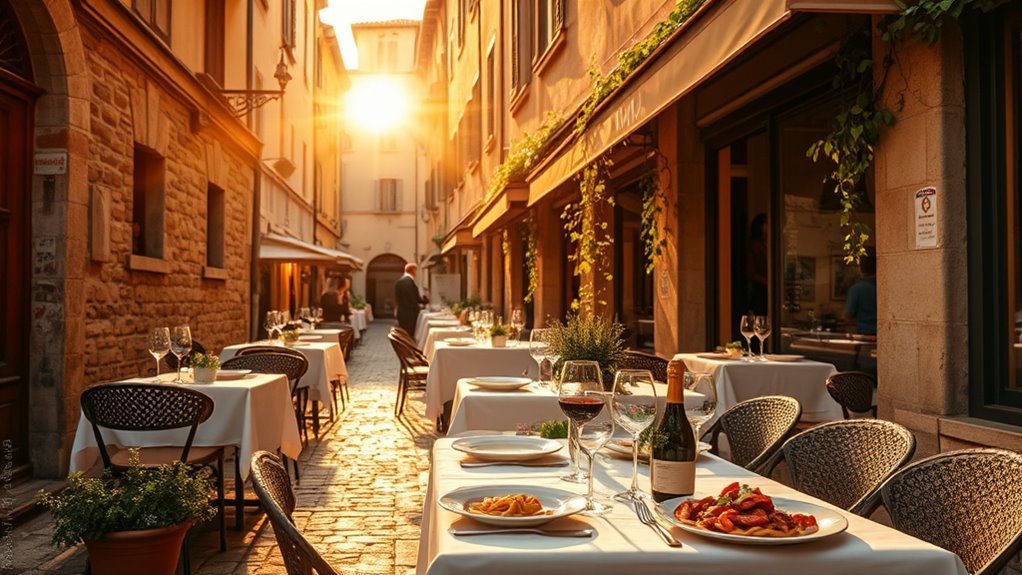
Florentine cooking is closely tied to Tuscany’s agricultural traditions. Many classic dishes use bread, beans, seasonal vegetables, olive oil, offal, grilled meat, and slow-cooked sauces rather than complicated presentation. Florence’s official tourism portal identifies bistecca alla fiorentina, ribollita, pappa al pomodoro, tripe, and lampredotto among the city’s defining foods. You can read its overview of traditional Florentine food and wine.
The city also offers more variety than the traditional trattoria image suggests. You can eat filled pasta in the Oltrarno, browse a modern food hall near San Lorenzo, order Neapolitan pizza, book a contemporary wine-focused dinner, or pick up a stuffed schiacciata for lunch. The most useful approach is not to search for one universally “best” restaurant, but to choose a place that matches the dish, neighborhood, budget, and atmosphere you want.
What to Know Before Eating in Florence
Reservations are important at small dining rooms and famous trattorias. Some restaurants use online systems, while others prefer telephone, email, or WhatsApp. Always use the restaurant’s official website when possible, and confirm the date, time, number of guests, and whether your reservation is indoors or outdoors.
- Opening hours: Many restaurants serve separate lunch and dinner periods rather than remaining open all afternoon.
- Daily menus: Seasonal ingredients and handwritten specials are common. A dish mentioned in a review may not be available during your visit.
- Red street numbers: Addresses such as 1r, 18r, or 39R refer to commercial addresses. Do not assume they match the nearby residential number.
- Coperto: Your bill may include a per-person cover charge. It is not the same as a tip.
- Tipping: Tipping is optional in Italy. Check whether a service charge is already listed, then round up or leave a modest extra amount for service you appreciated.
- Payment: Cards are widely used, but carrying a small amount of cash is sensible in case a small business has a temporary terminal problem.
- Allergies: Tell the staff clearly before ordering. Recipes, fillings, garnishes, and daily specials can change.
Note: Bistecca alla fiorentina is normally a thick steak sold by weight, shared by more than one diner, and served very rare. Ask about the weight and price before ordering. Choose another cut if you prefer a smaller portion or meat cooked beyond rare.
How to Pick a Great Florence Restaurant
A good restaurant does not need to be hidden, cash-only, untranslated, or unknown to tourists. Instead, look for a focused menu, clearly displayed prices, dishes that suit the restaurant’s specialty, recent information, and staff who can explain ingredients and portions.
Spot Local Favorites
Local popularity can be useful, but it should not be your only test. Check whether a restaurant has operated for many years, whether its menu reflects the season, and whether recent diners consistently praise the same dishes. Official restaurant pages are especially useful for confirming addresses, booking channels, closing days, and signature items.
Traditional restaurants often do a limited number of dishes particularly well. A menu built around soups, grilled meat, ragù, handmade pasta, and a few seasonal specials can be more useful than a menu trying to cover every regional Italian dish.
Skip Tourist Traps
Do not judge a restaurant only by its distance from a monument or whether the menu has an English translation. Better warning signs include staff pressuring people to sit down, unclear pricing, oversized menus with unrelated cuisines, dishes displayed without prices, and claims that every item is a house specialty.
Check the menu before entering, confirm the cost of steak sold by weight, and look for a restaurant that fits your actual goal. A busy market stall can be an excellent lunch choice, while a small wine restaurant may be better for a slow dinner.
| Restaurant | Best For | Style | Booking Advice |
|---|---|---|---|
| Trattoria Mario | Bistecca and Tuscan lunch | Historic, communal trattoria | Phone or email ahead |
| 4 Leoni | Pear-filled pasta | Tuscan trattoria | Reserve for dinner |
| Osteria del Cinghiale Bianco | Wild boar and Tuscan dishes | Historic Oltrarno rooms | Online, phone, or WhatsApp |
| BaccoMatto | Wine and changing pasta dishes | Modern enobistro | Book a table |
| Mercato Centrale | Groups and casual variety | Food hall | Usually walk-in |
| O’ Cor ’e Napule | Neapolitan pizza | Casual pizzeria | Reserve at busy times |
| Schiacciateria De Neri 18r | Quick schiacciata | Takeaway-focused | Walk-in |
MaMMaMia for Easy Crowd-Pleasing Meals
MaMMaMia, at Piazza del Mercato Nuovo 18/R, is a practical central option when a group wants familiar pasta, pizza, and Tuscan-style starters without planning a formal meal. Its location near the market makes it convenient during a sightseeing day, although the surrounding area can be busy.
Coccoli, small pieces of fried dough commonly paired with prosciutto and soft stracchino cheese, are a useful dish to share. Pasta, pizza, and desserts give mixed-age groups several choices. Menu items such as cheesecake can change, so check the current selection rather than treating any dessert as guaranteed.
Arriving before the busiest dinner period may reduce your wait. Families should keep children close because the restaurant sits in a heavily visited part of central Florence.
4 Leoni for Pear Pasta and Seasonal Filled Pasta
Trattoria 4 Leoni is located at Via de’ Vellutini 1r in Piazza della Passera, between Ponte Vecchio and Palazzo Pitti. It serves Tuscan dishes in one of the Oltrarno’s best-known dining squares.
Pear Pasta Standout
The restaurant’s best-documented specialty is fiocchetti di pera, pear-filled pasta served with a savory cheese-based sauce. The official menu has described the dish with taleggio and asparagus, although preparation can change over time.
| Dish Type | What to Expect |
|---|---|
| Fiocchetti di pera | A sweet-savory filled pasta and the restaurant’s most recognizable specialty |
| Tuscan meat dishes | Traditional preparations that may include steak, ossobuco, tripe, or roast meat |
| Seasonal pasta | Fillings and sauces based on current produce and availability |
Pumpkin Ravioli and Seasonal Favorites
Pumpkin ravioli may appear as a seasonal filled-pasta choice, particularly when squash is in season, but it should not be treated as a permanent menu item. Ask the server which filled pastas are available that day. Ordering one established specialty and one seasonal dish is a good way to compare the kitchen’s classic and changing styles.
Italian-Menu Charm, With Help Available
Italian dish names add useful cultural context, but menu language is not a test of authenticity. 4 Leoni provides English-language information, and staff in central Florence are accustomed to international diners. Ask for clarification about fillings, sauces, meat doneness, and allergens instead of guessing.
Pro Tip: Reserve an evening table and request Piazza della Passera seating only if outdoor dining is important to you. Outdoor availability can depend on weather and city regulations.
Braceria All’11 for Pasta and Steak
Braceria All’11, at Via Sant’Agostino 11/R, focuses on grilled meat while also offering pasta, vegetables, and desserts. It is a useful choice for a group in which some diners want steak and others prefer a first course.
Ask how each cut is priced, whether it is intended for sharing, and what degree of doneness the kitchen recommends. Florence steak restaurants commonly sell larger cuts by weight. Pairing meat with beans, potatoes, or seasonal vegetables creates a more balanced Tuscan-style meal.
The dining room is in the Santo Spirito area, making it convenient for an Oltrarno evening. Use the restaurant’s official reservation page rather than relying on an old third-party listing.
BaccoMatto for Creative Pasta Dishes
BaccoMatto is a restaurant, wine bar, and enobistro at Via dei Neri 39R. Its official site says the kitchen follows the seasons and the products available from the nearby market, so the menu should be treated as changeable rather than fixed.
Creative Pasta Pairings
This is a better choice for diners who want a less traditional pasta combination than for someone seeking a single famous dish. The kitchen may combine cheese, cured meat, fruit, vegetables, and filled pasta, but exact preparations can change from day to day.
The previously highlighted cacio e pepe ravioli with guanciale and pear is best understood as an example of the restaurant’s creative style, not a guaranteed current item. Check the day’s menu or ask the staff for the closest available filled-pasta dish.
Intimate Wine-Forward Setting
BaccoMatto works well for a leisurely lunch, an afternoon wine tasting, or dinner with wine pairings. The official site lists bookable tasting experiences and a broad daily operating period, but you should still verify the schedule for your date.
Tell the staff what you plan to eat and what type of wine you enjoy. A local Sangiovese-based wine may suit a meat ragù, while lighter whites can work with vegetable, fish, or fresh-cheese dishes.
How to Order the Changing Ravioli
Instead of arriving for one exact ravioli, ask three questions: which filled pasta is available, what sauce accompanies it, and whether the flavor is mild, rich, sweet-savory, or peppery. This gives you a better chance of choosing a dish you will enjoy even when the menu has changed.
O’ Cor ’e Napule for Neapolitan Pizza
O’ Cor ’e Napule, at Via Il Prato 42R, specializes in Neapolitan pizza. The official menu includes classic pizzas and fried starters, making it suitable for a casual meal near Santa Maria Novella.
Expect a softer, more flexible Neapolitan-style center rather than a thin, rigid crust. A Margherita or Marinara is the clearest way to judge the dough, tomato, and bake, while the broader menu offers richer toppings and fried items.
The restaurant can become busy during normal dinner hours. Book or arrive early rather than relying on an exact time such as 7:30 p.m., since demand changes by day and season.
Trattoria Da Benvenuto for Tuscan Classics
Trattoria Da Benvenuto is at Via della Mosca 16/r, close to Piazza della Signoria. The restaurant describes its menu as changing daily while remaining focused on Tuscan and Florentine cooking.
Traditional Tuscan Plates
Depending on the day, you may find bruschetta, soup, handmade or dried pasta, meat dishes, beans, and vegetable sides. Ribollita and pici are appropriate dishes to look for, but availability should be confirmed when you arrive.
A practical order is one starter, one pasta or soup, and a main dish shared between two people if the portions are generous. Ask whether side dishes must be ordered separately, which is common in Italian restaurants.
A Central Restaurant With a Traditional Focus
The restaurant is central rather than genuinely hidden, but its long history and daily menu make it a useful alternative to places built around a single viral dish. Reserve during busy travel periods and ask about the day’s strongest traditional option.
Trattoria Pallottino for Tuscan Meat and Sides
Trattoria Pallottino has operated at Via Isola delle Stinche 1r since 1911. Its location near Santa Croce makes it convenient for a traditional lunch or dinner after sightseeing.
Look for Tuscan meat dishes, pasta, soups, and contorni. Bistecca may be available, but confirm the current menu, weight, cooking style, and total price before ordering. Roasted vegetables, beans, or potatoes are natural side choices.
The dining room is informal and can feel lively at busy times. Reservations are available through the restaurant’s official site.
Schiacciateria De Neri 18r for Schiacciata
Schiacciateria De Neri 18r is a casual choice when you want a stuffed schiacciata rather than a full restaurant meal. Schiacciata is Tuscan flatbread with a lightly crisp exterior and airy interior, commonly filled with cured meat, cheese, vegetables, or spreads.
Because fillings and shop details can change, read the current menu before joining a long queue. Choose a combination with a balance of salty meat or cheese and something fresh or acidic, such as tomato, grilled vegetables, or an artichoke spread.
Large sandwiches are often shareable, especially if you plan to eat again later. Takeaway dining also helps when your schedule does not allow a long restaurant lunch.
Mercato Centrale for Casual Florence Eats
Mercato Centrale Firenze combines two different experiences in the historic San Lorenzo market building. The traditional ground-floor market contains food vendors and produce-focused businesses, while the modern Mercato Centrale food hall occupies the first floor.
The first-floor hall offers multiple independent counters, so members of a group can choose different foods and meet at a shared table. Depending on the current vendors, choices may include pizza, pasta, fried food, meat, cheese, bread, desserts, and drinks.
Do not assume the ground floor and first floor follow the same hours. Check the official information page before your visit, particularly if you want to shop in the traditional market rather than eat in the upstairs hall.
Mercato Centrale is most useful when your group wants different foods, a flexible arrival time, and a casual shared seating area.
Trattoria Mario for Florentine Steak
Trattoria Mario is a historic family-run restaurant at Via Rosina 2r beside the Mercato Centrale area. It has operated since 1953 and remains known for communal seating, a daily-changing menu, ribollita, meat ragù, and bistecca alla fiorentina.
The official site states that the steak is served rare. It also says the menu changes daily, although bistecca, ragù, and ribollita remain core offerings. This makes Mario a strong choice for traditional Tuscan lunch rather than a restaurant where you should expect a large fixed menu.
Current official information lists lunch service from Monday through Saturday, with Sunday and holidays closed. Limited Friday dinner service may be available outside July. For reservations, the restaurant asks guests to call in the morning or contact it by email. Check the site again before visiting because seasonal hours can change.
Osteria del Cinghiale Bianco for Wild Boar Pasta
Osteria del Cinghiale Bianco is at Borgo San Iacopo 43r in the Oltrarno, close to Ponte Vecchio. The restaurant occupies rooms within a historic tower and has served Tuscan food since 1984.
Pappardelle with wild boar ragù is the natural dish to look for, although the official menu notes that daily specials follow seasonality and ingredient availability. Other options may include Tuscan starters, truffle dishes, roast meat, and traditional desserts.
The restaurant now offers booking options through its website and accepts contact by telephone and WhatsApp. Its current published schedule includes dinner throughout the week and weekend lunch, but verify hours when reserving.
A medium- to full-bodied Tuscan red can complement the depth of wild boar ragù. Ask the staff for a bottle or glass within your preferred price range rather than assuming the most expensive pairing is necessary.
Best Florence Pizza Spots
| Spot | Pizza Style | Best For |
|---|---|---|
| Gustapizza | Casual round pizzas with a soft, blistered crust | Quick Oltrarno meal |
| Giovanni Santarpia | Neapolitan-inspired classics and creative toppings | Destination pizza dinner |
| O’ Cor ’e Napule | Neapolitan pizza | Convenient meal near the station area |
| La Divina Pizza | Artisan pizza with carefully selected toppings | Creative slices and takeaway |
| Il Vecchio e Il Mare | Award-recognized pizza, including seafood-led combinations | Pizza with a broader restaurant menu |
Gustapizza is convenient when you are already in the Santo Spirito area and want a simple, informal meal. Giovanni Santarpia is farther from the central monuments but offers a more destination-focused pizza experience, including classic, creative, gluten-free, vegetarian, and vegan choices shown on its current menu.
La Divina Pizza is useful for artisan pizza and inventive toppings near Santa Croce. Il Vecchio e Il Mare combines a pizzeria with a fuller restaurant concept and is known for incorporating seasonal and seafood ingredients. Check current menus and booking policies before making a special trip.
Frequently Asked Questions
What is Stanley Tucci’s favorite restaurant in Florence?
There is no reliable public source proving that Trattoria Mario is Stanley Tucci’s single favorite Florence restaurant. Osteria del Cinghiale Bianco has been connected with his Florence coverage and described in travel reporting as one of his favorites. Tucci has also identified Vivoli as a preferred gelato stop in Florence.
What is a must-eat food in Florence?
Bistecca alla fiorentina is the city’s most famous restaurant dish, but it is large, sold by weight, and traditionally served rare. Other essential choices include ribollita, pappa al pomodoro, lampredotto, pappardelle with wild boar ragù, schiacciata, and cantucci with Vin Santo.
Where did Anthony Bourdain eat in Florence?
The frequently repeated list naming Trattoria Mario, All’Antico Vinaio, Mercato Centrale, and Trattoria Cammillo cannot be reliably confirmed as a Bourdain itinerary. His documented No Reservations episode covered Tuscany more broadly and included places outside central Florence, such as Dario Cecchini’s butcher shop in Panzano.
How many Michelin-starred restaurants are in Florence?
The MICHELIN Guide Italy 2026 list names seven starred restaurants in Florence city: three-star Enoteca Pinchiorri and six one-star restaurants. A Michelin search for “Florence and surroundings” can show a larger number because it includes restaurants in nearby communities.
Do you need restaurant reservations in Florence?
Reserve small trattorias, famous steak restaurants, and popular dinner spots, especially from spring through autumn. Casual sandwich shops and food halls usually accept walk-ins. Booking methods vary, so check whether the restaurant uses an online form, telephone, email, or WhatsApp.
Do you have to tip at restaurants in Florence?
No. Tipping is optional in Italy. Check the bill for coperto and any service charge. If service was especially good, you can round up the total or leave a modest extra amount.
Conclusion
The best Florence restaurant for you depends on what you want to eat. Choose Trattoria Mario for a traditional Tuscan lunch, 4 Leoni for pear-filled pasta, Osteria del Cinghiale Bianco for wild boar dishes, BaccoMatto for a changing wine-friendly menu, or Mercato Centrale when your group wants several casual choices.
Reserve well-known restaurants, confirm current menus and hours, and do not judge quality by whether a place is hidden or has an untranslated menu. Florence’s strongest meals are often simple: carefully cooked meat, bread-based soups, filled pasta, seasonal vegetables, good olive oil, and enough time to enjoy them.
Sources
- Feel Florence: Food and Wine — official overview of traditional Florentine dishes.
- MICHELIN Guide Italy 2026 — current Michelin-starred restaurants in Florence and Italy.
- Trattoria Mario — official menu, schedule, address, and reservation instructions.
- Mercato Centrale Firenze — official location and visitor information.
- Osteria del Cinghiale Bianco — official address, hours, and reservation information.
- Italia.it: Money, Payments, and Tipping — official visitor guidance on payment and tipping in Italy.
