
Last Updated on July 23, 2026 by Daniel Globe
Italy’s best restaurant experiences range from three-Michelin-star tasting menus to market trattorias, historic pizzerias, family-run seafood rooms, and simple counters that specialize in one regional dish. This guide defines 20 standout restaurants, explains what each one does best, and helps you plan meals across northern, central, and southern Italy.
Quick Answer
The best restaurants in Italy depend on your route and budget. Choose Osteria Francescana or Villa Crespi for destination fine dining, Da Michele or Sorbillo for Neapolitan pizza, Buca Lapi for Tuscan cooking, Osteria Bonelli for Roman classics, and La Lampara or Dau Cila for seafood with a view.
Key Takeaways
- The core list below contains exactly 20 restaurants in 13 cities, towns, and islands.
- Italy’s strongest restaurant choices usually reflect their region rather than a single national style.
- Book major Michelin-starred restaurants well ahead, but confirm every restaurant’s current schedule before traveling.
- Markets, pizzerias, trattorias, and historic street-food venues can be as memorable as formal tasting-menu restaurants.
- Menus change with the season, so use the recommended dishes as a guide rather than a guaranteed menu.
Disclosure: As an Amazon Associate I earn from qualifying purchases. Some links on this page are affiliate links, at no extra cost to you.
Why These Are My Favorite Restaurants in Italy
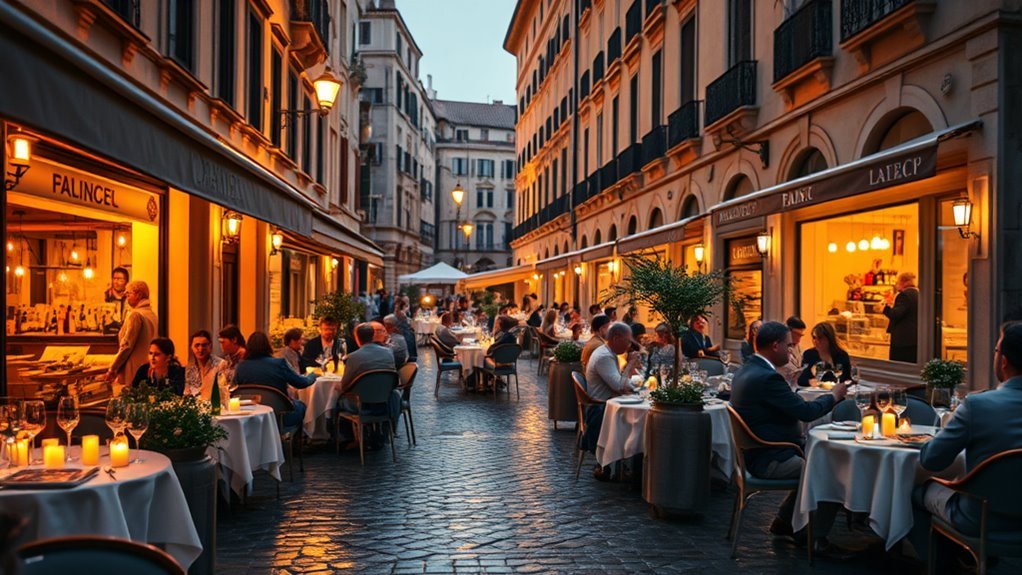
These are editorial favorites rather than an objective ranking from first to twentieth. The selection balances internationally recognized dining rooms with family-run restaurants, historic institutions, casual pizzerias, and places where the setting adds something meaningful to the meal.
You can experience modern Italian fine dining in Modena, Milan, and Orta San Giulio, then switch to Roman osteria cooking, Florentine market food, Neapolitan pizza, Ligurian seafood, and Palermo street-food traditions. That range gives you a more complete view of Italian dining than a list made entirely from luxury restaurants.
A great restaurant in Italy should help you understand its location, whether that story comes through lake fish, handmade pasta, pizza, local vegetables, seafood, historic recipes, or a modern tasting menu.
How I Chose These Restaurants
I selected the core 20 by reviewing current official restaurant information, regional tourism resources, major restaurant guides, and the historical importance of each venue. I also looked for geographic variety and different dining formats so the list would remain useful to more than one type of traveler.
Personal Travel Biases
This guide favors restaurants with a clear regional identity. It gives extra weight to places that specialize in local food, maintain a long family history, or provide an experience that would be difficult to reproduce elsewhere.
- Regional relevance: The food should make sense in its city, coast, lake, or countryside.
- Distinct purpose: Each core pick should offer a clear reason to visit.
- Range: The list should include formal dining, trattorias, pizzerias, seafood restaurants, and historic casual food.
- Verifiability: Locations and major claims should be supported by current official or authoritative information.
Local, Family-Run Spots
Family-run restaurants can preserve recipes, relationships with local suppliers, and a style of hospitality that develops over decades. Examples in this guide include Osteria A Cantina de Mananan, Trattoria del Cimino, Osteria Bonelli, Maria Grazia, and several historic pizzerias.
Family ownership alone does not guarantee a great meal, so it is considered alongside current operation, regional focus, menu identity, and the overall reason to visit.
Regional Food Traditions
Italian cooking changes greatly by region. Piedmont is known for truffles, filled pasta, risotto, and rich meat dishes. Liguria is associated with pesto, focaccia, anchovies, and seafood. Emilia-Romagna is famous for filled pasta, ragù, cured meat, and aged cheese. Rome is known for dishes such as carbonara, gricia, amatriciana, artichokes, and oxtail.
Campania adds Neapolitan pizza, seafood, mozzarella, and pasta dishes such as spaghetti alla Nerano. Sicily brings arancine, sfincione, pane câ meusa, eggplant, seafood, citrus, and layered Arab, Mediterranean, and Norman influences.
20 Best Restaurants in Italy at a Glance
| # | Restaurant | Location | Best For |
|---|---|---|---|
| 1 | Osteria Francescana | Modena | Modern Italian fine dining |
| 2 | Villa Crespi | Orta San Giulio | Three-star destination dining |
| 3 | Ristorante Imbarcadero | Pella, Lake Orta | Lake views and fish dishes |
| 4 | Enrico Bartolini al MUDEC | Milan | Contemporary tasting menus |
| 5 | Nerino Dieci | Milan | Approachable Milan dining |
| 6 | Enoteca Dau Cila | Riomaggiore | Seafood near the water |
| 7 | Osteria A Cantina de Mananan | Corniglia | Small family-run osteria |
| 8 | La Chiglia | Porto Venere | Ligurian seafood and pesto |
| 9 | Buca Lapi | Florence | Historic Tuscan cooking |
| 10 | Trattoria da Rocco | Florence | Market lunch and value |
| 11 | Trattoria Dona Onesta | Venice | Canal-side Venetian dining |
| 12 | Osteria Bonelli | Rome | Roman osteria classics |
| 13 | Trattoria del Cimino dal 1895 | Caprarola | Historic small-town Lazio food |
| 14 | L’Antica Pizzeria da Michele | Naples | Historic Neapolitan pizza |
| 15 | Gino Sorbillo Antica Pizzeria | Naples | Classic pizza on Via dei Tribunali |
| 16 | Maria Grazia | Nerano | Spaghetti alla Nerano |
| 17 | Da Adolfo | Positano | Beachside seafood lunch |
| 18 | La Lampara | Procida | Island seafood and marina views |
| 19 | Antica Focacceria San Francesco | Palermo | Historic Sicilian street food |
| 20 | Osteria Pane e Alivi | Palermo | Sit-down Sicilian cooking |
Note: Restaurant menus, opening days, branches, and booking systems can change. Confirm the exact location and current schedule on the restaurant’s official website before making a special trip.
Piemonte’s Best Restaurants by Lake Orta
Lake Orta gives you two very different dining choices. Villa Crespi in Orta San Giulio is the destination for a formal three-Michelin-star experience led by chef Antonino Cannavacciuolo. Across the lake in Pella, Ristorante Imbarcadero offers a more relaxed meal beside the water.
Villa Crespi suits anniversaries, major celebrations, and travelers who want a complete tasting-menu experience. Imbarcadero is better when the lake view, an à la carte menu, and a wider choice of fish and meat dishes matter more than formal ceremony.
Lakeside Seafood Views
Ristorante Imbarcadero sits on Lake Orta’s western shore and faces the lake, the island of San Giulio, and Orta San Giulio. Its menu distinguishes between freshwater lake fish and sea fish supplied separately. Current examples may include perch, pike-perch, risotto, meat, cheese, vegetables, and seafood dishes, but the exact selection can change.
For another lake-region option, Osteria Mercato in Stresa provides access to Lake Maggiore rather than Lake Orta. It can work as an additional stop when your northern Italy route includes both lakes.
Family-Style Menu Highlights
Imbarcadero is not limited to a fixed family-style format. You can still create a shared meal by ordering several dishes for the table, especially when dining with a group.
| Course | What to Look For | Why Order It |
|---|---|---|
| Starter | Seasonal fish, meat, or vegetable antipasti | Lets the table sample more than one flavor |
| Pasta or risotto | Risotto, tagliatelle, gnocchi, or another seasonal first course | Shows the kitchen’s northern Italian side |
| Main | Lake fish, sea fish, or regional meat | Provides a clear centerpiece for the meal |
| Cheese | Piedmont and nearby northern Italian cheeses | Adds a strong regional finish before dessert |
| Dessert | Bonet or the current house dessert | Ends the meal with a local or seasonal note |
Lombardia’s Most Loved Family Tables
Lombardy ranges from Milan’s modern dining rooms to informal neighborhood restaurants. The strongest core choices in this guide are Enrico Bartolini al MUDEC for a major tasting-menu meal and Nerino Dieci for a more relaxed restaurant experience.
Other names that appear in Milan dining discussions include I Caminetti del Sempione, Da Giuliano, Sotto Sotto, Pizzium, and Trattoria Valverde. They serve different purposes, from pizza and quick meals to fuller sit-down dinners, so compare their current locations and menus rather than treating them as interchangeable.
Lombard cooking is broader than truffle pasta. Depending on the area and season, you may encounter risotto, filled pasta, polenta, lake fish, veal, braised meat, cheese, and dishes influenced by the Alpine north.
Milan Restaurants Worth the Hype
Enrico Bartolini al MUDEC is the most ambitious Milan choice in the core list. It suits travelers prepared for a formal tasting menu, a substantial budget, and a meal planned as the main event of the day.
Nerino Dieci offers a more accessible alternative, with Italian dishes served in a central Milan setting. Reserve ahead during busy periods because its appeal extends beyond fine-dining travelers.
For a quick contrast, La Ravioleria Sarpi serves Chinese-style dumplings in Milan’s Chinatown using a small counter-service format. It is not a traditional Italian restaurant, but it reflects Milan’s multicultural food scene and works well as a casual stop.
Pizzium is useful when you want pizza rather than a long dinner. Da Giuliano is another casual name associated with pizza by the slice. I Caminetti del Sempione and Sotto Sotto fit a fuller evening meal, while their exact dishes and service style should be checked against current menus.
Best Restaurants in the Italian Alps
The Italian Alps cover several regions, so there is no single Alpine cuisine. In mountain areas of Piedmont, Lombardy, Trentino-Alto Adige, Veneto, Friuli-Venezia Giulia, and Valle d’Aosta, you may find polenta, dumplings, filled pasta, game, cured meat, cheese, mushrooms, potatoes, and slow-cooked stews.
Rather than choosing only by online fame, look for restaurants that identify their producers and explain which dishes belong to the immediate valley. Towns such as Cogne can be useful bases for traditional Valle d’Aosta food, while other small destinations may have limited opening days outside ski and summer seasons.
Alpine Comfort Classics
After hiking or a cold day outdoors, Alpine dishes are usually built for warmth. Cheese, polenta, broth, meat, mushrooms, and potatoes appear often, but modern restaurants may also provide vegetable-focused plates and lighter seasonal menus.
- Ask which cheese or cured meat comes from the surrounding area.
- Choose a regional pasta, dumpling, soup, or polenta dish before defaulting to a generic menu item.
- Check whether the restaurant closes between seasons.
- Reserve transport as carefully as the table when the restaurant is outside a town center.
Cheese, Meat, and Tradition
Alpine menus often make the most sense when you share several courses. A plate of local cheese or cured meat can be followed by polenta, a filled pasta, a stew, game, or a seasonal vegetable dish.
Vegetarian options vary rather than being universally limited. Contact the restaurant before booking when you need a fully vegetarian, vegan, gluten-free, or allergy-aware meal, especially at small venues with short daily menus.
Liguria’s Best Seafood Restaurants
Liguria’s narrow coastline connects seafood with basil, olive oil, pine nuts, focaccia, handmade pasta, and vegetables. La Chiglia in Porto Venere is the core recommendation for travelers who want Ligurian dishes close to the water.
Look for trofie or trenette with pesto, anchovies, mussels, octopus, local fish, stuffed vegetables, focaccia, and seasonal pasta. The day’s seafood selection may depend on supply, so a shorter changing menu can be a positive sign.
- Ask about the catch or seafood available that day.
- Do not skip pesto simply because you are visiting the coast.
- Try a local white wine when it fits your budget and preferences.
- Reserve outdoor tables early during summer and holiday weekends.
Cinque Terre Restaurants With a View
Enoteca Dau Cila in Riomaggiore serves Mediterranean seafood and meat dishes close to the sea. Its value comes from the combination of location, regional ingredients, and a polished setting. It should not be described as Michelin-rated without current confirmation from the Michelin Guide.
Osteria A Cantina de Mananan in Corniglia offers a different experience. It is a small, family-run osteria, so seating is limited and advance booking is sensible.
Ristorante La Torre in Manarola and Ristorante Il Porticciolo in Monterosso are additional names travelers may encounter when researching coastal views. Similar restaurant names exist in tourist areas, so confirm the full address and current website before reserving.
Pro Tip: In Cinque Terre, choose your village and transport plan before choosing a late dinner. Train frequency, steep paths, crowds, and accommodation location can matter more than the small difference between two scenic tables.
Emilia-Romagna’s Best Food Stops
Osteria Francescana in Modena is the region’s destination restaurant in this list. Its modern approach reworks Italian memories and Emilia-Romagna ingredients through highly structured tasting menus.
The restaurant was voted number one in The World’s 50 Best Restaurants in 2016 and 2018. That is a historical achievement rather than proof that it holds a permanent current number-one position.
Bologna offers the opposite end of the spectrum: markets, coffee bars, pasta specialists, bakeries, and neighborhood trattorias. A strong regional itinerary can include both a major Modena reservation and simpler Bologna meals.
Bologna’s Iconic Food Stops
Bologna is known for tagliatelle al ragù, tortellini, tortelloni, mortadella, lasagne, crescentine, cured meats, cheese, and rich broths. The city rewards travelers who leave space for small tastings rather than scheduling only full restaurant meals.
- Mercato di Mezzo: Browse several food counters in the historic center.
- Caffè Terzi: Consider it for a focused coffee stop rather than a complete regional meal.
- Polpette e Crescentine: Look for casual dishes built around meatballs and crescentine.
- Traditional trattorias: Order a regional pasta and ask which dish is made in-house that day.
Affordable Local Favorites
Casual counters, lunch menus, markets, and neighborhood osterias are generally more useful for value than restaurants beside the city’s busiest landmarks. Osteria di via Serra is another Bologna name worth considering when you want handmade pasta and a more traditional sit-down setting.
Trattoria da Rocco should not be included in a Bologna list. It is inside Mercato di Sant’Ambrogio in Florence.
Bologna’s Best Restaurants for Everyday Eating
For everyday eating, build your day around one substantial pasta meal and several smaller stops. Begin with coffee, visit a market, and choose a trattoria for tagliatelle, tortellini, or another local specialty.
- Caffè Terzi: Best treated as a coffee stop.
- Polpette e Crescentine: A casual option when you want something less formal than a long trattoria meal.
- Mercato di Mezzo: Useful for groups whose members want different foods.
- Osteria di via Serra: Better suited to a planned sit-down meal.
Confirm opening days, because traditional restaurants may close one or two days each week and may not serve continuously between lunch and dinner.
Tuscany’s Best Restaurants for Classic Flavors
Buca Lapi is the core Tuscan choice for a historic Florence dinner. It dates to 1880 and operates in the cellars of Palazzo Antinori. Look for Tuscan starters, pasta, soups, roasted meat, and bistecca alla Fiorentina.
Trattoria da Rocco offers a more casual contrast inside Florence’s Mercato di Sant’Ambrogio. It is especially useful for a straightforward market lunch rather than a formal evening.
Other original shortlist names include Trattoria Cosimo de’ Medici in the Barberino area, Vinaino Cicalone, and All’Antico Vinaio. They serve different needs, including steak, pasta, wine-bar food, and filled sandwiches, so choose according to the meal rather than treating them as direct substitutes.
Florence Restaurants You’ll Actually Want to Book
Book Buca Lapi when you want a historic Tuscan dinner and are prepared to spend more time and money on the meal. Use Trattoria da Rocco for a simpler lunch inside Mercato di Sant’Ambrogio.
Olio & Convivium near the Pitti Palace, Giglio Rosso, Pasta e Vino, and Trattoria Da Marco Valla Fava are additional Florence names from the broader shortlist. Check each current menu before choosing, especially when seafood, handmade pasta, or a particular price level matters.
Florence works best when you mix one reserved restaurant with markets, bakeries, wine bars, and a casual sandwich or pasta stop.
Lazio’s Best Restaurants in Rome
Osteria Bonelli is the core Rome recommendation for a lively, traditional osteria meal. It is in Torpignattara, not Testaccio, and its menu changes regularly according to season and the kitchen’s daily choices.
Look for Roman pasta, fried starters, offal when available, slow-cooked meat, vegetables, and traditional desserts. The exact blackboard menu may change, so arrive ready to choose from what is being prepared that day.
Est Artigiani del Gusto, Hostaria Lo Sgobbone, Al Ceppo, and Sciascia Caffè add further options for a Rome itinerary. Sciascia is mainly useful as a coffee stop, while the others suit fuller meals.
Rome’s Best Family-Run Trattorias
Rome’s family-style dining culture is easier to appreciate outside the most crowded streets around major landmarks. Osteria Bonelli provides a strong neighborhood example with a changing menu and an informal atmosphere.
Hostaria Lo Sgobbone and La Fraschetta da Sandro are additional traditional names to research for Roman dishes and local wine. Avoid assuming that every old-looking restaurant is family-run or historic. Check the restaurant’s own background rather than relying on décor.
For a day trip north of Rome, Trattoria del Cimino dal 1895 in Caprarola offers a clear historical identity. The restaurant traces its history to 1895 and operates in a medieval building associated with the town’s older center.
Campania’s Best Restaurants for Pizza and Seafood
Campania provides five core choices in this guide: L’Antica Pizzeria da Michele and Gino Sorbillo in Naples, Maria Grazia in Nerano, Da Adolfo in Positano, and La Lampara on Procida.
Together, they cover traditional pizza, a famous regional pasta, beachside seafood, and island cooking. They also require different planning. Naples pizzerias may involve queues, while coastal restaurants can depend on boats, weather, seasonal schedules, or advance reservations.
Pizza by the Sea
Not every coastal meal needs to be seafood. La Brace in Praiano is an additional name associated with pizza and a coastal setting. In Sorrento, Da Emilia offers an informal waterfront option, though its current menu and opening schedule should be confirmed directly.
For the strongest pizza-focused experience, travel into Naples for Da Michele or Sorbillo. The historic Naples branch of Da Michele is known for a deliberately short pizza menu and a high-volume, no-frills format.
Coastal Seafood Favorites
Da Adolfo combines a beach setting near Positano with seafood and a casual daytime atmosphere. Access and reservations can be part of the experience, so confirm current transport instructions before going.
La Lampara overlooks Marina Corricella on Procida and focuses on island and Mediterranean seafood. Current specialties may include sea urchin, tuna, pasta, and locally supplied fish rather than the unsupported shrimp-and-ricotta ravioli previously associated with it.
Mama Agata’s in Ravello is better understood as a cooking experience than as a standard restaurant reservation. Choose it when learning and participating matter as much as sitting down for a conventional meal.
Local Flavors, Fresh Catch
Maria Grazia in Nerano is closely associated with spaghetti alla Nerano. The restaurant credits Donna Rosa with creating the zucchini-based pasta there in 1952.
- Order spaghetti alla Nerano when visiting Maria Grazia.
- Ask about the current fish and seafood at Da Adolfo or La Lampara.
- Choose Naples for a pizza-centered day.
- Check boat, ferry, and road logistics before reserving coastal restaurants.
Naples Restaurants for the Real Deal
L’Antica Pizzeria da Michele is the historic, stripped-back choice. Its Naples branch dates its history to 1870 and keeps the focus on a very small pizza selection.
Gino Sorbillo Antica Pizzeria on Via dei Tribunali provides another famous version of Neapolitan pizza. Expect crowds and plan flexibility around the wait.
Beyond pizza, Naples offers fried street food, sfogliatella, pasta, coffee, and seafood. Il Miracolo dei Pesci is a name to consider for fish, while Trattoria Nennella is known for a louder, more theatrical trattoria atmosphere. Gran Caffè Gambrinus works best as a historic coffee and pastry stop rather than a substitute for a complete regional dinner.
Sicily’s Best Restaurants in Palermo
Antica Focacceria San Francesco began in Palermo in 1834. It is a useful place to explore the overlap between Sicilian street food, bakery items, and sit-down restaurant dishes. Pane câ meusa is one of its defining Palermo specialties.
Osteria Pane e Alivi provides a more conventional sit-down meal and a chance to explore Sicilian pasta, seafood, meat, vegetables, and seasonal ingredients.
Visit Vucciria and Ballarò for market context, but remember that markets are not single restaurants. Food quality and opening patterns can vary between individual vendors.
CiCala and Osteria Mangia e Bevi are additional Palermo names from the wider shortlist. Compare their current menus with your planned market stops so you do not repeat the same pizza or pasta experience several times.
Hidden Gem Restaurants in Small Towns
Small-town dining can provide the clearest connection between restaurant and location. Trattoria del Cimino in Caprarola combines regional Lazio and Tuscia cooking with a verified family history dating to 1895.
Ristorante Imbarcadero in Pella is useful when you want a quiet Lake Orta setting away from a large city. La Lampara provides a similar destination quality on Procida, while Osteria Mercato in Stresa can complement a Lake Maggiore trip.
Places such as Cogne and smaller communities around Barbasso can reward travelers who search locally, but the restaurant name, opening season, and transport should be confirmed before making a detour. In rural areas, a highly rated restaurant may open only for selected lunches or dinners.
What to Order at These Restaurants
Use regional specialties to narrow the menu, but do not insist on a dish that is out of season or unavailable. Ask for the restaurant’s current specialty when the menu changes daily.
| Region | Dishes to Consider | Relevant Core Picks |
|---|---|---|
| Piedmont | Risotto, filled pasta, lake fish, truffles in season, bonet | Villa Crespi, Imbarcadero |
| Lombardy | Risotto, filled pasta, polenta, veal, seasonal tasting dishes | Enrico Bartolini al MUDEC, Nerino Dieci |
| Liguria | Trofie or trenette with pesto, anchovies, mussels, focaccia, local fish | Dau Cila, Mananan, La Chiglia |
| Emilia-Romagna | Tortellini, tagliatelle al ragù, mortadella, Parmigiano Reggiano | Osteria Francescana |
| Tuscany | Ribollita, pappa al pomodoro, crostini, bistecca, pici | Buca Lapi, Trattoria da Rocco |
| Veneto | Cicchetti, risotto, polenta, lagoon seafood, sarde in saor | Trattoria Dona Onesta |
| Lazio | Carbonara, gricia, amatriciana, artichokes, oxtail, local meat | Osteria Bonelli, Trattoria del Cimino |
| Campania | Neapolitan pizza, spaghetti alla Nerano, seafood, fried street food | Da Michele, Sorbillo, Maria Grazia, Da Adolfo, La Lampara |
| Sicily | Arancine, sfincione, pane câ meusa, Pasta alla Norma, seafood | Antica Focacceria, Osteria Pane e Alivi |
How to Plan Restaurant Reservations in Italy
Book Destination Restaurants First
Reserve your hardest table before filling the rest of the itinerary. Restaurants such as Osteria Francescana, Villa Crespi, and Enrico Bartolini al MUDEC can require advance planning. Small restaurants such as Mananan may also fill quickly because they have fewer seats.
For informal pizzerias, markets, and coffee stops, flexibility may be more useful than a strict schedule. Long queues can form at famous Naples pizzerias even when the dining format is casual.
Check Seasonal Closures and Transport
Coastal, island, and mountain restaurants may change their schedules outside peak season. Verify the restaurant’s opening day again shortly before your visit.
For Da Adolfo, La Lampara, Cinque Terre restaurants, and rural venues, check the return journey as well as the reservation. Boats, ferries, trains, road traffic, and late-night transport can affect whether the meal fits your itinerary.
Match the Restaurant to Your Budget
A tasting-menu restaurant, neighborhood osteria, pizza shop, market counter, and beach restaurant cannot be compared only by food quality. They provide different amounts of service, time, privacy, and ceremony.
- Fine dining: Allow several hours and review the current menu and cancellation policy.
- Trattoria or osteria: Expect regional dishes, a more informal room, and menus that may change daily.
- Pizzeria: Expect a shorter meal, possible queues, and less control over seating time.
- Market or street food: Best for variety and flexible spending, but seating may be limited.
- Scenic coastal restaurant: Consider transport and location costs in addition to the menu.
Allergies and Dietary Needs
EU rules require allergen information to be available for non-prepacked food served in restaurants and cafés. However, you should still explain a serious allergy clearly when reserving and again when ordering.
Warning: A menu symbol or verbal assurance does not automatically remove cross-contact risk. Contact the restaurant before booking when a severe allergy requires separate preparation, equipment, or cooking oil.
Vegetarian dishes are common in many regions, but traditional menus may use meat stock, anchovies, cheese made with animal rennet, or seafood in sauces. Vegan and strict gluten-free travelers should ask specific questions rather than relying only on the dish name.
Coperto, Tipping, and Leftovers
Check the menu for a coperto, service charge, bread charge, or other listed fee. A coperto is separate from an optional tip. Tipping practices vary, so review the bill first and leave an additional amount only when you choose to.
It is not automatically rude to leave food or ask to take leftovers. Italian hospitality groups have promoted the “Rimpiattino,” an Italian version of the takeaway container, as a way to reduce restaurant food waste. Ask politely if you would like to take suitable food with you.
My Final Favorite Restaurants in Italy
The best choice depends on the trip you are planning. These are the strongest starting points by dining style:
- Best destination meal: Osteria Francescana, Villa Crespi, or Enrico Bartolini al MUDEC.
- Best historic Tuscan experience: Buca Lapi.
- Best simple market lunch: Trattoria da Rocco.
- Best Roman neighborhood meal: Osteria Bonelli.
- Best historic small-town stop: Trattoria del Cimino.
- Best pizza pilgrimage: L’Antica Pizzeria da Michele or Gino Sorbillo.
- Best regional pasta destination: Maria Grazia for spaghetti alla Nerano.
- Best coastal setting: Da Adolfo, La Lampara, Dau Cila, or La Chiglia.
- Best historic Palermo food stop: Antica Focacceria San Francesco.
Ristorante Imbarcadero is the most flexible Lake Orta choice, while Trattoria Dona Onesta adds a canal-side Venice option. Together, the 20 core restaurants cover a much wider picture of Italian dining than a ranking based only on stars or luxury.
Frequently Asked Questions
What Is the Best Restaurant in the World in Italy?
There is no permanent, objective answer. Osteria Francescana in Modena was voted number one in The World’s 50 Best Restaurants in 2016 and 2018 and remains one of Italy’s most recognized restaurants. Italy also has several three-Michelin-star restaurants, including Villa Crespi and Enrico Bartolini al MUDEC. Use the current year’s guide rather than assuming a past winner remains number one.
What Is Taylor Swift’s Favorite Italian Restaurant?
There is no reliable current source that identifies one restaurant in Italy as Taylor Swift’s definitive favorite. Da Silvano is sometimes named in older celebrity articles, but it was in New York City, not Italy, and closed in December 2016. It should not be used as a current restaurant recommendation.
What Time Do Most People Wake Up in Italy?
Wake-up time is not especially useful for planning restaurants because work, school, city, and family routines vary. For dining, pay attention to the restaurant’s posted service hours. Many traditional restaurants close between lunch and dinner, and dinner service may begin later than some international visitors expect.
Is It Rude Not to Finish Your Plate in Italy?
No. Leaving a small amount of food is not automatically rude, though wasting a large portion may feel uncomfortable in a small family-run restaurant. Order gradually when portions are unclear. You can also ask politely whether suitable leftovers can be packed to take away.
How Far Ahead Should I Book Popular Restaurants in Italy?
Book destination tasting-menu restaurants as soon as your travel dates are firm. Small Cinque Terre, island, and family-run restaurants may also need early reservations because they have limited seating. Casual pizzerias and market counters often require flexibility rather than long-term booking.
Do I Need to Eat at a Michelin-Starred Restaurant?
No. Michelin-starred restaurants can provide exceptional technique, service, and creativity, but pizza, markets, family trattorias, and regional osterias may create equally important travel memories. A balanced itinerary usually includes more than one dining style.
Should I Tip at Restaurants in Italy?
Check the bill and menu for listed cover or service charges first. An additional tip is generally a personal choice rather than a fixed percentage requirement. You may round up or leave a modest extra amount when the service has been especially helpful.
Conclusion
The best restaurants in Italy are spread across very different dining traditions. A three-star restaurant in Modena, a Florence market trattoria, a crowded Naples pizzeria, and a seafood terrace on Procida cannot be judged by the same standard.
Start with the exact 20-restaurant list, choose the places that fit your route and budget, and confirm current opening information before traveling. When possible, combine one planned destination meal with informal local food. That mix will give you a fuller and more memorable view of Italy’s regional cooking.
Sources
- MICHELIN Guide Italy 2026 — current Michelin-star context for Italian restaurants.
- The World’s 50 Best Restaurants: Osteria Francescana — verifies its 2016 and 2018 number-one finishes.
- Vetrina Toscana: Trattoria da Rocco — verifies its Florence location inside Mercato di Sant’Ambrogio.
- Visit Riomaggiore: Dau Cila — supports its Riomaggiore setting and Mediterranean menu.
- European Commission: Food Allergies — explains allergen-information requirements for restaurants and other non-prepacked food.
- FIPE and Comieco: Rimpiattino — supports the guidance about politely requesting restaurant leftovers.

