Last Updated on August 26, 2026 by Daniel Globe
Italy in October gives you a rewarding mix of mild autumn weather, harvest-season food, colorful countryside, major cultural events, and generally lighter crowds than midsummer. Rome, Florence, Venice, Tuscany, Piedmont, Bologna, and Sicily can all work well, but conditions differ sharply by region and from early to late October. Pack layers and rain protection, check event dates, and reserve the attractions that use limited or timed entry.
Quick Answer
October is one of Italy’s strongest shoulder-season months for city sightseeing, autumn scenery, truffles, wine country, and food festivals. Expect cooler and wetter conditions in the north, comfortable sightseeing weather in much of central Italy, and the best chance of lingering warmth in the south. Major events can still create busy weekends.
Key Takeaways
- Early October is usually warmer and better for coastal stops, while late October brings cooler evenings, shorter daylight, and stronger autumn color.
- October weather varies widely: northern Italy is cooler and often wetter than Rome, while Sicily can still have pleasant days in the 70s°F.
- Confirmed 2026 highlights include Mortadella Please, the Alba White Truffle Fair, Rome Film Fest, the Venice Marathon, and Lucca Comics & Games.
- Book limited-capacity sights such as the Colosseum and Leonardo’s Last Supper according to their official reservation windows.
- Bring layers, comfortable walking shoes, and reliable rain protection rather than packing for one fixed temperature.
Disclosure: As an Amazon Associate I earn from qualifying purchases. Some links on this page are affiliate links, at no extra cost to you.
What to Expect in Italy in October
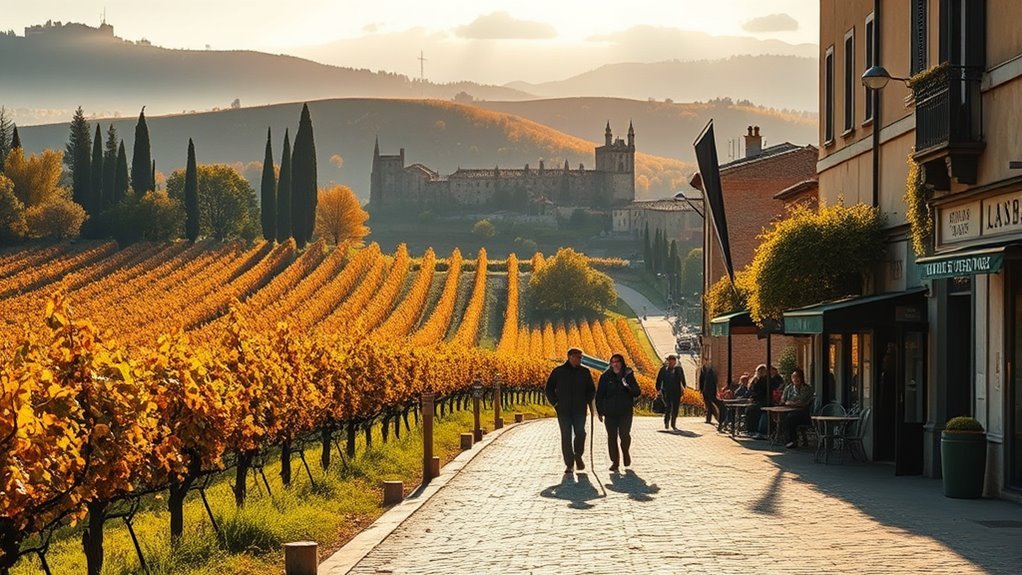
October sits between Italy’s hot summer season and the colder, darker part of late autumn. For many travelers, that means more comfortable walking weather, harvest-season menus, changing leaves, and less pressure than July or August. Italy’s official tourism portal also highlights autumn as a season for vineyards, countryside trips, regional food, and outdoor experiences.
You should not expect the same conditions everywhere. Northern cities and alpine areas can feel distinctly cool, especially at night. Rome and much of central Italy are usually comfortable for sightseeing, while Sicily and parts of the far south often stay warmer. Rain is possible throughout the country, and October can be a relatively wet month in several regions.
Cultural life also picks up. In 2026, the Rome Film Fest runs October 14–25, while harvest and food events take place across Piedmont, Tuscany, Emilia-Romagna, Veneto, and other regions.
Note: October climate averages are useful for packing, but they are not forecasts. Check the local forecast several days before each stop, especially if you are hiking, driving in mountain areas, or planning a beach day.
Italy in October Weather by Region
Italy stretches from the Alps to islands much closer to North Africa, so a single nationwide temperature or rainfall figure is not useful. Italy’s ISPRA climate normals show substantial geographic differences.
| Area | Typical October Feel | Packing Priority |
| Northern lowlands: Milan, Bologna, Verona | Cool mornings and evenings; many afternoons in roughly the upper 50s to upper 60s°F; rain and fog are possible. | Sweater, light-to-medium jacket, rain shell, closed shoes. |
| Alps and Dolomites | Much cooler, especially at elevation. Frost, cold rain, and even early snow are possible on high routes. | Warm layers and mountain-appropriate gear. |
| Central Italy: Rome, Florence, Tuscany, Umbria | Often mild by day, with many afternoons around the upper 60s to low or mid-70s°F and cooler nights. | Light layers, jacket, umbrella or rain shell. |
| Southern Italy and Sicily | Generally the warmest option. Palermo’s long-term October climate averages are about 23.5°C/74°F by day and 16.7°C/62°F at night. | Light clothes plus a sweater and rain layer. |
For comparison, Rome’s representative October climate is closer to the low 70s°F by day than the 77°F previously stated. Temperatures also trend downward as October progresses, so a trip beginning October 2 can feel noticeably different from one beginning October 27.
Early October vs. Late October
- Early October: Better chance of warm afternoons, outdoor dining, coastal weather, and lighter clothing.
- Mid-October: Excellent for city-and-countryside combinations, but major events can increase demand in individual destinations.
- Late October: Cooler evenings, more pronounced autumn color in many inland and northern areas, and noticeably shorter daylight.
One especially useful 2026 detail: European summer time ends on Sunday, October 25, 2026. Clocks move back one hour, so sunset arrives earlier after that weekend. The date is set in the European Union summer-time schedule.
How Crowded Italy Gets in October
Italy in October generally feels less intense than midsummer, but October is no longer an empty low season in Rome, Florence, Venice, or other famous destinations. Popular museums, landmark attractions, weekend trains, and well-known restaurants can still be busy.
- Early October can remain active in major cities and warmer coastal areas.
- Food festivals can create very high local demand in small towns where accommodation is limited.
- Rome Film Fest runs from October 14–25, 2026, so there is no reliable rule that “midmonth is always quiet.”
- The Venice Marathon on October 25 affects parts of Venice and the surrounding route.
- Lucca Comics & Games runs October 28–November 1, bringing a major surge of visitors to Lucca.
- All Saints’ Day is November 1, but adjoining school closures and local calendars vary, so do not assume a single nationwide “All Saints’ Break.”
If your priority is lower crowds, focus less on choosing a supposedly quiet week and more on weekday sightseeing, early entry times, smaller towns, and avoiding major event dates.
Pros and Cons of Visiting Italy in October
| Advantages | Trade-Offs |
| More comfortable sightseeing temperatures than midsummer | Rain can disrupt hikes and outdoor itineraries |
| Harvest food, truffles, mushrooms, chestnuts, grapes, and seasonal menus | Not every vineyard is actively harvesting throughout October |
| Good autumn scenery in Tuscany, Umbria, Piedmont, and mountain regions | High-altitude weather can become cold quickly |
| Generally lighter crowds than peak summer | Major cities and festival weekends can still be crowded |
| Southern Italy can remain pleasantly warm | Beach weather and swimming are never guaranteed |
Best Places to Visit in Italy in October
Tuscany is a natural October choice for vineyard landscapes, hill towns, seasonal food, and autumn color. Rome and Florence work especially well for travelers who want art and historic sites without midsummer heat. Piedmont becomes one of Italy’s strongest food destinations during white-truffle season, while Sicily is a smart choice if warmer weather matters most.
Tuscany Wine Harvest
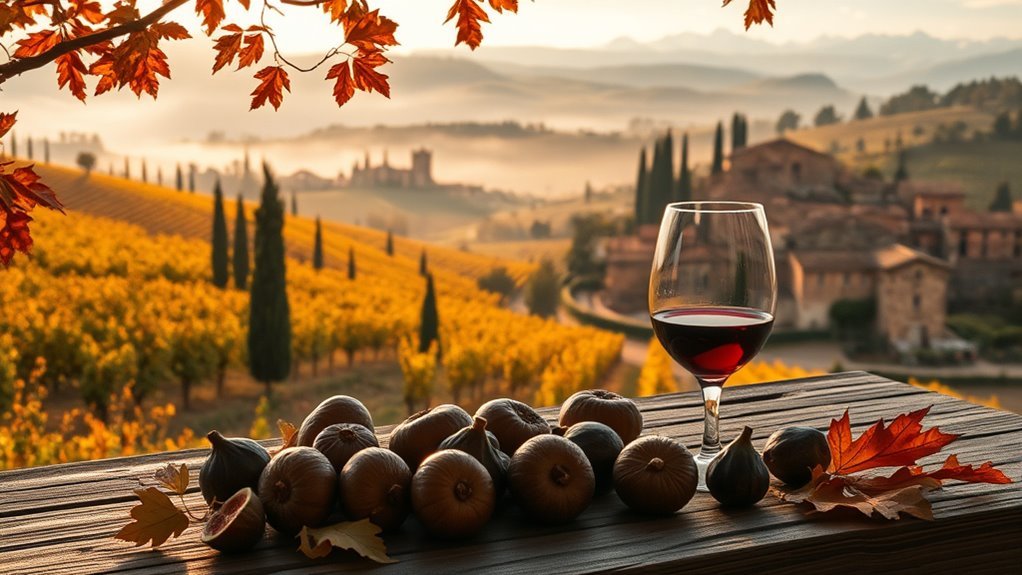
October can overlap with the vendemmia, or grape harvest, but timing is not identical from one winery or grape variety to another. Some Tuscan grapes are harvested in September, while others may continue into October depending on altitude, local weather, ripeness, and the vintage.
- Book a winery visit that specifically confirms an October harvest or cellar experience.
- Taste Sangiovese-based wines in Chianti Classico and other Tuscan appellations.
- Pair tastings with autumn dishes featuring mushrooms, chestnuts, game, or truffles where locally available.
- Walk or cycle through vineyard landscapes when weather and trail conditions are suitable.
Do not assume a standard winery tour includes grape picking. Harvest is a working agricultural period, and visitor access varies from estate to estate.
Pro Tip: If seeing an active harvest matters to you, contact the winery before booking and ask whether harvesting is expected during your exact dates. Weather can move the schedule forward or backward.
Autumn Cities And Coasts
Rome is excellent for archaeological sites, neighborhoods, food walks, and museums in cooler temperatures. Florence combines Renaissance art with easy access to Tuscany. Venice can feel more atmospheric in autumn, though major events still create crowd spikes.
Sicily is one of the best choices for travelers chasing warmer days. Palermo, Siracusa, the southeast, and areas around Mount Etna combine archaeological sites, food, wineries, and coastal scenery.
Cinque Terre can be cooler and more comfortable for hiking than summer, but autumn rain matters. Always check the Cinque Terre National Park trail-status page before setting out because individual paths may close after weather alerts or for safety inspections.
Warning: Do not treat an October coastal hike as an all-weather activity. Wet stone, steep paths, thunderstorms, and temporary trail closures can make a route unsafe even when temperatures feel comfortable.
Best Destinations by Trip Style
- First trip to Italy: Rome + Florence + Venice.
- Food and wine: Piedmont + Bologna/Emilia-Romagna + Tuscany.
- Warmest weather: Sicily, Puglia, or southern Campania.
- Autumn scenery: Tuscany, Umbria, Piedmont, and lower-elevation areas of the Dolomites.
- Art and museums: Florence, Rome, Milan, Turin, and Venice.
- Slower road trip: Tuscany or Umbria, with careful attention to ZTL restricted-driving zones in historic centers.
Top Things to Do in Italy in October
Italy in October works particularly well when you combine indoor cultural sights with flexible outdoor plans. That way, a rainy afternoon does not ruin the trip.
- Explore historical sites such as the Colosseum, Roman Forum, Pompeii, and major cathedrals in cooler conditions.
- Follow scenic routes through Tuscany, Umbria, Piedmont, or Emilia-Romagna for vineyard visits and seasonal food.
- Visit local markets for mushrooms, chestnuts, pumpkins, cheeses, cured foods, and autumn produce.
- Join a truffle experience in Piedmont or another established truffle region with a qualified local guide.
- Build in museum days for Florence, Rome, Milan, Turin, Bologna, or Venice when rain arrives.
- Attend an October festival after confirming the official schedule for your exact year.
- Take an autumn hike only after checking local weather, daylight, and trail status.
October Festivals and Events in Italy
October’s food, film, running, religious, and pop-culture events can be highlights of a trip, but they also affect hotel availability and local transport. These are the most useful verified dates for October 2026.
| Event | 2026 Date | Where | What to Know |
| Feast of St. Francis | October 4 | Assisi and elsewhere | Religious observances are especially important in Assisi. |
| Mortadella Please | October 9–11 | Zola Predosa, Bologna province | Food festival with tastings, shows, and mortadella-focused activities. |
| International Alba White Truffle Fair | October 10–December 6 | Alba, Piedmont | Major truffle market, tastings, workshops, and food events. |
| Rome Film Fest | October 14–25 | Rome | Screenings and events centered on Auditorium Parco della Musica and other venues. |
| Venice Marathon | October 25 | Venice area | The official site reports 2026 participant entries sold out; visitors can still plan around race-day crowds and watch the event. |
| Lucca Comics & Games | October 28–November 1 | Lucca | A huge comics, games, animation, fantasy, and cosplay event; 2026 marks its 60th anniversary. |
Venice’s Festa del Mosto on Sant’Erasmo is another traditional October celebration involving local food, grape must, and island traditions. The City of Venice confirms the annual event tradition, but as of August 26, 2026, a definitive 2026 municipal event page was not available in the official calendar results reviewed. Check the City of Venice event calendar before building your itinerary around it.
Where to See Fall Colors in Italy
October foliage timing changes with altitude and weather, so there is no single nationwide peak date. Higher and cooler regions generally turn earlier, while lower and warmer landscapes can peak later.
- Tuscany: Chianti and Val d’Orcia mix vineyard color with cypress-lined roads and hill towns.
- Dolomites: Golden larches can be spectacular, but high-elevation weather changes quickly and some seasonal facilities may begin closing.
- Umbria: Olive groves, vineyards, wooded hills, Assisi, Spello, and Spoleto make an easy autumn road-trip combination.
- Piedmont: The Langhe pairs vineyard color with Barolo, Barbaresco, Alba, and white-truffle season.
- Gran Paradiso and alpine valleys: Beautiful for experienced autumn hikers who check weather and trail conditions first.
For photography, morning and late-afternoon light often gives vineyard and hill-town landscapes more texture. In late October, remember that daylight becomes shorter and Italy changes back to standard time on October 25, 2026.
What to Eat and Drink in October
October menus reflect the harvest: white truffles, mushrooms, chestnuts, pumpkin, walnuts, grapes, new olive oil in some areas, and hearty regional dishes. What is actually in season varies by region, which is part of the appeal.
Harvest Flavors
- Try white truffle dishes in Piedmont during Alba’s truffle season.
- Look for roasted chestnuts and chestnut-based dishes at autumn fairs.
- Order pumpkin-filled pasta in parts of northern Italy.
- Try porcini and other mushrooms only from reputable restaurants and markets.
- Pair regional cheeses and cured foods with locally produced wine.
- Ask wineries what is currently being harvested rather than assuming every estate is still picking grapes.
You may also hear about vino novello, Italy’s regulated young-wine style. Do not assume it will be available throughout early October; release timing and availability differ from ordinary newly fermented cellar wines.
Seasonal Desserts
October also brings sweets tied to nuts, chestnuts, pumpkin, and the approach of All Saints’ and All Souls’ traditions. Castagnaccio is a chestnut-flour cake associated especially with Tuscany and other regions. You may find pumpkin cakes and pastries, while pan dei morti becomes common in parts of northern Italy around the late-October and early-November holiday period.
Walnut cakes and other nut-based desserts also fit the autumn harvest. Rather than looking for one “national October dessert,” use local bakeries to see what that particular region makes at the time of your visit.
Wine Tastings
October is closely associated with vendemmia, but harvesting schedules vary. Tuscany is excellent for Sangiovese-based wines, while Piedmont gives you Barolo, Barbaresco, Barbera, and other Nebbiolo-focused experiences. Sicily offers a very different wine landscape, including vineyards on and around Mount Etna as well as Nero d’Avola-producing areas.
- Taste Chianti Classico and other Sangiovese-based wines in Tuscany.
- Pair Piedmont wines with truffle-season food around Alba and the Langhe.
- Explore Etna or other Sicilian wine areas if you are traveling south.
- Choose guided estate tastings when you want more explanation of grapes, vintages, and local food pairings.
What to Pack for Italy in October
Packing for Italy in October is about layers and rain flexibility. Your suitcase should work for a warm afternoon in Rome, a cool evening in Florence, and a wet day farther north.
- Breathable T-shirts or base layers
- Long-sleeve shirts
- One or two sweaters
- Light or medium-weight jacket
- Water-resistant or waterproof rain shell
- Compact umbrella
- Comfortable, already-broken-in walking shoes
- Long pants or jeans
- Sunglasses
- Small day bag
- Warmer layer if visiting mountains or northern Italy late in the month
- Swimsuit if visiting Sicily or another southern coastal area, while accepting that beach weather is not guaranteed
For churches and religious sites, carry clothing that allows you to meet local dress requirements. For hiking, replace fashion footwear with shoes that have appropriate grip.
Getting Around Italy in October
High-Speed vs. Regional Trains
High-speed trains are usually the easiest way to connect major cities such as Rome, Florence, Bologna, Milan, Naples, and Venice. Trenitalia Frecciarossa and Italo operate reserved-seat services on many of these routes.
Booking early is useful because it can give you a better choice of departure times and access to limited promotional fares. It does not mean every train becomes impossible to buy close to departure. Trenitalia’s flexible Base fare, for example, can be sold until departure when space is available. Check the official Trenitalia site and official Italo site.
Regional trains work differently. Many are designed for shorter journeys and do not involve choosing a reserved seat in the same way as high-speed services. Always follow the validation or check-in rules shown for the ticket type you purchase.
Driving in Italy
A rental car can be useful in Tuscany, Umbria, Piedmont, Sicily, and rural areas where rail service does not reach small villages easily. It is usually unnecessary inside Rome, Florence, Venice, or central Milan.
Italy’s official tourism portal warns drivers about ZTLs—restricted traffic zones found in many historic city centers. Entering one without authorization can result in fines. Non-EU drivers should also check whether they need an International Driving Permit or an accepted translation alongside their home license. See the official Italy travel information before driving.
Warning: Do not follow a navigation app blindly into an Italian historic center. A route can physically lead through an active ZTL even when your rental car is not authorized to enter it.
Sample 7-Day Italy in October Itinerary
- Day 1 — Rome: Historic center, Pantheon area, Trevi Fountain, neighborhood dinner.
- Day 2 — Rome: Colosseum, Roman Forum and Palatine Hill; reserve your Colosseum entry time in advance.
- Day 3 — Rome/Vatican: Vatican Museums and St. Peter’s area, then an evening train or next-morning departure for Florence.
- Day 4 — Florence: Uffizi, Duomo area, Oltrarno, and Tuscan food.
- Day 5 — Tuscany: Day trip to Siena, Chianti, or another hill-town/wine area.
- Day 6 — Bologna: Food markets, porticoes, historic center, and Emilia-Romagna specialties.
- Day 7 — Venice: St. Mark’s area, quieter neighborhoods, and an evening canal-side walk.
If warmer weather matters more than covering the classic first-trip route, replace Bologna and Venice with several days in Sicily. If food and wine are your main goal, replace Venice with Piedmont and Alba.
What to Book Early for Italy in October
October is not peak summer, but some of Italy’s most capacity-limited sights still need advance planning. The important point is to follow the official reservation rule for each attraction rather than assuming every famous museum works the same way.
Major Attractions
- Colosseum: A time-slot reservation is compulsory. For 2026, official ticket sales open 30 days before the visit date. Check Parco archeologico del Colosseo. From October 1–24, 2026, the site closes earlier than in summer, and closing time becomes earlier again from October 25.
- Vatican Museums: Use the official Vatican Museums website. The museum specifically warns visitors that its official ticket portal is tickets.museivaticani.va.
- Uffizi Gallery: Advance tickets are available from the official Uffizi Galleries site. Standard Uffizi admission can also be purchased on site subject to availability, while some products and areas have mandatory reservations.
- Leonardo’s Last Supper: Reservation is compulsory for every ticket type. The official Cenacolo Vinciano Museum states that visits last 15 minutes and current capacity is limited to 40 people per time slot.
High-Speed Trains
For Rome–Florence, Florence–Bologna, Bologna–Milan, Rome–Naples, and similar high-speed routes, advance booking is most useful when you have a fixed itinerary and want a specific departure or lower promotional fare.
If flexibility matters more than price, compare the fare conditions before buying. Discounted tickets can have tighter change or refund rules than flexible fares.
Pro Tip: Before paying a third-party booking fee, compare the same train directly on Trenitalia or Italo. The operator’s official site also makes fare-change and refund conditions easier to verify.
How Much Should You Budget for Italy in October?
October can be less expensive than the highest summer weeks, but there is no reliable nationwide “October discount.” Rome, Florence, Venice, Milan, Alba during truffle weekends, and Lucca during Comics & Games can still command high accommodation prices.
Your biggest variables are:
- Whether international airfare is included
- One traveler versus a couple or family
- Hotel class and neighborhood
- How many cities you visit
- High-speed train versus regional transport
- Paid guided tours
- Restaurant level
- Festival or event weekends
A slower trip with two or three bases is usually easier to control financially than changing cities every night. Book accommodation with a reasonable cancellation policy when your itinerary includes weather-dependent countryside or coastal activities.
Frequently Asked Questions
Is October a good month to travel in Italy?
Yes. October is particularly good for city sightseeing, food and wine travel, autumn countryside, museums, and generally lighter crowds than midsummer. The trade-off is less predictable weather, especially in northern Italy and later in the month.
Does it rain a lot in Italy in October?
October can be a wet month, but rainfall varies greatly by region and year. Northern and central destinations can receive several rainy periods, and Sicily is not rain-free either. Pack a rain layer and leave some flexibility for indoor sights.
Can you swim in Italy in October?
Sometimes, especially in Sicily and parts of southern Italy during early October, but it is not dependable beach weather. Air temperature, wind, rain, and sea conditions vary, and some seasonal beach services begin winding down.
Is early or late October better for Italy?
Choose early October for a better chance of warmer weather and coastal time. Choose late October for stronger autumn atmosphere, food events, and foliage in many areas, while accepting cooler temperatures, shorter days, and a higher chance of weather disruptions.
What can I not bring back to the U.S. from Italy?
U.S. rules depend on the product, so the safest rule is to declare all agricultural and wildlife items. USDA says traveler-carried prosciutto, cured ham, and salami from Italy may not be brought into the United States, while many solid hard and soft cheeses are allowed if they meet entry rules. Fresh fruits, vegetables, plants, and animal products can face restrictions. Alcohol is not automatically prohibited above the duty-free allowance, but it must be declared and may be subject to duty, taxes, and state limits. Check current USDA APHIS traveler guidance before flying home.
How can I avoid standing out as an inconsiderate tourist in Italy?
Focus less on appearing Italian and more on being respectful. Learn basic greetings such as buongiorno and grazie, follow church dress rules, keep your voice moderate indoors, do not block narrow sidewalks, validate or check in for transport when required, and respect local dining and queueing customs.
Is $5,000 enough for a trip to Italy?
It can be. For one traveler, $5,000 can fund a comfortable one- to two-week trip in many cases if airfare and luxury hotels do not consume most of the budget. For two people, the answer depends much more on flights, trip length, hotel level, number of cities, and paid tours. Price your airfare and accommodation first, then divide the remaining budget across transport, food, admissions, and activities.
Sources
- Italia.it — Autumn in Italy — official tourism guidance on autumn destinations and seasonal experiences.
- ISPRA — 1991–2020 Climate Normals — authoritative Italian temperature and precipitation reference.
- International Alba White Truffle Fair — official 2026 dates and event information.
- Parco archeologico del Colosseo — official 2026 opening hours, reservation rules, and ticket information.
- Italia.it — Practical Travel Information — official guidance on driving, IDPs, toll roads, ZTLs, currency, and travel basics.
- USDA APHIS — Traveling With Food or Agricultural Products — current U.S. entry rules for food, meat, dairy, plants, and agricultural souvenirs.
Conclusion
October is a strong month for exploring Italy if you want comfortable sightseeing, autumn landscapes, harvest-season food, and major cultural events without midsummer heat. Choose your region according to the weather you want: northern Italy for crisp autumn atmosphere, Rome and Tuscany for balanced city-and-countryside travel, or Sicily for the best chance of lingering warmth.
Pack layers and rain protection, confirm outdoor conditions, check official festival dates, and reserve capacity-limited attractions before arrival. With those details handled, October gives you an unusually good mix of cities, food, wine country, museums, festivals, and seasonal scenery in one trip.