Last Updated on August 26, 2026 by Daniel Globe
Italy in November is quieter and cooler than the summer season, with more room to enjoy museums, historic centers, food, and local culture. The trade-off is changeable weather, shorter daylight, and reduced seasonal hours in some destinations. Pack layers and waterproof shoes, keep your plans flexible, and choose destinations based on whether you value city sightseeing, food festivals, mild southern weather, or coastal scenery.
Quick Answer
November is a good month to visit Italy if you value lighter crowds, museums, food, and lower-season atmosphere more than beach weather. Expect cooler, wetter conditions, shorter daylight, and regional differences: northern Italy is colder, central Italy is cool and changeable, while the south and Sicily are generally milder. Pack layers and plan flexibly.
Key Takeaways
- November is usually better for museums, historic cities, food, and cultural trips than for a classic beach holiday.
- Northern Italy is generally colder, while southern Italy and Sicily tend to be milder; rain is possible throughout the country.
- Rome, Florence, Venice, Turin, Sicily, and the Amalfi Coast can all work, but they offer very different November experiences.
- Major attractions usually remain open, although seasonal closing times can be earlier and some businesses reduce their hours.
- November 2026 includes major events such as the Alba White Truffle Fair program, Roma Jazz Festival, and Torino Film Festival.
Disclosure: As an Amazon Associate I earn from qualifying purchases. Some links on this page are affiliate links, at no extra cost to you.
What Italy Is Like in November
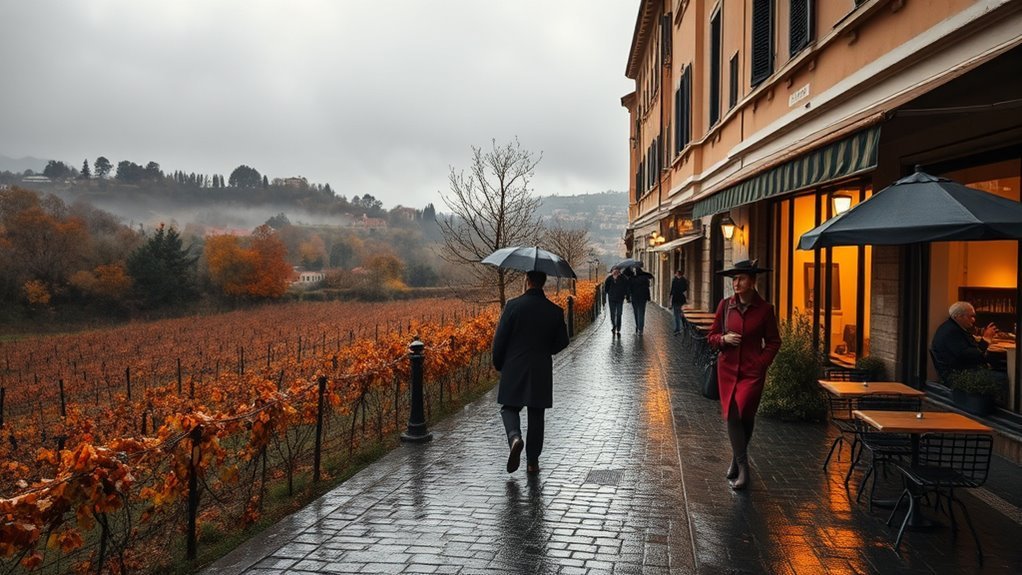
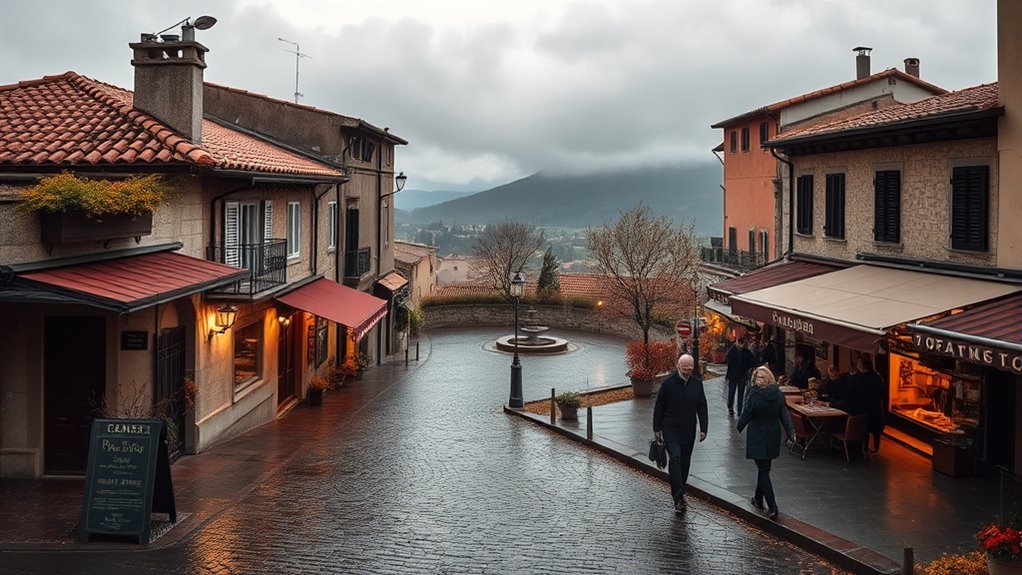
Italy in November feels quieter, cooler, and more atmospheric than it does during the peak summer months. Historic centers, museums, churches, and archaeological sites are still major reasons to visit, but tourist pressure is often lighter outside holiday weekends and major events.
The season changes noticeably from north to south. Northern cities can feel chilly and damp, central Italy is often cool and changeable, and southern Italy and Sicily generally stay milder. You should still expect rainy periods anywhere in the country, so November works best when your itinerary mixes indoor attractions with outdoor sightseeing.
Autumn also brings strong food and cultural reasons to travel. Piedmont is in white-truffle season, chestnuts and mushrooms appear in regional cooking, fresh olive oil reaches tables after the autumn harvest, and young wines such as vino novello become part of the seasonal food experience.
Note: November 1 is All Saints’ Day, a national public holiday in Italy. Offices and some businesses may close or change hours, so check individual attractions and restaurants before building a tightly timed itinerary. Italia.it lists November 1 among Italy’s national holidays.
Italy in November Weather and Packing Tips
There is no single useful November temperature for all of Italy. The country stretches from the Alps to the Mediterranean, so your packing list should reflect the region you plan to visit.
| Area | Typical November Feel | What to Pack |
|---|---|---|
| Northern Italy | Cool to cold, with damp or foggy periods and colder evenings | Warm layers, jacket, umbrella, waterproof shoes |
| Central Italy | Cool and changeable, with mild spells and rainy days | Layers, light-to-medium jacket, rain shell |
| Southern Italy & Sicily | Generally milder, but wind and rain are still possible | Light layers, waterproof outer layer, closed shoes |
| Alps & high elevations | Cold conditions with possible early snow or winter-like weather | Warm outerwear and destination-specific winter gear |
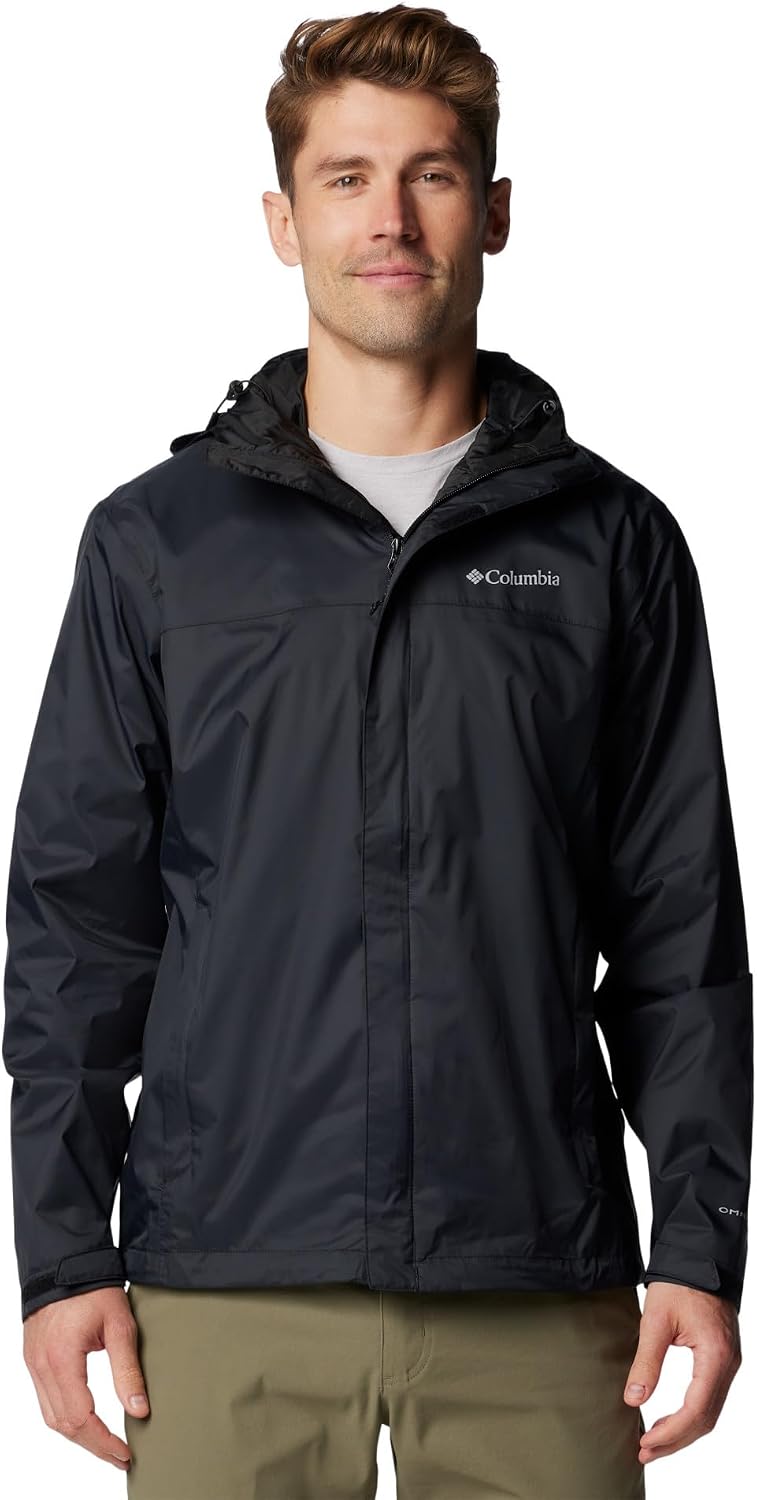
Useful November packing essentials include a compact umbrella, a waterproof or water-resistant jacket, comfortable shoes with good grip, a warm mid-layer, and clothes that can be added or removed during the day. A small day bag is useful for carrying an extra layer when the temperature changes.
Pro Tip: Plan important outdoor sights for the first half of the day and keep museums, churches, cafés, food tours, and galleries as flexible options for wet afternoons. November gives you fewer daylight hours than summer, so an early start makes a noticeable difference.
Best Places in Italy for a November Trip
The best November destination depends on what you want from the trip. Florence and Rome are strong choices for art and history, Venice offers a dramatic late-autumn atmosphere, Turin has major November events, Sicily gives you the best chance of milder conditions, and the Amalfi Coast offers scenery with far fewer visitors than summer.
| Place | Why November Works | Main Trade-Off |
|---|---|---|
| Florence | Museums, Renaissance art, Tuscan food, fewer peak-season visitors | Rain and shorter daylight |
| Rome | Ancient sites, churches, museums, neighborhoods, major cultural events | Outdoor ruins are less pleasant during wet spells |
| Venice | Atmosphere, museums, quieter canals and squares | Cold damp weather and possible high tides |
| Turin | Museums, cafés, Piedmont food, film and cultural events | Colder northern conditions |
| Sicily | Milder climate, archaeology, Baroque towns, food and slower travel | Not reliable beach weather |
| Amalfi Coast | Scenery, quiet towns, cooler hiking conditions on dry days | Reduced seasonal services and weather-sensitive transport |
If this is your first trip to Italy and you want the simplest November itinerary, combining Rome and Florence is usually easier than building a trip around seasonal coastal destinations. If milder weather matters most, Sicily deserves serious consideration.
Venice, Rome, and Florence Highlights
Venice becomes mistier, quieter, and more dramatic in November. St. Mark’s Square, the Doge’s Palace, churches, galleries, and less-visited neighborhoods such as Cannaregio can be especially enjoyable without summer heat. However, November is also an important month for acqua alta, or high-water events.
Warning: If Venice is on your itinerary, check the official tide forecast close to your visit. The City of Venice explains that high water is a normal seasonal phenomenon and provides real-time monitoring and forecasts. Read the City of Venice high-water guidance.
Rome is well suited to November because its mix of outdoor ruins and indoor attractions gives you flexibility. Plan the Colosseum, Roman Forum, fountains, and neighborhood walks for better-weather periods, then use museums, churches, food tours, and cafés when rain arrives. Seasonal attraction hours can be shorter than in summer, so check official schedules before booking multiple sights on the same afternoon.
November 22 is the feast day of Saint Cecilia, traditionally associated with music and with the Basilica of Santa Cecilia in Trastevere. Treat it as a religious and cultural date rather than assuming there will be one fixed citywide concert program every year.
Florence is ideal for museum-focused travel. The Uffizi, Accademia, Palazzo Pitti, churches, artisan districts, and Tuscan restaurants give you plenty to do when the weather turns wet. November also falls inside Florence’s busy autumn cultural calendar, so quieter tourism does not mean the city is inactive.
Why the Amalfi Coast Works in November
The Amalfi Coast in November is very different from its summer version. Positano, Amalfi, Ravello, and neighboring towns can feel peaceful, and the cooler air may suit sightseeing and hiking. You also avoid the intense heat and summer traffic that shape much of the peak-season experience.
- Explore Positano and Amalfi at a slower pace. Streets and viewpoints are generally less pressured than in summer.
- Use scenic roads carefully. The SS163 remains spectacular, but rain, curves, road work, and local traffic can still affect driving.
- Hike only in suitable weather. The Path of the Gods is rewarding in autumn, but exposed or rocky sections can become slippery after rain.
- Expect seasonal closures. Some beach clubs, restaurants, hotels, tours, and other tourism businesses reduce hours or close outside the main season.
- Check transport before each travel day. Ferry schedules are much lighter than peak summer schedules and can change with sea conditions.
Travelmar publishes current Amalfi Coast ferry schedules online, so check the timetable shortly before relying on a sailing connection. See the official Travelmar timetable.
November therefore works best on the Amalfi Coast if your priorities are scenery, villages, walking, food, and quiet rather than beaches, nightlife, or a full summer transport schedule.
Top Italy November Festivals and Events
Food, music, and film give November a strong cultural calendar. For a 2026 trip, several major events are already confirmed.
| Event | Where | 2026 Timing | Why Go |
|---|---|---|---|
| International Alba White Truffle Fair events | Alba | Multiple dates throughout November | Truffle market, tastings, cooking shows, workshops |
| Roma Jazz Festival | Rome | November 1–24, 2026 | International jazz performances and special programs |
| 44th Torino Film Festival | Turin | November 24–December 2, 2026 | International films, premieres, competitions, retrospectives |
| Saint Cecilia’s Feast Day | Rome | November 22 | Religious and musical tradition associated with the patron saint of musicians |
You may also encounter early Christmas markets and holiday displays in the final part of November. Opening dates vary by city and year, so verify the current city tourism calendar rather than assuming every Christmas market is operating by mid-November.
Italy in November Food and Wine
November is one of Italy’s most rewarding months for seasonal eating. White truffles are a major attraction in Piedmont and parts of Tuscany, especially around established truffle fairs and markets. They are commonly shaved over simple dishes such as fresh pasta, risotto, eggs, and fonduta so their aroma remains the focus.
Chestnuts are another autumn staple. Depending on the region, you may find roasted chestnuts, chestnut flour, soups, pasta, or desserts such as Tuscan castagnaccio. Pumpkin, mushrooms, polenta, braised meats, hearty soups, and handmade pasta also fit naturally into colder November menus.
November is also a good time to look for freshly pressed olive oil. The autumn olive harvest brings intensely green, peppery new oil to restaurants, farms, tastings, and local shops in olive-growing regions.
Vino novello, a young wine released soon after harvest, adds another seasonal flavor. In late-November Christmas markets you may also encounter roasted chestnuts, hot drinks, and mulled wine.
- Try: white-truffle pasta or eggs in truffle regions.
- Look for: fresh olive oil after the autumn harvest.
- Order: pumpkin, mushroom, chestnut, or slow-cooked regional dishes.
- Taste: vino novello where it is locally available.
Planning Your Italy Trip in November
A November itinerary works best when it is flexible. Instead of scheduling every outdoor attraction at a fixed hour several days in advance, leave room to swap museums and outdoor sights according to the forecast.
Book must-see attractions through official channels, particularly for famous museums and archaeological sites. November is less crowded than the summer peak in many places, but popular museums, free-admission days, weekends, festivals, and special events can still create queues or sellouts.
If you are traveling on or around November 1, check holiday opening hours. Some offices and businesses close for All Saints’ Day, while restaurants and tourist attractions follow their own schedules.
For transportation, intercity trains between major cities remain useful year-round. Coastal ferries, seasonal tours, mountain services, and tourism-focused local transportation deserve more attention because frequency may change after summer.
Hotel and airfare prices can sometimes be lower than in peak season, but November is not automatically cheap everywhere. Major festivals, sporting events, holidays, and weekend demand can raise prices locally. Compare your exact dates before assuming a low-season bargain.
Sources
- Italia.it — Public holidays and practical travel information — supports November 1 holiday and seasonal travel-planning guidance.
- City of Venice — Venice and High Water — supports acqua alta guidance for Venice.
- International Alba White Truffle Fair — November 2026 Calendar — supports Alba event information.
- Roma Jazz Festival — Official 2026 Program — supports November 1–24, 2026 festival dates.
- Torino Film Festival — 44th Edition Announcement — supports November 24–December 2, 2026 dates.
- Travelmar — Amalfi Coast Ferry Timetables — supports checking current off-season ferry schedules.
Frequently Asked Questions
Is It Worth Going to Italy in November?
Yes. November is worth considering if you prefer museums, food, historic cities, cultural events, and a quieter travel atmosphere. The disadvantages are cooler weather, more rain risk, shorter daylight, and reduced seasonal services in some coastal and resort areas.
Is $5,000 Enough for a Trip to Italy?
It can be. A $5,000 budget may cover many moderate trips for one traveler or a carefully planned trip for two, but the answer depends on trip length, international airfare, hotel level, transportation, dining, and activities. Price the flights and accommodations for your exact dates before setting a daily spending target.
What Part of Italy Is Best to Visit in November?
Rome and Florence are excellent for first-time visitors who want art and history. Turin is strong for food and November events, while Sicily is one of the best choices if you prioritize milder weather. Venice suits travelers who enjoy atmosphere and do not mind damp conditions or possible high tides.
What Is Closed in Italy in November?
Most major city attractions remain open, but seasonal closing times can be earlier. Some restaurants, hotels, beach clubs, ferries, tours, and small-town attractions reduce hours or close after summer. November 1 is All Saints’ Day, so holiday hours can also affect businesses and services.
Does It Rain a Lot in Italy in November?
Rain is a realistic part of a November trip, although conditions vary greatly by region and from year to year. Bring waterproof shoes and a rain layer, then build an itinerary that lets you move museums and indoor activities onto wetter days.
Is Venice Good to Visit in November?
Yes, especially if you enjoy a quieter and more atmospheric Venice. November can be damp and is an important month for acqua alta, so check the City of Venice tide forecast and pack waterproof footwear.
Can You Visit the Amalfi Coast in November?
Yes, but go for scenery, villages, food, and quiet rather than a summer beach experience. Some seasonal businesses close, transportation frequency can be reduced, and hiking plans should depend on the weather and trail conditions.
Conclusion
Italy in November rewards travelers who are comfortable trading summer weather for quieter cities, seasonal food, cultural events, and a slower pace. Rome and Florence remain dependable choices, Turin comes alive with major events, Venice offers a distinctive late-autumn atmosphere, and Sicily gives you a better chance of milder conditions. The Amalfi Coast can also be rewarding when you plan around reduced services and the weather. Pack layers, protect yourself from rain, check opening hours and transport shortly before each travel day, and keep enough flexibility to let the forecast shape your itinerary.