
Last Updated on July 28, 2026 by Daniel Globe
Rome’s fine-dining scene ranges from globally influenced tasting menus to modern versions of Roman classics, often served in historic hotels or rooms with landmark views. The strongest choices are not interchangeable: La Pergola leads for Michelin prestige, Il Pagliaccio for ambitious creative cooking, Aroma for a Colosseum-facing table, and Glass Hostaria for contemporary dining in Trastevere.
Quick Answer
For Rome’s highest Michelin distinction, choose La Pergola, the city’s only three-star restaurant in the 2026 guide. Choose Il Pagliaccio for a two-star, globally influenced tasting menu; Aroma for a direct Colosseum view; Imàgo for a Spanish Steps panorama; or Glass Hostaria for inventive cooking in Trastevere.
Key Takeaways
- The 2026 MICHELIN Guide gives La Pergola three stars and gives Il Pagliaccio, Acquolina, and Enoteca La Torre two stars.
- Book through the restaurant’s official site and read its deposit, cancellation, dress-code, and service-charge terms before paying.
- Menus change with the season, so treat named dishes as examples rather than permanent guarantees.
- Tell the restaurant about allergies, vegetarian needs, religious restrictions, or accessibility requirements when you reserve.
Disclosure: As an Amazon Associate I earn from qualifying purchases. Some links on this page are affiliate links, at no extra cost to you.
Understanding the Foundations of Roman Fine Dining
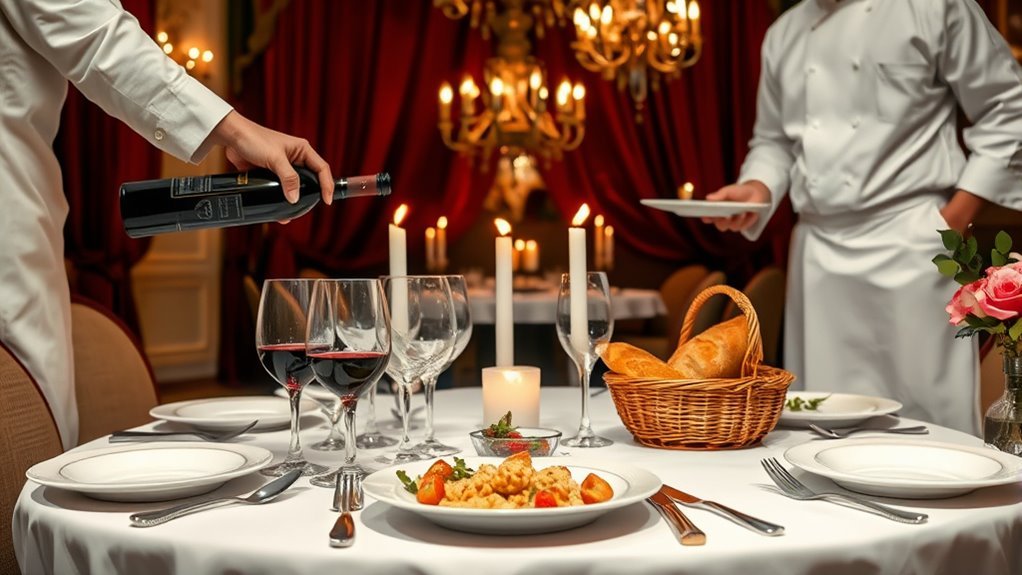
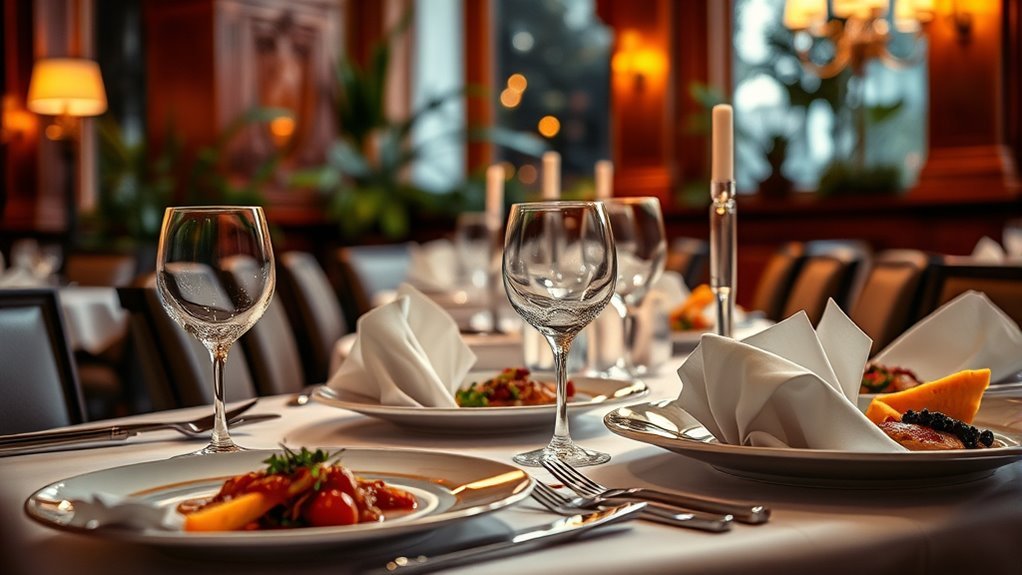
Roman fine dining usually starts with recognizable Italian ingredients and techniques, then moves beyond the trattoria format through tasting menus, detailed plating, long-form service, and carefully planned wine or nonalcoholic pairings. Some chefs reinterpret carbonara, saltimbocca, or regional produce; others bring Japanese, Indian, French, or wider Mediterranean influences into the meal.
A Michelin star is useful context, but it is not the only way to choose. Location, view, menu length, seafood emphasis, formality, and dietary flexibility can matter more for your evening. The MICHELIN Guide’s Rome selection is updated regularly, while individual restaurants control their current menus, prices, opening dates, and booking terms.
Note: Michelin distinctions refer to the 2026 Italy guide. Awards, chefs, menus, prices, and opening schedules can change, so confirm details on the official booking page before your visit.
Rome Fine Dining at a Glance
| Restaurant | 2026 distinction | Area | Best for |
|---|---|---|---|
| La Pergola | Three stars | Monte Mario | Highest distinction, formal luxury, panoramic view |
| Il Pagliaccio | Two stars | Centro Storico | Globally influenced creative tasting menus |
| Acquolina | Two stars | Near Piazza del Popolo | Technical Mediterranean menus with a seafood focus |
| Enoteca La Torre | Two stars | Lungotevere delle Armi | Refined Mediterranean cooking in an elegant villa |
| Imàgo | One star | Spanish Steps | Formal rooftop dining and a broad city view |
| Aroma | One star | Colosseum | A close landmark view and modern Italian cooking |
| Glass Hostaria | One star | Trastevere | Contemporary design and inventive Italian cuisine |
| Per Me Giulio Terrinoni | One star | Via Giulia | Seafood-led cooking in an intimate setting |
| Idylio by Apreda | One star | Pantheon | Italian cooking shaped by Asian spice and technique |
| All’Oro | One star | Near Piazza del Popolo | Playful reinterpretations of Italian classics |
| Marco Martini Restaurant | One star | Aventine | Modern Roman flavors, garden setting, and cocktails |
How to Choose the Right Restaurant
Start with the experience you want, not the star count alone. For a once-in-a-lifetime formal dinner, La Pergola is the obvious benchmark. For a creative menu in the historic center, compare Il Pagliaccio with Idylio by Apreda. For seafood, look first at Acquolina or Per Me. For a landmark view, compare Aroma’s direct Colosseum outlook with the broader panoramas at Imàgo and La Pergola.
- Best for Michelin prestige: La Pergola.
- Best for a two-star creative tasting menu: Il Pagliaccio, Acquolina, or Enoteca La Torre.
- Best for a Colosseum view: Aroma.
- Best for Trastevere: Glass Hostaria.
- Best for seafood-forward dining: Acquolina or Per Me Giulio Terrinoni.
- Best for playful Roman reinterpretations: All’Oro or Marco Martini Restaurant.
Pro Tip: Open the current menu before reserving. A restaurant can be excellent and still be a poor fit if the evening’s menu is heavily seafood-based, very long, or built around flavors your group does not enjoy.
Glass Hostaria: Innovative Flavors in Trastevere
Glass Hostaria brings a sharply contemporary dining room to one of Rome’s most traditional neighborhoods. Chef Cristina Bowerman’s cooking is Italian at its core but open to international ideas, strong contrasts, and modern presentation. The restaurant holds one Michelin star in the 2026 guide.
The appeal is the contrast: old Trastevere streets outside, clean modern design inside, and a menu that does not try to imitate a classic Roman trattoria. Seasonal menus change, so verify current courses rather than booking for a single dish seen in an older review.
Reservations are strongly advised. Glass publishes specific cancellation windows and may require a tasting menu for certain bookings, so read the terms on its official reservation page before confirming.
Imàgo: Fine Dining With a View
On the sixth floor of the Hassler near the Spanish Steps, Imàgo pairs Andrea Antonini’s contemporary Italian cooking with one of the city center’s best dining-room panoramas. It holds one Michelin star in the 2026 guide and works especially well for an anniversary or formal celebration.
Culinary Excellence and Innovation
Antonini’s menus draw on Italian ingredients and Mediterranean flavors without staying bound to one region. Expect a polished tasting-menu format, precise presentation, and a meal designed as a sequence rather than a collection of unrelated à la carte plates.
Breathtaking Rooftop Views
The room overlooks Rome from the top of the Spanish Steps area, giving you a wider skyline view than Aroma’s close-up Colosseum perspective. Requesting a particular table does not guarantee placement, so treat the panorama as part of the room rather than a promise of one exact seat.
Seasonal Tasting Menus Offered
Imàgo changes its culinary proposal with the seasons. Its official booking page currently describes tasting-menu dining, a formal dress code, and possible service charges outside the listed menu price. Check those details again when you reserve.
Aroma: Dining With a Spectacular Colosseum View
Aroma sits on the top floor of Palazzo Manfredi and faces the Colosseum. Chef Giuseppe Di Iorio leads the kitchen, and the restaurant holds one Michelin star in the 2026 guide. It is the strongest choice here when a direct view of an ancient monument is central to the occasion.
| What to Know | Details |
|---|---|
| View | Close view of the Colosseum from Palazzo Manfredi |
| Cuisine | Modern and creative Italian cooking |
| Chef | Giuseppe Di Iorio |
| Planning | Reserve early and confirm whether your preferred date uses indoor or terrace seating |
Aroma’s menu and wine program change, so avoid relying on unsourced lists of “signature dishes” or fixed pairings. Use the current official menu and ask the sommelier to match wine to the actual courses you order.
Per Me Giulio Terrinoni: Seafood and Vegetarian Options
Per Me Giulio Terrinoni, near Via Giulia, is known first for fish and seafood. The Michelin Guide also notes that meat and vegetarian options appear, making it more flexible than a seafood-only label suggests. It holds one star in the 2026 guide.
Seasonal Ingredient Focus
The kitchen emphasizes quality ingredients and direct, controlled flavors rather than decorative excess. Because the menu changes, the most useful question is not “What is the signature risotto?” but “What is strongest on the current menu?”
Creative Menu Offerings
Choose Per Me when your group enjoys seafood but still needs some non-seafood choices. Contact the restaurant before booking if a vegetarian guest wants a full tasting menu; the presence of vegetarian dishes does not automatically mean every menu can be converted course for course.
- Seafood is the restaurant’s clearest specialty.
- Meat and vegetarian dishes may also be available.
- Seasonal changes make older online dish lists unreliable.
- The intimate format suits couples and small celebrations.
Chic Dining Atmosphere
The setting is refined without the hotel grandeur of La Pergola or Imàgo. That makes Per Me a strong choice for diners who want Michelin-starred cooking in a smaller, more personal room in the historic center.
Why Is Il Pagliaccio a Must-Try for Foodies?
Il Pagliaccio is one of Rome’s three two-Michelin-star restaurants in the 2026 guide. Chef-patron Anthony Genovese builds a highly personal tasting experience shaped by travel and international influences rather than presenting a strictly Roman menu.
- Two-star distinction: It sits directly below La Pergola in Michelin’s hierarchy.
- Global perspective: The cooking moves across cultures while keeping the structure of a polished Italian fine-dining meal.
- Central location: It is near Via Giulia in the historic center.
- Special-occasion format: The intimate room and tasting-menu focus suit diners who want the food to lead the evening.
- Booking terms: Its official reservation page publishes cancellation rules, so review them before paying or entering card details.
Choose Il Pagliaccio over La Pergola when a central location and adventurous menu matter more than a panoramic view or formal hotel setting.
La Pergola: The Pinnacle of Luxury Dining
La Pergola, led by Heinz Beck at Rome Cavalieri, is the first and still the only three-Michelin-star restaurant in Rome in the 2026 guide. Its appeal combines the city’s highest distinction, a broad view over Rome, highly choreographed service, and contemporary Mediterranean cooking.
The restaurant’s cellar is known for separate international and Italian wine selections, but the original claim of “over 3,000 selections” is not stated on the current official page. It is safer to describe the program as extensive and ask the sommelier for a pairing that matches your budget.
La Pergola is more formal and harder to book than most restaurants on this list. Its published FAQ recommends reserving about two months ahead for Tuesday through Thursday and three to four months ahead for Friday or Saturday. It also requires a jacket for gentlemen, while a tie is not required.
La Pergola is the best fit when the goal is not simply dinner, but a formal, destination-level evening built around Rome’s highest Michelin distinction.
Idylio by Apreda: A Cultural Fusion
Idylio by Apreda, near the Pantheon, holds one Michelin star in the 2026 guide. Francesco Apreda’s cooking connects Italian and Neapolitan foundations with Asian flavors, especially Indian spice and Japanese influence.
Culinary Influences Combined
The restaurant works best for diners who enjoy cross-cultural flavor combinations and do not expect a conventional Roman menu. Spices and broths are used as part of the dish’s structure, not simply as decoration.
- Italian and Neapolitan foundations
- Indian spice and aromatic influence
- Japanese techniques and clean flavors
- Contemporary tasting-menu presentation
- A central location near the Pantheon
Signature Dishes and Menu Format
Older descriptions often repeat one Parmesan-filled ravioli with chilled tuna broth as though it were permanent. Fine-dining menus change, so use that dish only as an example of Apreda’s style. Check the current menu for the actual courses, lengths, and dietary options available on your date.
Ambiance and Decor Elements
The dining room is polished and contemporary, matching the hotel setting without feeling as grand as La Pergola. It suits couples who want a central, Michelin-starred dinner and prefer culinary experimentation over a rooftop view.
Ristorante All’Oro: Whimsical Dishes With Technique
All’Oro is Riccardo Di Giacinto’s one-Michelin-star restaurant near Piazza del Popolo. Its identity is playful but grounded: familiar Italian and regional flavors are rebuilt with modern technique, unusual serving ideas, and a sense of humor.
The experience can include creative aperitivo elements and reinterpretations of Roman classics. Instead of promising old menu items such as duck ragù ravioli or a particular deconstructed tiramisu, describe the restaurant by its enduring method: tradition first, then a contemporary surprise.
| Experience Element | What It Means |
|---|---|
| Cooking style | Traditional Italian flavors reinterpreted with modern technique |
| Mood | High-end but less solemn than a classic luxury-hotel dining room |
| Best for | Diners who value creativity, humor, and recognizable Italian references |
Marco Martini: Modern Takes on Tradition
Marco Martini Restaurant holds one Michelin star in the 2026 guide and sits near Circo Massimo in the Aventine area. Martini’s menu draws from Roman and Lazio flavors while using modern technique and an international point of view.
- The current menu includes a route built around Roman dishes and the chef’s years of work.
- The restaurant combines fine dining with a serious cocktail program.
- A garden and terrace create a different mood from Rome’s rooftop hotel restaurants.
- The location is convenient for an evening after the Colosseum, Palatine Hill, or Circus Maximus area.
Choose Marco Martini when you want a recognizable Roman thread, a lively setting, and the option to connect dinner with cocktails rather than a strictly ceremonial meal.
More Michelin-Starred Restaurants Worth Considering
The original list leaves out several restaurants that belong in a complete 2026 comparison. Three are especially important because they change the Michelin hierarchy or add newly recognized options.
- Acquolina: Two Michelin stars, with technically ambitious Mediterranean cooking and a strong seafood identity.
- Enoteca La Torre: Two Michelin stars in Villa Laetitia, with Domenico Stile’s precise Mediterranean cooking and an elegant dining room.
- INEO: A new one-star entry in the 2026 Italy guide, located at Anantara Palazzo Naiadi.
- La Terrazza: Another new one-star restaurant for 2026, at Hotel Eden, with a high city view and modern Mediterranean approach.
- Zia: A one-star Trastevere alternative with a more intimate, minimalist style than Glass Hostaria.
Booking, Dress Code, and Dining Etiquette
Reservations and Cancellation Rules
Reserve through the official restaurant website whenever possible. High-end restaurants may request card details, a deposit, or prepayment, and cancellation windows differ. La Pergola recommends booking months ahead for popular nights, while Glass Hostaria and Il Pagliaccio publish time-based cancellation rules.
Dress Code
Do not apply one “smart-casual” rule to every restaurant. La Pergola is formal and requires a jacket for gentlemen. Imàgo also publishes a formal dress code. Other restaurants may be less strict, but polished evening clothing and closed shoes are safer than beachwear, sportswear, or very casual sightseeing clothes.
Meal Length, Service, and Cost
Keep the evening open rather than scheduling a late tour or train immediately after dinner. Tasting menus are paced experiences, and wine pairings add time. Prices and inclusions vary: Imàgo, for example, states that a possible service charge is not included in the menu price. Read the booking terms and review the bill before adding an extra gratuity.
Allergies and Dietary Needs
Tell the restaurant about every restriction while booking, not after the first course arrives. Ask whether it can provide a complete alternative menu and whether cross-contact can be controlled. La Pergola states that it can guide guests with allergies and prepare vegetarian or vegan dishes on request, but it does not guarantee a completely uncontaminated kitchen environment.
Warning: A restaurant’s ability to omit an ingredient is not the same as a guarantee against allergen cross-contact. Guests with severe allergies should obtain direct confirmation from the restaurant before booking and again on arrival.
Frequently Asked Questions
What is the best fine-dining restaurant in Rome?
La Pergola is the clearest choice for the highest Michelin distinction because it is Rome’s only three-star restaurant in the 2026 guide. The best personal choice may differ: Il Pagliaccio suits globally influenced tasting menus, Aroma suits a Colosseum view, and Glass Hostaria suits contemporary dining in Trastevere.
Is La Pergola still Rome’s only three-MICHELIN-star restaurant?
Yes. The 2026 MICHELIN Guide lists La Pergola as Rome’s only three-star restaurant.
Which Rome restaurants have two MICHELIN stars?
In the 2026 guide, Rome’s two-star restaurants are Il Pagliaccio, Acquolina, and Enoteca La Torre.
How far ahead should I book fine dining in Rome?
Book as soon as your travel dates are firm. La Pergola’s published guidance recommends roughly two months ahead for Tuesday through Thursday and three to four months for Friday or Saturday. Other restaurants use their own deposit and cancellation rules.
What should I wear to a Michelin-starred restaurant in Rome?
Dress rules vary. La Pergola is formal and requires a jacket for gentlemen, while Imàgo also publishes a formal dress code. For other restaurants, polished smart-casual clothing is usually the safest starting point, but the restaurant’s current booking page controls.
Can Rome fine-dining restaurants accommodate vegetarian diets or allergies?
Many can adapt menus when told in advance, but options and cross-contact controls vary. State every allergy and dietary restriction when booking, repeat it on arrival, and ask the restaurant to confirm whether it can safely accommodate the request.
Which fine-dining restaurants in Rome have the best views?
La Pergola offers a broad city panorama from Rome Cavalieri, Imàgo overlooks Rome from the Hassler near the Spanish Steps, and Aroma faces the Colosseum from Palazzo Manfredi.
Where do celebrities eat in Rome?
There is no dependable public list of celebrity dining habits. La Pergola and Aroma are high-profile luxury restaurants, but choose a restaurant for its cuisine, location, service, and current menu rather than the possibility of a sighting.
How expensive is fine dining in Rome?
Prices change by season and menu. Expect luxury-level pricing at the restaurants in this guide, with drinks, wine pairings, aperitifs, and possible service charges increasing the total. Check the official menu and reservation terms before booking.
What are the highest-rated restaurants in Rome?
By Michelin distinction in the 2026 guide, La Pergola ranks highest with three stars. Il Pagliaccio, Acquolina, and Enoteca La Torre follow with two stars. Many one-star restaurants may still be a better match for a specific view, neighborhood, menu style, or budget.
What is the best Michelin restaurant in Rome?
La Pergola has Rome’s highest Michelin distinction, so it is the strongest answer when “best” means star level. Personal preference may favor Il Pagliaccio for global creativity, Acquolina for technical seafood-led cooking, or Aroma for its Colosseum view.
Conclusion
Rome’s best fine-dining restaurant depends on the evening you want. La Pergola is the city’s Michelin peak; Il Pagliaccio, Acquolina, and Enoteca La Torre lead the two-star tier; Aroma and Imàgo make the view part of the meal; and Glass Hostaria, Per Me, Idylio, All’Oro, and Marco Martini offer distinct one-star personalities. Choose by cuisine and setting, then verify the current menu, dress code, and cancellation policy before booking.
Sources
- MICHELIN Guide Italy 2026 announcement — national star totals and retained three-star restaurants.
- MICHELIN Guide Rome restaurant selection — current distinctions and restaurant profiles.
- La Pergola at Rome Cavalieri — chef, dining format, reservations, and current official information.
- Imàgo reservations — tasting-menu format, formal dress code, and service-charge notice.
- Glass Hostaria reservations — booking and cancellation conditions.
- Aroma at Palazzo Manfredi — location, Colosseum view, chef, and wine program.
