Last Updated on August 23, 2026 by Caleb Warren
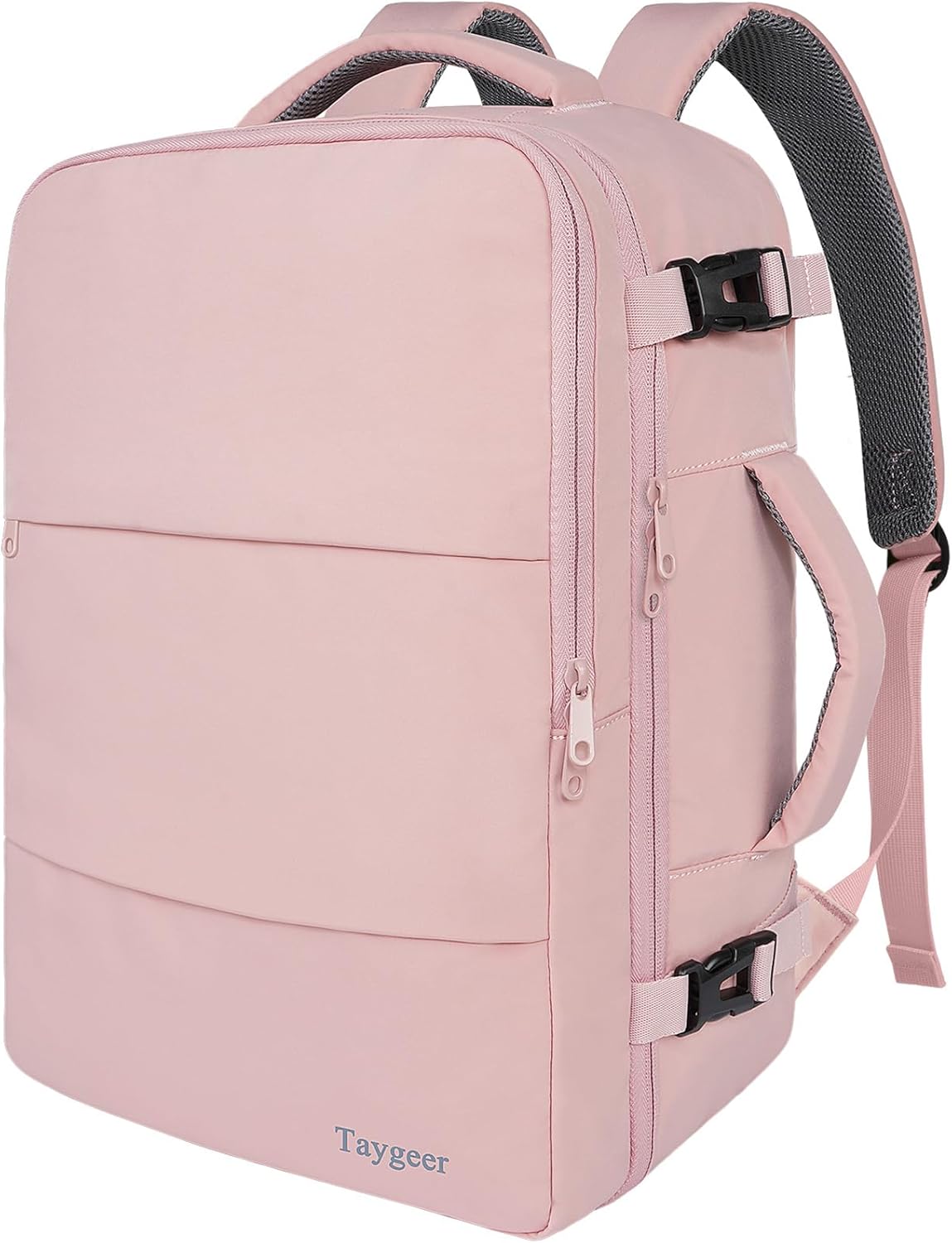
A carry-on backpack is a travel bag designed to fit airline carry-on requirements while keeping your hands free and your belongings organized. It combines the convenience of a suitcase with the mobility of a backpack, making it useful for weekend trips, business travel, international flights, and city exploration. Choosing the right size, features, and packing method can help you avoid checked-bag fees and travel more comfortably.
Quick Answer
A carry-on backpack is a backpack-sized travel bag made to fit in an airline cabin instead of being checked. Most are designed around common carry-on limits, often near 22 × 14 × 9 inches, but exact rules vary by airline. The best options offer comfortable straps, smart compartments, durable materials, and efficient packing space.
Key Takeaways
- Carry-on backpacks provide hands-free mobility and easier movement through airports.
- Airline size rules vary, so always check your carrier before flying.
- Good organization, comfortable straps, and durable materials matter more than extra features.
- Smart packing helps maximize space without making the backpack uncomfortable.
At a Glance
| Time Required | 10–20 minutes to organize and pack |
| Difficulty | Easy |
| Tools Needed | Packing cubes, travel organizers, optional laptop sleeve |
| Cost | Varies by size, materials, and brand |
Disclosure: As an Amazon Associate I earn from qualifying purchases. Some links on this page are affiliate links, at no extra cost to you.
Definition of a Carry-On Backpack
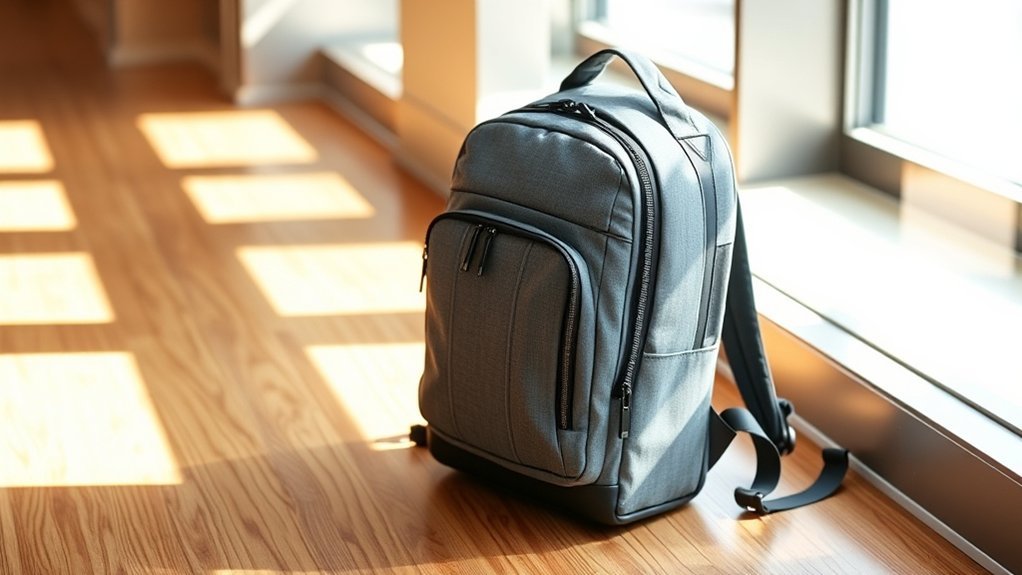
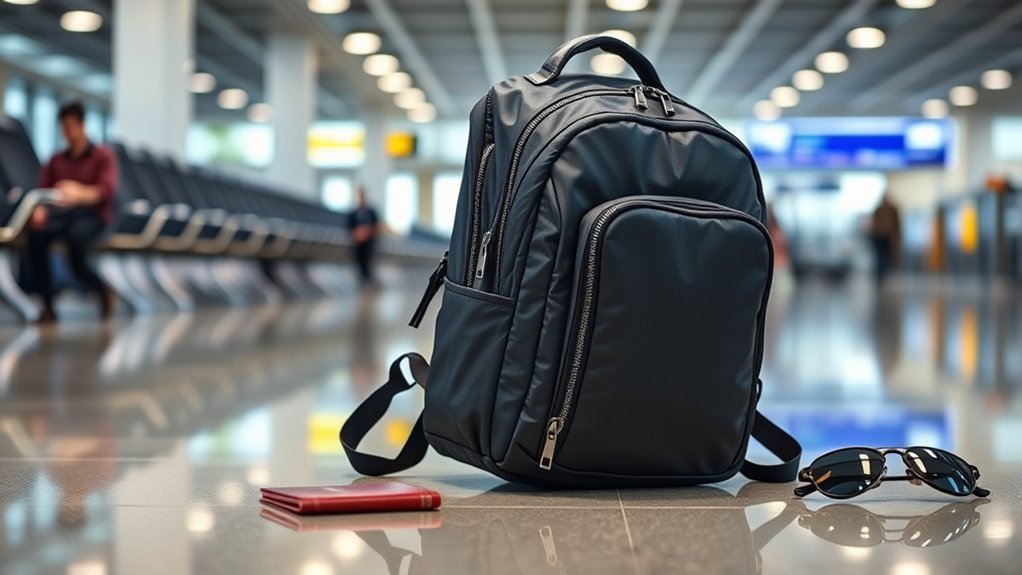
A carry-on backpack is a travel backpack designed to fit inside an aircraft cabin rather than being checked as luggage. Many travelers use a common carry-on benchmark of about 22 × 14 × 9 inches, but airlines set their own maximum dimensions, so checking your airline’s baggage policy before departure is always recommended.
Unlike traditional rolling suitcases, carry-on backpacks distribute weight across your shoulders and back. They usually include padded straps, multiple compartments, laptop storage, and travel-friendly openings that make it easier to organize clothing, electronics, documents, and personal items.
Carry-On Backpack vs Personal Item
A carry-on backpack and a personal item backpack are not always the same thing. A larger carry-on backpack usually goes in the overhead compartment, while a smaller personal item must fit under the seat in front of you.
| Bag Type | Typical Use |
|---|---|
| Carry-on backpack | Larger backpack used instead of a suitcase and stored in the overhead bin. |
| Personal item backpack | Smaller bag designed to fit under the seat. |
Warning: A backpack that fits one airline’s carry-on rules may exceed another airline’s limits. Always verify current baggage requirements before flying.
Advantages of Using a Carry-On Backpack

When you choose a carry-on backpack, you gain flexibility that traditional luggage may not provide. The biggest advantage is mobility. You can move through crowded airports, train stations, and city streets without pulling a suitcase behind you.
Other benefits include:
- Hands-free movement during travel.
- Easy access to electronics, documents, and daily essentials.
- Less weight compared with many traditional suitcases.
- Better organization through dedicated pockets and compartments.
Pro Tip: Choose a backpack with a clamshell opening if you frequently travel with clothing. It opens more like a suitcase and makes packing easier.
Ideal Situations for Using a Carry-On Backpack
| Ideal Situation | Benefits |
|---|---|
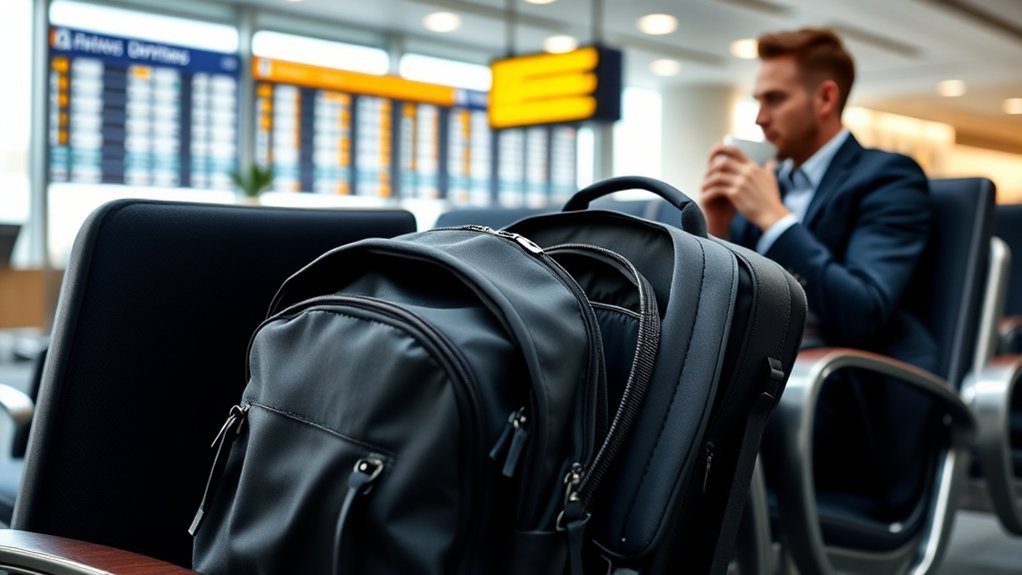
| Weekend Getaways | Enough room for clothing, toiletries, and essentials. |
| Crowded Airports and Cities | Hands-free movement and easier navigation. |
| Business Meetings | Storage for laptops, documents, and professional clothing. |
| Adventure Travel | Flexible storage for gear and travel accessories. |
Packing Tips for a Carry-On Backpack
Efficient packing helps you fit more while keeping your backpack comfortable. Roll clothing instead of folding bulky items, use packing cubes to separate categories, and choose clothing pieces that work together in multiple outfits.
- Place heavier items close to your back for better balance.
- Keep travel documents and electronics easy to reach.
- Use shoe space for socks or small items.
- Follow airline and security rules for liquids.
Choosing the Right Carry-On Backpack for Travel
The best carry-on backpack depends on how you travel. Frequent business travelers may prefer laptop protection and professional styling, while adventure travelers may prioritize durability and weather resistance.
Look for:
- Comfort: padded shoulder straps and back support.
- Organization: separate compartments for clothing, technology, and documents.
- Durability: strong fabric, quality zippers, and reinforced stitching.
- Size: dimensions that match your airline’s requirements.
- Weight: a lightweight design that leaves room for your belongings.
Frequently Asked Questions
Can I use a carry-on backpack for international flights?
Yes. Many travelers use carry-on backpacks for international flights, but size and weight rules vary between airlines and routes. Check your airline’s baggage allowance before traveling.
How do I clean my carry-on backpack?
Empty all compartments, follow the manufacturer’s care instructions, and clean fabric surfaces with mild soap and water when appropriate. Allow the backpack to air dry completely.
What materials are carry-on backpacks typically made from?
Most travel backpacks use materials such as nylon or polyester because they are lightweight and durable. Some models add water-resistant coatings or reinforced panels.
Are carry-on backpacks waterproof or water-resistant?
Most are water-resistant rather than completely waterproof. If you regularly travel in wet conditions, look for weather-resistant materials and protective covers.
Can carry-on backpacks fit under airline seats?
Some smaller backpacks can fit under airline seats, but larger carry-on backpacks are usually designed for overhead storage. Check your bag dimensions before flying.
Conclusion
A carry-on backpack can make travel easier by combining storage, comfort, and mobility in one bag. The right choice depends on your airline requirements, trip length, packing style, and comfort needs. By selecting a durable backpack and packing efficiently, you can enjoy a smoother journey with fewer luggage concerns.
Sources
- Transportation Security Administration (TSA) — security and liquid guidance for air travelers.
- Federal Aviation Administration (FAA) — general passenger travel information.