Last Updated on July 30, 2026 by Caleb Warren
A daypack is a compact backpack made for activities that last a few hours or a single day. It can carry everyday items, hiking gear, a laptop, food, water, or an extra layer without the bulk of a multiday backpack. The best size and features depend on where you will use it and what you need to carry.
Quick Answer
A daypack is a small-to-medium backpack intended for commuting, travel, exercise, or outdoor trips that do not require overnight gear. Daypacks commonly range from about 5 to 40 liters. Smaller models suit light everyday loads, while structured 20- to 35-liter packs are often better for full-day hikes.
Key Takeaways
- “Daypack” describes a backpack intended for single-day use rather than one exact capacity.
- Packs from 11 to 20 liters work well for lighter loads, while 21 to 35 liters is a useful range for many full-day hikes and travel days.
- Comfort depends on fit, suspension, packed weight, and load placement—not padding alone.
- Water-resistant fabric does not make every zipper, seam, or opening waterproof.
- Choose the pack around your largest realistic load, then test it with that gear before committing to it.
Disclosure: As an Amazon Associate I earn from qualifying purchases. Some links on this page are affiliate links, at no extra cost to you.
Definition and Purpose of a Daypack
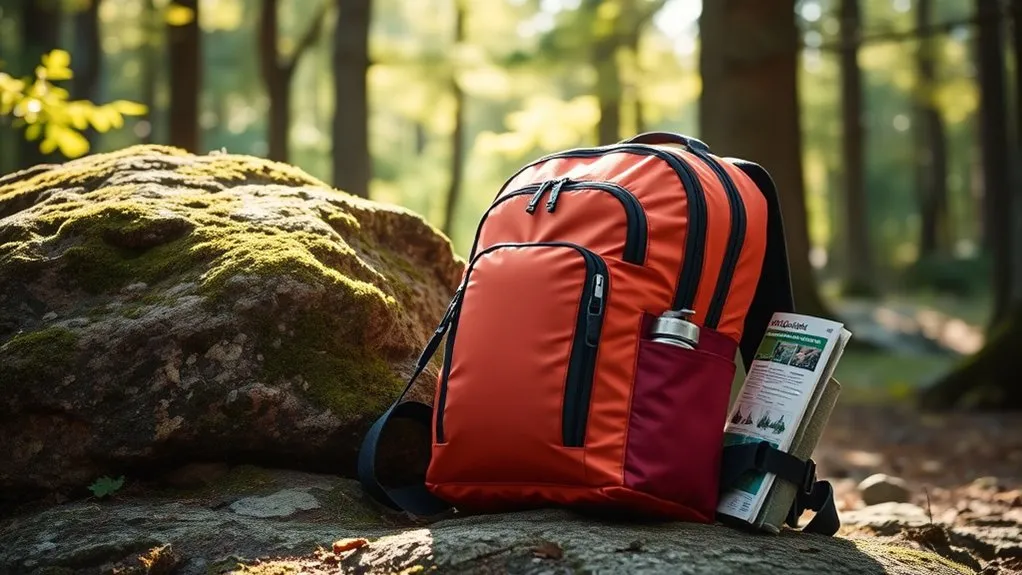
A daypack is a backpack designed for multi-hour or single-day activities. The term describes how the pack is used more than it describes one exact shape or size. Current REI daypack guidance places the broad category at roughly 5 to 40 liters, although some specialized models may fall outside that range.
Many everyday daypacks carry a laptop, lunch, water bottle, charger, light jacket, and personal items. Hiking models may hold food, water, weather layers, navigation tools, first-aid supplies, and emergency gear. A daypack can also serve as a gym bag, school bag, camera carrier with a padded insert, or secondary travel bag.
Simple daypacks may be little more than a zippered compartment with shoulder straps. More supportive hiking models can include a frame sheet, structured back panel, sternum strap, hip belt, load lifters, ventilation channels, and attachment points. A daypack is therefore not always frameless or minimally padded.
Daypack vs. Other Backpacks
| Pack Type | Typical Purpose | Common Characteristics |
| Daypack | Work, travel, exercise, or one-day outdoor trips | Compact size, shoulder straps, moderate storage, and optional support features |
| Packable daypack | Light travel, sightseeing, or use as a spare bag | Thin fabric, little structure, folds into a small pouch, and best with lighter loads |
| Commuter or school backpack | Books, electronics, documents, and daily supplies | Laptop protection and organization are usually more important than trail attachments |
| Backpacking pack | Overnight or multiday trips | Larger capacity, stronger suspension, substantial hip belt, and room for sleep and shelter systems |
Advantages of Using a Daypack
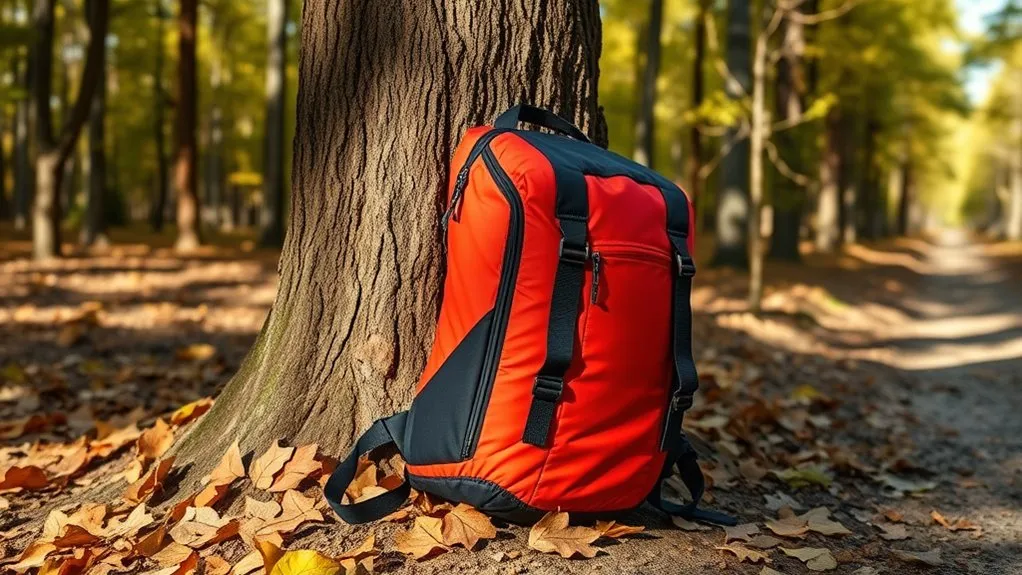
A daypack provides hands-free storage without the size and weight of a multiday pack. Its compact shape works well in crowded streets, public transportation, classrooms, airports, and narrow trails.
- Lower bulk: A properly sized daypack is easier to carry and store than a large backpack that is mostly empty.
- Useful organization: Pockets can separate water, electronics, snacks, documents, keys, and small accessories.
- Faster access: Panel-loading designs and external pockets can make frequently used items easier to reach.
- Activity-specific options: Buyers can choose commuter, hiking, cycling, running, travel, or camera-oriented features.
- Better mobility: A compact load is less likely to swing, snag, or interfere with movement when the straps are adjusted correctly.
Padded shoulder straps and ventilated back panels can improve comfort, but they do not guarantee it. A poorly fitted pack, overloaded compartment, or hard object pressing against the back panel can still create pressure points.
Ideal Scenarios for Daypack Use
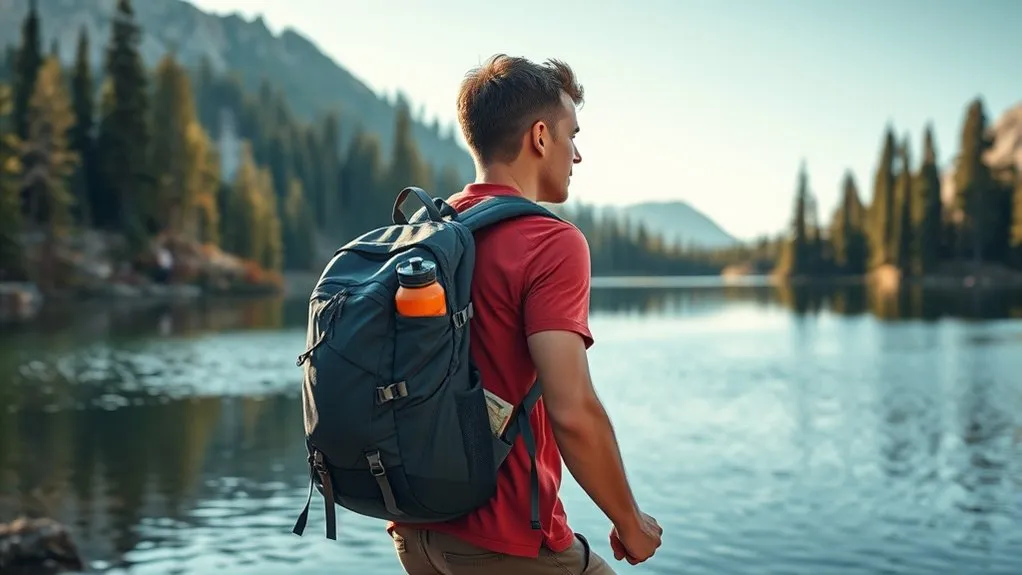
Daypacks are useful whenever you need more than pocket space but do not need overnight equipment. The right design depends on the activity.
Day Hiking
A hiking daypack can hold water, food, weather layers, navigation supplies, sun protection, first aid, and emergency items. Short walks may require only a small pack, while full-day hikes or changing weather may call for 20 liters or more.
Commuting and School
For work or school, prioritize a correctly sized laptop sleeve, document storage, a stable base, comfortable straps, and pockets that keep small items from collecting at the bottom. Measure the laptop itself rather than relying only on a marketed screen-size label.
Travel and Sightseeing
A daypack can serve as a secondary travel bag or, when its loaded dimensions comply with the carrier’s rules, an airline carry-on or personal item. Airline limits vary, so measure the filled pack and check the operating airline before departure.
Gym and Everyday Errands
A simple daypack can carry workout gear, a small towel, shoes, lunch, shopping items, and personal supplies. A washable lining or separate wet-item compartment is helpful when carrying damp clothing.
Cycling, Running, and Photography
Cycling and running packs benefit from a close fit, low profile, reflective details, and minimal bounce. For photography, choose proper padding or add a fitted camera insert; a standard fabric compartment does not provide the same impact protection as a dedicated camera system.
Daypack Size and Capacity Guide
Capacity is measured in liters, but two packs with the same listed volume may hold gear differently because of their shape, pockets, opening, padding, and internal dividers. Use capacity as a starting point, then check whether your actual equipment fits.
| Capacity | Best For | What It May Hold |
| 10 liters or less | Running, cycling, very short walks, or minimal sightseeing | Keys, phone, water, compact food, and a very light layer |
| 11–20 liters | Daily commuting, light travel, gym use, and shorter hikes | Lunch, water, electronics, an extra layer, snacks, and small accessories |
| 21–35 liters | Full-day hiking, travel days, colder conditions, or carrying gear for another person | Food, several layers, water, safety equipment, camera gear, and larger personal items |
| 36–40 liters | Winter day trips, climbing, mountaineering, bulky equipment, or family gear | Insulated clothing, technical gear, additional food and water, or a larger shared load |
Note: Larger is not automatically better. Extra empty space can encourage overpacking, while an underfilled pack may feel loose and unstable. Select enough room for your largest realistic day load without adding unnecessary capacity.
Key Features to Look for in a Daypack
Choosing a daypack involves more than comparing liters. Review the carry system, access, organization, durability, and protection features that matter for your activity.
- Appropriate capacity: Make a list of your bulkiest normal load and select a pack that holds it without being tightly overstuffed.
- Comfortable shoulder harness: Straps should sit smoothly without cutting into the neck or slipping toward the shoulders.
- Back-panel structure: Foam, mesh, stays, or a frame sheet can keep hard items away from your back and improve load stability.
- Sternum strap: This strap helps position the shoulder harness and can reduce outward strap movement.
- Hip belt: A simple webbing belt limits sway, while a padded belt can transfer part of a heavier load toward the hips.
- Useful access: Panel-loading zippers open widely for organization, while top-loading designs can be simpler and more weather resistant.
- Practical pockets: Check bottle-pocket depth, key storage, laptop protection, quick-access space, and security for passports or wallets.
- Hydration compatibility: Hiking packs may include a reservoir sleeve, hose port, and shoulder-strap routing.
- Durable construction: Inspect stitching, zipper movement, stress points, bottom fabric, buckles, and the areas where straps join the bag.
- Weather protection: Review the complete design, including seams and zippers, rather than relying on a “water-resistant fabric” label alone.
Common Daypack Materials
Nylon and polyester are widely used because they can provide a useful balance of weight, abrasion resistance, cost, and moisture resistance. “Ripstop” refers to a reinforcing weave intended to limit the spread of small tears; it does not identify a single fiber or make the fabric puncture-proof.
Denier numbers describe yarn mass and are often used as a rough indication of fabric weight. A higher denier can indicate a heavier, more substantial fabric, but coating, weave, fiber quality, and construction also affect durability. Do not compare denier alone.
What to Pack in a Daypack
Everyday Daypack Checklist
- Wallet, keys, phone, and identification
- Water bottle
- Laptop or tablet in a protected sleeve
- Charger or power bank
- Lunch or snacks
- Weather layer or compact umbrella
- Medication and personal-care items
- Notebook, documents, or work supplies
Day-Hiking Checklist
The exact load depends on the trail, season, forecast, remoteness, and group. The National Park Service Ten Essentials provide a useful planning framework:
- Navigation tools
- Sun protection
- Insulation or extra clothing
- Illumination
- First-aid supplies
- Fire-starting equipment where appropriate and permitted
- Repair tools
- Food beyond the planned minimum
- Adequate water and a treatment method when needed
- Emergency shelter
Warning: A small pack should not be used as a reason to omit safety gear. Check the route, forecast, water availability, daylight, closures, and local hazards before a hike. Turn back when conditions, equipment, or your physical condition no longer support the plan.
Tips for Choosing the Right Daypack
- Define the main activity. A commuter needs different organization than a runner, cyclist, climber, or day hiker.
- List the actual contents. Include the largest laptop, water container, clothing layer, camera, or other bulky item you regularly carry.
- Select the smallest practical capacity. Leave enough room to close the pack without forcing zippers or crushing equipment.
- Check the fit range. Adjustable-torso models can be helpful when the pack has a structured harness or will carry heavier gear.
- Inspect access and pockets. Make sure frequently used items can be reached without unloading the main compartment.
- Evaluate weather needs. Choose a rain cover, waterproof liner, or sealed construction when the consequences of wet gear are serious.
- Load-test the pack. Walk, climb stairs, bend, and reach while carrying the same weight you expect to use.
Pro Tip: Bring your usual gear when trying on a pack. A daypack that feels comfortable when empty may pull backward, sag, or create pressure points after a laptop, water, food, and clothing are added.
How to Fit and Adjust a Daypack
Fit is especially important for hiking packs and heavier everyday loads. Manufacturer systems differ, so follow the instructions supplied with the pack. General Osprey fitting guidance recommends adding weight before making final strap adjustments.
- Add a realistic load. Place dense items close to the back panel and prevent hard edges from pressing into your body.
- Loosen the straps. Start with the shoulder straps, sternum strap, hip belt, and load lifters relaxed.
- Position the hip belt if present. A padded, load-bearing belt should wrap the hip area according to the manufacturer’s fitting instructions. A thin webbing belt mainly controls movement.
- Tighten the shoulder straps. Pull until the pack rests close to the back without lifting a load-bearing hip belt out of position.
- Set the sternum strap. Place it at a comfortable chest height and tighten it only enough to stabilize the shoulder straps.
- Adjust load lifters if included. Use them to bring the upper pack closer without creating excessive pressure on the shoulders.
- Walk for several minutes. Check for neck rubbing, numbness, concentrated pressure, bouncing, restricted breathing, or backward pull.
If the pack remains uncomfortable after adjustment, the harness shape, torso range, or suspension may not suit your body or intended load.
Water-Resistant vs. Waterproof Daypacks
These terms are not interchangeable. Water-resistant fabric may shed light rain for a limited time, but water can still enter through zippers, seams, pockets, or the main opening. A truly waterproof pack requires the entire construction to control those entry points, often with welded or sealed seams and protected closures. Deuter’s explanation of waterproof product construction emphasizes that the full bag system—not only the face fabric—determines protection.
- For brief showers: Water-resistant fabric or a durable water-repellent treatment may be sufficient.
- For sustained rain: Add a fitted rain cover and protect electronics or spare clothing inside sealed bags.
- For paddling or possible immersion: Use equipment specifically designed and rated for that environment rather than an ordinary daypack.
Note: A rain cover protects the exposed body of a pack but may not fully seal the back panel or water running between the pack and your body. A waterproof liner or individual dry bags provide a second layer of protection.
How to Clean and Maintain a Daypack
Always start with the care label or manufacturer’s instructions. Coatings, foam, adhesives, frames, seam tape, and printed details may require different treatment.
- Empty every compartment and open all pockets.
- Shake out loose dirt and use a soft brush around seams and zippers.
- Spot-clean small marks with lukewarm water and a mild or pH-neutral cleaner.
- Hand-wash the pack only when the manufacturer permits it.
- Rinse away cleaner without twisting padded sections.
- Hang or place the pack in a ventilated area until every compartment is completely dry.
- Store it uncompressed in a cool, dry place away from prolonged direct sunlight.
Deuter’s backpack-cleaning instructions recommend lukewarm water and a pH-neutral cleaner for suitable packs and warn that inappropriate washing can damage water-resistant finishes or seam treatments. Avoid a washing machine or clothes dryer unless the manufacturer specifically authorizes that method.
Frequently Asked Questions
Can a Daypack Be Used for Hiking?
Yes. Choose enough capacity for water, food, weather layers, navigation, first aid, illumination, and other route-specific essentials. For longer hikes or heavier loads, a structured back panel, sternum strap, and supportive hip belt may improve stability and comfort.
How Much Weight Can a Daypack Comfortably Hold?
There is no universal comfort limit. Check the manufacturer’s guidance and consider the frame, shoulder harness, hip belt, torso fit, terrain, and carrying time. Minimal packable bags are intended for lighter loads, while some structured daypacks can support considerably more.
Are Daypacks Waterproof or Water-Resistant?
Many daypacks use water-resistant fabric, but that does not make the complete bag waterproof. Check the seams, closures, zippers, and manufacturer rating. Use a rain cover, waterproof liner, or dry bags when important contents must remain dry.
What Materials Are Commonly Used in Daypack Construction?
Nylon and polyester are common. Some fabrics use a ripstop weave, protective coating, or durable water-repellent treatment. Durability also depends on stitching, zippers, buckles, reinforcement, and the fabric used on high-wear areas such as the bottom.
How Do I Clean and Maintain My Daypack?
Follow the care label. Empty the pack, brush away loose dirt, and spot-clean it with lukewarm water and a suitable mild cleaner. Hand-wash only when permitted, rinse thoroughly, and air-dry every compartment. Do not machine-wash or tumble-dry the pack unless its manufacturer allows it.
What Size Daypack Is Best for a Full-Day Hike?
A 21- to 35-liter pack works well for many full-day hikes because it leaves room for water, food, safety supplies, and changing weather layers. Warm, short, well-supported routes may require less space, while winter or technical trips may require more.
Can a Daypack Count as an Airline Personal Item?
It may qualify when the loaded pack fits the airline’s personal-item dimensions and can be stored in the required location. Rules vary by carrier, fare, aircraft, and route, so check the operating airline and measure the filled bag before traveling.
Sources
- REI Expert Advice: Daypacks—How to Choose — daypack definition, capacity ranges, features, and activity-based selection.
- National Park Service: Ten Essentials — basic preparedness items for hiking and outdoor trips.
- National Park Service: Hike Smart — route planning, water, conditions, and hiking-safety considerations.
- Osprey: How to Fit Your Backpack — general loading and strap-adjustment guidance.
- Deuter: Waterproof Products — distinctions among weather-resistant, water-repellent, water-resistant, and waterproof construction.
- Deuter: How to Clean a Backpack — cleaning, rinsing, and care considerations.
Conclusion
A daypack is a practical backpack for work, travel, exercise, errands, and one-day outdoor activities. The right model is not determined by capacity alone. Match the size to your actual gear, choose a carry system that suits the load, check how the pack fits when filled, and use suitable weather protection for valuable or safety-critical items. A well-chosen daypack should carry what you need without unnecessary bulk or discomfort.