
Last Updated on September 10, 2026 by Daniel Globe
A minimalist travel backpack helps you move faster by carrying only the gear you will use. The best bag is not defined by a single capacity number. It must fit your body, hold your actual packing list, and meet the size limits of each airline you plan to fly. For many travelers, a well-designed 20- to 30-liter pack is a practical starting point.
Quick Answer
A minimalist travel backpack is a compact, lightweight bag built around a short, intentional packing list. A 20- to 30-liter pack works for many short trips, but capacity alone does not guarantee carry-on approval. Compare the packed bag’s exterior dimensions with your airline’s current limits and test the fit before traveling.
Key Takeaways
- Choose by packed dimensions, fit, and trip needs rather than liters alone.
- A 20- to 25-liter bag suits light packers and short trips; 26 to 30 liters gives most travelers more flexibility.
- Prioritize comfortable straps, useful access, durable fabric, a secure laptop sleeve if needed, and weather protection that matches your destination.
- Keep some free space, weigh the loaded bag, and remove dangling straps before boarding.
- Check airline, TSA, and battery rules before every flight because policies can change.
At a Glance
| Time Required | About 20–45 minutes to compare, fit, and test-pack a bag |
| Difficulty | Easy, with one full practice pack recommended |
| Tools Needed | Tape measure, luggage scale, packing list, and optional packing cubes |
| Cost | No extra cost if you already own a suitable bag; organizers are optional |
Disclosure: As an Amazon Associate I earn from qualifying purchases. Some links on this page are affiliate links, at no extra cost to you.
Understanding Minimalist Travel Backpacks
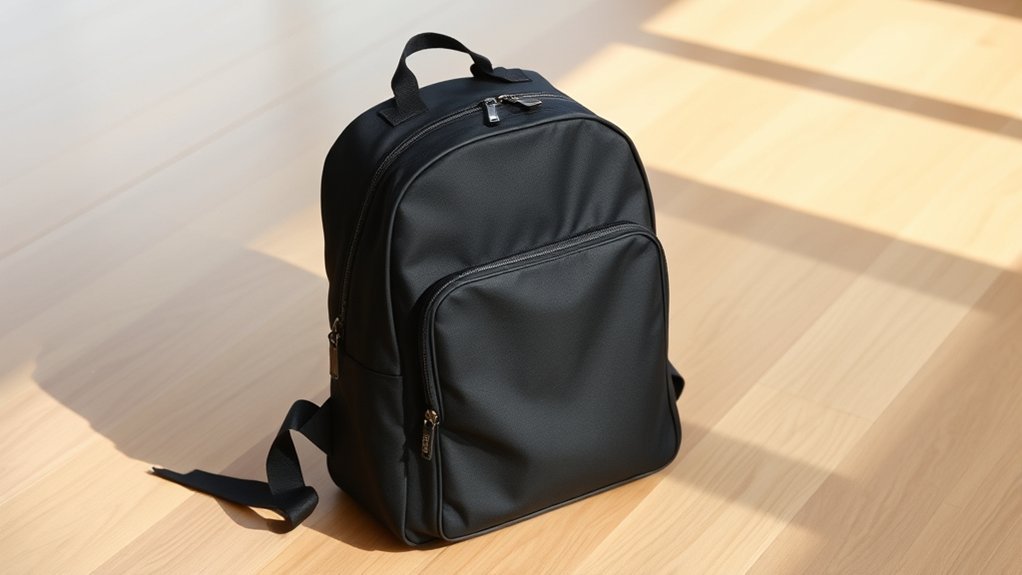
A minimalist travel backpack is a small travel bag with enough structure and organization for essential clothing, toiletries, documents, and electronics. Most models use one main compartment plus a limited number of pockets. The goal is not to own the smallest possible bag. It is to carry a bag that matches your trip without wasted space, duplicate items, or features you will not use.
Many minimalist travelers start in the 20- to 30-liter range. A smaller bag can be easier to carry through stations, buses, and crowded streets, but liters are only a rough measure of internal volume. Two 25-liter packs can have very different exterior dimensions, opening styles, laptop storage, and usable space.
Minimalist travel also requires tradeoffs. A light, flexible pack may be comfortable for a low load but less supportive when packed heavily. A highly organized bag can save time, yet too many dividers may reduce usable space. The right balance depends on your body, destination, equipment, and laundry plan.
Key Features of a Minimalist Backpack
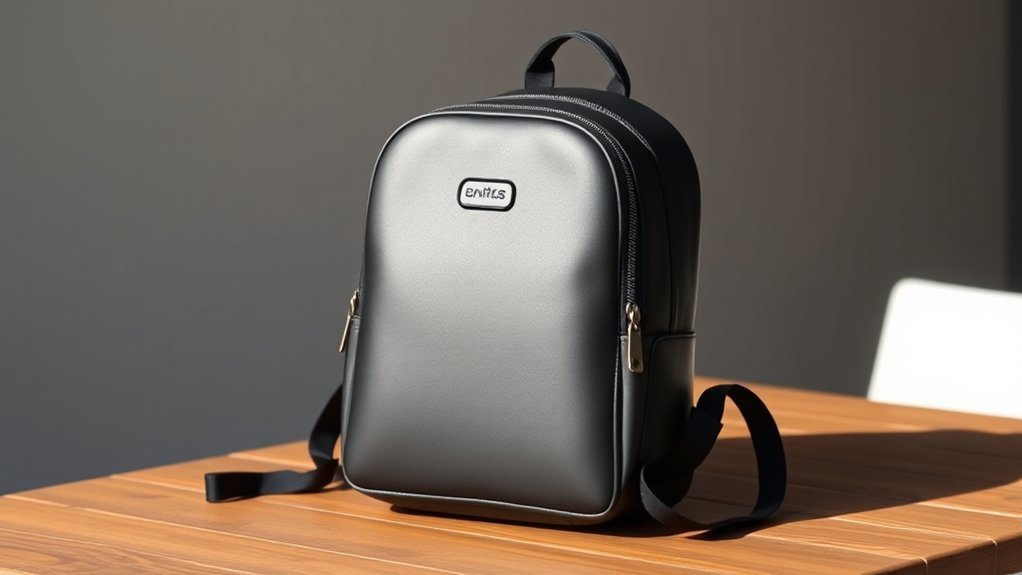
A useful minimalist backpack should be simple without being bare. Focus on capacity, exterior dimensions, loaded comfort, access, materials, and the protection needed for your gear. Ignore features that look impressive but do not support your actual packing list.
Size and Capacity Considerations
Capacity helps narrow the field, but it should not be your only filter. Use the following ranges as planning guides rather than guarantees:
| Size | Typical Use | Main Tradeoff |
|---|---|---|
| 15–19 L | Day trips or a compact personal item | Very limited clothing and shoe space |
| 20–25 L | Overnight, weekend, or ultralight one-bag travel | Requires a disciplined packing list |
| 26–30 L | Weekend trips or longer travel with laundry | May be too large for some personal-item limits |
| 31–35 L | Cold weather, camera gear, or extra footwear | More likely to need overhead-bin space |
Trip length is not a direct capacity formula. A traveler who washes clothes can use the same compact bag for a weekend or several weeks. Cold-weather layers, medical equipment, large shoes, or camera gear may require more room even on a short trip.
Packed Dimensions and Airline Rules
Airlines assess the outside of the packed bag, including handles, bulging pockets, and wheels. The Federal Aviation Administration advises travelers to check the specific airline’s carry-on rules and notes that a personal item must fit under the seat. A soft 30-liter bag may compress into a sizer when lightly packed, but the same bag may fail when overstuffed.
Warning: “Carry-on compatible” is not a universal approval. Measure the fully packed bag in all three directions and compare it with the current rules for every airline and fare on your itinerary.
Also distinguish between a carry-on bag, which normally goes in the overhead bin, and a personal item, which must fit under the seat. A 20- to 30-liter capacity can fall into either category depending on the bag’s shape and the airline’s limits.
Lightweight and Durable Materials
Nylon and polyester are common because they can provide good strength at a manageable weight. Denier describes yarn thickness, but a higher number does not automatically mean a better bag. Weave, laminate, coating, stitching, zipper quality, and reinforcement at stress points also affect durability.
- Lightweight woven fabrics: Useful when the load is modest and low empty weight matters.
- Coated or laminated fabrics: Help resist rain, stains, and abrasion, but seams and zippers still determine how well the complete bag keeps water out.
- Recycled materials: Can reduce the use of virgin material, though sustainability also depends on durability, repairability, and how long you keep the bag.
- Reinforced wear areas: Look for stronger fabric or extra layers on the bottom, handle anchors, and shoulder-strap attachment points.
Note: Water-resistant fabric is not the same as a waterproof backpack. A truly waterproof main compartment normally needs sealed seams and a closure designed to block water. Even then, the manufacturer may state that the bag is not suitable for submersion.
Organization and Accessibility Features
Organization should reduce searching without turning the pack into a heavy filing cabinet. A clamshell or wide panel opening works well for folded clothing, while a top-loading design can be lighter and better for hiking. Useful features may include:
- A main compartment that opens far enough to see the contents
- One quick-access pocket for travel documents and small essentials
- A suspended, padded laptop sleeve sized for your device
- An internal zip pocket for chargers, keys, and small valuables
- A bottle pocket that still works when the pack is full
- Compression straps that control depth without crushing fragile items
Test every pocket with the items you plan to carry. A sleeve advertised for a 15-inch laptop may not fit every 15-inch model because device thickness and chassis dimensions vary.
Fit, Comfort, and Load Control
Comfort depends on the complete suspension system and the loaded weight. Look for shoulder straps that sit flat without cutting into your neck, a back panel that matches your torso, and a sternum strap that can be adjusted without restricting breathing. A hip belt is useful only when it fits correctly and the pack is designed to transfer some load to the hips.
Load the bag with your real travel gear and wear it for at least 15 minutes. Walk, climb stairs, reach overhead, and check for pressure points. A pack that feels fine when empty can become uncomfortable after adding a laptop, water, and dense electronics.
Pro Tip: Buy the smallest bag that comfortably holds your tested packing list, not the smallest bag that can be forced shut. Overstuffing makes the pack harder to carry, harder to organize, and more likely to exceed airline dimensions.
Security, Laptop, and Weather Protection
Lockable zipper pulls and covered openings can discourage quick, opportunistic access, but no fabric backpack is theft-proof. Keep your passport, wallet, medication, and phone in a controlled pocket or small pouch that stays with you.
For electronics, check that the laptop sleeve is padded on the front and back and raised above the bottom of the bag. If the backpack may be exposed to steady rain, use an integrated waterproof compartment, a fitted rain cover, or an internal dry bag. Choose the protection level based on the actual weather and activity rather than marketing terms.
Advantages of Choosing a Minimalist Backpack
A smaller travel backpack can make transfers, walking, and unpacking easier. It may also help you avoid checked-bag delays or fees when the packed bag qualifies for your fare’s cabin allowance. The main benefits are practical:
- Faster movement: A compact pack is easier to handle on stairs, public transit, and narrow sidewalks.
- Simpler packing: Limited capacity pushes you to remove duplicate clothing and “just in case” items.
- Better visibility: A short packing list makes it easier to know what you have and what is missing.
- Flexible storage: A soft backpack can fit in lockers and small rooms more easily than rigid luggage.
- Hands-free carry: Backpack straps leave your hands available for tickets, doors, or another small item.
The disadvantages are equally important. Small packs leave less room for cold-weather gear, formal clothing, bulky shoes, medical supplies, or souvenirs. Minimalist travel works best when the reduced load supports the trip instead of making the trip harder.
The best minimalist backpack is not the one with the fewest liters. It is the smallest comfortable bag that safely carries everything your specific trip requires.
Ideal Size for Minimalist Travel Backpacks
For many travelers, 20 to 30 liters is a useful range, but the ideal size depends on climate, trip purpose, body size, laundry access, and equipment. Start with the items you must bring, then choose the bag.
| Capacity | Best Starting Point For | Check Before Buying |
|---|---|---|
| 20 L | Day trips, overnight travel, or very light weekend packing | Laptop, shoes, and toiletries may consume most of the space |
| 25 L | Weekend trips and experienced one-bag travelers | Confirm under-seat dimensions if using it as a personal item |
| 30 L | Long weekends, mixed activities, or longer trips with laundry | Check depth when full; overpacking can create a bulge |
| 35 L | Cold weather or travelers carrying specialized gear | It may be too large for personal-item rules and some strict cabin limits |
Make a complete packing list before shopping. Measure large items such as your laptop, shoes, camera cube, or medical equipment. Then test-pack the bag and measure it again after every zipper is closed.
Essential Packing Tips for Minimalist Travelers
Minimalist packing is easier when every item has a clear use. A practical process is more reliable than copying someone else’s exact list.
- Start with non-negotiables: Pack identification, medication, payment methods, required electronics, and destination-specific safety items first.
- Build a small clothing system: Choose pieces that layer, mix, dry reasonably quickly, and work across more than one activity.
- Limit bulky footwear: Wear the largest pair in transit and pack only another pair when the trip truly requires it.
- Use small organizers: Packing cubes, pouches, or compression bags can separate categories, but do not use so many that the organizers add unnecessary weight.
- Keep dense items close to your back: Place a laptop, charger pouch, and other heavy items near the center of the back panel to reduce leverage.
- Protect quick-access items: Keep travel documents and liquids reachable without exposing your whole bag.
- Leave breathing room: Do not fill every corner. Modest free space makes repacking easier and helps prevent the bag from bulging beyond its measured size.
- Weigh and wear the final load: Confirm both airline weight limits and your own comfort before leaving home.
For U.S. airport screening, liquids, aerosols, gels, creams, and pastes in a carry-on generally must follow the TSA 3-1-1 liquids rule. Rules and exceptions can differ outside the United States, so check the departure airport’s authority as well.
Warning: Spare lithium batteries and power banks must be carried in the cabin, not in checked baggage. The FAA generally limits lithium-ion spare batteries and power banks to 100 Wh each unless the airline approves certain larger batteries, and an airline may apply stricter limits. Review the FAA battery guidance before flying.
Recommended Minimalist Backpacks on the Market
The models below illustrate different minimalist designs. Specifications and availability were checked against manufacturer pages, but stock, price, and revisions can change. Always compare the current product dimensions with your airline and your body before buying.
Top Minimalist Backpack Picks
| Model | Verified Highlights | Best For | Important Tradeoff |
|---|---|---|---|
| Osprey Arcane Duffel Pack | 30 L; 18.5 × 12.2 × 10.63 in; 1.89 lb; U-zip access; padded 15-inch laptop sleeve; convertible carry | Simple weekend packing and travelers who want duffel or backpack carry | Availability may be limited, and the short hip-free harness is better for moderate loads |
| Patagonia Black Hole Mini MLC 30L | 30 L; 20 × 12 × 7 in; 45.5 oz; clamshell layout; padded laptop compartment; three carry modes | Travelers who want structured organization and laptop protection | Heavier than ultralight models |
| Zpacks Bagger Ultra 25L | 25 L; body about 18 × 11 × 5.5 in; displayed configuration 12.4 oz; removable foam pad; manufacturer recommends up to 20 lb for shoulder comfort | Ultralight travelers moving between flights, towns, and trails | Frameless support and limited structure require careful packing; selected options change weight |
| Matador Freerain22 | 22 L; 19.5 × 10.5 × 7 in; 10.6 oz; sealed seams; roll-top closure; packable | A light secondary pack or wet-weather day use | Not intended for submersion and less structured than a dedicated laptop travel bag |
Note: The original list included the Wanaka Adapt Backpack, a 24-liter modular Kickstarter-era design. A clearly current official retail listing could not be verified, so treat it as a legacy or secondhand option rather than a dependable current recommendation.
Features to Consider
Compare products using the same checklist:
- Packed size: Will it fit the strictest airline on the itinerary?
- Empty weight: How much of the airline allowance does the bag use before packing?
- Comfort: Are the harness, torso length, and load range suitable for you?
- Access: Do you prefer clamshell, panel, duffel, or top-loading entry?
- Electronics: Does the sleeve fit and protect your exact laptop?
- Weather resistance: Are the seams and closures suitable for expected rain?
- Repair and warranty: Can worn buckles, zippers, or straps be repaired?
- Availability: Is the model in stock, and is the return policy long enough for a loaded fit test?
Do not choose a model simply because it appears on a “best” list. The Osprey Arcane Duffel favors clean convertible carry, the Patagonia Mini MLC favors organization, the Zpacks Bagger Ultra favors very low weight, and the Matador Freerain22 favors packability and wet-weather use. These are different jobs.
Best Budget Options
A good budget choice is often a bag you already own. Test it before assuming you need a travel-specific model. A simple school or commuter backpack can work when it has comfortable straps, secure zippers, suitable dimensions, and enough protection for your gear.
For a new purchase, compare total value rather than the lowest price. Last-season colors, manufacturer sales, used gear, and repairable models can reduce long-term cost. Avoid paying for a complex convertible system, removable modules, or heavy organization if you will not use those features.
How to Maximize Space in Your Backpack
Space-saving methods should make the bag easier to use, not simply denser. Overcompression can create a rigid bulge that exceeds airline depth limits.
| Strategy | Benefit | Use It Well |
|---|---|---|
| Packing cubes | Separate clothing and simplify repacking | Use one or two sizes that match the bag instead of many small cubes |
| Rolling or flat folding | Fills different shapes and reduces loose gaps | Choose the method that creates the flattest packed profile |
| Multifunctional items | Reduces duplicate gear | Keep only items that genuinely perform both jobs well |
| Fill safe gaps | Uses space inside shoes or corners | Place socks or other clean, soft items in a pouch before filling shoes |
| Wear bulky layers | Reduces packed volume | Do not carry so many layers that airport movement becomes uncomfortable |
Avoid attaching loose jackets, sleeping bags, or dangling gear to the outside during air travel. External items can snag, fall off, interfere with a bag sizer, or become a tripping hazard. The FAA advises tucking in straps before stowing a carry-on.
When to Use a Minimalist Travel Backpack
A minimalist backpack works especially well when mobility matters more than carrying many options.
- City exploration: A compact bag is easier to manage on public transit and crowded streets.
- Short trips: A simple clothing rotation can cover an overnight stay or long weekend.
- Longer travel with laundry: Rewashing a small wardrobe can keep the same bag useful for weeks.
- Mixed transportation: Backpack carry is convenient when a trip combines flights, trains, buses, and walking.
- Light outdoor excursions: Some models can move from city use to an easy day hike when the harness and weather protection are suitable.
- Spontaneous trips: A tested packing list reduces preparation time without requiring careless packing.
Use a larger or more specialized bag when the trip requires winter insulation, technical climbing equipment, protective camera storage, formal clothing, bulky medical supplies, or a heavy load. Minimalism should never mean leaving behind required medication, safety gear, or weather protection.
How to Clean and Maintain a Minimalist Backpack
Always follow the care label for the exact model because materials and construction differ. For example, Osprey’s general pack-care guidance recommends warm water, mild soap, a sponge or soft brush, thorough rinsing, and air-drying out of direct sunlight; it also advises against machine washing most packs. Patagonia’s current Mini MLC care label, however, permits a warm machine wash and low tumble dry.
- Empty every pocket and remove detachable parts.
- Brush out dirt and inspect seams, strap anchors, buckles, and zippers.
- Spot-clean or wash only as the manufacturer directs.
- Rinse away all cleaner when hand washing.
- Dry the bag completely before storing it in a cool, ventilated place.
- Repair small damage early so a loose seam or worn zipper does not become a larger failure.
Frequently Asked Questions
Are minimalist travel backpacks suitable for long-term travel?
Yes, when you can wash clothing, repeat outfits, and keep climate-specific gear small. Long-term travel does not automatically require a large bag, but a 20- to 30-liter pack may be impractical for cold weather, specialized equipment, or bulky medical needs.
How do I clean and maintain a minimalist backpack?
Follow the exact manufacturer’s care label. Many packs should be hand-cleaned with mild soap and air-dried, while some models allow machine washing. Empty all pockets, avoid harsh chemicals unless approved, dry the bag fully, and inspect zippers, seams, buckles, and strap anchors after each trip.
Can I fit a laptop in a minimalist travel backpack?
Often, but check the sleeve’s actual dimensions rather than the advertised screen size alone. Choose a padded sleeve that holds your device securely and sits above the bottom of the bag. Add a protective case when the compartment lacks enough padding.
What materials are typically used in minimalist backpacks?
Nylon and polyester are common, including recycled versions and laminated ultralight fabrics. Durability depends on more than denier: weave, coating, seam construction, zipper quality, and reinforcement at high-stress points also matter.
Are minimalist backpacks waterproof or water-resistant?
Most are water-resistant, not fully waterproof. Waterproof fabric alone does not protect openings or unsealed seams. For steady rain, use a model with sealed seams and a protective closure, a rain cover, or an internal dry bag. Do not assume a waterproof pack can be submerged.
Is a 30-liter backpack a personal item?
Sometimes, but not automatically. Personal-item approval depends on the packed exterior dimensions and the airline’s current under-seat limit. A lightly packed soft bag may compress, while an overfilled bag of the same capacity may be too deep.
How heavy should a minimalist travel backpack be?
There is no universal target. Keep the load within the airline’s allowance, the manufacturer’s recommended load range, and a weight you can comfortably carry. Test the final load for at least 15 minutes and reduce dense extras if the straps create pressure or the bag pulls you backward.
Conclusion
A minimalist travel backpack can make a trip easier, but only when the bag fits both the traveler and the itinerary. Begin with a complete packing list, compare packed dimensions with airline rules, and test the final load at home. Choose useful access, honest weather protection, and durable construction over unnecessary features. Packing light works best when every essential is covered and nothing important is sacrificed for a smaller number on the label.
Sources
- Federal Aviation Administration — Carry-On Baggage Tips — airline-specific size checks, under-seat storage, and safe stowing.
- Federal Aviation Administration — Airline Passengers and Batteries — carry-on requirements and watt-hour limits for spare batteries and power banks.
- Transportation Security Administration — Liquids, Aerosols and Gels Rule — U.S. carry-on liquid screening requirements.
- Osprey — Arcane Duffel Pack — capacity, dimensions, weight, materials, laptop sleeve, and carry options.
- Patagonia — Black Hole Mini MLC 30L — current specifications, organization, materials, and care instructions.
- Matador — Freerain22 — waterproof construction, capacity, dimensions, weight, and non-submersion limitation.

