

Last Updated on May 8, 2026 by Daniel Globe
Naples packs more history, art, and flavor into a single city than almost anywhere else in Italy. Ancient ruins sit beneath busy streets, the world’s most imitated pizza was born here, and one of Europe’s most haunting art collections hides inside a small chapel most visitors walk right past. This guide covers the 10 best things to do in Naples, whether you have two days or a full week.
Quick Answer
The top things to do in Naples include exploring the UNESCO-listed Historic Center, eating pizza at legendary spots like L’Antica Pizzeria da Michele, and visiting the Sansevero Chapel Museum. Hike Mount Vesuvius for sweeping views of the Bay of Naples, explore 2,000 years of tunnels in Underground Naples, and extend your trip with a day trip to the Amalfi Coast.
Key Takeaways
- Naples’ Historic Center is a UNESCO World Heritage Site (inscribed 1995) with over 2,500 years of layered Greek, Roman, and Baroque history.
- Book Sansevero Chapel Museum tickets online in advance — it’s small, sells out quickly, and walk-ins are rarely possible.
- The Mount Vesuvius summit hike takes 30 to 40 minutes from the parking area and offers sweeping views across the Bay of Naples.
- UNESCO recognized Neapolitan pizza-making as an Intangible Cultural Heritage in 2017, making every slice part of a living tradition.
- The Amalfi Coast is reachable by bus, train, or ferry from Naples, making it a practical and stunning half-day or full-day side trip.
1. Explore the Historic Center of Naples
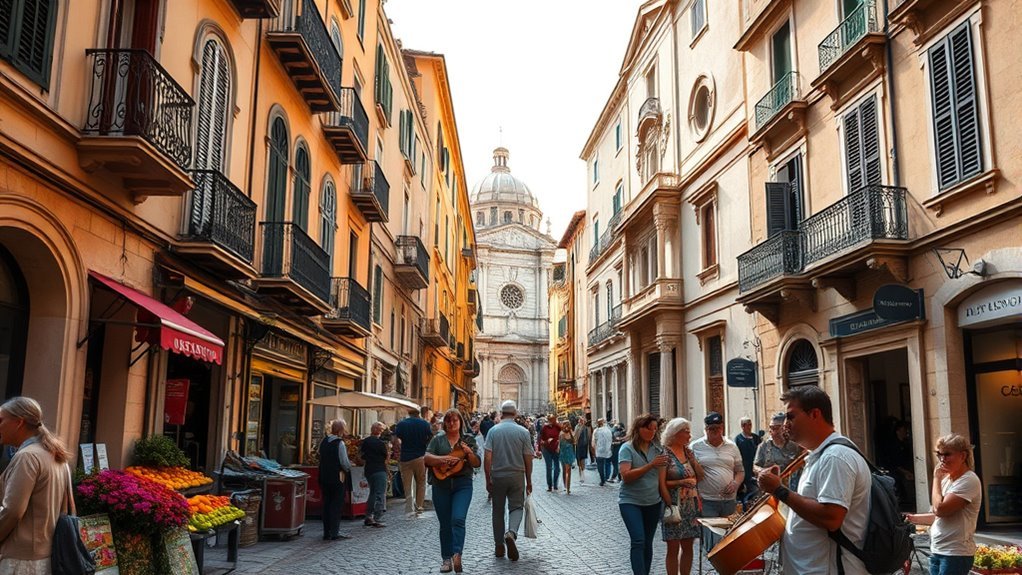
Step into the Historic Center of Naples and you’re walking through over 2,500 years of history. Ancient Greek walls, Byzantine churches, and Baroque palaces sit side by side on streets that have barely changed in centuries. UNESCO granted this district World Heritage status in 1995, recognizing it as one of Europe’s most densely layered historic urban areas.
Stroll down Spaccanapoli, the long straight street that cuts through the city, lined with historic buildings and local eateries. Don’t miss the Naples Underground, where ancient tunnels carry traces of Greek and Roman life beneath the modern city. Piazza del Plebiscito anchors the western edge of the center, surrounded by the Royal Palace and the Basilica of San Francesco di Paola.
Venture into the Spanish Quarter, where narrow lanes and neighborhood life give you an honest look at how Neapolitans actually live. Every corner here connects you to a different chapter of a very long story.
2. Savor Authentic Neapolitan Pizza
Naples invented pizza, and the city takes that seriously. You’ll find a soft, charred, chewy crust made with high-quality flour, San Marzano tomatoes, and fresh fior di latte cheese at every serious pizzeria. UNESCO recognized Neapolitan pizza-making as an Intangible Cultural Heritage in 2017, a rare honor that reflects just how deeply this food is tied to Neapolitan identity.
Head to legendary spots like L’Antica Pizzeria da Michele or Sorbillo, where a buzzing atmosphere matches the quality on the plate. Don’t miss Pizza Fritta for a fried twist on tradition, a street-food staple locals have loved for generations.
Must-Try Pizzerias
Start at L’Antica Pizzeria da Michele, where the Margherita and Marinara are the only options on the menu and both are close to perfect. Gino Sorbillo blends tradition with a lively atmosphere and a longer, more creative selection. Don’t skip 50 Kalò, celebrated for its carefully crafted dough and top-quality ingredients, with recognition in the Michelin Guide.
For a local twist, try Pizzeria Da Attilio’s famous pizza fritta. Stop by Pizzeria Umberto for rich, traditional flavors and classic Neapolitan technique in a no-fuss setting.
Unique Pizza Styles
Step into the world of Neapolitan pizza and you’ll find styles that go well beyond the basics. The iconic Pizza Margherita tops a thin, blistered base with fresh tomatoes, creamy mozzarella, and fragrant basil. The Pizza Marinara skips the cheese entirely and goes bold with garlic, oregano, and olive oil instead.
Pizza Fritta takes the same dough, fills it with ricotta and salami, and deep-fries it for a rich, indulgent result. Each style reflects a different side of Naples’ culinary heritage. You’ll find the best versions at L’Antica Pizzeria da Michele and 50 Kalò.
3. Visit the Sansevero Chapel Museum
The Sansevero Chapel Museum is one of the most extraordinary small museums in Europe. Its collection of Baroque sculptures, commissioned and directed by Prince Raimondo di Sangro in the 18th century, stops visitors cold. The chapel fuses art, alchemy, and deep spiritual symbolism in a space unlike anything else in the city.
Pro tip: Book your Sansevero Chapel tickets online before you arrive in Naples — the chapel is small, capacity is limited, and it sells out regularly, especially during busy travel periods.
Unique Sculptures Collection
The chapel’s crown jewel is the “Veiled Christ” by Giuseppe Sanmartino, a 1753 marble sculpture so finely carved that the cloth over Christ’s face appears to be real fabric. Art historians regard it as one of the greatest works of Baroque sculpture in the world. You’ll also find the “Disinganno (Disillusion)” by Francesco Queirolo, a marble depiction of a man freeing himself from a net, a powerful allegory of human intellect overcoming deception.
The museum’s intimate scale works in your favor. You can study every detail up close without the crowds that overwhelm larger galleries.
What Makes the Sansevero Chapel So Significant
Prince Raimondo di Sangro, the eccentric nobleman who shaped the chapel in the 1700s, had a passion for science, alchemy, and the mystical. He filled the space with sculptures loaded with allegory and hidden meaning, making each work a puzzle as much as a piece of art. Don’t miss the “Disinganno (Disillusion)” and the unsettling “Anatomical Machines” in the crypt, two full human circulatory systems preserved in extraordinary anatomical detail.
The chapel rewards slow, careful looking. Each sculpture connects to broader themes of faith, knowledge, and the human condition that Prince Raimondo spent his life exploring.
4. Piazza del Plebiscito: Naples’ Grand Public Square
Piazza del Plebiscito is the largest square in Naples and the city’s civic heart. The Royal Palace of Naples anchors one side, while the Basilica of San Francesco di Paola, with its sweeping colonnade, faces it from across the open space. The square took its current form in the early 19th century and has served as the city’s main gathering point ever since.
Live performances and art exhibitions regularly fill the piazza with activity. Whether you’re eating a gelato in the sun or watching the flow of locals and visitors cross the square, the space gives you a clear sense of Naples at its most open and sociable. Each column and façade reflects the rich history that shaped this part of the city.
5. Explore Underground Naples
Beneath the streets of Naples lies a parallel city carved out over 2,000 years. Ancient Greek tunnels, Roman aqueducts, early Christian burial sites, and World War II air-raid shelters all occupy the same underground network. Guided tours take you through this layered history with stories that bring each chamber to life.
Note: Guided tours are strongly recommended for Underground Naples — the tunnel networks are complex without a local guide, and the historical context makes the experience far richer.
Hidden Historical Treasures
While you wander through the streets of Naples, the underground world below offers a unique perspective on the city’s long development. Key stops include:
- Ancient aqueducts: Engineering works that supplied the city with water for centuries.
- Bourbon Tunnel: A royal escape route built by Ferdinand II, now filled with wartime vehicles and artifacts.
- Cimitero delle Fontanelle: An ossuary housing thousands of skulls and bones, tied to a centuries-old Neapolitan cult of the dead.
- Early Christian burial sites: Underground chambers reflecting the spiritual history of Naples’ earliest Christian communities.
- World War II shelters: Civil defense tunnels where Neapolitans took cover during Allied bombing campaigns.
Local-led tours weave these sites together with stories that no guidebook captures in full.
Unique Cavernous Tours
Naples Underground tour operators offer access to tunnels that span Greek, Roman, and modern history in a single walk. The Cimitero delle Fontanelle and the Bourbon Tunnel each draw visitors on their own, but combined tour routes give you a more complete picture of how the underground shaped the city above.
Each chamber tells a story of resilience and remembrance. Booking in advance is wise, especially during busy travel periods.
WWII Shelter Experience
The World War II shelters beneath Naples offer a gripping look at the city’s darkest chapter. As you move through the passages, you see how Neapolitans adapted Greek and Roman tunnels into modern civil defense infrastructure, a striking example of a city drawing on its own deep history to survive.
Tour highlights include:
- The Bourbon Tunnel, an evacuation route packed with vehicles and wartime artifacts.
- Insights into daily life for Neapolitans during the Allied bombing campaigns.
- Ancient tunnels dating back over 2,000 years, repurposed for modern survival.
- Geological formations running alongside historical remnants.
- Documentation of the lasting impact of air raids on the city’s layout and infrastructure.
This experience connects you to a side of Naples that most visitors never see.
6. Hike Mount Vesuvius for Panoramic Views
Mount Vesuvius rewards the climb immediately. The trail from the parking area to the crater rim takes about 30 to 40 minutes, and views across the Bay of Naples from the top justify every step. The catastrophic eruption of 79 AD buried Pompeii and Herculaneum under meters of ash and pumice, and the geological scale of that event becomes viscerally real when you’re standing at the crater edge.
Warning: Wear sturdy, closed-toe footwear for the Vesuvius hike — the volcanic gravel path is loose and uneven, and the crater edge drops steeply with limited barriers in places.
Visit during cooler months for the most comfortable hiking conditions. Guided tours add historical depth by connecting what you see on the trail to the ancient events that shaped the whole region. Pair the hike with a visit to Pompeii or Herculaneum to get the full picture in a single day.
7. Stroll Through the Elegant Galleria Umberto I
Galleria Umberto I opened in 1891 and still impresses. The glass dome rises about 57 meters (roughly 187 feet) above an intricate mosaic floor, flooding the interior with natural light. Built in a Neo-Renaissance and eclectic style, the Galleria drew inspiration from Milan’s Galleria Vittorio Emanuele II and became one of the grandest public spaces in southern Italy.
Entry is free. As you walk through, you can enjoy:
- The architectural details that define late 19th-century Italian civic design.
- Cafes serving espresso and local pastries at street level.
- Shops carrying Italian fashion, crafts, and souvenirs.
- Art exhibitions that regularly fill the central atrium.
- One of the best people-watching spots in central Naples.
The Galleria sits a short walk from Piazza del Plebiscito, making it a natural stop on any route through the city center.
8. See the Maradona Mural in the Spanish Quarter
Walk down Via Emanuele de Deo in the Spanish Quarter and you’ll find the most visited mural in Naples. The Maradona mural captures the footballer’s image in the neighborhood where his legend lives on most intensely. Maradona joined Napoli in 1984 and led the club to two Serie A titles (1987 and 1990) and the UEFA Cup (1989), transforming the city’s relationship with football in ways that still resonate today.
Scarves, flags, photographs, and handwritten notes gather around the mural as ongoing tribute. Standing there among locals and visitors gives you a real sense of how deeply Maradona’s story runs through Neapolitan identity — this isn’t nostalgia; it’s living culture.
Editorial note: The specific artistic attribution of this mural is disputed across sources and has been flagged for human verification before publishing.
9. Tour the Royal Palace of Naples
The Royal Palace of Naples (Palazzo Reale) sits at the edge of Piazza del Plebiscito and traces its history through centuries of Spanish viceroys and Bourbon kings. The state rooms inside — including the Grand Hall and the Throne Room — display frescoes, gilded furnishings, and elaborate chandeliers that reflect the wealth of the rulers who occupied the palace.
The palace also houses the Palatine Library, a collection of historical texts open to visitors. Outside, the gardens offer a quieter space away from the busy piazza. Key highlights of a visit include:
- The Grand Hall and Throne Room with original royal furnishings
- Frescoes and lavish chandeliers throughout the state apartments
- The Palatine Library, rich with historical texts and manuscripts
- The palace gardens and tranquil courtyards
- Direct access to nearby Piazza del Plebiscito
10. Take a Day Trip to the Amalfi Coast
The Amalfi Coast sits within easy reach of Naples by bus, train, or ferry. Start in Positano, where colorful buildings cling to steep cliffs above turquoise water. The town rewards slow exploration: follow the staircases down to the waterfront, stop at a beach cafe for fresh seafood, and pick up a bottle of local limoncello.
Head east to Amalfi to see its majestic cathedral and wander the piazza at its base. Sorrento works well as a base if you plan to spend multiple days on the coast, with clifftop views of the Bay of Naples and good ferry connections. Boat tours from several ports let you see the coastline from the water and reach hidden coves that coastal roads can’t access.
Frequently Asked Questions
What are the must-see attractions in Naples?
Don’t leave Naples without visiting the Sansevero Chapel Museum to see the “Veiled Christ,” eating at L’Antica Pizzeria da Michele, and walking through the UNESCO-listed Historic Center. These three experiences cover Naples’ art, food, and history more efficiently than anything else on the list.
How many days do you need to see Naples properly?
Two to three days gives you enough time to cover the Historic Center, Underground Naples, the Sansevero Chapel, and a Mount Vesuvius or Pompeii excursion. Add a fourth day if you want to reach the Amalfi Coast without rushing. Naples is compact enough that you can cover a lot on foot.
What is Naples most famous for?
Naples is most famous for inventing pizza, its UNESCO World Heritage historic center, and Mount Vesuvius. The city is also the main gateway to Pompeii and Herculaneum, two of the best-preserved ancient Roman sites in the world.
Is Naples expensive to visit compared to other Italian cities?
Naples is one of the more affordable major Italian cities for travelers. Pizza, street food, and local trattorias cost noticeably less than in Rome or Florence. Budget roughly €60 to €100 per person per day for mid-range accommodation, meals, and entrance fees, though costs vary depending on your travel style.
Conclusion
Naples doesn’t need to be complicated. The Historic Center, the Sansevero Chapel, and a great pizza cover the essentials — everything else on this list adds depth and variety around that core. Book your Sansevero tickets before you land, because that one fills up faster than anything else in the city. Give yourself at least three days, stay curious about what’s around the next corner, and Naples will take care of the rest.
