
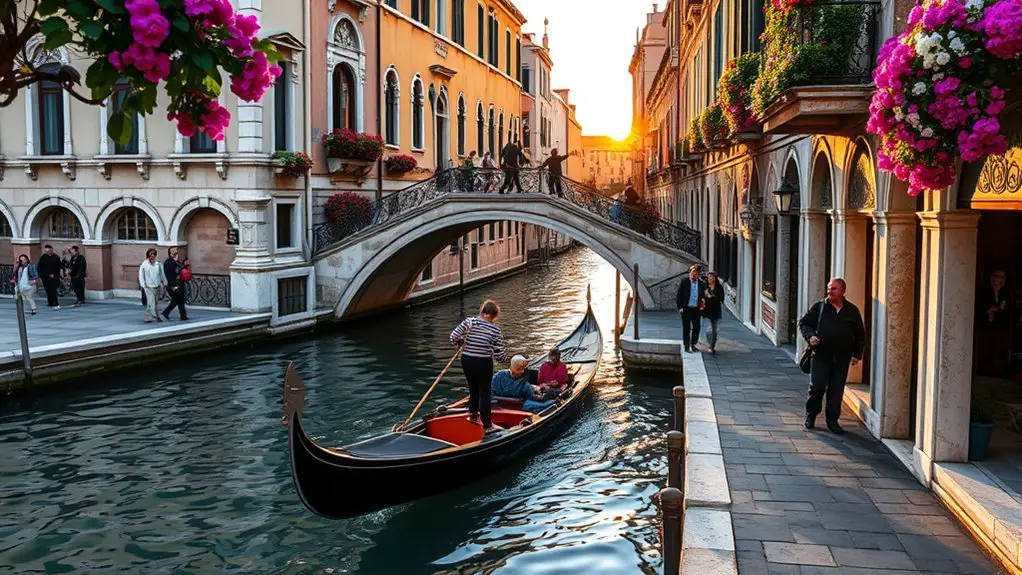
Last Updated on July 24, 2026 by Daniel Globe
Two days in Venice gives you enough time to see St. Mark’s Square, cross the Rialto Bridge, ride the Grand Canal, sample cicchetti, and spend part of a day on Murano and Burano. The key is to reserve your fixed-time attractions first, then build the rest of your 48-hour Venice itinerary around those bookings instead of trying to rush between every famous sight.
Quick Answer
For a first 48 hours in Venice, spend Day One around the Grand Canal, Rialto, St. Mark’s Basilica, Doge’s Palace, and an evening gondola ride or cicchetti crawl. Use Day Two for Murano and Burano, then return for Cannaregio or Dorsoduro. Book timed attractions before finalizing the itinerary.
Key Takeaways
- A 48-hour ACTV transport pass currently costs €35 and is useful if you plan to ride the Grand Canal and visit the lagoon islands.
- For 2026, Venice’s Access Fee applies on 60 selected dates from April 3 through July 26 between 8:30 a.m. and 4:00 p.m.; exemptions and registration rules vary by visitor type.
- St. Mark’s Basilica is not generally free for tourists in 2026, and appropriate clothing covering shoulders and knees is required.
- Reserve St. Mark’s Basilica, Doge’s Palace, and any Clock Tower visit before fitting meals, shopping, and neighborhood walks around them.
- Murano and Burano can take much of Day Two, so avoid packing several major museums into the same afternoon.
At a Glance
| Time Required | Two full days, ideally with two nights in or near Venice’s historic center |
| Difficulty | Moderate; expect substantial walking, bridges, stairs, and time on waterbuses |
| Tools Needed | Comfortable walking shoes, smartphone, attraction confirmations, photo ID, and a small day bag |
| Cost | Variable. Current examples include €35 for a 48-hour ACTV pass and, when applicable, a €5 or €10 Venice Access Fee. Food, accommodation, attractions, airport transfers, and gondola rides are extra. |
Disclosure: As an Amazon Associate I earn from qualifying purchases. Some links on this page are affiliate links, at no extra cost to you.
Plan Your 48 Hours Before Arriving
Venice works best when you organize the trip around the few things that have fixed entry times. Before leaving home, check the official availability for St. Mark’s Basilica, Doge’s Palace, and any tour you consider essential.
If you want to enter the interior of the Torre dell’Orologio, or Clock Tower, that visit also needs advance booking and takes place with a specialized guide. It is not simply a walk-in tower attraction.
Pro Tip: Book the Basilica and Doge’s Palace first. Add your gondola ride, restaurants, shopping, and neighborhood walks around those reservations. This prevents one delayed activity from disrupting the entire day.
Venice Access Fee and What You Need to Know
Venice’s Access Fee remains an important planning detail, but the original 2025 launch rules are no longer the current reference point. According to the City of Venice’s official Access Fee information, the 2026 trial applies on 60 selected dates from April 3 through July 26, 2026, between 8:30 a.m. and 4:00 p.m.
Visitors who are required to pay are charged €5 when payment is completed by the fourth-last day before entry. The fee rises to €10 when payment is made later. Children aged 0–13 do not pay and do not need to register, although proof of age may be requested.
For 2026, Venice applies its Access Fee on selected days between 8:30 a.m. and 4:00 p.m., with an early-payment rate of €5 and a later rate of €10.
Tourists staying overnight in an accommodation facility within the Municipality of Venice are generally exempt from paying the Access Fee because they fall under the tourist-tax system. However, on dates when the Access Fee applies, qualifying overnight guests normally need the required exemption voucher or declaration. Ask your accommodation about the procedure or follow the instructions on the official Access Fee portal.
The official 2026 FAQ says the current experimental period ends after July 26, 2026. On later 2026 dates, no Access Fee payment or exemption formality is required unless the city adopts new provisions.
Note: Access Fee rules can change from year to year. Check the official Venice portal for the exact date of your trip rather than relying on an older article or social-media post.
Arriving in Venice
If you arrive by train, make sure your destination is Venezia Santa Lucia, not only Venezia Mestre on the mainland. Santa Lucia places you directly beside the Grand Canal.
Travelers arriving by road reach terminals such as Piazzale Roma or Tronchetto because ordinary vehicles do not continue through Venice’s historic center. The official Venezia Unica arrival guide explains connections by train, plane, car, bus, and ship.
If you fly into Marco Polo Airport, do not assume an ordinary ACTV 24-, 48-, or 72-hour city transport pass includes your airport journey. Standard passes exclude trips to or from Marco Polo Airport unless you purchase a product that specifically includes the airport connection.
Warning: Venice involves many bridges and steps. Heavy rolling luggage can quickly become frustrating, so pack as lightly as practical and confirm the route from your arrival point to your accommodation.
Where to Stay for Two Days in Venice
With only 48 hours, location matters more than having a long list of hotel amenities. Staying within Venice’s historic center lets you walk early in the morning and after day visitors leave.
San Marco and San Polo put you close to the major sights. Cannaregio can offer a quieter feel while keeping you near Santa Lucia Station and many bacari. Dorsoduro works well if you prefer galleries, quieter canals, and evening walks away from the busiest parts of St. Mark’s Square.
Key Attractions in St. Mark’s Square
St. Mark’s Square, or Piazza San Marco, contains several of Venice’s essential sights, so it deserves a focused block of time rather than a rushed photo stop.
Start with St. Mark’s Basilica. General tourist admission is not free in 2026. The official Basilica ticket office currently lists individual Basilica admission at €10, with higher-priced options that include the Pala d’Oro, museum, and Horses Loggia.
The Basilica remains an active place of worship. Visitors should wear clothing appropriate to the religious setting, including covered shoulders and knees, and paid tourist entry may be restricted during services.
Next, visit the Doge’s Palace, one of the defining examples of Venetian Gothic architecture. The official St. Mark’s Square Museums ticket also covers the Museo Correr, National Archaeological Museum of Venice, and Monumental Rooms of the Marciana National Library. Check current opening hours and ticket conditions before choosing how much of the combined itinerary you can realistically see.
The Torre dell’Orologio, the 15th-century Clock Tower overlooking the square, is another landmark worth noticing. Interior visits, however, require prior booking and a specialized guide through the official Clock Tower ticket system.
Finally, consider the Campanile di San Marco for a high viewpoint over Venice and the lagoon. Its opening times and available entry slots should be checked for your travel date, especially if you hope to visit near sunset.
Navigating the Canals: Getting Around Venice
Walking is the main way to experience central Venice, but the vaporetto, or public waterbus, saves time on longer trips and gives you a memorable view from the water.
Current ACTV visitor fares include €9.50 for a 75-minute Rete Unica ticket, €25 for 24 hours, and €35 for 48 hours.
The official AVM fare page lists a standard 75-minute Rete Unica ticket at €9.50 and a 48-hour pass at €35. If you expect to use waterbuses for the Grand Canal plus Murano and Burano, the 48-hour option can be more convenient than buying several individual tickets.
A ride along the Grand Canal passes a remarkable sequence of historic palaces, churches, bridges, and waterfront façades. Line choice and service patterns can change, so check the current route rather than building your trip around an old timetable.
For journey planning and ticket management, use the AVM Venezia Official App. It provides route planning, schedules, service news, and mobile ticket purchase and activation.
A water taxi offers private point-to-point transport and can be useful when arriving with luggage or splitting the fare among a group, but it costs substantially more than public transport.
Venice also publishes accessible Venice information for travelers with reduced mobility. Because bridges and steps are common, checking an accessible route in advance can make a major difference.
Best Time to Visit Venice
There is no single perfect month for Venice. Spring and autumn can bring milder temperatures than high summer, while winter can be quieter. Crowd levels also depend on weekends, holidays, festivals, cruise traffic, and major events.
For a two-day visit, the more useful strategy is to book headline attractions for early or late slots and explore popular outdoor areas such as Rialto and St. Mark’s Square before the busiest part of the day.
Peak Tourist Season
Late spring and summer bring strong visitor demand, warmer weather, and heavier pressure on the main routes between Rialto and St. Mark’s Square. Accommodation can also become more expensive or limited, so advance booking is particularly valuable.
Instead of assuming the entire city will be crowded all day, use timing to your advantage. Early mornings, evenings, Cannaregio, Dorsoduro, and quieter side streets can feel very different from the busiest central routes.
Recommended Visiting Months
September through November can be rewarding because temperatures are generally cooler than midsummer, but autumn also brings a greater need to pay attention to high-tide forecasts.
Acqua alta is a tidal phenomenon rather than something confined to a rigid October-to-January season. The City of Venice notes that elevated-tide events are usually temporary and publishes current conditions through its Centro Maree.
Note: Check the tide forecast shortly before and during your visit if elevated water is expected. Conditions can affect walking routes and some vaporetto operations.
Detailed Itinerary for Day One
This schedule assumes you have most of Day One available. Adjust the exact times around the admission slots you secure for St. Mark’s Basilica and Doge’s Palace.
Morning: Grand Canal and Rialto
If you arrive at Santa Lucia Station, activate your ACTV ticket or pass and begin with a vaporetto ride along the Grand Canal. The journey doubles as transportation and a first sightseeing experience.
Get off near Rialto and cross the Rialto Bridge. Spend some time around the nearby lanes and market area rather than stopping only for a bridge photo.
Lunch: Fresh Pasta or Cicchetti
For a sit-down meal, 6342 A Le Tole remains an option for fresh pasta in Castello. Alternatively, keep lunch light with cicchetti at one or two bacari so you do not lose a large part of the afternoon to a long meal.
Afternoon: St. Mark’s Basilica and Doge’s Palace
Walk toward St. Mark’s Square for your reserved Basilica entry. Allow time for the mosaics and interior rather than treating the church as a five-minute stop.
Continue to Doge’s Palace. It contains far more than the exterior courtyard, so a proper visit can easily occupy a substantial part of the afternoon.
If your schedule and opening hours line up, visit the Campanile di San Marco afterward for a high view over the city and lagoon.
Evening: Cicchetti or a Gondola Ride
As the daytime crowds ease, take a slower walk through the back streets. A cicchetti crawl gives you a chance to try several small dishes rather than committing to one large dinner.
If a gondola ride is high on your list, evening can also be a memorable time to do it. The City of Venice’s official gondola tariff currently sets the daytime rate at €90 for a 30-minute tour between 9:00 a.m. and 7:00 p.m. and the nighttime rate at €110 for a 35-minute tour from 7:00 p.m. onward. A gondola can carry up to five passengers.
Pro Tip: Ask the gondolier about the planned route before boarding. A quieter small-canal route gives a different experience from a route focused mainly on the busiest central waterways.
Exploring the Hidden Gems on Day Two
Day Two takes you beyond central Venice to Murano and Burano. Leave early because traveling between the historic center and the lagoon islands takes a meaningful part of the day.
Start with a vaporetto ride to Murano, known for its long glass-making tradition. You can watch a glass-making demonstration and browse workshops or shops, but do not feel pressured to purchase anything immediately.
Continue to Burano, famous for brightly colored houses and its lace-making heritage. Give yourself enough time to walk away from the busiest arrival area and explore the quieter residential lanes.
- Consider lunch at Riva Rosa, which remains a Burano restaurant focused on Venetian seafood, pasta, and risotto; check current hours and reservations before traveling.
- A guided lagoon-island tour can simplify transportation, while independent travel gives you more control over how long you stay on each island.
- Return to central Venice with enough time for a relaxed aperitivo rather than scheduling another major timed attraction immediately after the islands.
Note: Murano plus Burano is closer to a major half-day or full-day activity than a quick side trip. Travelers more interested in museums and historic Venice can shorten the island portion and spend the extra time in Cannaregio or Dorsoduro.
Culinary Delights: Where to Eat in Venice
Food is one of the easiest ways to slow down during an otherwise busy Venice itinerary. Rather than eating every meal beside the most famous landmarks, step into the surrounding neighborhoods and look for bacari, seafood restaurants, bakeries, and gelaterie.
Cicchetti are Venetian small bites commonly eaten with a drink at a bacaro. Options vary but can include seafood, meatballs, vegetables, cheeses, and bread topped with seasonal ingredients.
On Burano, fish and seafood are natural choices, including risotto and mixed fried seafood. Back in central Venice, a spritz makes a classic aperitivo. Aperol is one common choice, while other Venetian versions use different bitter liqueurs.
For dessert, Gelatoteca Suso remains a popular Venice gelateria with locations in the city, making it an easy stop near the Rialto and San Marco area.
| Food or Drink | What It Is |
|---|---|
| Cicchetti | Venetian small plates or snacks often enjoyed at a bacaro |
| Gran Fritto Misto | A mixed selection of fried fish and seafood |
| Seafood Risotto | Rice cooked with seafood and local flavors; especially appropriate on the lagoon islands |
| Spritz | An aperitivo commonly made with sparkling wine, a bitter component, and soda |
| Gelato | Italian-style frozen dessert available throughout Venice |
| Bacari | Traditional Venetian wine bars where cicchetti are commonly served |
Tips for Booking Tickets and Tours
With only two days in Venice, good booking decisions can save more time than trying to walk faster.
- St. Mark’s Basilica: Use the official Basilica ticket office and select the exact areas you want to visit. Do not rely on old claims that general tourist admission is free.
- Doge’s Palace: The official St. Mark’s Square Museums ticket includes Doge’s Palace plus Museo Correr, the National Archaeological Museum, and the Monumental Rooms of the Marciana Library.
- Clock Tower: Reserve ahead if you want to go inside. Visits are conducted with a specialized guide.
- Gondola: Know the official municipal tariff before agreeing to a ride or purchasing a third-party package.
- Murano and Burano tours: Compare guided-tour duration with independent vaporetto travel. Short tours can leave very little free time on each island.
The standard full-price St. Mark’s Square Museums ticket is currently listed at €35. The official museum site also advertises a €30 online price when the qualifying purchase conditions are met, so check the current terms when booking.
Pro Tip: Save confirmations or tickets offline on your phone. Narrow streets and busy tourist areas are not the ideal time to search through old emails for a reservation number.
Enjoying the Islands of Murano and Burano
Murano and Burano offer a different side of the Venetian lagoon and deserve more than a rushed photo stop.
On Murano, glass-making is the main draw. Watch a demonstration if it interests you, then spend time walking beyond the showroom areas to see the island itself.
Afterward, continue by vaporetto to Burano. Its brightly painted houses make it immediately recognizable, while its lace tradition provides cultural context beyond the colorful façades.
For lunch, Riva Rosa remains one option for seafood, pasta, and risotto. Because restaurant schedules and availability change, check the restaurant before making it the anchor of your island itinerary.
Visit early if possible. The islands feel more relaxed before the heaviest flow of organized day tours, and an early start gives you more flexibility if transport is busy.
Additional Recommendations for Your Trip
If you still have time after the main itinerary, Venice offers several worthwhile alternatives.
- Visit the Peggy Guggenheim Collection in Dorsoduro if modern art interests you more than spending the full day on the lagoon islands.
- Join a Venetian mask-making workshop for a hands-on activity rather than another sightseeing stop.
- Walk through Cannaregio for quieter canals and bacari, particularly in the evening.
- Explore Dorsoduro for galleries, waterfront walks, and a calmer contrast to the San Marco area.
If you are already visiting Doge’s Palace, review the St. Mark’s Square Museums ticket before buying separate museum admissions. The combined ticket covers Doge’s Palace, Museo Correr, the National Archaeological Museum, and the Monumental Rooms of the Marciana Library.
Note: Getting a little lost is part of Venice, but leave extra time before trains, restaurant reservations, and timed attraction entries. A route that looks short on a map may involve narrow lanes, crowds, bridges, or a missed turn.
Frequently Asked Questions
What should I do on a 2-day Venice itinerary?
Spend Day One around the Grand Canal, Rialto Bridge, St. Mark’s Basilica, Doge’s Palace, and an evening cicchetti crawl or gondola ride. On Day Two, visit Murano and Burano, then return for an evening walk through Cannaregio or Dorsoduro.
Is 48 hours enough in Venice?
Yes. Forty-eight hours is enough for Venice’s headline sights and one lagoon-island excursion if you book important attractions in advance. It is not enough to see every museum, island, church, and neighborhood, so choose a few priorities and leave time for walking.
Is 2 days long enough in Venice?
Two days gives first-time visitors a strong introduction to Venice. You can see St. Mark’s Square, Rialto, the Grand Canal, local food spots, and Murano or Burano. A longer stay is better for travelers who want several museums, churches, outer islands, or slower neighborhood exploration.
What should I not miss in Venice?
For a first visit, prioritize St. Mark’s Basilica, Doge’s Palace, Rialto Bridge, a trip along the Grand Canal, and time away from the busiest streets. Add a gondola ride if that experience matters to you, and try cicchetti at a bacaro.
Do I need to pay the Venice Access Fee in 2026?
It depends on your date, arrival time, and exemption status. For 2026, the Access Fee applies on 60 selected dates from April 3 through July 26 between 8:30 a.m. and 4:00 p.m. Qualifying overnight guests are exempt from payment but generally need the required exemption documentation on active dates.
Is a 48-hour vaporetto pass worth it?
It can be. The current ACTV 48-hour pass costs €35. It is especially useful when your itinerary includes a Grand Canal ride plus Murano and Burano. Travelers making only one or two waterbus trips should compare the pass with individual €9.50 tickets.
Sources
- City of Venice Access Fee — official 2026 dates, payment rules, exemptions, and visitor procedures.
- AVM/ACTV Vaporetto — current public-transport fares and time-limited passes.
- St. Mark’s Basilica Official Ticket Office — current admission products, prices, and Basilica visitor information.
- Doge’s Palace Official Visitor Information — opening hours, admission prices, and St. Mark’s Square Museums ticket coverage.
- City of Venice Gondola Service — official gondola tariffs, ride duration, and passenger limits.
- Venice Centro Maree — official tide levels and acqua alta forecasts.
Conclusion
Forty-eight hours is enough to experience the core of Venice when you resist the urge to schedule every minute. Give Day One to the Grand Canal, Rialto, St. Mark’s Square, the Basilica, and Doge’s Palace, then slow down over cicchetti or a gondola ride. Use Day Two for Murano and Burano before returning to the quieter canals of Cannaregio or Dorsoduro. Check current tickets, transport rules, tides, and the Venice Access Fee before you travel, then leave some unscheduled time to wander—the unplanned streets and canals are often the part of Venice you remember most.
