
Last Updated on July 24, 2026 by Daniel Globe
Italy’s rich tapestry of cities offers an unparalleled travel experience, blending millennia of history, world-class art, stunning coastal scenery, and celebrated regional cuisines. Whether navigating the ancient streets of Rome, drifting through Venice’s historic canals, or tasting authentic Neapolitan pizza, planning a trip across Italy requires knowing where to go, how to travel efficiently, and what to book in advance.
Quick Answer
The best cities to visit in Italy include Rome for ancient history, Florence for Renaissance art, Venice for unique canal experiences, Bologna and Naples for world-class food, and Milan for modern culture. Connect major cities using Italy’s efficient Frecciarossa high-speed rail, and reserve tickets for major landmarks at least 1 to 2 months in advance.
Key Takeaways
- Top First-Timer Hubs: Rome, Florence, and Venice form Italy’s classic “Golden Triangle” connected by direct high-speed trains.
- Culinary Hotspots: Visit Bologna for authentic ragù and Parmigiano-Reggiano, and Naples for UNESCO-recognized Neapolitan pizza.
- Book Ahead: Top attractions like the Colosseum, Vatican Museums, Uffizi Gallery, and Last Supper require advance timed-entry tickets.
- Coastal Escapes: Explore Cinque Terre and the Amalfi Coast, making sure to secure necessary hiking passes and local ferry transport.
Note: Italy’s main cities—Rome, Florence, Venice, Milan, Bologna, and Turin—are connected by the high-speed Frecciarossa and Italo rail networks, making city-hopping fast, comfortable, and eco-friendly without needing a rental car.
Disclosure: As an Amazon Associate I earn from qualifying purchases. Some links on this page are affiliate links, at no extra cost to you.
Discover Rome: Italy’s Historical Heart
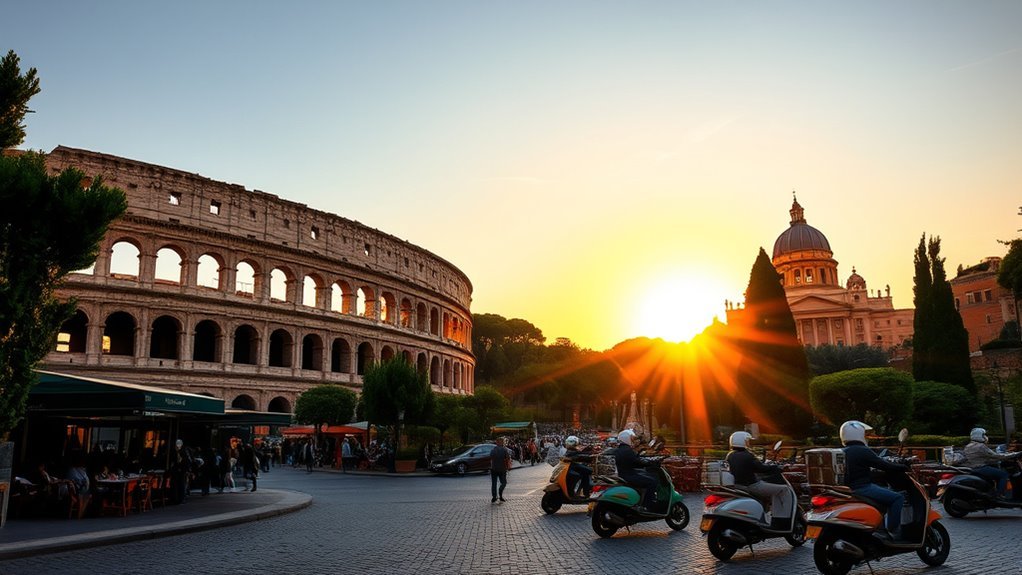
When you step into Rome, known worldwide as the Eternal City, you are surrounded by over 2,500 years of living history. Ancient architecture defines the urban landscape, from the colossal outer walls of the Colosseum to the ancient concrete dome of the Pantheon. Between sightseeing, Rome’s vibrant street life takes center stage—locals converse at bustling neighborhood piazzas, and the aroma of fresh Roman pasta (such as Cacio e Pepe and Carbonara) fills the air.
A short trip across the Tiber River brings you to Vatican City and the Vatican Museums, home to Michelangelo’s breathtaking Sistine Chapel ceiling and centuries of papal art collections. Plan to spend at least 3 to 4 days in Rome to explore its vast UNESCO World Heritage centers without rushing.
Pro Tip: Tickets for the Colosseum and Vatican Museums frequently sell out weeks in advance during peak season (April to October). Reserve timed-entry tickets directly through official museum websites to avoid inflated third-party reseller prices.
Venice: A Romantic Canal Adventure
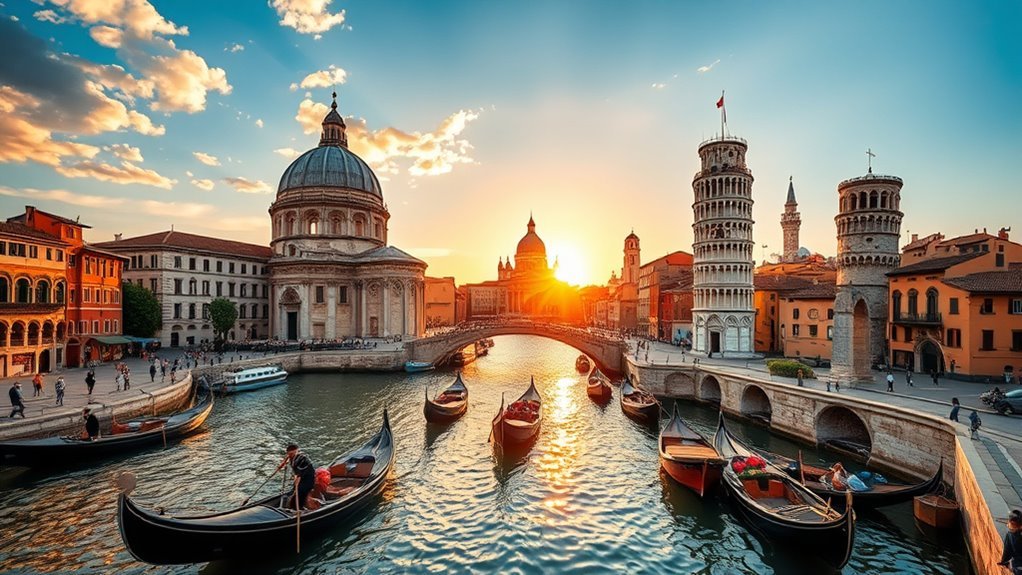
Built across 118 small islands separated by canals and linked by bridges, Venice is a pedestrian-only masterpiece. Gliding through its winding waterways offers an intimate look at ornate Venetian Gothic architecture and historic marble palazzos rising directly from the water. Recommended stay: 2 days.
Iconic Gondola Rides
Taking a traditional gondola ride along quiet side canals remains one of Venice’s signature travel experiences. Here is essential, updated practical information for taking a gondola in Venice:
- Official Day & Night Rates: City-regulated rates are standardized at €90 for a 30-minute daytime ride (8:00 AM to 7:00 PM) and €110 for a 35-minute evening ride (7:00 PM to 8:00 AM). Rates are per boat, not per person.
- Passenger Capacity: Standard gondolas accommodate up to 5 passengers maximum.
- Landmarks & Routes: Request quiet back-canal routes near San Polo or Cannaregio rather than the crowded Grand Canal for a smoother, more peaceful trip.
- Budget Alternative: To cross the Grand Canal for just €2, ride a local traghetto—a large public gondola operated by two oarsmen.
Warning: Gondola prices are strictly regulated by the City of Venice (Comune di Venezia). Always confirm the price and exact duration with the gondolier before boarding. Tips are optional, and music/singing requires booking a separate serenata service.
Hidden Gems to Explore
Beyond St. Mark’s Square and the Rialto Bridge, Venice rewards travelers who venture into quiet residential districts:
- Cannaregio District: Explore authentic neighborhood bacari (wine bars), historic synagogues, and relaxed canal paths.
- Murano Island: Take a short vaporetto (water bus) ride to witness master artisans blowing hand-crafted Venetian glass.
- Burano Island: Famous for its brightly painted lace-makers’ cottages and seafood risotto (risotto alla buranella).
Florence: The Cradle of Renaissance Art
Florence, the birthplace of the Italian Renaissance, concentrates centuries of artistic innovation within a highly walkable city center. Art lovers and history enthusiasts will find world-famous masterpieces around every corner. Recommended stay: 2 to 3 days.
- The Duomo (Santa Maria del Fiore): Climb Brunelleschi’s engineering marvel for panoramic views over Florence’s terracotta rooftops.
- Uffizi Gallery: Walk through the world’s premier Renaissance museum, housing Botticelli’s Birth of Venus and works by Leonardo da Vinci and Raphael. Secure tickets via the official Uffizi portal.
- Accademia Gallery: Stand before Michelangelo’s majestic 17-foot marble statue of David.
- Ponte Vecchio: Cross the historic 14th-century covered bridge lined with traditional goldsmiths and jewellers.
- Tuscan Gastronomy: Pair local Chianti Classico wine with thick Bistecca alla Fiorentina (T-bone steak) and hearty ribollita vegetable soup.
“Florence is a living museum where architectural geometry, humanism, and Renaissance genius meet along the banks of the Arno River.”
Amalfi Coast: Stunning Views and Coastal Bliss
Stretching along the Tyrrhenian Sea south of Naples, the Amalfi Coast features dramatic vertical cliffs, pastel-colored fishing villages, and terraced lemon groves. Towns like Positano, Amalfi, and Ravello offer Mediterranean views, pristine seafood, and local limoncello liqueur. Recommended stay: 3 to 4 days.
- Scenic Boat Excursions: View the dramatic coastline from the water or take ferries between Salerno, Positano, and Amalfi to avoid congested coastal roads.
- Path of the Gods (Sentiero degli Dei): Hike this spectacular cliffside trail high above the sea from Bomerano to Nocelle.
- Tranquil Off-Season Travel: Visit during shoulder months (May or September–October) for pleasant warm weather with significantly fewer crowds.
Cinque Terre: Colorful Villages and Scenic Trails
Located on the rugged Ligurian coast, Cinque Terre comprises five cliffside villages—Monterosso al Mare, Vernazza, Corniglia, Manarola, and Riomaggiore. This car-free National Park is celebrated for its dramatic coastal hiking, terraced vineyards, and fresh Ligurian basil pesto.
Best Hiking Trails
The famous coastal trail network connects all five villages, offering spectacular views over the Mediterranean Sea:
- Sentiero Azzurro (Blue Trail): The primary coastal path connecting Monterosso to Riomaggiore. Note that key sections require purchasing an official Cinque Terre Trekking Card.
- Trail Direction Rules: To manage tourist traffic during busy peak days, park management enforces a one-way trail system (Monterosso to Vernazza) during morning hours.
- Safety Essentials: Sturdy hiking shoes with good grip are mandatory; sandals and flip-flops are strictly prohibited on park trails and subject to fines.
Pro Tip: Purchase the daily Cinque Terre Card through the official Cinque Terre National Park website. It includes unlimited hiking trail access and unlimited regional train rides between La Spezia, the five villages, and Levanto.
Vibrant Local Cuisine
Ligurian cuisine reflects its coastal terrain. Key regional specialties include:
- Trofie al Pesto: Hand-rolled twisted pasta tossed with authentic Genovese basil pesto, pine nuts, and pecorino cheese.
- Fresh Anchovies: Salted or marinated anchovies from Monterosso, served with fresh lemon juice and local olive oil.
- Sciacchetrà Wine: A rare, sweet dessert wine produced from dried grapes grown on steep stone-walled terraces.
Unique Village Experiences
- Monterosso: Features the largest sandy beach, expansive seafront promenades, and beach club rentals.
- Vernazza: Built around a natural harbor with a historic watchtower and seaside piazza.
- Corniglia: The quietest village, perched high on a cliff top accessible via the 382-step Lardarina staircase.
- Manarola & Riomaggiore: Iconic colorful houses built down steep ravines, perfect for enjoying Mediterranean sunsets.
Milan: Exploring Fashion and Modern Culture
Milan is Italy’s financial engine and undisputed fashion capital. A high-energy modern metropolis, Milan combines global luxury branding with Renaissance masterpieces and contemporary design. Recommended stay: 2 days.
- Duomo di Milano: The world’s third-largest cathedral, featuring over 3,400 statues and accessible rooftop terraces offering views stretching to the Alps.
- Galleria Vittorio Emanuele II: A glass-domed 19th-century arcade featuring luxury fashion houses like Prada, Armani, and Gucci.
- Leonardo’s Last Supper: View da Vinci’s iconic mural at Santa Maria delle Grazie (tickets must be booked months in advance).
- Navigli District: Enjoy Milanese evening aperitivo along canal banks designed in part by Leonardo da Vinci.
Bologna: A Culinary Haven Rich in Tradition
Capital of the Emilia-Romagna region, Bologna is renowned as Italy’s culinary epicenter. Home to Europe’s oldest university (founded in 1088), Bologna features long porticoed streets, red-brick towers, and rich gastronomic traditions. Recommended stay: 2 days.
- Mercato delle Erbe & Quadrilatero: Historic food markets packed with artisanal cheese shops, cured meat vendors, and fresh pasta stalls.
- Signature Dishes: Sample authentic tagliatelle al ragù (never called “spaghetti Bolognese” locally), hand-folded tortellini in broth, Mortadella IGP, and aged Parmigiano-Reggiano.
- Medieval Porticoes: Walk beneath Bologna’s UNESCO-listed portico network, stretching over 62 kilometers across the city.
Naples: The Vibrant Home of Pizza
Naples is an energetic, historic port city sitting beneath Mount Vesuvius. Famous for its intense local atmosphere, rich archaeological history, and street food traditions, Naples offers an unfiltered Italian experience. Recommended stay: 2 to 3 days.
Culinary Heritage and Tradition
Neapolitan pizza making (L’Arte del Pizzaiuolo Napoletano) is recognized by UNESCO as intangible cultural heritage. Authentic Neapolitan pizza must feature a soft, airy crust cooked in a wood-fired oven at 900°F (485°C) for just 60 to 90 seconds, topped with San Marzano tomatoes and fresh mozzarella di bufala.
Local Pizzerias to Explore
- L’Antica Pizzeria Da Michele: Operating since 1870, serving traditional Marinara and Margherita pizzas.
- Gino e Toto Sorbillo: Situated in the historic center along Via dei Tribunali, famous for high-quality local ingredients.
- Pastry Highlights: Try warm sfogliatella (flaky ricotta pastry) and rum-soaked babà at traditional Neapolitan bakeries.
Cultural Landmarks and Attractions
- Naples National Archaeological Museum (MANN): Houses the world’s finest collection of Roman mosaics and frescoes preserved from Pompeii and Herculaneum.
- Sansevero Chapel (Museo Cappella Sansevero): Home to Giuseppe Sanmartino’s incredible marble sculpture, the Veiled Christ.
- Day Trips to Pompeii & Herculaneum: Accessible in under 40 minutes via the Circumvesuviana or Campania Express train line.
Turin: Discovering Historical and Architectural Gems
Located in the northwestern Piedmont region, Turin served as the first capital of unified Italy. Defined by grand baroque boulevards, royal palaces, and views of the snow-capped Alps, Turin offers sophisticated culture with fewer tourist crowds. Recommended stay: 2 days.
- Egyptian Museum (Museo Egizio): The second-largest collection of Egyptian artifacts in the world after Cairo.
- Mole Antonelliana: The iconic 167-meter landmark housing the National Museum of Cinema.
- Gianduja & Bicerin: Savor hazelnut gianduiotto chocolates and traditional Bicerin—a historic warm drink made of espresso, melted chocolate, and whole milk.
Sicily: Ancient Ruins and Breathtaking Landscapes
Italy’s largest island, Sicily is a crossroad of Mediterranean civilizations. Greek temples, Byzantine mosaics, Norman cathedrals, and active volcanoes create a distinct cultural destination. Recommended stay: 5 to 7 days for an island road trip.
- Valley of the Temples (Agrigento): Exceptionally preserved 5th-century BC Greek Doric temples standing amidst almond orchards.
- Mount Etna: Europe’s highest active volcano, offering guided summit hikes, lava tube explorations, and high-altitude vineyard wine tastings.
- Taormina & Cefalù: Coastal hilltop towns with ancient Greco-Roman theaters overlooking turquoise bays.
- Sicilian Street Food: Enjoy savory arancini (stuffed rice balls), caponata eggplant relish, and crispy ricotta-filled cannoli.
Frequently Asked Questions
What is the best time to visit Italy’s cities?
The best times to visit Italian cities are spring (April to June) and autumn (September to October). During these shoulder months, temperatures are mild, crowds are smaller than in peak summer, and major attractions are easier to access.
How do I navigate public transportation in Italian cities?
Between major cities, use high-speed trains operated by Trenitalia (Frecciarossa) or Italo. Within cities, public transportation options include metros, buses, and trams. Always remember to validate physical paper bus/tram tickets before boarding to avoid steep fines.
Are there any city passes for tourists in Italy?
Yes, almost all major Italian tourist hubs offer city passes. Examples include the Roma Pass (includes free public transport and museum discounts), the Firenze Card in Florence, and the Campania Artecard in Naples. These passes save money if you plan on visiting multiple museums per day.
What are some local customs travelers should know?
Greetings like “Buongiorno” (Good morning) or “Buonasera” (Good evening) are standard when entering shops and restaurants. Cappuccino is traditionally drunk only in the morning before 11:00 AM; ordering an espresso (caffè) is customary after meals. In restaurants, service fees (coperto) are typically added to the bill, so tipping generously is not mandatory.
How can I avoid tourist traps in these cities?
Avoid eating at restaurants immediately adjacent to major landmarks that display multi-language menus with photos. Seek out local trattorie located 3 to 4 blocks away from main tourist plazas, buy museum tickets strictly through official ticket vendors, and verify standard pricing before taking gondolas or taxis.
Conclusion
Italy’s cities offer a captivating mix of historic monuments, cultural treasures, and world-renowned gastronomy. From Rome’s ancient monuments to Venice’s quiet back canals, Florence’s art galleries, and Naples’ vibrant street markets, every destination provides a unique slice of Italian life. By booking key attractions in advance, leveraging the high-speed rail system, and seeking out regional specialties, your Italian journey will be seamless and unforgettable. Pack your bags and begin planning your dream trip to Italy today!
Sources
- Italia.it — Official National Tourism Board of Italy
- Venezia Unica — Official Venice Tourism & Public Services Portal
- Parco Nazionale delle Cinque Terre — Official Cinque Terre National Park Board
- Gallerie degli Uffizi — Official Uffizi Gallery Visitor Information & Ticketing
- Musei Vaticani — Official Vatican Museums Administrative & Ticketing Site
