
Last Updated on July 23, 2026 by Daniel Globe
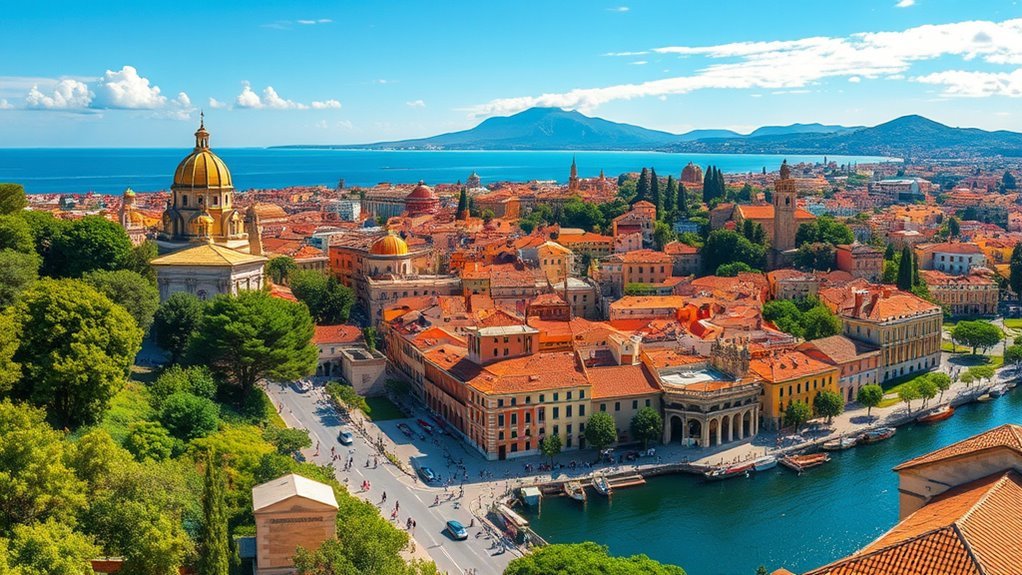
Sicily offers an extraordinary blend of ancient Mediterranean history, dramatic volcanic landscapes, rich culinary traditions, and pristine coastal beauty. From cliffside towns overlooking turquoise waters to majestic Greek ruins and vibrant open-air markets, exploring the island’s top urban centers provides an unforgettable travel experience across Southern Italy.
Quick Answer
The best cities to visit in Sicily include Taormina for cliffside sea views and ancient theatres, Palermo for Arab-Norman architecture and street food, Siracusa for Greek antiquities, Agrigento for the Valley of the Temples, and Cefalù for beaches. Exploring Mount Etna and the Baroque towns of Noto, Modica, and Ragusa completes a classic Sicilian itinerary.
Key Takeaways
- East Coast Highlights: Taormina, Siracusa, and Mount Etna combine ancient Greek heritage with spectacular coastal and volcanic scenery.
- West & North Coast Hubs: Palermo delivers world-class street food and historic cathedrals, while nearby Cefalù offers picturesque beachfront relaxation.
- Baroque Southeast: Noto, Modica, and Ragusa form a UNESCO-listed triumvirate renowned for ornate architecture and unique gastronomy.
- Archaeological Wonders: Agrigento’s Valley of the Temples stands as one of the best-preserved collections of Doric Greek temples in the world.
Disclosure: As an Amazon Associate I earn from qualifying purchases. Some links on this page are affiliate links, at no extra cost to you.
Discover Taormina’s Enchantment
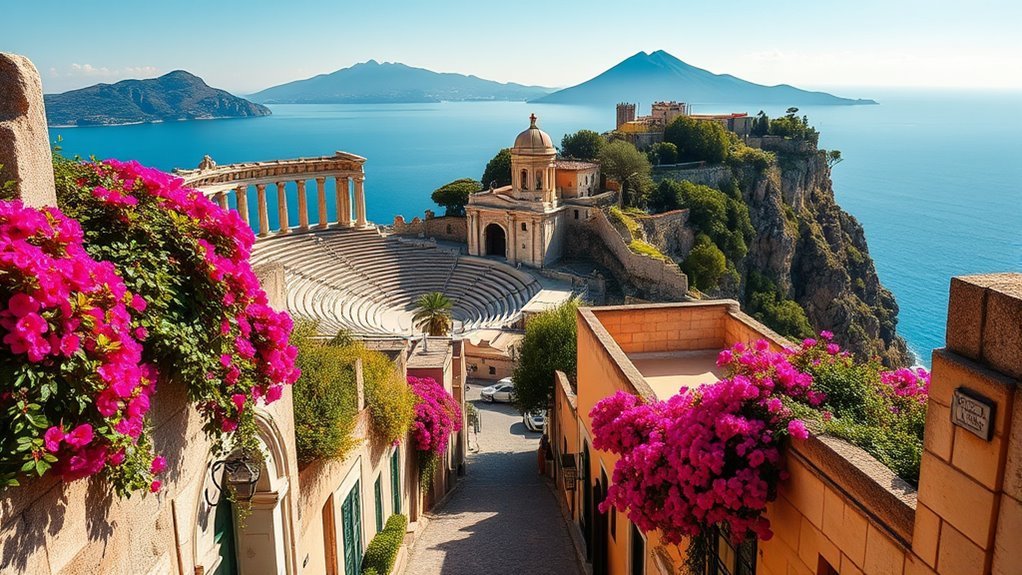
Nestled on a cliffside, Taormina captivates visitors with its breathtaking views of the Ionian Sea and Mount Etna. As you wander through this scenic town, you’ll discover a rich array of cultural attractions. Don’t miss the ancient Teatro Antico di Taormina, a historic venue where classical performances echo against a backdrop of sea and sky. Stroll along Corso Umberto, the vibrant main pedestrian street lined with artisan shops, cafes, and restaurants serving fresh seafood and Sicilian granite.
For a refreshing retreat, head down to Isola Bella, a nature reserve and small island surrounded by crystal-clear waters that are ideal for snorkeling and sea kayaking. As the sun sets, Taormina’s atmospheric piazzas come alive with outdoor dining and vibrant evening entertainment, making it an essential stop on any coastal itinerary.
Pro Tip: Book entry tickets for the Greek Theatre online in advance, especially during mid-summer peak hours, to avoid long ticket lines and secure sunset views over Mount Etna.
Explore Siracusa’s Ancient Wonders
Stepping into Siracusa immerses you in thousands of years of Mediterranean history. Once a dominant power in Magna Graecia, this UNESCO World Heritage Site preserves some of classical antiquity’s most impressive archaeological treasures. Key highlights include:
- Greek Theatre: Located inside the Neapolis Archaeological Park, this magnificent 5th-century BCE structure continues to host classical Greek plays every summer.
- Ear of Dionysius: A towering limestone cave known for its unique teardrop shape and extraordinary acoustic reverberation.
- Ortigia Island: Siracusa’s historic core, where narrow medieval alleyways lead to grand Baroque piazzas and the Cathedral of Siracusa, constructed directly over the ancient columns of a Temple of Athena.
Beyond its ancient monuments, Siracusa offers fresh seafood at the lively Ortigia Street Market and picturesque waterfront promenades along the Ionian shoreline.
Immerse Yourself in Palermo’s Vibrant Culture
Palermo, Sicily’s energetic capital, dazzles visitors with a unique fusion of history, architecture, and gastronomy. Recognized for its UNESCO-listed Arab-Norman architecture, the city boasts masterworks such as the Palatine Chapel inside the Royal Palace and the grand Palermo Cathedral. Stroll through bustling historical street markets like Ballarò, Vucciria, and Capo, where vendors call out and local culinary traditions flourish. Here, you can sample iconic Sicilian street foods like arancini (stuffed rice balls), panelle (chickpea fritters), and fresh cannoli.
Culture enthusiasts should reserve time for a performance or guided historical tour at the Teatro Massimo, Italy’s largest opera house, famous for its grand staircase and acoustics. Palermo’s lively public squares, historic palazzos, and rich artistic scene create an unforgettable urban experience.
Relax in Cefalù’s Coastal Charm
With its wide sandy beaches and dramatic backdrop of La Rocca, Cefalù offers one of northern Sicily’s finest coastal escapes. Situated just an hour east of Palermo, this historic fishing town combines seaside leisure with rich medieval history.
Cefalù seamlessly blends sandy beaches, medieval cobblestone streets, and exceptional Norman architecture into a relaxing coastal getaway.
- Explore the Beaches: Enjoy sunbathing and swimming at the main town beach (Lungomare) or seek quieter coves like Kalura Cove just east of town.
- Savor Local Cuisine: Dine in Piazza Duomo in the shadow of Cefalù’s Norman Cathedral, sampling fresh pasta with swordfish or roasted eggplant.
- Hike La Rocca: Climb the steep trail up La Rocca for panoramic views across the Tyrrhenian coast and to examine the ancient Temple of Diana ruins.
Hike Mount Etna’s Majestic Peaks
Rising to an altitude of approximately 3,357 meters, Mount Etna is Europe’s highest and most active stratovolcano. Hiking or touring its volcanic slopes reveals crater landscapes, ancient lava tunnels, and high-altitude views across the Sicilian countryside.
Best Hiking Trails
Mount Etna features diverse hiking trails suited for varying fitness levels and adventure preferences:
- Sapienza Trailhead: Located on the southern slope, offering accessible walks around the Silvestri Craters without requiring steep climbs.
- Sartorius Craters Trail: Located on the northern side, featuring pine forests, birch trees, and a chain of extinct volcanic craters.
- Summit Crater Excursions: High-altitude trekking routes accessible via cable car and specialized 4×4 vehicles accompanied by certified alpine guides.
Guided Tour Options
Departing from Refugio Sapienza at 1,900 meters, organized tours combine cable cars and off-road vehicles to reach elevated crater zones near 2,900 meters. Knowledgeable volcanic guides explain local geology, recent eruption history, and the unique flora thriving in nutrient-rich volcanic soil. Seasonal options range from summer hiking treks to winter snowshoeing excursions.
Scenic Viewpoints and Access
Ascending Etna offers sweeping panoramas stretching from the Ionian coastline to the interior mountain ranges. Guided wine-tasting tours in the foothills allow travelers to sample distinct Etna DOC wines made from grapes grown in volcanic soils.
Warning: Always check current volcanic activity reports before hiking Etna. Access to summit craters above 2,900 meters is strictly regulated and requires a licensed alpine or volcanological guide.
Unveil Noto’s Baroque Beauty
Rebuilt after a catastrophic earthquake in 1693, Noto stands as a premier example of Sicilian Baroque architecture. Built using local golden limestone that glows warmly in the afternoon sun, the entire town forms part of the Late Baroque Towns of the Val di Noto UNESCO World Heritage designation.
Architectural Marvels
- Noto Cathedral (Cattedrale di San Nicolò): Featuring an iconic grand staircase and a beautifully restored dome and interior.
- Corso Vittorio Emanuele: The town’s primary pedestrian boulevard, lined with grand churches, palaces, and gelato shops.
- Palazzo Nicolaci di Villadorata: Famous for its elaborate wrought-iron balconies decorated with carved mythical figures and cherubs.
Cultural Festivals and Celebrations
Every mid-May, Noto hosts the world-famous Infiorata di Noto festival, where local artists decorate Via Nicolaci with elaborate floral mosaics. Classical music concerts in Baroque churches and seasonal food festivals celebrating regional ingredients occur throughout the year.
Step Back in Time at Agrigento’s Temples
Located along a ridge overlooking the Mediterranean Sea, Agrigento’s Valley of the Temples (Valle dei Templi) is one of the world’s most significant archaeological complexes. Designated a UNESCO World Heritage Site, this 1,300-hectare park contains monumental Doric temple ruins dating back to the 5th century BCE:
- Temple of Concordia: Exceptionally well-preserved, standing as one of the finest surviving examples of classical Greek architecture anywhere.
- Temple of Juno: Perched at the highest edge of the ridge, offering dramatic coastal viewpoints.
- Temple of Heracles & Olympian Zeus: Massive ruins showcasing the sheer scale of ancient Akragas.
Note: Summer temperatures in Agrigento can be extreme. Visit early in the morning or during sunset when the temples are lit up and the heat subsides.
Savor Modica’s Famous Chocolate
Situated in the Hyblaean Mountains, Modica is celebrated for its historic architecture and its distinctive chocolate-making traditions. Cioccolato di Modica IGP is produced using an ancient cold-processing method introduced during Spanish rule in the 16th century, derived from Aztec recipes.
Unlike modern smooth chocolate, cold-processed Modica chocolate retains a characteristic grainy texture and rich cocoa flavor. Visitors can sample traditional varieties flavored with sea salt, red pepper, cinnamon, and citrus at historic confectioneries like Antica Dolceria Bonajuto. Autumn visitors can enjoy the annual Chocobarocco festival celebrating local chocolate craftsmanship.
Experience Aci Trezza’s Scenic Seascapes
Situated along the Riviera dei Ciclopi just north of Catania, the coastal village of Aci Trezza is renowned for the Cyclopean Isles—dramatic basalt rock formations rising directly out of the sea. Legend connects these islands to Homer’s Odyssey, where the Cyclops Polyphemus hurled boulders at Odysseus.
Aci Trezza combines ancient mythological lore, scenic marine reserves, and fresh seafood along Sicily’s eastern coast.
- Stroll the Waterfront Promenade: Watch colorful traditional fishing boats (gozzi) harbor along the coastline.
- Sample Seafood: Dine at seaside trattorias serving fresh swordfish, sea urchin pasta, and fried calamari.
- Explore Marine Reserves: Take boat tours, go snorkeling, or paddleboard around the protected volcanic islands.
Delve Into Ragusa’s Unique Heritage
Divided into two distinct districts—Ragusa Superiore and the lower historic district of Ragusa Ibla—Ragusa is a stunning mountain town filled with winding cobblestone streets and Sicilian Baroque monuments.
Baroque Architecture Wonders
- Duomo di San Giorgio: Located in Ragusa Ibla, featuring a magnificent dome and a soaring multi-tiered facade.
- Giardino Ibleo: A tranquil public park offering green pathways and sweeping views across the surrounding gorge.
- Historical Architecture Tours: Guided walks detailing how local stone masons rebuilt the hilltop city following the 1693 earthquake.
Culinary Delights Exploration
Ragusa is a culinary haven famous for regional specialties such as Ragusano DOP (a aged cow’s milk cheese), handmade cavati pasta with rich pork ragù, and savory scaccia (baked flatbread layered with tomato, cheese, and sausage). Located just 20 minutes from neighboring Modica, Ragusa also boasts multiple Michelin-starred restaurants highlighting refined Sicilian gastronomy using fresh, locally sourced agricultural ingredients.
Frequently Asked Questions
What Is the Nicest Part of Sicily to Visit?
Eastern Sicily—including Taormina, Siracusa, Mount Etna, and the Val di Noto—is widely considered the best region for first-time visitors due to its concentration of ancient ruins, coastal beauty, and easy transportation access via Catania airport.
What Is the Prettiest City in Sicily?
Taormina is frequently rated the prettiest city in Sicily due to its dramatic cliffside position overlooking the Ionian Sea, historic Greek Theatre, flowers, and romantic alleyways.
Why Is Sicily Regulating Visitor Numbers and Overtourism?
To protect fragile ecosystems, preserve historical architecture, and maintain municipal infrastructure during peak summer dry seasons, popular sites like Mount Etna’s summit trails, Isola Bella, and Agrigento require advance reservation tickets or guided entry caps.
Which Is Nicer, Catania or Palermo?
Palermo offers superior street food, grand cathedrals, and intense historical depth. Catania offers a energetic youth culture, dark lava-stone architecture, nightlife, and immediate access to Mount Etna.
Conclusion
From the ancient temples of Agrigento to the vibrant street markets of Palermo, Sicily presents an unforgettable combination of history, landscape, and culinary craftsmanship. Whether you are lounging along Cefalù’s beaches, hiking Mount Etna, or sampling cold-processed chocolate in Modica, every city on the island reveals a unique dimension of Mediterranean heritage. Plan your route, reserve key tickets early, and prepare to immerse yourself in the beauty of Southern Italy.
Sources
- UNESCO World Heritage Centre — Arab-Norman Palermo and the Cathedral Churches of Cefalú and Monreale
- UNESCO World Heritage Centre — Late Baroque Towns of the Val di Noto (Southeastern Sicily)
- UNESCO World Heritage Centre — Archaeological Area of Agrigento (Valley of the Temples)
- UNESCO World Heritage Centre — Mount Etna Inscription & Environmental Status
- Visit Sicily Official Portal — Regional Tourism Board Destination Data & Travel Regulations
