
Last Updated on August 26, 2026 by Daniel Globe
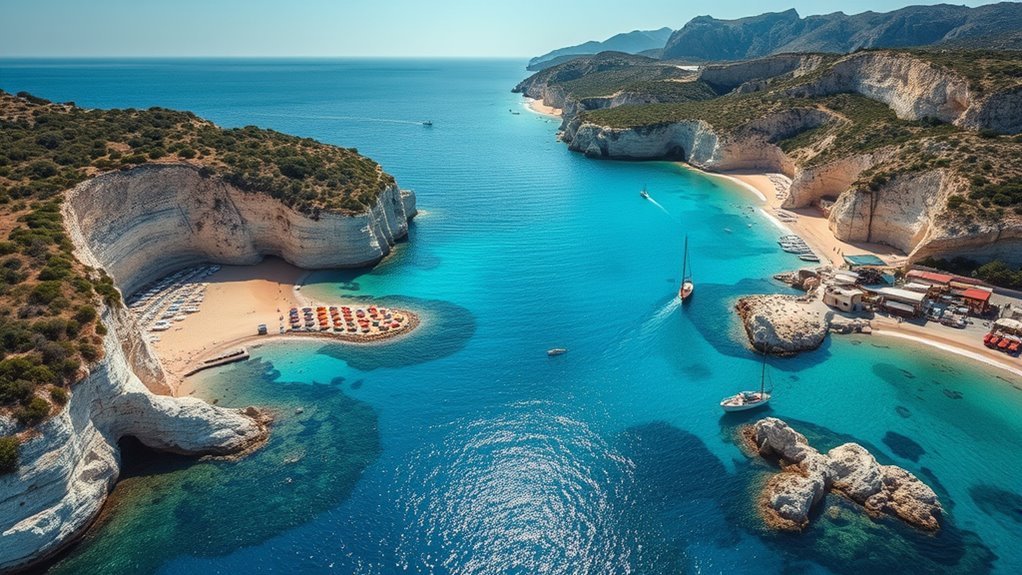
Sicily has beaches for almost every kind of trip, from broad sandy shores near lively towns to quiet coves inside protected nature reserves. Among the strongest choices are San Vito Lo Capo, Mondello, Cefalù, Calamosche, Fontane Bianche, Lido di Noto, Cala Azzurra on Favignana, Scala dei Turchi, and the coves of the Zingaro Reserve. The best choice depends on whether you value easy swimming, family facilities, hiking, scenery, or quick access from a city.
Quick Answer
For easy swimming and sand, start with San Vito Lo Capo, Mondello, Fontane Bianche, or Cefalù. Choose Calamosche or the Zingaro coves for a more natural setting, Cala Azzurra for a Favignana day trip, and Scala dei Turchi for dramatic scenery with controlled access.
Key Takeaways
- Best for families: San Vito Lo Capo, Fontane Bianche, Mondello, and Cefalù offer easy beach days with services nearby.
- Best for nature: Calamosche and the Zingaro coves require more effort but reward you with protected coastal scenery.
- Best island day trip: Cala Azzurra combines Favignana’s clear water with easy bicycle exploration.
- Best dramatic landscape: Scala dei Turchi is famous for its white marl formation, but access is controlled and can change for safety reasons.
- Best time: June and September usually balance warm beach weather with lighter crowds than July and August.
Disclosure: As an Amazon Associate I earn from qualifying purchases. Some links on this page are affiliate links, at no extra cost to you.
Best Beaches in Sicily: What to Know First
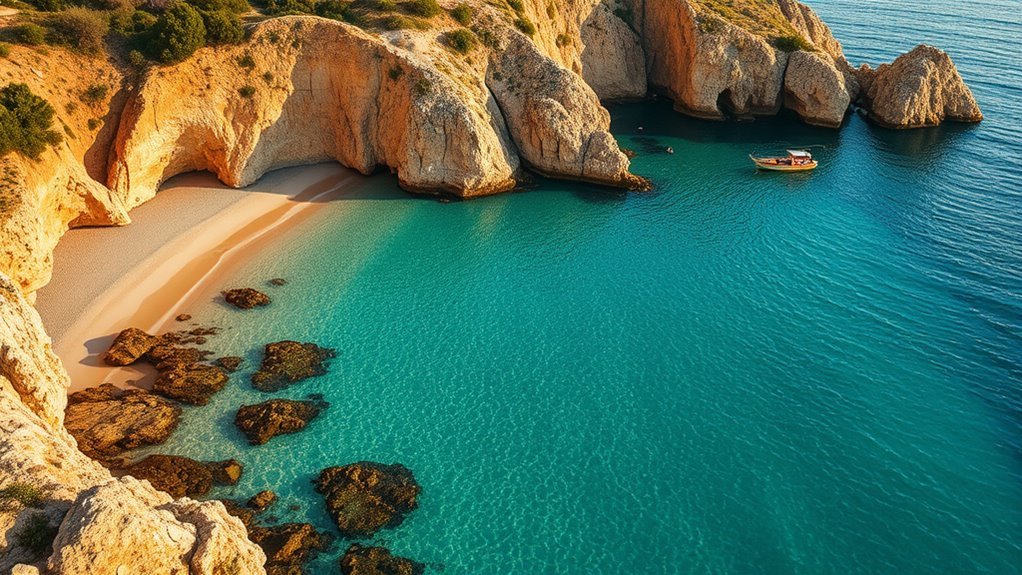
Sicily has roughly 1,000 km of coastline, with sandy beaches, pebbly coves, rocky inlets, offshore islands, and protected reserves. The island’s official tourism site highlights everything from the white sand of San Vito Lo Capo to the coves of the Zingaro Reserve and the beaches around Syracuse, Noto, Favignana, Cefalù, and Mondello.
For a classic beach holiday, June through September is the easiest period to plan around. July and August bring the biggest crowds, higher accommodation demand, and fuller beach clubs. June and September are often better if you want warm conditions with a little more space. Late spring and early autumn can also work, but weather and sea conditions become less predictable.
Many developed beaches have a mix of free public areas and private lidos where you can pay for loungers, umbrellas, changing facilities, showers, or food service. Prices vary significantly by beach, operator, date, and row position, so it is better to check locally rather than rely on one fixed island-wide price.
| Beach | Best For | What to Expect |
|---|---|---|
| San Vito Lo Capo | Families and sand | Wide sandy shore, services, shallow entry in calm weather |
| Calamosche | Nature and walking | Protected reserve, foot access, limited services |
| Cala Azzurra | Island day trips | Clear water, cycling, small cove setting |
| Scala dei Turchi | Scenery and photography | White marl cliffs, controlled access |
| Mondello | Palermo day trips | Sand, lidos, restaurants, busy summer atmosphere |
| Cala Marinella | Hiking | Small natural cove inside Zingaro |
| Cala dell’Uzzo area | Hiking and swimming | Clear water and pebbly shoreline |
| Fontane Bianche | Families | Fine pale sand and convenient services |
| Lido di Noto | Beach clubs and Noto | Long sandy beach and easy town combination |
| Cefalù | Beach plus sightseeing | Sand beside a historic town and dramatic Rocca backdrop |
Sicily’s coastline is diverse enough that the “best” beach depends less on one ranking and more on whether you want sand, services, hiking, clear water, or easy access from a town.
Pro Tip: For protected sites such as Zingaro, Vendicari, and Scala dei Turchi, check the official access information on the morning of your visit. Weather, fire risk, trail maintenance, or safety conditions can change what is open.
San Vito Lo Capo for Easy Swimming
San Vito Lo Capo combines a broad sandy beach with a developed seaside town, making it one of Sicily’s easiest choices for travelers who want a straightforward beach day. In calm conditions, the gradual shoreline is appealing for wading and relaxed swimming, while restaurants, cafés, accommodation, and beach services are all close by.
Families can spread out on the sand, take breaks in town, and choose between public stretches of beach and serviced lidos. Summer can be extremely busy, especially in July and August, so June or September is usually more comfortable if your schedule allows.
Note: San Vito Lo Capo is famous for its beach quality, but it does not appear on the official FEE Blue Flag list for Sicily in 2026. Do not rely on older references that describe it as a current Blue Flag destination.
Calamosche Beach in Vendicari Reserve
Calamosche Beach sits within the protected Vendicari Nature Reserve in southeastern Sicily. Its appeal comes from the combination of sand, clear water, rocky headlands, and Mediterranean vegetation rather than resort-style facilities. Reaching it requires walking, which makes it less convenient than a roadside beach but adds to the natural setting.
Calamosche is famous enough that it can still become busy in peak summer, so an early start is worthwhile. Bring water, sun protection, and anything else you need for the beach rather than assuming food or drink vendors will be operating.
Access and Location
Calamosche is reached on foot inside the Vendicari Nature Reserve. Walking distance and time depend on the entrance and parking arrangement you use, so it is more useful to plan for a walk over exposed terrain than to rely on a single exact distance.
If you are exploring the wider Noto or Avola area by bicycle, a bike can be useful for the road portion of your day, but the final approach to the beach is on foot. Wear footwear suitable for a dusty reserve path rather than treating the trip like a step directly from a parking lot onto the sand.
Beach Conditions
Calamosche is known for a relatively sheltered cove, pale-golden sand, and clear water. The rocky sides can also make it interesting for snorkeling when visibility and sea conditions are good. Conditions change with wind and weather, so assess the water when you arrive rather than assuming it will always be completely calm.
| Feature | Experience | Why it matters |
|---|---|---|
| Sand | Soft, pale-golden | Comfortable for lounging |
| Water | Often clear and sheltered | Good for swimming in suitable conditions |
| Setting | Protected natural cove | Minimal development and strong scenery |
The walk discourages some casual visitors, but Calamosche is not a secret beach. During the busiest summer weeks, arrive early and be prepared to carry your supplies in and your rubbish back out.
Cala Azzurra, Favignana’s Blue Water Cove
Cala Azzurra is one of Favignana’s best-known coastal stops, with vivid blue water and a small cove setting. Favignana is served by ferries and hydrofoils from Trapani, making the island practical for a day trip as well as a longer stay.
The shoreline can include sand and rock depending on the exact section and seasonal conditions, so water shoes can be useful. The real attraction is the combination of clear water, compact island distances, and the ability to explore several coves in one day.
Accessing Cala Azzurra
Liberty Lines operates regular Trapani–Egadi connections, including Favignana, with multiple services during the year. Timetables vary by date, so check your outbound and return sailing before committing to a beach plan.
Once on Favignana, bicycles are a popular way to move between the port, Cala Azzurra, and other beaches. The island is relatively flat, and Sicily’s official tourism site specifically recommends discovering Favignana by bike. Rental prices vary by operator, season, and bicycle type, so compare options near the port rather than relying on a fixed advertised figure.
Blue Waters and Swimming
Cala Azzurra is known for clear, intensely blue water. When the sea is calm, the cove can work well for swimming and relaxed wading. As at any unsupervised or partly rocky shoreline, check depth, waves, wind, and your entry point before getting in.
- Swim when the sea and wind conditions are suitable.
- Look for a comfortable sandy or rocky spot depending on the shoreline that day.
- Bring snorkeling gear if visibility is good.
- Supervise children closely around slippery rocks and changing depth.
- Carry water and snacks if you plan to cycle between several coves.
Cala Azzurra works best when treated as part of a wider Favignana day rather than the island’s only stop.
Island Vibe and Cycling
Favignana’s compact scale makes it well suited to slow exploration. After arriving from Trapani, you can rent a bicycle and combine Cala Azzurra with other coastal stops, viewpoints, and the town itself.
| Detail | Why it matters |
|---|---|
| Clear blue water | Excellent visual appeal and swimming potential |
| Mixed shoreline | Sand and rock conditions can vary |
| Sheltered sections | Can be comfortable in calm weather |
| Bike access | Makes it easy to combine multiple island stops |
Give yourself enough time to return the bicycle and reach the port before your booked departure, particularly during busy summer days.
Scala Dei Turchi’s White Cliff Shore
Scala dei Turchi, near Realmonte in the Agrigento area, is famous for its pale, stair-like marl formation above the Mediterranean. It is more of a dramatic natural landmark than a conventional all-day beach destination, and current access rules matter.
- Photograph the white formation from approved viewpoints and accessible areas.
- Visit earlier in the day if you want softer light and fewer people.
- Follow all barriers, signs, staff instructions, and designated routes.
- Use nearby beach areas for swimming only when local sea conditions are suitable.
- Check the official access procedure before traveling to Realmonte.
The Municipality of Realmonte has reopened only a portion of the promontory under controlled and contingent access. Entry procedures can be adjusted, and the municipality may close the accessible area because of weather alerts, strong wind or waves, seismic events, or other safety concerns.
Warning: Do not climb barriers or enter closed parts of Scala dei Turchi. Access rules can change at short notice. Check the Comune di Realmonte access order and the municipality’s current visitor information before you go.
Mondello Beach for a Palermo Day Trip
Mondello Beach is one of the easiest seaside escapes for visitors staying in Palermo. Its pale sand, developed waterfront, restaurants, beach clubs, and public beach sections make it practical when you want a beach day without changing hotels or traveling across Sicily.
The water can be shallow near parts of the shoreline when conditions are calm, which helps explain Mondello’s popularity with families. However, it becomes very busy in summer and conditions can change with wind, so normal swimming supervision still applies.
You can reach Mondello from Palermo by road or public transport, although traffic can make journey times unpredictable in peak season. If driving, parking is often the bigger challenge than distance. Arriving early is especially useful in July, August, on weekends, and around Ferragosto.
Once there, you can alternate between swimming, sunbathing, people-watching, and a meal along the waterfront. Mondello is a better choice for convenience and atmosphere than for solitude.
Cala Marinella and Cala Dell’Uzzo for Hiking and Swimming
Cala Marinella and the Cala/Tonnarella dell’Uzzo area reward visitors who are willing to hike inside the Zingaro Nature Reserve. The reserve has no through-road for beach hopping, so reaching its coves is part of the experience.
The official reserve currently lists a €5 full-price admission ticket and states that payments are electronic rather than cash. Its website also currently lists opening hours of 07:00 to 19:00, but trail availability and safety procedures can change, so check the reserve website before traveling.
Hiking Access Routes
If you want a scenic walk before your swim, the Zingaro coastal trail connects a series of coves between the Scopello side and the northern San Vito Lo Capo side.
- Leave your vehicle outside the reserve and continue on foot.
- Pay the current entrance fee at the official entrance.
- Wear walking or trekking shoes rather than flip-flops on the trail.
- Carry enough drinking water for your hike and beach stop.
- Follow the current official route map because sections can occasionally be restricted.
The reserve itself recommends trekking footwear to reduce the risk of falls. Its two main entrances are on the Scopello side in the south and the San Vito Lo Capo side in the north.
Swimming Spots Overview
Both coves offer clear-water swimming opportunities after a hike, but neither should be treated like a fully serviced resort beach. Shoreline conditions are mainly natural, with rock and pebbles more common than broad stretches of soft sand.
| Spot | Best for |
|---|---|
| Cala Marinella | A small natural cove and a quieter hiking stop |
| Cala Dell’Uzzo / Tonnarella area | Clear water, pebbly shoreline, and access from the northern side |
Bring sturdy sandals or shoes, a sunhat, sunscreen, and water. Keep food secured, leave wildlife alone, and take your rubbish out with you. In a protected reserve, the best beach etiquette is to leave as little trace as possible.
Note: The official Zingaro Reserve information page should be your final check for current admission, payment, trail, and visitor rules.
Fontane Bianche’s Family-Friendly Sands
Fontane Bianche, south of Syracuse, is one of southeastern Sicily’s better-known sandy beaches. Its fine pale sand and relatively shallow shoreline in calm conditions make it popular with families, while nearby restaurants and beach clubs add convenience.
Fontane Bianche works well for families who want pale sand, convenient services, and an easy beach day from the Syracuse area.
- Shallow shoreline sections for wading when conditions are calm
- Soft sand for playing and relaxing
- Clear water that can suit swimming and snorkeling
- Restaurants and beach clubs close to parts of the shore
- Convenient access from the wider Syracuse area
As with any beach, shallow-looking water should not replace active supervision of children. Wind and waves can change quickly, and lifeguard coverage is not identical along every section of coastline.
Lido Di Noto for Sun and Beach Clubs
Lido di Noto combines a long sandy shoreline with the convenience of beach clubs, restaurants, accommodation, and easy access to the Baroque town of Noto. It is a useful choice for travelers who want a conventional beach day rather than a hike into a protected reserve.
You can spend the morning swimming and sunbathing, then visit Noto later in the day for its historic streets, churches, cafés, and honey-colored Baroque architecture. Some lidos offer loungers, umbrellas, food, music, or water activities, while public stretches let you bring your own beach setup.
Do not expect guaranteed solitude in peak season. July and August can be busy, particularly on weekends. Arriving earlier in the morning gives you more choice of space and parking.
Cefalù Beach With Town and Mountain Views
Cefalù is one of Sicily’s strongest choices if you want a beach and historic town in the same place. The sandy waterfront sits beside the old town with the steep Rocca di Cefalù rising behind it, giving the beach a setting that feels very different from a standalone resort.
Cefalù can be reached from Palermo by regional transport or car, making it a popular day-trip option, although staying overnight lets you enjoy the town before and after the largest daytime crowds.
- Sunbathe on the sandy waterfront
- Swim when sea conditions are suitable
- Walk through Cefalù’s historic streets
- Eat along the promenade or in the old town
- Visit the cathedral or hike the Rocca if you want more than a beach day
The main beach fills quickly in high summer, so arrive early if you want a convenient spot near the old town.
How to Plan a Sicily Beach Trip
Choose Your Base by Coast
Sicily is too large to treat every beach as an easy day trip from one hotel. A Palermo base works well for Mondello and can be combined with Cefalù. Trapani is convenient for ferries to Favignana, while San Vito Lo Capo is better if western beaches and Zingaro are your priority. Syracuse or Noto makes more sense for Fontane Bianche, Calamosche, Vendicari, and Lido di Noto.
Best Months for the Beach
June and September are strong all-around choices because the weather is generally beach-friendly while crowds are usually lighter than in the July–August peak. July and August offer the strongest summer atmosphere but also the highest demand for accommodation, parking, lidos, and ferries.
Car or Public Transport?
You do not need a car for every Sicily beach. Mondello and Cefalù are practical from Palermo, and Favignana is reached by ferry before you continue by bike, scooter, taxi, or other local transport. A car becomes more useful when linking rural southeastern beaches, reserve entrances, and smaller coastal towns in one itinerary.
What to Pack for Wilder Beaches
- Plenty of drinking water
- Sun protection and a hat
- Walking shoes for reserve trails
- Water shoes for rocky or pebbly entries
- Food or snacks where services are limited
- A bag for carrying your rubbish back out
Do not assume every cove has toilets, showers, shade, food, or lifeguards. That difference between an undeveloped reserve beach and a serviced lido is one of the most important things to understand before choosing where to go.
Other Sicily Beaches Worth Considering
The ten beaches above give you a useful cross-section of Sicily, but several other famous options are worth considering if they fit your route.
- Spiaggia dei Conigli, Lampedusa: one of Sicily’s most celebrated beaches, known for pale sand, vivid water, and a protected natural setting.
- Cala Rossa, Favignana: another iconic Favignana swimming spot that pairs naturally with Cala Azzurra on an island cycling day.
- Isola Bella, Taormina: a scenic eastern-Sicily choice combining clear water with Taormina’s dramatic coastal setting.
These alternatives are especially useful if your itinerary focuses on Lampedusa, the Egadi Islands, or Sicily’s east coast rather than the areas covered by the main ten picks.
Frequently Asked Questions
What Fruit Is Sicily Known For?
Sicily is especially known for citrus fruit, including blood oranges and lemons, as well as prickly pears. Peaches, apricots, melons, and other seasonal fruit are also common and make easy additions to a beach picnic.
Does Sicily Have White Sandy Beaches?
Yes. Sicily has pale and white-looking sandy beaches, including San Vito Lo Capo and Fontane Bianche, along with small sandy coves such as Cala Azzurra. The island also has golden sand, pebbles, lava rock, and limestone coastlines.
Where Not to Stay in Sicily?
There is no single Sicily beach town everyone should avoid. Instead, choose according to your priorities: San Vito Lo Capo and Mondello can feel crowded in peak summer, while staying beside remote reserves can leave you farther from restaurants, transport, and evening activity.
Where Is the Clearest Water in Sicily?
There is no objective single winner because visibility changes with wind and sea conditions. Spiaggia dei Conigli on Lampedusa, Cala Azzurra and Cala Rossa on Favignana, Calamosche, and several Zingaro coves are all known for exceptionally clear-looking water.
Which Sicily Beach Is Best for Families?
San Vito Lo Capo, Fontane Bianche, Mondello, and Cefalù are among the easiest family choices because sandy areas and food or beach services are nearby. Always judge the water conditions on the day and supervise children closely.
Do You Need a Car to Visit Sicily’s Best Beaches?
Not always. Mondello and Cefalù can be reached from Palermo without a car, while Favignana is reached by ferry and is easy to explore by bicycle. A rental car is more useful for combining rural beaches and reserve entrances across southeastern or western Sicily.
What Is the Best Month for Sicily Beaches?
June and September are excellent choices for many travelers because they usually offer warm beach weather with fewer crowds than July and August. Peak summer is best for maximum beach activity, but expect busier roads, ferries, lidos, and accommodation.
Conclusion
Sicily’s best beaches range from easy sandy shores to protected coves that require a hike. San Vito Lo Capo, Mondello, Fontane Bianche, and Cefalù are strong choices when convenience matters, while Calamosche and the Zingaro Reserve suit travelers who want a more natural setting. Cala Azzurra adds an island adventure, and Scala dei Turchi delivers one of Sicily’s most distinctive coastal landscapes. Choose the beach that matches your route and travel style, then check current access and sea conditions before setting out.
Sources
- Visit Sicily — The Most Beautiful Beaches in Sicily — official regional tourism guidance on Sicily’s major beaches and coastal areas.
- Visit Sicily — Vendicari Reserve — official tourism information supporting Calamosche and Vendicari access context.
- FEE Italia — Blue Flag Beaches 2026 — official 2026 Blue Flag destinations, used to verify current certification status.
- Riserva Naturale Orientata Zingaro — Visitor Information — current admission, payment, footwear, and visitor guidance.
- Comune di Realmonte — Scala dei Turchi Access Order — official controlled-access and safety provisions.
- Liberty Lines — current ferry and hydrofoil information for Trapani, Favignana, and the Egadi Islands.
