
Last Updated on July 23, 2026 by Daniel Globe
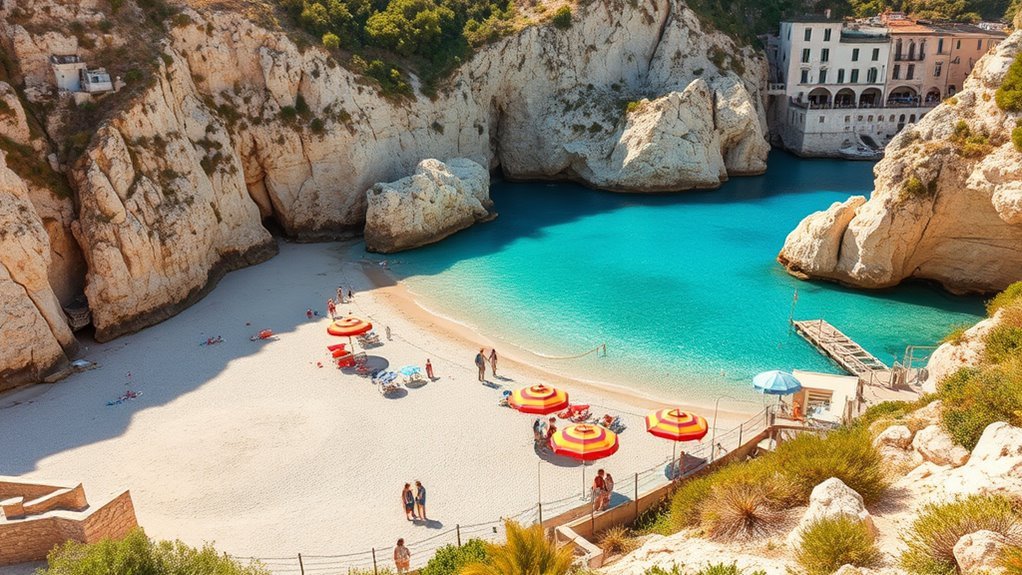
Italy’s best beaches range from white-sand bays in Sardinia to rocky swimming coves in Sicily, Puglia, Tuscany, Lazio, Marche, Campania, and Basilicata. The right choice depends on whether you want easy family access, a scenic hike, snorkeling, island scenery, or a lively beach close to restaurants and town.
Quick Answer
For white sand and shallow water, start with Punta Molentis or Cala Azzurra. Choose Cala Rossa, Isola Bella, Scopello, or Balata dei Turchi for rocky scenery and snorkeling. Zingaro and Mezzavalle suit hikers, while Serapo, Punta Ala, and Santa Maria di Castellabate offer easier, family-friendly beach days.
Key Takeaways
- Italy’s most beautiful beaches include both sandy shores and rocky coves, so check the beach surface before packing.
- Some famous places require hiking, a boat ride, paid entry, or limited-capacity access.
- Chiaia di Luna can be viewed from the sea, but landing and beach access remain prohibited.
- July and August bring the biggest crowds; late May, June, September, and early October are often easier for beach trips.
- Water shoes, sun protection, drinking water, and an early start make many remote coves safer and more comfortable.
Disclosure: As an Amazon Associate I earn from qualifying purchases. Some links on this page are affiliate links, at no extra cost to you.
Best Beaches in Italy at a Glance
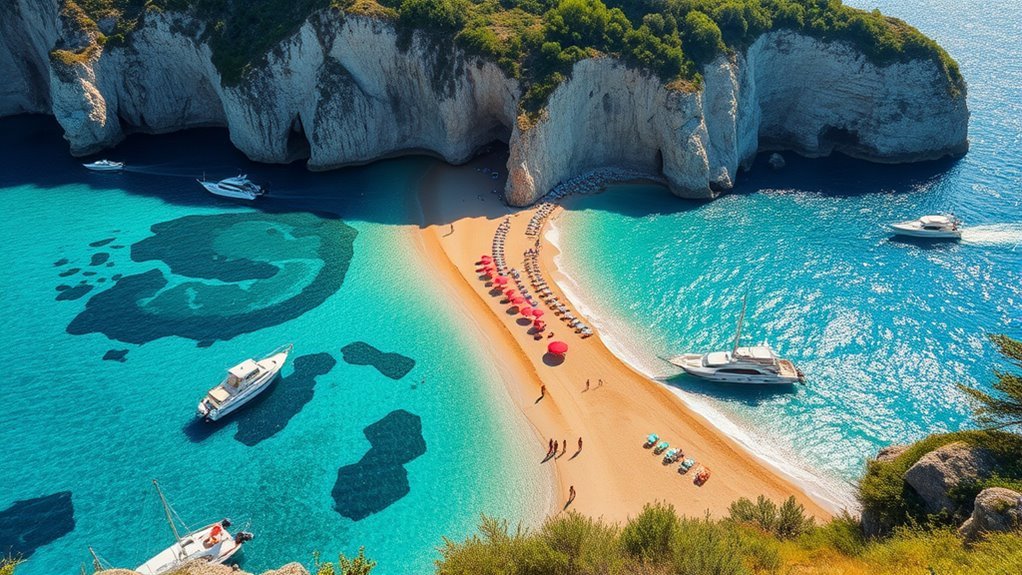
Italy’s coastline offers a different experience in every region. Sardinia is known for pale sand and shallow turquoise water. Sicily and its smaller islands mix volcanic rock, limestone coves, and clear swimming spots. Puglia has cliff-framed beaches, Tuscany combines sandy resort shores with hidden coves, and the Conero Coast has bright limestone pebbles below green hills.
At a Glance
| Best for White Sand | Punta Molentis, Cala Azzurra, Cala delle Arene |
| Best for Snorkeling | Cala Rossa, Isola Bella, Scopello, Balata dei Turchi |
| Best for Hiking | Zingaro Nature Reserve, Mezzavalle, Cala del Gesso |
| Best for Families | Serapo, Punta Ala, Santa Maria di Castellabate, Cala delle Arene |
| Best Without a Car | Cala Porto, Serapo, Isola Bella, Frontone by boat shuttle |
Note: Beach access, ferry schedules, parking systems, and nature-reserve rules can change during the season. Check the official site for each destination shortly before you travel.
How to Choose the Right Italian Beach
Start with the type of day you want. A sandy, serviced beach is easier for children, older travelers, and anyone carrying a lot of gear. Rocky coves usually offer clearer water and better snorkeling, but they may require water shoes, careful entry, or a boat. Wild beaches feel quieter outside peak hours, yet they often have no shade, toilets, food, or drinking water.
- Easy beach day: Serapo, Punta Ala, Santa Maria di Castellabate, or Cala delle Arene.
- Scenic island escape: Favignana, Ponza, Pantelleria, or the Tremiti Islands.
- Hiking and nature: Zingaro, Mezzavalle, Vignanotica, or Cala del Gesso.
- Town and beach together: Cala Porto in Polignano a Mare, Isola Bella below Taormina, or Serapo in Gaeta.
Products Worth Considering

COMFORTABLE - Athmile water socks are made of breathable,quick-dry and elastic fabric.And its thick insole make you feel great soft when you are in a happy outdoor time.

【Non-Slip】:These water shoes feature a high-quality rubber outsole engineered with a deep, multi-directional traction pattern. This aggressive tread design digs in to provide maximum stability and prevent slips, keeping you safe during all your water adventures.

Recommended 1: CONVENIENCE - Smooth neck design prevents chafing when wearing our water shoes. It is convenient to wear and take off.
Best Time to Visit Italy’s Beaches
June and September usually give you warm weather with fewer visitors than July and August. Sea temperatures vary by region and year, so early-season swimming can feel cool, especially in northern and central Italy. In peak summer, arrive early for small coves, limited parking areas, and boat shuttles. Autumn storms can affect ferries, trails, and cliff safety, while winter services are limited on smaller islands.
Pro Tip: Build one flexible day into an island itinerary. Wind and rough seas can delay ferries or make exposed coves less comfortable, even when the weather looks sunny.
Zingaro Nature Reserve Beaches, Sicily
Between Scopello and San Vito Lo Capo, the Zingaro Nature Reserve protects a rugged stretch of coast with hiking paths and several small coves. The official reserve lists a full-price ticket of €5 and accepts electronic payments rather than cash. It also recommends trekking shoes instead of flip-flops. The coastal route is about 7 kilometers one way, so choose a cove that matches your fitness and available time.
Bring drinking water, food, a hat, and sun protection. Water points inside the reserve may not provide potable water, and shade is limited on exposed sections. The closest coves to each entrance are the easiest choices for a shorter day, while the full coastal path suits prepared hikers.
Warning: Do not treat Zingaro as a casual walk in beach sandals. Heat, steep sections, loose ground, and limited supplies can turn a short beach visit into a difficult hike.
Scopello’s Faraglioni and Tonnara
The Faraglioni di Scopello rise in front of the historic Tonnara di Scopello, a former tuna fishery and open-air museum near, but not inside, the Zingaro Nature Reserve. Entry is managed by the Tonnara, daily visitor numbers are limited, and booking is wise in summer. The official visitor rules prohibit bringing outside food and drinks, animals, deckchairs, umbrellas, canoes, inflatables, and similar equipment into the historic site.
You can swim around the sea stacks during an authorized visit when conditions allow, then explore the tuna-fishing buildings and original boats. Do not expect a conventional sandy public beach or rows of rentable sunbeds. The appeal is the combination of history, clear water, and dramatic rock scenery.
Cala Rossa, Favignana
Cala Rossa is one of Favignana’s best-known swimming coves. Official tourism information describes a mix of rock and sand on the island’s north-eastern coast. You can reach Favignana by ferry or hydrofoil from Trapani, then continue by bicycle, scooter, taxi, or boat. The final approach can be rough, so it is not the easiest choice for small children or travelers with limited mobility.
Getting to Cala Rossa
Check the ferry operator’s current timetable before leaving Trapani, especially outside summer. On Favignana, follow local signs and park only in permitted areas. Bicycle travel is popular because much of the island is flat, but summer heat makes water and sun protection essential.
- Go early for easier access and more space.
- Carry water and snacks because facilities at the cove are limited.
- Wear sturdy footwear for the approach and water shoes for the rocks.
Swimming Conditions and Access
The water can look calm and pool-like, but conditions change with wind, boat traffic, and swell. Enter slowly, watch for submerged rock, and avoid jumping unless you can clearly confirm depth and a safe exit. Strong swimmers may enjoy snorkeling along the rocky edges, while less confident swimmers should stay close to an easy exit point.
| Bring | Why |
|---|---|
| Water shoes | Rocky entry and uneven surfaces |
| Drinking water | Limited services at the cove |
| Snorkel mask | Clear views around the rocky shoreline |
Nearby Favignana Highlights
Favignana has beaches for different comfort levels. Cala Azzurra and Lido Burrone have easier sandy entries, while Scalo Cavallo and other rocky areas suit confident swimmers and snorkelers. The former Florio tuna fishery near the port adds cultural context to the island’s fishing history.
- Cycle between nearby coves before the hottest part of the day.
- Try local seafood and tuna-based dishes in town.
- Use a licensed boat tour to see coastlines that are difficult to reach from land.
Cala Azzurra, Favignana
Cala Azzurra, not Cala Luna, is one of Favignana’s recognized beaches. It has fine sand, clear shallow water, and a gentler entry than Cala Rossa. This makes it a better choice for families and travelers who want a simple swim without climbing over large rocks.
Bay Access and Views
The beach lies on Favignana’s south-eastern side and can be reached by road, bicycle, scooter, or taxi. The sandy area is small and can fill quickly, so arrive early in high season. The water is often brightest when the sun is high, but morning gives you cooler travel and more space.
- Choose Cala Azzurra for a sandy entry and shallow water.
- Bring your own shade and water unless current local services are confirmed.
- Keep bags above the splash line because the usable beach area can be narrow.
Swimming Tips and Boats
Stay inside designated swimming areas and remain alert to boats outside the protected zone. Families should still supervise children closely because wind can change the surface quickly. A boat tour can combine Cala Azzurra with other Egadi coves, but use a licensed operator and follow marine-protected-area rules.
Isola Bella Beach, Taormina
Isola Bella sits below Taormina and is linked to the mainland by a narrow pebble and sand isthmus that changes with the water level. The public shoreline around it is rocky and pebbled, so water shoes help. You can reach the area by cable car from Taormina when operating, by bus, or by road followed by stairs.
The island itself is a managed cultural and natural site with opening hours and an entry ticket. It has also experienced temporary closures after bad weather and maintenance work, so check the official Naxos-Taormina archaeological park before planning an island visit. Beach access and access to the ticketed island are not always the same thing.
- Snorkel near the rocky edges when the sea is calm.
- Arrive early because the narrow shore becomes crowded.
- Use nearby beach clubs only when you want paid shade, food, and facilities.
Cala Porto, Polignano a Mare
Cala Porto, also called Lama Monachile, is a small pebble cove below Polignano a Mare’s old town. It is reached on foot from the center near the historic bridges, making it one of the easiest beaches in this guide to combine with sightseeing and restaurants.
Its small size is the main drawback. Official Italian tourism guidance recommends arriving early because the cove becomes very crowded in summer. Bring water shoes for the pebbles, do not rely on finding a large area for towels, and use the viewpoints above the cove when the shore is full.
Cala delle Arene, San Domino, Tremiti Islands
Cala delle Arene is San Domino’s only fully sandy beach and sits close to the port. It is accessible and serviced compared with the island’s many rocky coves, which makes it useful for families and travelers who do not want a long hike or boat transfer. Cars and motorbikes are generally not brought onto the island, so visitors move on foot, by bicycle, taxi, or boat.
San Domino’s Sandy Shore
The beach is small, and its convenience means it can become busy when ferries arrive. The shallow sandy entry is easier than the island’s rock platforms, while the surrounding Aleppo pine landscape gives the area a greener feel than many southern Italian islands.
- Swim early before day-trippers spread across the shore.
- Use a boat tour for caves and coves that cannot be reached easily on foot.
- Follow marine-reserve rules when snorkeling or diving.
Island Access and Highlights
Ferries to the Tremiti Islands run from several Adriatic ports, with routes changing by season. After arriving on San Domino, Cala delle Arene is close to the harbor. Boat trips can continue to sea caves, rock formations, and the Pagliai stacks.
| Choice | Best For |
|---|---|
| Cala delle Arene | Sand, families, easy port access |
| Rocky coves | Snorkeling and quieter scenery |
| Boat circuit | Caves, stacks, and multiple swimming stops |
Riviera del Conero Beaches
The Riviera del Conero in Marche combines white limestone cliffs, green slopes, and pebble beaches. Mezzavalle is reached by steep paths or by sea, Portonovo mixes public stretches with beach facilities and restaurants, and Sirolo provides access to beaches such as Urbani, San Michele, and Sassi Neri. Due Sorelle is reached by sea rather than by a casual cliff descent.
- Mezzavalle: Best for a natural beach and a demanding walk.
- Portonovo: Best for a mix of scenery, facilities, and coastal dining.
- Sirolo: Best for a village base with several beach options.
Wear shoes with grip on trails and check local shuttle, parking, and boat information. Some beaches have little or no shade, and pebble surfaces can become very hot.
Vignanotica Beach, Gargano
Vignanotica Beach lies below pale cliffs on the Gargano coast in Puglia. The shore is made mainly of light pebbles rather than soft sand. Access usually involves a walk from parking or arrival by boat, and the cliff backdrop creates shade during part of the day.
Bring water shoes and avoid sitting directly beneath unstable cliff faces. The clear water suits swimming and snorkeling in calm conditions, but the seabed can deepen quickly. In summer, “quiet” depends on your arrival time, so an early morning visit is more realistic than expecting an empty beach.
Punta Molentis Beach, Sardinia
Punta Molentis near Villasimius has pale sand, shallow turquoise water, granite rock, and Mediterranean scrub. It belongs to the Capo Carbonara protected marine area. Its beauty also makes it highly regulated during the bathing season.
For 2026, local management applies limited-capacity access, opening-hour, safety, and fee rules under municipal measures. The exact limits and operating system can change, so do not assume that nearby parking guarantees entry. Check the official Villasimius access page on the day of travel and arrive well before capacity is reached.
- Confirm current entry fees, capacity, and parking rules.
- Follow fire-risk and evacuation instructions in the protected area.
- Use only permitted shade equipment and respect dune vegetation.
Warning: Punta Molentis is not a guaranteed walk-in beach during peak season. Rules introduced for conservation and fire safety can restrict access even when the weather is good.
Punta Ala Beach
Punta Ala on Tuscany’s Maremma coast offers long sandy stretches, pine-backed scenery, beach clubs, and water-sports services. It is better described as a polished seaside resort than a hidden beach. Public sections and paid establishments vary along the coast, so choose your access point based on parking, facilities, and budget.
A Quieter Tuscan Base
Punta Ala feels calmer than Italy’s most famous city beaches, especially outside August. The sand and generally gentle entry make it suitable for families, while the pine trees and nearby services simplify a full beach day.
- Swim where lifeguards and marked zones are available.
- Use the pine-backed areas for breaks from direct sun without damaging vegetation.
- Reserve a beach club in advance during peak weeks if you need guaranteed shade.
Soft Sand and Coastal Views
The broad views across the Tyrrhenian Sea are a major reason to visit. Conditions can support paddleboarding, sailing, and snorkeling, but activity availability depends on wind and the local operator. Families should choose a section with toilets, food, shade, and an easy walkway.
Planning a Peaceful Coastal Escape
Visit on a weekday in June or September for a better chance of space. A quiet morning can become busy by midday, so settle in early and plan lunch before the busiest service period.
- Compare public-beach and beach-club access before parking.
- Carry sun protection even when pine shade is nearby.
- Combine the beach with a Maremma nature or village stop.
Mezzavalle Beach, Conero Coast
Mezzavalle is a free, natural beach below Monte Conero. It is reached by sea or by one of two steep paths, and there are no rows of beach establishments. The shore is fine gravel and pebble, with clear water and a dramatic green-and-white cliff backdrop.
The descent is easier than the climb back in summer heat. Carry enough water, pack lightly, and wear proper shoes. Do not promise yourself an uncrowded beach, because Mezzavalle is well known and can be busy despite the difficult approach.
Frontone Beach, Ponza
Frontone is one of Ponza’s best-known serviced beaches. It has a rocky section and a pebble section, with boat shuttles commonly running from the port during the season. The short sea crossing is part of the experience and avoids a difficult land approach.
You can use the free area or pay for sunbeds and umbrellas where available. Confirm the last return boat before settling in, and keep enough time to board without rushing. The clear water is good for swimming when conditions are calm, but stay aware of shuttle and private-boat traffic.
Chiaia di Luna, Ponza
Chiaia di Luna is Ponza’s famous crescent bay beneath high pale tuff cliffs. It is a spectacular viewpoint and boat-tour stop, but it is not an accessible sunbathing beach. Official Italian tourism guidance and Ponza’s local tourism information state that landslide risk led to closure, and the bay may be admired only from the sea at a safe distance, with landing prohibited.
Crescent Cove Views
See the bay from a licensed boat trip or from designated viewpoints above the coast. The best photographs show the curve of the cliff and the changing blue water, but boat operators must respect safety zones and local navigation rules.
- Do not attempt to enter through the old Roman tunnel.
- Do not land, swim ashore, or sit beneath the cliffs.
- Choose Frontone, Cala Feola, or another open swimming area for beach time.
Ferry and Boat Access Tips
Reach Ponza by ferry or hydrofoil from mainland ports such as Anzio, Formia, or Terracina when seasonal services operate. Travel time varies by vessel and departure point, so avoid a fixed claim that every trip takes 90 minutes. Book early for summer weekends and leave room for weather-related changes.
Balata dei Turchi, Pantelleria
Balata dei Turchi is a remote volcanic cove on Pantelleria with rock platforms, clear water, and a rugged approach. Pantelleria is not a classic sandy-beach island, so this stop suits confident swimmers who value dramatic geology and snorkeling more than soft sand or full facilities.
- Use a suitable vehicle only where local road conditions allow.
- Wear secure shoes for the approach and water shoes at the shore.
- Leave immediately if sea conditions make the rock exit unsafe.
A boat visit can be easier than the land approach, but the captain should choose a safe stopping point based on wind and swell. Do not combine swimming with a thermal-spring claim unless the specific spring is open, safe, and confirmed locally.
Cala del Gesso, Argentario
Cala del Gesso is a small pebble cove on Monte Argentario in Tuscany. You reach it by a steep paved path and steps from the road area above. The descent gives broad sea views, but the return climb is demanding in hot weather.
There are limited or no services at the shore, depending on the season, so bring water, food, and sun protection. The cove can become crowded because its beauty is widely known. Water shoes help on the pebbles, and light luggage makes the climb easier.
Santa Maria di Castellabate Beaches
Santa Maria di Castellabate offers sandy beaches, a walkable seafront, restaurants, and family services on the Cilento coast. It is a practical choice when you want a relaxed beach base rather than a remote cove. Several sections have beach clubs, while public areas allow a simpler towel-and-swim day.
- Choose a serviced section for toilets, shade, and easier family logistics.
- Walk the seafront in the evening for cafés and shops.
- Visit hilltop Castellabate for wide coastal views and historic streets.
Serapo Beach, Gaeta
Serapo is Gaeta’s main sandy beach and is easy to reach from town. Its broad shore, beach clubs, public sections, cafés, and nearby accommodation make it one of the most convenient choices in this guide. The sandy entry is generally more comfortable than Italy’s rocky island coves.
Summer weekends are busy, so arrive early or reserve a paid setup. After swimming, try local food such as tiella di Gaeta, a filled savory pie associated with the town. Gaeta’s historic center and Monte Orlando give you good alternatives during the hottest part of the day.
Maratea’s Beaches
Maratea’s Tyrrhenian coast combines dark-sand beaches, pale pebble coves, rocky headlands, and green slopes. Some beaches are easy to reach and serviced, while others need a boat or a steep approach. In 2026, designated Maratea beach areas again appear on Italy’s official Blue Flag list, but the award applies to named bathing areas and should not be presented as a permanent guarantee for every cove.
- Il Mirto: A small coastal area with rock access and private services nearby.
- La Secca: A scenic section near Castrocucco with family-oriented facilities in the wider area.
- Santa Teresa and Calaficarra: Blue Flag-listed areas for 2026 with mixed rock and beach scenery.
- Cala Jannita: Maratea’s well-known dark beach, also called the Black Beach.
Check the exact access point before driving because “Maratea beach” can refer to many separate coves spread along the coast.
Best Italian Beaches by Trip Type
| Traveler | Strong Choices | Why |
|---|---|---|
| Families | Serapo, Punta Ala, Cala delle Arene, Santa Maria di Castellabate | Sand, services, and easier access |
| Snorkelers | Cala Rossa, Scopello, Isola Bella, Balata dei Turchi | Rocky edges and clear water |
| Hikers | Zingaro, Mezzavalle, Cala del Gesso | Scenic approaches and natural settings |
| No-car travelers | Cala Porto, Serapo, Isola Bella, Frontone | Town access, public transport, or boat shuttle |
| Island scenery | Favignana, Ponza, Pantelleria, Tremiti | Boat trips, coves, and distinctive geology |
Products Worth Considering

LEAK-PROOF SEAL IN 2 SIZES – L/XL fits most adult faces, S/M fits teens and narrow faces. The soft food-grade silicone skirt follows your face curve with no gaps, so no salty water leaking in, no painful red marks, and no stopping to re-adjust mid-swim. Quick-release buckles let you tighten the strap even with wet hands. Fit test before every dive: hold the mask to your face without the strap and inhale gently – if it sticks, the seal is watertight. Check the size guide to pick the right fit.

[PANORAMIC VIEW AND SUPPORT CAMERA MOUNT]Our snorkel mask adopts transparent flat lens made by high definition premium PU resin, preventing from distortion the view and reduce the dizziness underwater. With the removable motion camera mount allows you to clearly discover the underwater world.

【Mask Fins Snorkel Set for Adults】4 In 1 snorkel set with adjustable fins,tempered glass lens mask, dry top silicone snorkel,travel gear bag,it's the ultimate travel companion and is suitable for snorkeling,swimming,scuba diving and other water activities.
Beach Safety and Etiquette in Italy
- Respect flags and lifeguards: Do not enter rough water when local warnings advise against swimming.
- Protect yourself from heat: Carry water, use broad-spectrum sunscreen, and avoid long exposed hikes at midday.
- Stay below cliff restrictions: Rockfall is a real hazard at several Italian coves. Never cross barriers or sit in prohibited zones.
- Keep clear of boats: Swim inside marked areas and use a visible float only where local rules allow it.
- Leave natural materials: Do not remove sand, shells, stones, plants, or marine life from protected beaches.
- Follow local waste rules: Remote beaches may have no bins, so carry everything back out.
The best Italian beach is not always the most famous one. It is the beach that matches your mobility, swimming ability, transport plan, and tolerance for crowds.
Products Worth Considering

Ultralight & Streamlined Safety Float: Weighing only 10oz (290g), this buoy offers effortless towing with zero drag interference, letting you swim freely while providing instant rest support if fatigued or cramped.

[High Visibility] Hikeen update swim buoy is a bright orange colour that stands out in the water and is clearly visible in open water, it's perfect for open water swimmers, triathletes or anyone else who wants to increase their confidence in the water,Patent pending

☀️ CONFIDENCE-BUILDING FLOAT SUPPORT — This swim suit is thoughtfully designed with built-in buoyancy panels that help toddlers maintain a natural swimming position while building comfort and confidence in the water. Ideal for early swim practice, pool days, and beach vacations
Planning Ferries, Parking, and Limited Access
Book island transport as soon as your travel dates are firm, but choose refundable or changeable tickets when possible. Confirm the final ferry of the day, especially on Ponza, Favignana, Pantelleria, and the Tremiti Islands. For mainland coves, do not leave valuables in a parked car and never block emergency access.
Limited-capacity beaches need a separate plan. Punta Molentis uses controlled access, Scopello limits visitors to protect the historic Tonnara, and protected reserves may close trails during fire danger or severe weather. A saved screenshot of a booking does not override an on-site safety closure.
Frequently Asked Questions
Which part of Italy has the best beaches?
There is no single winner. Sardinia is a strong choice for pale sand and shallow turquoise water. Sicily and its islands stand out for rocky coves, snorkeling, and volcanic scenery. Puglia, Tuscany, Marche, Lazio, Campania, and Basilicata each offer excellent beaches with different access and service levels.
What should an American avoid doing at an Italian beach?
Avoid crossing safety barriers, leaving litter, playing loud music near others, or assuming every beach is free and unregulated. Respect beach-club boundaries, local signs, marked swimming zones, and rules for protected sand, plants, shells, and parking. Tipping is optional and modest rather than expected at U.S. levels.
Where can you find white-sand beaches in Italy?
Sardinia has many pale-sand beaches, including Punta Molentis and beaches around Villasimius. Favignana’s Cala Azzurra and San Domino’s Cala delle Arene also provide sandy entries. Sand color changes with light and local geology, so “white sand” is often a descriptive term rather than a measured classification.
Which Italian beach has the clearest water?
No reliable national ranking proves that one beach always has the clearest water. Cala Rossa, Cala Azzurra, Punta Molentis, Isola Bella, Scopello, and the Tremiti coves are known for clear conditions, but visibility changes with wind, waves, algae, boat traffic, and recent weather.
Are Italian beaches free?
Many beaches have free public sections, while private beach clubs charge for umbrellas, loungers, changing rooms, and other services. Nature reserves, historic sites, controlled-access beaches, parking areas, and boat shuttles may also charge separate fees.
Do you need water shoes on Italian beaches?
Water shoes are useful at Cala Rossa, Isola Bella, Cala Porto, Vignanotica, Mezzavalle, Frontone, Cala del Gesso, and many volcanic or pebble coves. They protect your feet, but they do not make unsafe cliffs, strong currents, or prohibited areas safe.
Can you visit Chiaia di Luna beach?
You can view Chiaia di Luna from the sea or designated viewpoints, but the beach is closed because of landslide and rockfall risk. Landing and shore access are prohibited, so choose another open Ponza beach for swimming and sunbathing.
Conclusion
Italy’s best beaches are not one single style of coast. You can hike to Zingaro’s coves, cycle to Favignana’s clear bays, take a boat to Frontone, relax on Serapo’s sand, or explore the pebble shores below Monte Conero. Check current access rules, match the beach to your ability and transport plan, and arrive prepared for heat, rocks, crowds, and changing sea conditions.
Sources
- Zingaro Nature Reserve official information — ticket price, payment method, and footwear guidance.
- Tonnara di Scopello official tickets and visitor rules — controlled entry, opening information, and prohibited items.
- Italia.it guide to Favignana — Cala Rossa, Cala Azzurra, and island beach types.
- Italia.it guide to Chiaia di Luna — closure caused by landslide risk and viewing from the sea.
- Villasimius Srl 2026 Punta Molentis access rules — controlled capacity, safety requirements, and current visitor conditions.
- FEE Italia Blue Flag 2026 list — current designated beach areas in Maratea and other Italian municipalities.
