
Last Updated on July 23, 2026 by Daniel Globe
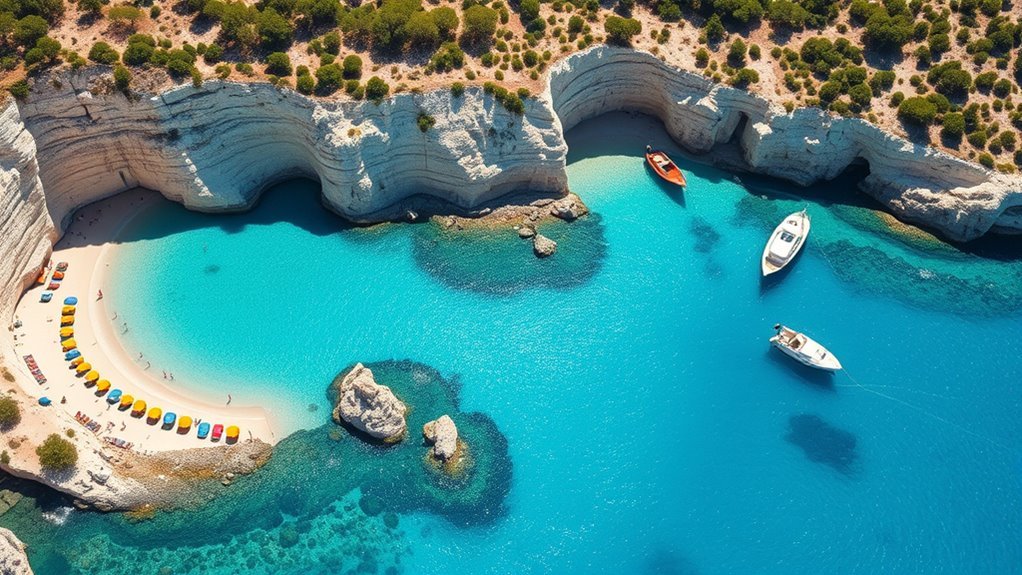
Puglia has sandy Ionian beaches, dramatic Adriatic coves, old-town swimming spots, and rocky bays made for snorkeling. The best choice depends on whether you want shallow family water, easy town access, wide sand, or a wilder coastline. This guide compares ten of the best beaches in Puglia and explains access, crowds, facilities, swimming conditions, and important safety rules.
Quick Answer
For soft sand and shallow water, choose Punta Prosciutto, Torre Lapillo, or Torre dell’Orso. Pick Lama Monachile or Monopoli for town-and-beach convenience, Porto Miggiano or Sant’Andrea for rocky scenery, and Baia dei Turchi for a more natural setting near Otranto.
Key Takeaways
- The Ionian coast around Porto Cesareo has long sandy beaches and generally gentle entries, making it a strong choice for families.
- The Adriatic coast offers more cliffs, caves, pebbled coves, and dramatic views, but several locations have rocks, stairs, or quickly deepening water.
- July and August bring the largest crowds, limited parking, and the highest demand for paid lidos.
- Check posted flags, local restrictions, weather, and Italy’s official bathing-water information before entering the sea.
- Grotta della Poesia is an archaeological attraction where swimming is prohibited, so it is included as a bonus sightseeing stop rather than one of the ten swimming beaches.
Disclosure: As an Amazon Associate I earn from qualifying purchases. Some links on this page are affiliate links, at no extra cost to you.
How to Choose the Right Puglia Beach
Puglia stretches between the Adriatic and Ionian seas, and the two coasts offer different experiences. The Ionian side around Porto Cesareo is known for long sandy shores, dunes, and shallow water. The Adriatic side around Polignano a Mare, Otranto, Castro, and Melendugno has more cliffs, caves, rock platforms, pebbled coves, and striking coastal views.
| Beach | Coast and Shore | Best For | Main Caution |
|---|---|---|---|
| Torre dell’Orso | Adriatic; fine sand | Families and scenery | Very busy in midsummer |
| Lama Monachile | Adriatic; pebbles | Photography and town access | Small shore and heavy crowds |
| Castro Marina | Adriatic; rock platforms | Snorkeling and boat trips | Rocky entry and deeper water |
| Otranto Waterfront | Adriatic; sand and town shore | Convenience and families | Stay outside harbor channels |
| Sant’Andrea | Adriatic; rocks and small cove | Sea stacks and snorkeling | Uneven access and exposed sea |
| Porto Miggiano | Adriatic; small sandy cove | Cliff views and swimming | Many steps and quick depth |
| Punta Prosciutto | Ionian; sand and dunes | Space and shallow water | Limited shade and parking pressure |
| Torre Lapillo | Ionian; long sandy shore | Young children and lidos | Crowded central sections |
| Monopoli Coves | Adriatic; sand, rock, and coves | Beach hopping and dining | Small beaches fill early |
| Baia dei Turchi | Adriatic; white sand and pine | Nature and a quieter setting | Walk or shuttle may be required |
Best Time to Visit
May, June, and September usually offer the best balance of warm weather and manageable crowds. July and August provide a lively atmosphere and the widest range of seasonal services, but popular beaches can become packed by late morning. Parking near small coves may fill even earlier.
Conditions vary by coast and day. Wind can make one side of Salento rough while the opposite side remains calmer, so check the forecast before choosing your beach. A beach that was calm yesterday may have waves, currents, jellyfish, or a temporary bathing restriction today.
Pro Tip: In July or August, arrive before 9 a.m. at compact beaches such as Lama Monachile, Porto Miggiano, and Monopoli’s town coves. For a paid lido, reserve ahead when possible rather than assuming sunbeds will remain available.
Warning: Never jump from cliffs, sea stacks, bridges, balconies, or rock ledges simply because you have seen professional divers do it. Depth, submerged rocks, waves, boat traffic, and local restrictions can make a familiar-looking spot deadly. Enter only from approved access points and obey lifeguards, flags, barriers, and posted rules.
1. Torre dell’Orso Beach: Fine Sand and Famous Sea Stacks
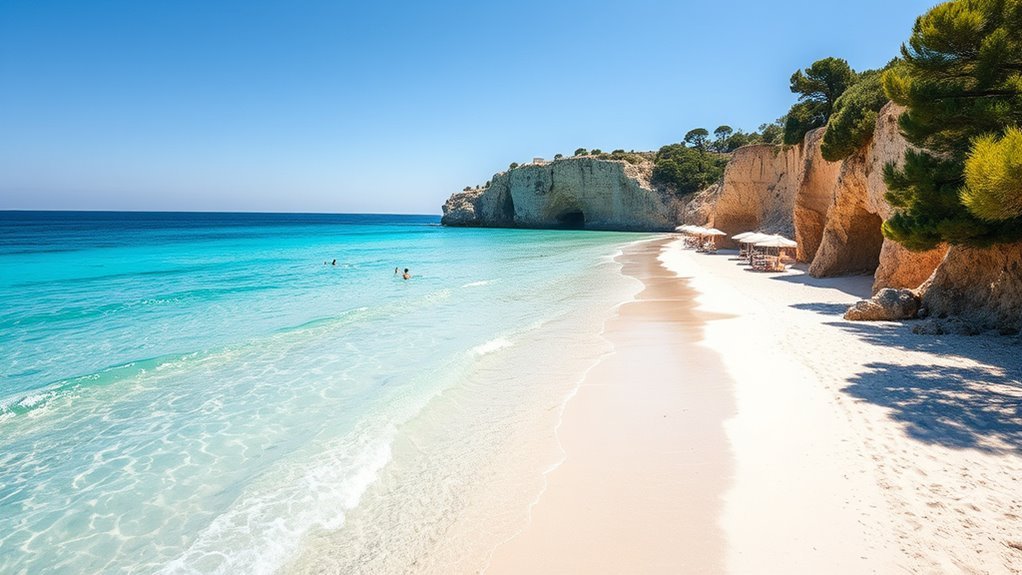
Torre dell’Orso is a crescent-shaped Adriatic beach near Melendugno, about 27 kilometers from Lecce. The official regional tourism portal describes a roughly 900-meter shore framed by cliffs, dunes, pine vegetation, and the offshore Due Sorelle sea stacks. You can choose between organized lidos and free sections, although paid establishments occupy much of the beach in summer. See the official Torre dell’Orso visitor information.
The pale sand and generally gradual entry make Torre dell’Orso one of the stronger choices for families, casual swimmers, and visitors who want a classic beach day. The open bay can still become wavy when conditions change, so do not assume the water will always be gentle.
- Best for: Families, sandy-beach lovers, and first-time visitors to Salento
- Shore: Fine sand with lido and free-beach sections
- Facilities: Seasonal sunbeds, umbrellas, refreshments, and nearby restaurants
- Main drawback: Heavy crowds and parking pressure in July and August
For a quieter experience, arrive early or visit outside peak summer. Avoid climbing on fragile coastal formations and keep clear of any roped or protected dune areas.
2. Lama Monachile: Puglia’s Iconic Pebbled Cove
Lama Monachile, also called Cala Porto, sits beneath the old town of Polignano a Mare. High limestone walls enclose a small public shore of smooth pebbles, while white buildings rise above the cove. The setting is one of Puglia’s most recognizable coastal views, and the old town is only a short walk away. The official regional tourism listing confirms its pebbled shore and position between the cliffs.
Iconic Cliffside Setting
The bridge and viewpoints above the cove provide the best overview, especially before the beach becomes crowded. On the shore, water shoes make walking across the pebbles more comfortable. Space is limited, and there is little room to spread out once the main summer rush arrives.
Polignano a Mare is internationally associated with professional cliff-diving events. Those events use trained athletes, purpose-built platforms, rescue teams, and controlled competition areas. They are not evidence that recreational jumping from the surrounding cliffs is safe or permitted.
Best Visit Times
Arrive early in the morning for the quietest shore and easier photographs. Late afternoon can also be pleasant once some day visitors leave, although the tall cliffs affect when direct sunlight reaches the cove. May, June, and September usually feel less congested than July and August.
- View the cove from the bridge before walking down.
- Bring water shoes for the pebbled shore.
- Keep valuables compact because personal space is limited.
- Use marked entrances rather than climbing down rocks.
Swimming and Evening Views
Swimming beneath the old town can be memorable when the sea is calm, but the cove is not always glassy or wave-free. Check flags and local conditions before entering. Less confident swimmers should remain near approved access points and avoid approaching cliffs, caves, boats, or crowded jumping areas.
After swimming, walk into Polignano’s historic center for cafés, viewpoints, and dinner. This easy combination of town and beach is Lama Monachile’s greatest advantage.
3. Castro Marina: Rocky Swimming and Sea Caves
Castro Marina has a rocky Adriatic shoreline rather than a broad sandy beach. Swimmers use designated steps, platforms, and suitable rock access points to enter clear water. The regional tourism portal highlights the changing blue-green water and boat access to nearby caves, including Grotta Palombara, Grotta Azzurra, and Grotta Zinzulusa. Read the official Castro Marina overview.
This is a strong destination for confident swimmers, snorkeling, and boat excursions. It is less suitable for toddlers, people who require a sandy entry, or anyone uncomfortable climbing wet steps. Water shoes with good grip are useful because algae and spray can make rock surfaces slippery.
- Use established ladders or steps instead of jumping from rocks.
- Keep away from harbor entrances, moorings, and moving boats.
- Choose a guided boat trip if you want to explore sea caves.
- Check wind and wave conditions before entering exposed water.
Note: Castro Marina includes port and bathing areas. Follow signs locally and do not assume every concrete platform or section beside the harbor is approved for swimming.
4. Otranto Waterfront Beaches: Swim Near the Old Town
Otranto combines historic streets, a castle, a waterfront promenade, and bathing areas close to the center. This makes it convenient when you want a swim without giving up restaurants, shops, and cultural sights. However, the working marina itself contains docks and boat routes. Swim only in marked beach areas outside operational harbor channels.
Convenient Town-Beach Swimming
The town-facing beach sections can have clear, relatively shallow water during calm weather, making them useful for families and less experienced swimmers. Conditions are not guaranteed, so check the beach flags and remain inside the recognized bathing zone.
- Choose a marked sandy section rather than entering beside moored boats.
- Keep children close because the waterfront becomes busy.
- Use the promenade for food, shade, toilets, and breaks from the sun.
Old Town Views
From the waterfront, Otranto’s stone buildings and fortifications form the backdrop to the bay. After swimming, you can walk through Porta Alfonsina, visit the Aragonese Castle area, and explore the lanes of the old center. The regional tourism portal provides an official overview of Otranto.
Swimming Near the Harbor
Do not swim across harbor entrances or between docks. Boats may have limited visibility, and propellers, ropes, wakes, and navigation channels create risks that are absent from a normal beach. Follow all buoys and signs separating swimmers from vessels.
5. Sant’Andrea: Sea Stacks, Coves, and Rocky Scenery
Sant’Andrea, near Torre dell’Orso, has a rugged Adriatic coastline shaped by coves, arches, caves, and pale limestone sea stacks. The official tourism portal describes the small rocky bay and the Faraglioni di Sant’Andrea as the area’s defining features. See the official Torre Sant’Andrea listing.
The coastline suits visitors who value scenery and snorkeling more than a broad sandy shore. Access can involve uneven rock, and the sea becomes exposed when wind or waves increase. Wear secure water shoes, protect your feet from sharp stone, and use only obvious entry and exit points.
- Best for: Coastal photography, snorkeling, and dramatic rock formations
- Less suitable for: Strollers, limited mobility, and families needing a long shallow sandy entry
- Bring: Water shoes, drinking water, sun protection, and a mask if conditions are calm
Walk the clifftop path carefully and remain behind barriers. Do not climb the sea stacks or jump from the cliffs. Rock can crumble, submerged shelves are difficult to judge, and waves can make it hard to exit.
6. Baia di Porto Miggiano: A Small Cove Below the Cliffs
Baia di Porto Miggiano lies south of Santa Cesarea Terme beneath high limestone cliffs and a historic watchtower. According to the official regional tourism description, the small beach is reached by a path of roughly 100 steps, and the sandy-rocky seabed becomes deep relatively quickly.
Cliffside Access and Views
The descent provides wide views over the bay, but the stairs make the cove unsuitable for some visitors with limited mobility. Carry only what you can bring back up comfortably. Wear stable footwear on the approach rather than attempting the stairs in loose sandals.
- Pause at safe viewpoints without blocking the stairs.
- Keep children beside you during the descent.
- Do not use unmarked ledges as shortcuts.
- Plan enough energy and water for the return climb.
Swimming, Rocks, and Depth
The cove combines a small sandy area with rock, clear water, and steep surrounding cliffs. It can be excellent for a calm swim, but the seabed does not remain shallow for long. Weak swimmers and families with small children should use extra caution and stay close to shore.
Water shoes help around the rocky edges. Snorkel only when visibility and sea conditions are suitable, remain aware of other swimmers, and never enter caves or narrow rock channels during rough water.
7. Punta Prosciutto: Wide Sand and Coastal Dunes
Punta Prosciutto lies on the Ionian coast within the Palude del Conte e Duna Costiera protected landscape. Its long beach is mostly free-access sand with some organized lidos. The official tourism portal describes shallow, clear water and dunes that can reach approximately 10 to 12 meters. See the official Punta Prosciutto information.
The broad shore gives you more room than Puglia’s compact coves, although the most accessible sections still become crowded during peak summer. The gradual seabed can work well for families, but adults must supervise children even in shallow water.
Punta Prosciutto is one of the strongest choices when your priorities are soft sand, shallow water, and more space than a compact Adriatic cove can provide.
- Best for: Families, long beach walks, and a relaxed full-day stay
- Facilities: A mix of free sand and seasonal lidos
- Bring: Shade, water, and food if using a quieter free section
- Protect: Stay on existing access paths and avoid trampling dune vegetation
8. Torre Lapillo Beach: Shallow Water for Families
Torre Lapillo has fine pale sand and extends for more than four kilometers north of Porto Cesareo. Free sections alternate with organized lidos, and the low sandy seabed makes the area popular with families. The official regional page provides more details about Torre Lapillo beach.
| Feature | Why You May Like It | Family Consideration |
|---|---|---|
| Fine sand | Comfortable for walking and relaxing | Suitable for sand play |
| Shallow entry | Easy wading in calm conditions | Children still need constant supervision |
| Beach clubs | Sunbeds, umbrellas, and refreshments | Booking may reduce peak-season stress |
| Long shoreline | More choice between lively and quieter sections | Choose a landmark so your group can regroup easily |
The central sections near services are the most convenient but also the busiest. Walk farther from the main access points for more space, provided you have enough water, shade, and supplies.
9. Monopoli’s Best Beach Coves
Monopoli is useful when you want several small beaches near a walkable old town. Cala Porta Vecchia sits beside the historic walls, while Porto Rosso, Porto Bianco, and other coves extend along the nearby coast. Farther south, Porto Ghiacciolo and the Capitolo area provide additional beach choices.
Cala Porta Vecchia offers the easiest town-to-beach transition, but its compact shore fills quickly. Porto Rosso and Porto Bianco provide alternatives within a short distance, although conditions, available sand, and entry points differ from cove to cove.
Monopoli works best for travelers who want to combine short swims, old-town walks, cafés, and several small coves instead of spending the whole day on one remote beach.
- Cala Porta Vecchia: Best for old-town views and immediate access to restaurants.
- Porto Rosso: A useful alternative south of the center.
- Porto Bianco: Another compact town cove suited to a shorter stop.
- Porto Ghiacciolo: A scenic option near the Abbey of Santo Stefano.
- Capitolo: Better for a wider choice of lidos and longer beach sessions.
Bring water shoes if you plan to move between rocky edges and small coves. Arrive early in summer because parking and sand space are both limited near the center. The official regional coast guide also highlights Monopoli, Porto Ghiacciolo, and Capitolo.
10. Baia dei Turchi: White Sand Near Otranto
Baia dei Turchi lies north of Otranto in the protected Alimini area. Pine forest and Mediterranean vegetation frame a series of white-sand bays and clear Adriatic water. The setting feels more natural than Otranto’s town beaches while remaining close enough for a day trip from the city.
Access arrangements can include parking away from the shore, walking routes, or seasonal shuttle services, depending on where you start. Check current local instructions before setting out and carry only what you can comfortably transport along the path.
- Best for: Nature, pale sand, and combining a beach day with Otranto
- Shore: Sand with surrounding vegetation and smaller neighboring coves
- Facilities: Some organized sections, with quieter areas nearby
- Main drawback: Access requires more planning than a central town beach
Stay on established paths to protect the coastal environment. You can find destination information on the official Baia dei Turchi page.
Bonus Stop: Grotta della Poesia at Roca Vecchia
Grotta della Poesia is a dramatic limestone basin within the archaeological landscape of Roca Vecchia. It is visually striking, but it should not be described as a public swimming hole. Swimming and diving are prohibited to protect the site and its archaeological and natural features.
Visit for the coastal scenery, the history of Roca Vecchia, and views of the karst formations. Follow the managed visitor route, remain behind barriers, and check current opening information and tickets through the official ArcheoRoca website.
Warning: Do not enter, jump into, or swim in Grotta della Poesia. A social-media photo or an older travel account may show past bathing, but visitors must follow the current prohibition and on-site instructions.
Beach Safety and Planning Tips
- Check water status: Use the Italian Ministry of Health bathing-water database for current monitoring information and temporary restrictions.
- Follow flags: A red flag means you should not enter the water, even when the surface looks manageable.
- Watch the wind: Conditions can differ sharply between the Adriatic and Ionian coasts.
- Protect your feet: Bring water shoes for Lama Monachile, Castro, Sant’Andrea, Porto Miggiano, and rocky Monopoli coves.
- Respect boats: Stay outside ports, navigation channels, moorings, and marked vessel lanes.
- Supervise children: Shallow water is not risk-free. Waves, holes, inflatables, and sudden depth changes still require close adult attention.
- Protect the coast: Use established paths, avoid dune vegetation, take rubbish away, and do not remove stones, shells, or archaeological material.
Frequently Asked Questions
Which part of Puglia has the best beaches?
Salento has one of Puglia’s greatest concentrations of well-known beaches. Choose the Ionian side around Porto Cesareo for long sand and shallow water, or the Adriatic side around Otranto, Melendugno, and Castro for cliffs, coves, and rocky scenery. Gargano in northern Puglia is better for visitors who want forested headlands and a separate road-trip base.
What is the prettiest seaside town in Puglia?
Polignano a Mare is famous for cliff views and Lama Monachile, but beauty is subjective. Monopoli offers a historic harbor and several town coves, Otranto combines fortifications with an Adriatic waterfront, and Vieste provides a dramatic Gargano setting.
Where should you stay for a Puglia beach trip?
Stay in Lecce for day trips across Salento, Otranto for the southeastern Adriatic coast, or Porto Cesareo for Ionian sand. Monopoli or Polignano a Mare works well for the central Adriatic coast and Valle d’Itria. Choose Vieste or Peschici for Gargano rather than trying to visit northern Puglia from Salento.
What is a hidden-feeling beach near Castro?
Cala dell’Acquaviva is a narrow rocky inlet near Marittima and Castro that can feel secluded outside peak hours. It is small rather than secret, so arrive early and expect limited space. Water shoes are useful, and swimmers should check sea conditions before entering.
Which Puglia beaches are best for young children?
Torre Lapillo and Punta Prosciutto are strong choices because of their sand and generally gradual seabeds. Torre dell’Orso can also work well when conditions are calm. Adults must still supervise children closely and follow beach flags and lifeguard instructions.
Can you swim at Grotta della Poesia?
No. Swimming and diving are prohibited at Grotta della Poesia. Visit it as part of the Roca Vecchia archaeological and coastal site, follow the managed route, and use a legal nearby bathing beach for swimming.
Conclusion
Choose Torre Lapillo or Punta Prosciutto for shallow sandy water, Torre dell’Orso for a classic Salento beach, and Lama Monachile or Monopoli when you want swimming beside a historic town. Sant’Andrea, Castro Marina, and Porto Miggiano provide stronger rocky scenery, while Baia dei Turchi offers a more natural beach near Otranto. Whichever coast you choose, arrive early in summer, check current conditions, and follow every posted bathing and access rule.
Sources
- Regione Puglia: Salento Adriatic Coast — official destination information for Torre dell’Orso, Otranto, Baia dei Turchi, and nearby beaches.
- Regione Puglia: Lama Monachile and Cala Porto — shore type, location, and coastal setting.
- Regione Puglia: Porto Miggiano — stair access, cliffs, seabed, and water-depth information.
- Regione Puglia: Punta Prosciutto — protected dunes, shallow water, and beach characteristics.
- Regione Puglia: Torre Lapillo — beach length, sand, lidos, and shallow seabed.
- ArcheoRoca Official Visitor Site — current management and visitor information for Roca Vecchia and Grotta della Poesia.
