
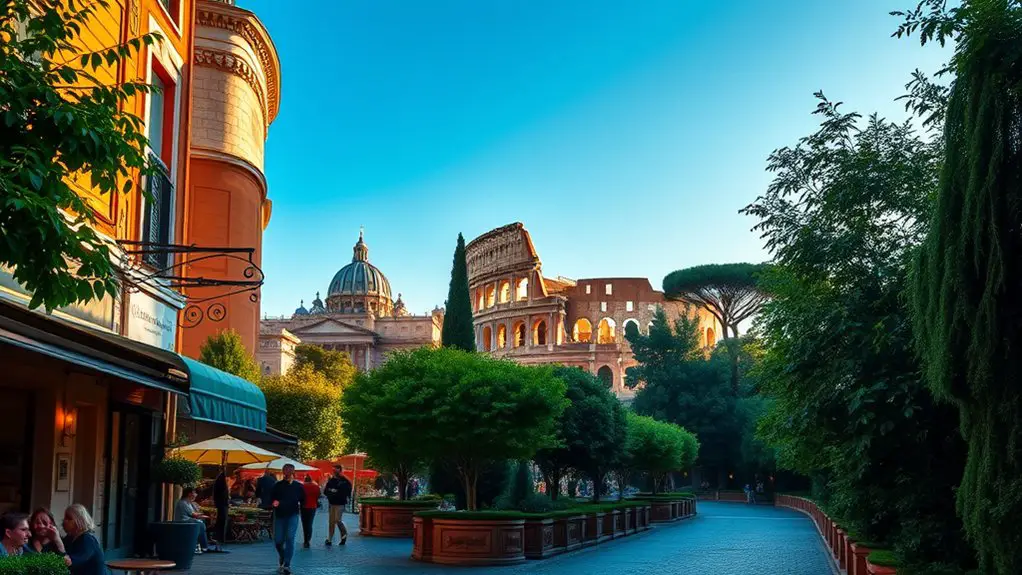
Last Updated on July 25, 2026 by Daniel Globe
Rome can reward weeks of exploring, but a carefully planned 48-hour visit still gives you time for its ancient landmarks, Vatican masterpieces, atmospheric neighborhoods, Roman food, and an evening stroll through the historic center. The key is to group attractions by area, reserve timed-entry sights before you arrive, and treat extra viewpoints and museums as optional rather than trying to see everything.
Quick Answer
With 48 hours in Rome, spend Day 1 at the Colosseum, Roman Forum, Palatine Hill, Pantheon, Trevi Fountain, and Trastevere. Use Day 2 for the Vatican Museums, Sistine Chapel, St. Peter’s Basilica, Prati, and one optional viewpoint. Book timed attractions in advance and keep the route geographically compact.
Key Takeaways
- Book the Colosseum and Vatican Museums before arrival; these fixed-entry sights should anchor your schedule.
- Spend Day 1 in Ancient Rome and the historic center, then make Day 2 your Vatican-focused day.
- As of 2026, tourists pay €2 to enter the Trevi Fountain basin area, and standard Pantheon admission is €7.
- St. Peter’s Basilica itself is free, although security queues apply and the dome requires a separate ticket.
- Choose one major panoramic viewpoint rather than sacrificing several hours trying to reach every overlook.
At a Glance
| Time Required | 2 full sightseeing days |
| Difficulty | Moderate to demanding because of long walking days, stairs, security lines, and uneven historic surfaces |
| Tools Needed | Comfortable shoes, phone with tickets/maps, refillable water bottle, sun protection, and Vatican-appropriate clothing |
| Cost | About €67 per adult for the standard Colosseum ticket, official reserved Vatican Museums admission, Pantheon, Trevi basin access, and a ROMA48H transit pass; food, tours, lodging, and the St. Peter’s dome are extra |
Disclosure: As an Amazon Associate I earn from qualifying purchases. Some links on this page are affiliate links, at no extra cost to you.
Discover the Ancient Wonders of Rome
Make Ancient Rome the anchor of your first morning. Starting early reduces backtracking and leaves the late afternoon free for the Pantheon, Trevi Fountain, and Rome’s historic streets.
Day 1 Morning: Colosseum, Roman Forum, and Palatine Hill
A practical Day 1 begins around 8:30 a.m. at the Colosseum. The standard Colosseum, Roman Forum, and Palatine ticket currently costs €18 and requires a reserved Colosseum entry time. Standard ticket sales open 30 days before the visit through the official Parco archeologico del Colosseo website.
A guided tour can add historical context, but it is not required simply to enter. If you prefer to explore independently, an official timed ticket is enough.
Pro Tip: Treat your Colosseum entry time as the fixed appointment around which the rest of Day 1 is built. Arrive before the stated time so security checks do not put the rest of your itinerary behind schedule.
After the Colosseum, continue into the Roman Forum and Palatine Hill. These ruins were once at the center of Roman political, religious, and imperial life. Give the archaeological area at least a couple of hours rather than rushing through it merely to tick it off your list.
From Palatine Hill, you can also appreciate how closely Ancient Rome’s major monuments cluster together. By early afternoon, continue toward Monti or the historic center for lunch.
Day 1 Afternoon: Pantheon, Historic Center, and Trevi Fountain
The Pantheon remains one of the clearest demonstrations of ancient Roman engineering. Its concrete dome and central oculus are even more impressive when viewed from inside.
The Pantheon is no longer a free walk-in attraction for most visitors. Since July 1, 2026, standard admission is €7. Normal opening hours are generally 9 a.m. to 7 p.m., although access can change for religious celebrations. Official tickets are available through the Pantheon and Castel Sant’Angelo museum authority.
After the Pantheon, you can walk through Piazza Navona and continue toward Largo di Torre Argentina. The archaeological area contains Republican-era temples and remains associated with the Curia of Pompey, where Julius Caesar was assassinated on the Ides of March in 44 BC.
Continue toward the Trevi Fountain in the late afternoon or evening. Tossing a coin over your shoulder remains one of Rome’s best-known visitor traditions, but access changed in 2026.
Note: Since February 2, 2026, tourists and non-residents pay €2 to enter the controlled basin area closest to the Trevi Fountain between 9 a.m. and 10 p.m. Check the official Turismo Roma information for current access conditions.
If energy remains, finish the central walking loop at the Spanish Steps or continue toward Piazza del Popolo. Otherwise, save your legs for dinner in Trastevere.
Explore the Artistic Treasures of Vatican City
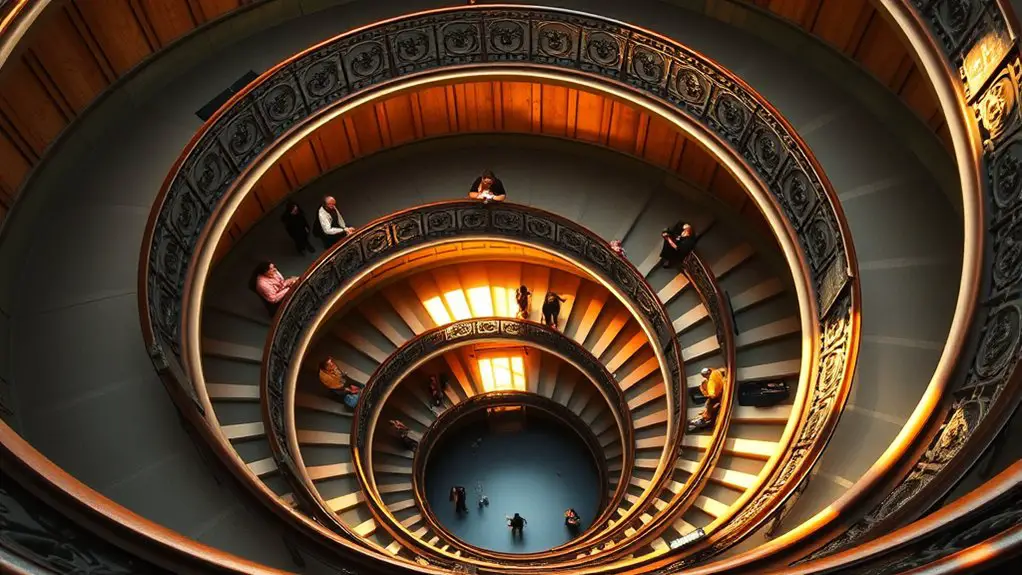
Make Vatican City the centerpiece of Day 2 rather than trying to squeeze it between unrelated attractions. The Vatican Museums, Sistine Chapel, and St. Peter’s Basilica can easily consume most of a morning.
Day 2 Morning: Vatican Museums and Sistine Chapel
In 2026, the Vatican Museums normally open Monday through Saturday from 8 a.m. to 8 p.m., with final admission at 6 p.m. The last Sunday of each month has separate free-entry hours, while most other Sundays are closed.
The standard full museum ticket costs €20 without advance booking. An official online timed reservation adds €5. Use only the official Vatican Museums ticket information and official ticket portal rather than similarly named reseller sites.
Within the museums, prioritize the works that matter most to you instead of trying to inspect every gallery. For a first visit, common highlights include the Gallery of Maps, Raphael Rooms, classical sculpture collections, and the Sistine Chapel with Michelangelo’s ceiling and Last Judgment.
In a two-day Rome itinerary, the biggest time-saver is not walking faster. It is deciding in advance which major collections and monuments deserve your limited time.
St. Peter’s Basilica After the Museums
After the museums, continue to St. Peter’s Basilica. The Basilica itself is free to enter, although all visitors must pass security. A paid online reservation is optional for visitors who want a scheduled access service, and the ascent to the dome requires a separate ticket.
The Basilica’s official visitor guidance also requires clothing suitable for a place of worship. Keep your shoulders and knees covered. This matters especially in summer, when sightseeing clothing that is comfortable outdoors may not meet entry requirements.
Warning: Do not schedule another fixed-entry attraction immediately after St. Peter’s Basilica. Security queues can vary significantly, particularly on Wednesdays, Sundays, major religious dates, and periods of high attendance.
Inside, look for Michelangelo’s Pietà, Bernini’s vast baldachin, the dome, and the scale of the nave. If you want the dome climb, allow additional time rather than treating it as a quick add-on.
Current Basilica hours, reservations, security information, dress rules, and dome details are available from the official St. Peter’s Basilica visitor service.
Immerse Yourself in Rome’s Vibrant Neighborhoods
Rome’s neighborhoods give the trip texture beyond museums and monuments, but a 48-hour schedule requires restraint. Choose neighborhoods that naturally connect with the attractions already on your route.
Trastevere
Trastevere works especially well for the end of Day 1. Cross the Tiber after visiting the historic center and spend the evening among narrow lanes, piazzas, restaurants, bars, and old churches.
The Basilica of Santa Maria in Trastevere is one of the neighborhood’s landmarks. Its mosaics and central piazza create an appealing pause before dinner.
The Jewish Quarter
Rome’s historic Jewish Quarter combines archaeological remains, synagogues, Roman-Jewish food traditions, and a compact street plan. It pairs naturally with Largo di Torre Argentina and the historic center.
This is the place to look for dishes such as carciofi alla giudia, the crisp deep-fried artichokes strongly associated with Roman-Jewish cooking.
Monti and Prati
Monti, near the Colosseum, is useful for a Day 1 coffee or lunch break. Its lanes contain boutiques, cafés, wine bars, and restaurants without requiring a major detour from Ancient Rome.
Prati makes more sense on Day 2 because it sits close to Vatican City. Stop here for lunch after the museums or Basilica rather than crossing Rome solely for a meal.
Largo di Torre Argentina can also fit between the Pantheon and Jewish Quarter. The site contains four Republican-era temples and remains connected with the Curia of Pompey, giving you another piece of ancient history without leaving the central walking route.
Savor Authentic Roman Cuisine
Food deserves a place in a two-day Rome itinerary, but meals should work with your route rather than become another source of cross-city travel.
Traditional Dishes to Try
Start with Rome’s classic pasta traditions. Cacio e pepe uses Pecorino Romano and black pepper; carbonara combines pasta with egg, guanciale, Pecorino Romano, and black pepper; gricia centers on guanciale and Pecorino; and amatriciana adds tomato to a guanciale-and-cheese base.
For Roman street food, try supplì, fried rice croquettes often filled with mozzarella. In the Jewish Quarter, look for carciofi alla giudia.
For something sweet, a maritozzo is a more specifically Roman choice. Tiramisu remains an excellent Italian dessert, but it is associated with northeastern Italy rather than being a traditional Roman specialty.
- Cacio e pepe
- Carbonara
- Gricia or amatriciana
- Carciofi alla giudia
- Supplì
- Maritozzo
- Gelato or tiramisu for dessert
Best Dining Locations
Osteria da Fortunata remains a central option for fresh pasta and Roman dishes, with several Rome locations around Campo de’ Fiori, Piazza Navona, and the Pantheon. Its central branches can work conveniently with the Day 1 route.
In the Jewish Quarter, choose a restaurant serving Roman-Jewish specialties rather than making a separate trip merely for one dish.
In Prati, a neighborhood rosticceria, café, or trattoria can provide an efficient Day 2 lunch after the Vatican.
Alfredo alla Scrofa is a historic restaurant associated with Fettuccine Alfredo. It can be an interesting stop for travelers curious about the dish’s history, although fettuccine Alfredo should not replace carbonara, cacio e pepe, gricia, or amatriciana on a list of Rome’s core traditional pastas.
For dessert, Gelateria La Romana operates Rome locations and can be one option among the city’s many gelaterias. Choose whichever quality gelateria fits your route rather than crossing town solely for a specific chain.
Testaccio Market is worthwhile for travelers especially interested in Roman food, but it sits south of the main Day 1 and Day 2 routes. On a strict 48-hour first visit, treat it as an optional substitution rather than an additional mandatory stop.
Experience Breathtaking Views and Scenic Spots
Rome has enough panoramic viewpoints to fill an entire afternoon, so choose one that fits your route.
Terrazza del Pincio above Piazza del Popolo offers a broad view over the historic center and works well around sunset. It is an easy choice if your Day 1 walk finishes near the Spanish Steps or Piazza del Popolo.
The Vittoriano, also called the Monument to Victor Emmanuel II or Altar of the Fatherland, has a panoramic terrace reached by glass elevators. From the top, you can look across the Imperial Fora, historic center, and toward St. Peter’s Basilica.
Castel Sant’Angelo, originally built as Emperor Hadrian’s mausoleum, offers another excellent panorama from its upper terrace. Because visiting the museum takes time, it fits best as an optional Day 2 attraction after the Vatican.
The Spanish Steps and surrounding streets provide urban views without adding another museum visit.
The dome of St. Peter’s Basilica offers a particularly memorable Vatican panorama, but the climb and access time make it a substantial addition rather than a quick photo stop.
- Terrazza del Pincio — convenient sunset option
- Vittoriano — central 360-degree panorama
- Castel Sant’Angelo — museum plus Tiber and Vatican views
- St. Peter’s dome — major climb and Vatican panorama
Pro Tip: Pick one paid or time-consuming viewpoint. Trying to climb the Vittoriano, Castel Sant’Angelo, and St. Peter’s dome during the same 48-hour trip will take time away from Rome itself.
Enjoy Leisurely Evening Strolls and Activities
Rome becomes easier to appreciate after the daytime sightseeing rush. Rather than adding another formal attraction every evening, leave room to walk, eat, and see familiar monuments under the lights.
Explore Trastevere’s Charm
On Day 1, make Trastevere your main evening neighborhood. Wander the cobbled lanes around Santa Maria in Trastevere, cross the quieter side streets, and stop for dinner instead of trying to follow a rigid checklist.
- Visit Santa Maria in Trastevere and its piazza.
- Walk along the Tiber before or after dinner.
- Try a Roman pasta, supplì, or Roman-Jewish specialty.
- Finish with gelato or another simple dessert.
Trastevere also has a busy nightlife scene. Visitors seeking a drink can consider long-running cocktail and aperitivo bars such as Freni e Frizioni, while keeping in mind that menus and aperitivo formats can change.
Nighttime Historical Walks
A self-guided historical walk works particularly well after dinner. Depending on where you finish eating, connect a few illuminated landmarks rather than repeating your entire daytime route.
The Trevi Fountain is dramatic after dark, and the surrounding center remains lively well into the evening. Trastevere offers a different atmosphere, with restaurants, bars, church façades, and river views.
If your route brings you toward southern central Rome, the exterior of Circus Maximus offers a quieter reminder of the city’s ancient scale. Paid guided nighttime programs are also sometimes offered at major archaeological sites, but schedules vary by season and date.
Savor Italian Delicacies
Use dinner to try dishes you missed at lunch. In the Jewish Quarter, that may mean Roman-Jewish artichokes. In Trastevere, a classic trattoria dinner might center on carbonara, cacio e pepe, amatriciana, or a seasonal Roman main course.
An aperitivo before dinner can also fit easily into the evening. Freni e Frizioni in Trastevere is a well-known cocktail-bar option, while many other neighborhood bars serve drinks and small bites.
Finish with gelato or tiramisu if you want an Italian sweet finale. Gelateria La Romana is one possibility, but Rome has enough good gelaterias that convenience and quality matter more than chasing a single name.
Capture the Essence of Rome in Just Two Days
Seeing Rome in 48 hours works best when you decide what is fixed and what is flexible before the first morning.
Book These Attractions First
- Colosseum: reserve your timed slot first because it anchors Day 1.
- Vatican Museums: reserve Day 2 morning through the official Vatican system.
- Pantheon: secure a convenient time around your historic-center walk if advance availability suits your dates.
- Optional attractions: add the St. Peter’s dome, Castel Sant’Angelo, or a paid panoramic terrace only after your essential bookings are set.
Guided tours can be valuable for travelers who want deeper historical interpretation, but you do not need to buy a third-party “skip-the-line” tour for every major site.
Getting Around Rome in 48 Hours
Central Rome is highly walkable, but the Vatican, Colosseum, and your hotel may make public transport worthwhile. ATAC’s ROMA48H ticket currently costs €15 and provides unlimited travel for 48 hours from first validation on eligible transport within Rome.
The pass covers Rome buses, trams, metro lines, and specified urban rail services. It also covers bus routes 520 and 720 to Ciampino Airport. It does not cover the nonstop Leonardo Express between Termini and Fiumicino Airport or certain special Fiumicino connections. See the official ATAC ROMA48H information for current conditions.
Note: Walking is often faster than waiting for transport between nearby historic-center sights. Use the metro or bus for longer jumps, then explore compact areas on foot.
A Realistic Two-Day Schedule
Day 1: Start at the Colosseum, continue through the Roman Forum and Palatine Hill, have lunch near Monti, then walk through the historic center to the Pantheon, Largo di Torre Argentina, Trevi Fountain, and optionally the Spanish Steps. End with dinner and an evening stroll in Trastevere.
Day 2: Start at the Vatican Museums and Sistine Chapel, continue to St. Peter’s Basilica, then have lunch in Prati. Spend the afternoon at Castel Sant’Angelo or another single optional attraction. Finish with a viewpoint, Jewish Quarter walk, or relaxed final dinner depending on your energy.
If a museum line, security queue, summer heat, or a long lunch pushes the schedule behind, drop an optional viewpoint instead of rushing through the Colosseum, Vatican, or historic center.
Warning: Rome’s cobblestones, stairs, heat, and long museum corridors can make a two-day itinerary tiring. Wear supportive shoes, carry water, use sun protection in warm weather, and keep valuables secure on crowded public transport and around busy attractions.
Frequently Asked Questions
What is the best way to see Rome in 2 days?
Group attractions geographically. Use Day 1 for the Colosseum, Roman Forum, Palatine Hill, Pantheon, Trevi Fountain, and Trastevere. Use Day 2 for the Vatican Museums, Sistine Chapel, St. Peter’s Basilica, Prati, and one optional attraction such as Castel Sant’Angelo.
How do you see Rome in 48 hours without rushing?
Reserve your two major fixed-entry attractions first, walk between nearby sights, and limit optional museums and viewpoints. A two-day trip should focus on Rome’s highlights rather than trying to see every church, museum, neighborhood, and archaeological site.
What should you not miss in Rome?
For a first visit, prioritize the Colosseum and Roman Forum, Vatican Museums and Sistine Chapel, St. Peter’s Basilica, Pantheon, Trevi Fountain, and at least one neighborhood such as Trastevere. Add other attractions only if time remains.
Which city is known as the Eternal City?
Rome is known as the Eternal City. Its ancient ruins, churches, Renaissance and Baroque art, historic neighborhoods, and continuously evolving street life make layers of different eras visible throughout the modern city.
Do you need to book Rome attractions in advance?
Yes for the most important timed attractions. Reserve the Colosseum and Vatican Museums before your trip whenever possible. Pantheon tickets can also be purchased officially in advance. St. Peter’s Basilica itself is free and does not require a standard admission ticket, although optional scheduled-access services are available.
Is 48 hours enough for Rome?
Forty-eight hours is enough for Rome’s major first-time highlights, but not for comprehensive sightseeing. Two days work best as an introduction. Longer stays let you add sites such as the Borghese Gallery, Appian Way, Testaccio, major basilicas, additional archaeological sites, and slower neighborhood exploration.
Conclusion
In 48 hours, you can move from the Colosseum and Roman Forum to Renaissance masterpieces at the Vatican, then finish your days among Rome’s piazzas, trattorias, fountains, and cobbled neighborhoods. The secret is not cramming every attraction into the schedule. Reserve the essential sights, group stops by area, leave space for meals and evening walks, and accept that Rome will give you plenty of reasons to return.
Sources
- Parco archeologico del Colosseo — Opening Times and Tickets — official 2026 Colosseum, Roman Forum, Palatine Hill hours and reservation information.
- Vatican Museums — Prices and Tickets — current admission prices, reservations, and official ticket guidance.
- St. Peter’s Basilica — Official Visitor FAQ — Basilica admission, opening hours, security, reservations, and dress requirements.
- Direzione Musei Nazionali della Città di Roma — Pantheon — official Pantheon tickets, opening conditions, and July 2026 admission price.
- Turismo Roma — Trevi Fountain Access — official 2026 basin-entry system and €2 visitor ticket.
- ATAC — ROMA48H — current 48-hour public transport ticket price, validity, and exclusions.
