
Last Updated on September 10, 2026 by Daniel Globe
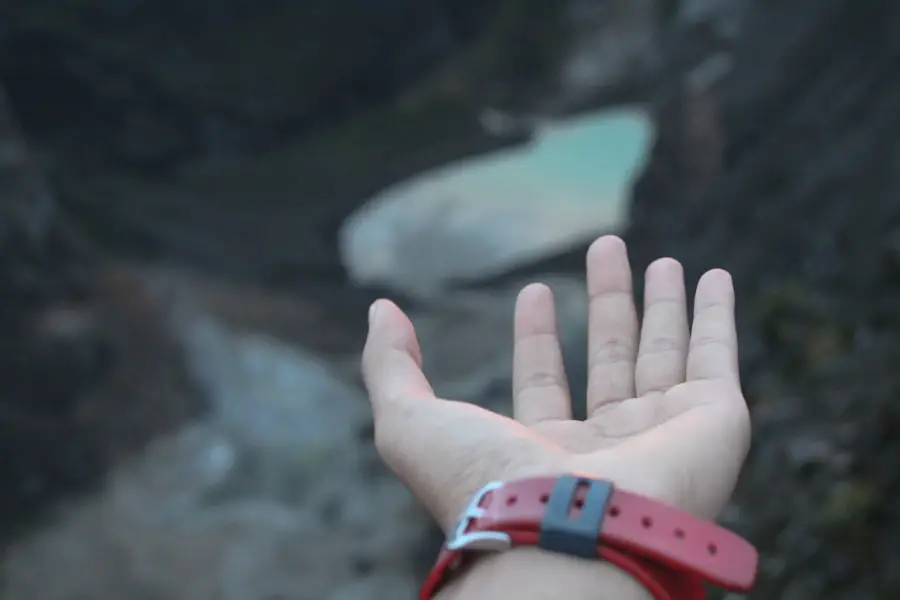
Swollen hands and “sausage fingers” are surprisingly common during hiking, walking, and other prolonged exercise. For most hikers, the swelling affects both hands, causes little or no pain, and settles after the hike. The exact mechanism is not completely understood, but exercise-related changes in blood flow, heat loss, hand position, and altitude can all play a role.
Quick Answer
Hands often swell while hiking because exercise changes blood flow and causes blood vessels near the skin to widen as your body releases heat. Hands hanging at your sides may also encourage fluid to collect there. The swelling is usually temporary, but sudden, painful, one-sided, or illness-related swelling needs medical attention.
Key Takeaways
- Exercise-related hand swelling is common, but researchers still do not know the complete mechanism.
- Changes in circulation and heat-dissipating blood flow are better-supported explanations than dehydration alone.
- Peripheral swelling of the hands, feet, and face can occur at high altitude without acute mountain sickness.
- Do not force large amounts of water. Overdrinking during prolonged exercise can cause dangerous exercise-associated hyponatremia.
- Removing rings, moving your fingers and arms, briefly elevating your hands, and using trekking poles may make swelling less bothersome.
- Sudden, painful, hot, red, markedly one-sided swelling or swelling with breathing trouble, chest pain, confusion, or severe altitude symptoms requires medical attention.
In a 2011 study of 1,009 walkers, 24.3% reported hand swelling after walking. Among participants with duration data, 88.4% said it resolved within one to two hours after the walk ended. The study shows the problem is not unusual, although its results should not be treated as a universal prevalence estimate.
Disclosure: As an Amazon Associate I earn from qualifying purchases. Some links on this page are affiliate links, at no extra cost to you.
Physical Exertion and Blood Flow
Hand swelling during exercise is common, although its exact cause has not been proved. According to the Mayo Clinic, exercise sends more blood to the heart, lungs, and working muscles. Blood vessels in the hands may respond by widening.
Exercise also creates heat. To release that heat, the body increases blood flow through vessels close to the skin. That process can contribute to temporary swelling in the hands and fingers.
There may also be a positional component. During hiking, your hands often spend long periods hanging below heart level. Arm movement and gravity may contribute to fluid collecting in the hands, although these mechanisms have not been established as the sole cause.
Researchers sometimes call recurrent swelling after walking, hiking, or running post-ambulatory hand swelling or post-ambulatory swollen hands (POTASH). Recent case reports describe it as a usually benign, transient condition whose underlying mechanism is still uncertain.
Pro Tip: Remove rings before a long hike and loosen a snug watchband. Even harmless swelling can make jewelry painfully tight and difficult to remove.
Impact of Altitude on Hand Swelling
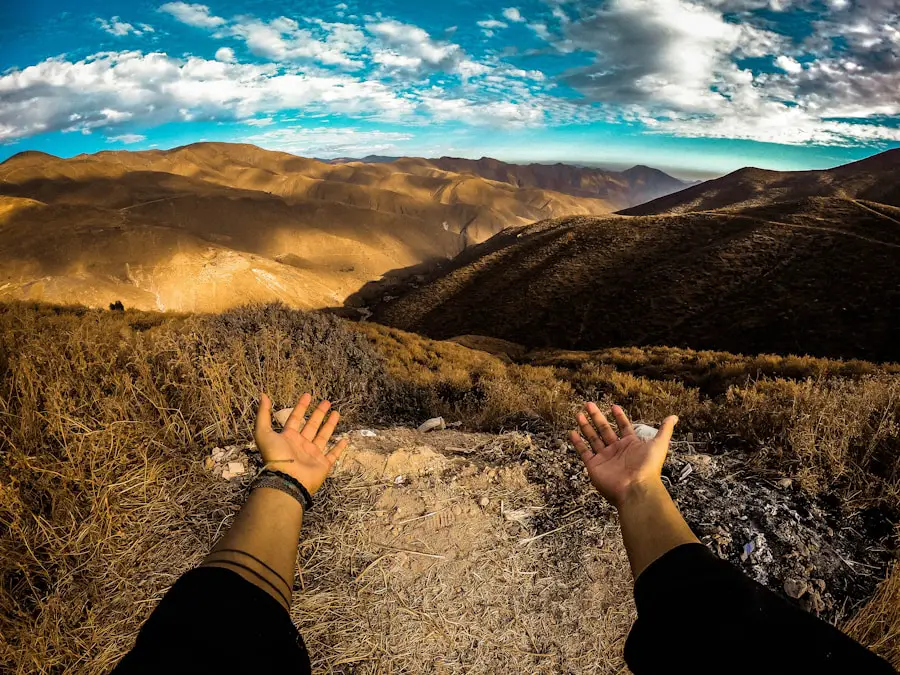
At higher elevations, barometric pressure falls, which lowers the partial pressure of oxygen available to the body. Peripheral swelling is also common at altitude. The Merck Manual notes that swelling of the hands, feet, and face can occur even when a person does not have altitude illness.
Isolated hand swelling is therefore not considered a reliable sign of acute mountain sickness (AMS). In uncomplicated cases, it causes little discomfort and generally disappears within a few days or after descent.
The important question is whether other altitude symptoms are present. According to the CDC Yellow Book, AMS usually involves headache along with symptoms such as nausea, dizziness, fatigue, or loss of appetite. Confusion, unusual drowsiness, or trouble walking normally can indicate high-altitude cerebral edema (HACE). Shortness of breath at rest, worsening cough, marked loss of exercise capacity, or respiratory distress can indicate high-altitude pulmonary edema (HAPE).
Warning: Confusion, difficulty walking straight, severe deterioration, or shortness of breath at rest at altitude can signal life-threatening HACE or HAPE. Stop ascending, descend immediately when feasible, and obtain emergency medical assistance.
Note: Puffy hands by themselves at altitude are usually much less concerning than swelling accompanied by neurological or breathing symptoms.
Hydration, Electrolytes, and Hand Swelling
| Situation | What It Means | Better Response |
|---|---|---|
| Typical exercise-related swelling | Hand swelling by itself does not tell you whether you are dehydrated. | Use thirst and the overall situation to guide drinking rather than trying to treat the swelling with large amounts of water. |
| Dehydration | Fluid losses can occur during long, hot hikes, but dehydration is not an established direct explanation for ordinary hiking hand swelling. | Rest, cool down when needed, and drink according to thirst. Severe illness, fainting, or inability to keep fluids down needs medical evaluation. |
| Overhydration | Excessive fluid intake during prolonged exercise can dilute blood sodium and cause exercise-associated hyponatremia. | Do not force fluids. Confusion, repeated vomiting, worsening headache, seizures, or altered consciousness during prolonged exercise require urgent medical care. |
Dehydration can certainly occur on a strenuous hike, particularly in hot or dry weather, but swollen fingers alone are not a reliable dehydration test. The best-supported explanations for ordinary exercise-related hand swelling involve exercise-driven changes in circulation and heat regulation rather than a simple “not enough water” mechanism.
The opposite problem deserves special attention. Drinking more fluid than the body can eliminate during prolonged exercise can contribute to exercise-associated hyponatremia (EAH), meaning the sodium concentration in the blood becomes abnormally low. Hand or finger swelling can occur, but more concerning symptoms include headache, nausea, vomiting, confusion, seizures, or altered consciousness.
The Wilderness Medical Society’s clinical guideline on exercise-associated hyponatremia emphasizes avoiding excessive fluid intake. For most recreational hikers, drinking in response to thirst is safer than forcing a predetermined amount of water every hour.
Note: Electrolyte drinks can replace some sodium lost in sweat, but they do not make unlimited fluid intake safe. Overdrinking can still cause hyponatremia even when the drink contains electrolytes.
Impact of Weather Conditions on Hand Swelling
Hot weather can make hand swelling more noticeable. As your body tries to release heat, blood vessels near the skin widen and more blood is directed toward the skin surface. Heat itself can also cause a mild form of peripheral swelling called heat edema.
Cold weather changes blood-vessel tone too, but the direct relationship between cold exposure and ordinary hiking hand swelling is less well established. Do not automatically blame repeated or painful swelling on temperature, especially if the hand is unusually pale, blue, numb, weak, or painful.
Effects of Backpack Weight on Hand Swelling
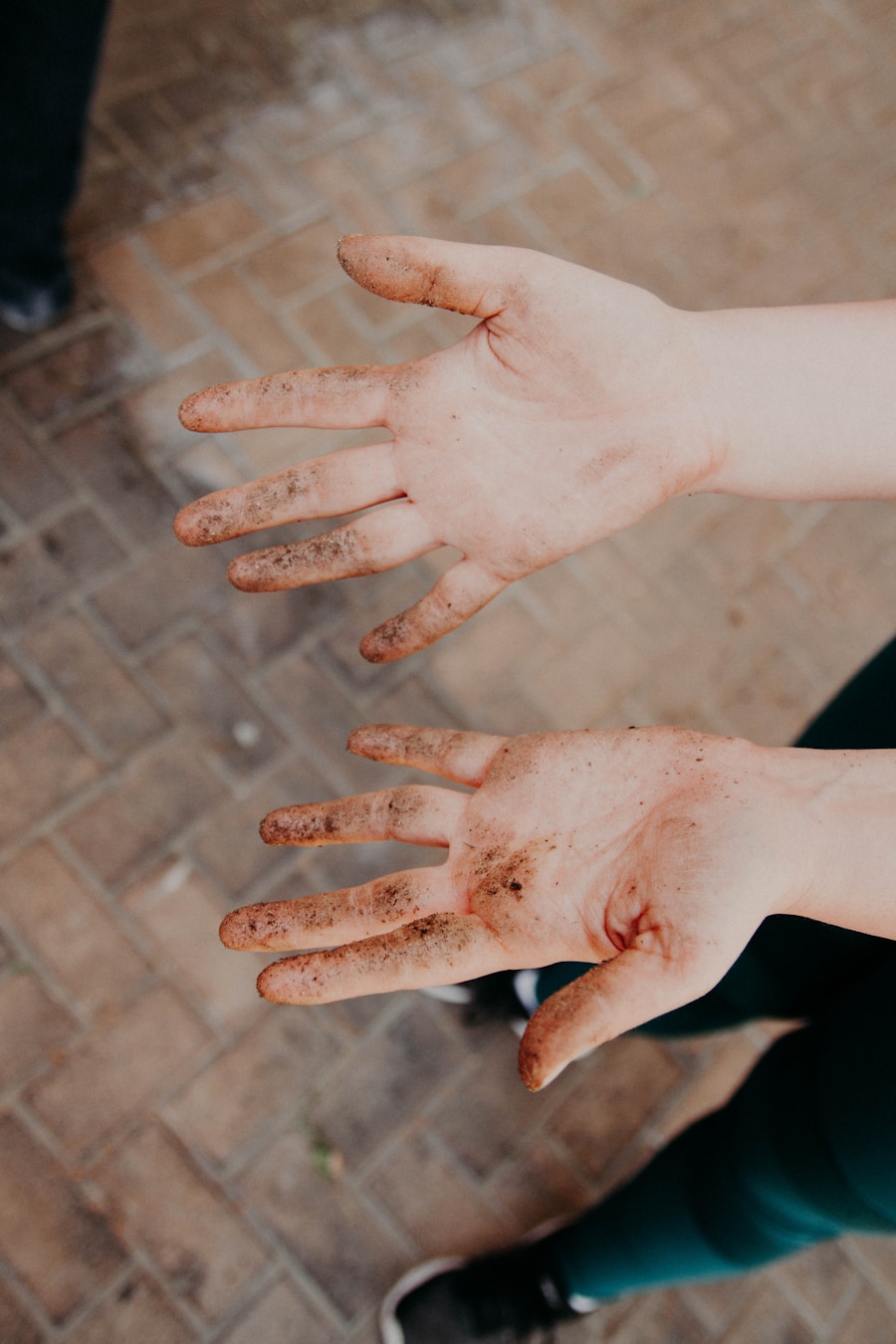
A heavy or poorly adjusted pack can make a hike less comfortable, and very tight shoulder straps may add pressure around the shoulders and upper arms. However, backpack compression has not been proved to be the primary cause of ordinary post-hiking hand swelling.
For comfort, distribute the load correctly, use the hip belt when the pack is designed for one, and avoid cinching the shoulder straps so tightly that they cause numbness, tingling, weakness, or obvious pressure marks. Adjust the pack during the hike if necessary.
Preexisting Medical Conditions and Other Causes
Not every swollen hand on a trail is ordinary exercise-related edema. Heart or kidney disease can contribute to fluid retention, while arthritis and other inflammatory conditions can cause hand swelling and stiffness. Some medications can also contribute to edema.
Other possibilities include injury, an insect sting, an allergic reaction, infection, or a problem with lymphatic or venous drainage. These conditions become more important when the swelling is markedly one-sided, painful, hot, red, persistent, or unrelated to how long you have been hiking.
People with significant heart, lung, kidney, or other medical conditions should discuss strenuous or high-altitude hiking with their healthcare professional, particularly if swelling is new or has been worsening.
Note: This article provides general health information and cannot diagnose the cause of an individual case of hand swelling.
When Is Hiking Hand Swelling a Warning Sign?
Mild swelling of both hands that appears gradually during a long walk and fades after rest is generally less concerning than swelling that begins suddenly or comes with other symptoms.
According to current guidance on swollen arms and hands, unexplained swelling deserves prompt medical assessment when it is severe, painful, starts suddenly, or the skin becomes red or hot.
Warning: Seek emergency help for swelling accompanied by trouble breathing, chest tightness or chest pain, fainting, severe confusion, seizures, or other major neurological changes. At high altitude, confusion, inability to walk normally, or shortness of breath at rest requires immediate action and descent when feasible.
Tips for Preventing and Managing Hand Swelling While Hiking
There is no guaranteed way to prevent ordinary exercise-related hand swelling, but several simple measures recommended by the Mayo Clinic may reduce discomfort:
- Remove rings before starting. Loosen watches or other tight wrist accessories so they do not become constrictive as your hands expand.
- Move your hands regularly. Spread your fingers, make and release a fist, and circle your arms from time to time.
- Raise your hands briefly. Holding them above heart level for short periods may help fluid move away from the fingers.
- Consider trekking poles. Lightly squeezing and releasing the grips keeps the hand muscles active. Avoid gripping so hard that your forearms fatigue.
- Manage heat. Slow your pace, use shade when available, and wear clothing appropriate for the conditions.
- Check your backpack fit. Reposition straps that dig into the shoulders or cause numbness, tingling, or obvious pressure.
- Drink according to thirst. Avoid both intentionally restricting fluids and forcing large quantities. Longer, hotter hikes may also require sodium-containing foods or drinks depending on duration, sweat losses, and individual needs.
If your hands begin to swell during an otherwise normal hike, pause and check the whole picture. Mild, equal swelling without pain or illness is usually less concerning. Open and close your fists, move your arms, briefly elevate your hands, loosen anything restrictive, and reassess how you feel.
Frequently Asked Questions
What causes swelling in the hands when hiking?
The exact mechanism is not completely understood. Exercise changes blood distribution, while heat causes vessels near the skin to widen. Keeping the hands below heart level for long periods may also contribute. Altitude and heat can add to swelling in some hikers.
How does blood flow contribute to swollen hands during hiking?
Exercise directs more blood toward the heart, lungs, and working muscles. Blood vessels in the hands may widen in response. Your body also increases skin blood flow to release heat, which may make the hands and fingers temporarily puffy.
Why can hand position and repetitive motion matter while hiking?
Hikers often keep their hands hanging below heart level for long periods. Gravity and limited hand-muscle activity may contribute to fluid collecting there. Moving the fingers, briefly elevating the hands, or lightly using trekking poles may reduce discomfort, although no single method is guaranteed to prevent swelling.
Is hand swelling at altitude something to worry about?
Not necessarily. Swelling of the hands, feet, and face is common at altitude and can occur without altitude illness. It becomes much more concerning when accompanied by confusion, difficulty walking normally, worsening cough, or shortness of breath at rest.
Does hand swelling mean I am dehydrated?
No. Swollen hands by themselves are not a reliable way to diagnose dehydration. Dehydration may occur during a long hike, but ordinary exercise-related hand swelling has other likely mechanisms. Forcing extra water because your fingers look swollen can also increase the risk of overhydration.
How long should hiking-related hand swelling last?
It often begins improving after you stop walking. In one observational study, most participants who reported post-walking hand swelling said it resolved within one to two hours. Persistent, worsening, painful, or unexplained swelling deserves medical evaluation.
How can I prevent or reduce swelling in my hands while hiking?
Remove rings, loosen tight wristwear, move and stretch your fingers, circle your arms, briefly raise your hands above your heart, consider trekking poles, manage heat, and make sure your backpack straps are comfortable. Drink according to thirst rather than forcing large quantities of fluid.
Sources
- Mayo Clinic — Hand swelling during exercise — exercise-related mechanisms and practical ways to reduce swelling.
- Postambulatory Hand Swelling (Big Hand Syndrome) — observational research on prevalence and duration of hand swelling after walking.
- Merck Manual — Altitude Illness — peripheral swelling at altitude and differentiation from serious altitude illness.
- CDC Yellow Book — High-Altitude Travel and Altitude Illness — current AMS, HACE, and HAPE symptoms and descent guidance.
- Wilderness Medical Society — Exercise-Associated Hyponatremia Guideline — prevention and recognition of low blood sodium during prolonged exercise.
- NHS — Swollen Arms and Hands — warning signs that require urgent or emergency medical assessment.

