
Last Updated on July 27, 2026 by Daniel Globe
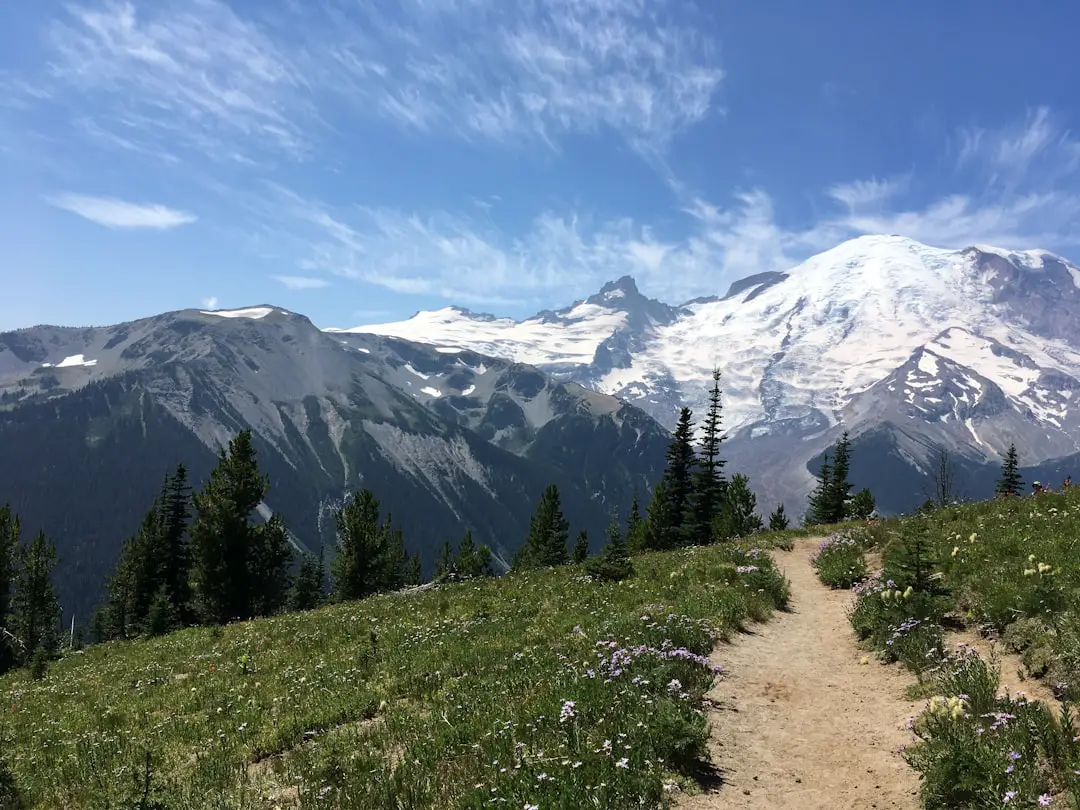
Trekking and hiking both involve exploring natural places on foot, but the difference is not as rigid as it is sometimes presented. Hiking is the broader term and can describe anything from a short nature walk to a difficult multi-day wilderness trip. Trekking usually describes a longer journey that requires more planning, endurance, and logistical preparation.
Quick Answer
Hiking is the broader term for walking outdoors on trails or natural terrain; it can be easy, difficult, short, or multi-day. Trekking usually describes a longer, more demanding journey, often involving several days and more planning. The terms overlap, so judge a route by its distance, elevation, terrain, weather, remoteness, and overnight needs.
Key Takeaways
- Hiking is a broad activity that can range from an easy day walk to a strenuous multi-day trip.
- Trekking commonly refers to longer journeys that involve more logistics, changing terrain, greater remoteness, or several consecutive days of walking.
- A trek does not always require camping. Many routes use huts, lodges, teahouses, guides, or luggage-transfer services.
- Fitness and gear should match the actual route rather than the label “hike” or “trek.”
- For either activity, check official trail conditions, carry appropriate emergency equipment, treat uncertain backcountry water, and follow Leave No Trace practices.
Disclosure: As an Amazon Associate I earn from qualifying purchases. Some links on this page are affiliate links, at no extra cost to you.
Hiking vs. Trekking: The Practical Difference
There is no single worldwide rule that turns a hike into a trek. Outdoor companies, tourism authorities, and travelers sometimes use the words differently. A useful rule of thumb is that trekking usually involves a longer journey with more logistical demands, while hiking is the broader term for recreational walking outdoors.
Hiking vs. Trekking at a Glance
| Duration | Hiking: minutes to multiple days. Trekking: commonly several days or longer. |
| Terrain | Hiking: anything from maintained paths to difficult wilderness trails. Trekking: often varied, rugged, high-altitude, or remote terrain. |
| Overnight stays | Hiking: optional. Trekking: common, using tents, huts, lodges, or teahouses depending on the route. |
| Physical demand | Hiking: easy to extremely strenuous. Trekking: usually requires sustained effort over consecutive days. |
| Gear load | Hiking: often a daypack for short outings. Trekking: usually more clothing, food, overnight equipment, or other supplies unless logistics are supported. |
| Navigation | Hiking: route knowledge is always important. Trekking: navigation and contingency planning become more important as remoteness increases. |
| Typical planning | Hiking: route, weather, water, equipment, and turnaround time. Trekking: adds accommodation, resupply, permits, transportation, acclimatization, and multi-day contingencies when relevant. |
Note: Do not choose a trip based only on whether an operator calls it a “hike” or a “trek.” Check the actual mileage, elevation gain, trail surface, altitude, weather exposure, water availability, remoteness, and emergency options.
Physical Demands and Fitness Levels
The physical demands of both hiking and trekking depend more on the route than on the name. A short, flat trail may be suitable for a beginner, while a steep day hike with several thousand feet of elevation gain can be harder than a relatively gentle day on a supported multi-day trek.
What Makes a Route Physically Difficult?
Distance is only one factor. Elevation gain, steep descents, loose or rocky surfaces, mud, snow, heat, cold, altitude, pack weight, and repeated days of walking can all increase fatigue.
Maintained trails may make navigation easier, but they are not automatically easy. Parks Canada, for example, classifies Banff trails from easy to difficult based on factors such as gradient, elevation change, obstacles, and trail experience. Current weather and trail conditions can change the challenge significantly.
Preparing for a Longer Trek
Someone preparing for a demanding trek should build up gradually rather than jumping from short walks to several full days on difficult terrain. Useful preparation includes progressively longer walks, hills or stairs, strength work for the legs and core, and practice carrying the pack and footwear intended for the trip.
Back-to-back training days can also reveal problems that a single workout may miss, such as blisters, poor pack fit, inadequate recovery, or uncomfortable clothing.
A route’s difficulty comes from the combination of distance, elevation, terrain, altitude, weather, pack weight, and remoteness—not from whether it is labeled a hike or a trek.
Equipment and Gear Needed
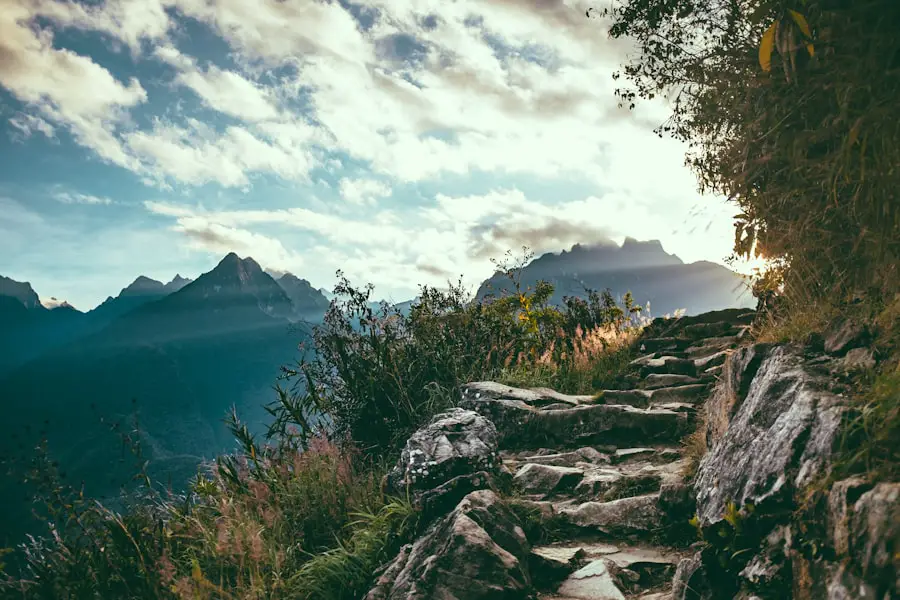
Gear should match the conditions you will actually encounter. A short hike near town and a high-altitude trek through remote mountains should not have identical packing lists.
Basic Gear for a Day Hike
The U.S. National Park Service recommends carrying the Ten Essentials. These cover navigation, sun protection, insulation, illumination, first aid, fire, repair tools, nutrition, hydration, and emergency shelter. The exact items within each category should be adapted to the route and conditions.
Footwear can range from trail shoes to hiking boots. Traction, fit, terrain, ankle comfort, weather, and pack weight matter more than the label on the footwear.
Gear for Multi-Day Trekking
Longer trips may require more clothing, food, water-treatment equipment, medications, charging or power equipment, overnight gear, and emergency supplies. A properly fitted backpack becomes especially important when carrying a substantial load.
Camping treks may require a tent or other shelter, sleeping bag or quilt, sleeping pad, stove, cookware, and several days of food. Supported routes can be very different. In Nepal’s Annapurna region, for example, many trekking routes are served by teahouses and lodges, reducing the amount of camping equipment some travelers need to carry.
Layering is useful because conditions can change throughout the day. A practical system often includes a moisture-managing base layer, insulating layer, and weather-resistant outer layer chosen for the forecast and environment.
Pro Tip: Test your complete clothing, footwear, and backpack system before a major trip. A pack that feels comfortable for 20 minutes can feel very different after several hours of climbing.
For more gear ideas, see these guides to portable water bottles, choosing a hiking backpack for a multi-day trek, and selecting comfortable traveler pants for outdoor trips.
Environmental Impact and Conservation
Both hiking and trekking affect the places through which they pass. The scale of that impact varies with the number of visitors, trail construction, soil, slope, drainage, camping behavior, transportation, waste management, and local infrastructure.
| Environmental Metric | What the Evidence Supports |
|---|---|
| Carbon Emissions | There is no universal annual emissions figure for hiking or trekking. Impact varies greatly with transportation, accommodation, equipment, and trip distance. |
| Energy Consumption | There is no meaningful universal monthly kWh figure for these activities. Energy use depends on transportation and the facilities or lodging used on a particular trip. |
| Water Usage | Water availability and consumption vary by climate, exertion, accommodation, and local infrastructure. Protect natural water sources from soap, food waste, and human waste. |
| Recycling and Waste | Recycling availability differs by destination. In remote areas, hikers and trekkers should be prepared to pack out waste according to local rules. |
Trail erosion is a genuine management concern. U.S. Geological Survey research on recreational trails found that soil loss is influenced by factors including trail grade, drainage, trail position, and type of use.
Staying on established trails can help concentrate foot traffic on more durable surfaces. The National Park Service’s Leave No Trace guidance also advises visitors to avoid shortcuts because they can damage vegetation and increase erosion.
Other responsible practices include packing out trash and food scraps, respecting wildlife, following local rules for human waste, leaving natural and cultural objects where they are, using established campsites where required, and observing fire restrictions.
Safety Considerations
Safety matters on every outdoor trip, including short hikes. Longer and more remote journeys simply reduce the margin for error because help, shelter, water, or transportation may be farther away.
Before You Leave
Check the official forecast, trail status, closures, permit requirements, wildlife advisories, and transportation information for the exact area you plan to visit. Leave your route and expected return time with a reliable person.
The National Park Service also warns that a mobile phone is not a substitute for the Ten Essentials. Cell service can be unavailable and batteries can fail. On remote trips, consider whether a satellite emergency communication device is appropriate for the route.
Water, Weather, and Navigation
Carry enough water for the planned route and know where reliable refill points are located. Do not assume a clear mountain stream is safe to drink. According to the CDC’s backcountry water guidance, uncertain water should be treated. Boiling clear water for one minute is the preferred method for killing germs; above 6,500 feet, CDC recommends boiling for three minutes. Filtering followed by disinfection is another option when boiling is not practical.
Weather can change quickly in mountain environments. Carry layers and rain protection appropriate to the location, and be willing to turn around when storms, snow, flooding, excessive heat, fire, or other hazards make continuing unsafe.
Use a map, compass, GPS device, or a combination appropriate to the trip, and know how to use the tools before relying on them. Downloading an offline map is useful, but it should not replace route knowledge or emergency planning.
Warning: High-altitude treks require additional planning. The CDC Yellow Book emphasizes gradual acclimatization. Do not ignore worsening symptoms after ascending. Stop ascending and seek appropriate medical help or descend when altitude illness is suspected, especially if symptoms become severe.
River crossings, exposed ridges, snowfields, wildlife, extreme temperatures, and technical terrain can add risks that require specialized skills or equipment. A traveler who is not comfortable with those hazards should choose another route or use a qualified guide where appropriate.
Mental and Emotional Benefits
Nature’s Tranquility and Improved Mood
Walking outdoors combines physical activity with time away from everyday routines. The CDC reports that physical activity can reduce short-term feelings of anxiety and that regular activity provides additional physical and mental health benefits.
Nature exposure may add benefits of its own. A systematic review of nature exposure and stress found lower perceived stress in most included studies and an inverse relationship between nature exposure and several physiological stress measures.
Boosting Resilience and Self-Esteem
A difficult trail can provide a clear, measurable challenge: climb the pass, reach camp, manage changing weather, or finish another day of walking. Successfully managing those demands can create a strong sense of accomplishment.
That does not mean a harder trek is automatically better for mental health. A route that exceeds a person’s fitness, experience, or risk tolerance can become stressful rather than restorative. Choosing an appropriate challenge is part of planning well.
Increased Confidence and Social Connections
Group hikes and treks can also create extended time for conversation and shared problem-solving. On multi-day routes, travelers may spend many hours together managing meals, navigation, weather, and fatigue, which can strengthen social connections.
Solo travel can offer solitude, but it places more responsibility on the individual for navigation, emergency planning, decision-making, and communication.
Trekking vs. Hiking vs. Backpacking and Mountaineering
Outdoor terms overlap, so understanding the related words can make trip descriptions easier to interpret.
- Hiking: the broad activity of walking outdoors for recreation, whether for part of a day or multiple days.
- Day hiking: a hike completed without an overnight stay.
- Backpacking: multi-day hiking in which the traveler carries equipment needed for overnight travel, usually including shelter and sleep equipment.
- Thru-hiking: hiking a long-distance trail from one end to the other as a continuous journey or defined route objective.
- Trekking: a flexible term commonly used for longer walking journeys involving several stages, substantial terrain, cultural routes, or remote destinations. Camping is not required.
- Mountaineering: mountain travel that may involve technical skills or equipment beyond normal hiking, such as climbing, glacier travel, ropes, crampons, or ice axes depending on the objective.
A multi-day trip can therefore be both a hike and a trek. A camping trip may be described as both hiking and backpacking. What matters for preparation is the route’s real demands rather than the category name.
Popular Trekking and Hiking Destinations
Destinations around the world illustrate why the terms overlap. Some places offer easy paths, strenuous day hikes, multi-day backpacking routes, and treks within the same region.
Popular Hiking Destinations
Yosemite National Park has more than 800 miles of trails and describes its hiking opportunities as ranging from short waterfall walks to multi-day wilderness journeys.
Banff National Park has more than 1,600 kilometers (1,000 miles) of maintained trails, with routes ranging from gentle outings to steep alpine hikes. Conditions can change quickly, so Parks Canada advises checking current warnings, closures, weather, and trail reports.
The Appalachian National Scenic Trail runs about 2,190 miles from Georgia to Maine. Visitors can hike short sections, complete longer backpacking trips, or attempt an end-to-end thru-hike.
Popular Trekking Destinations
Nepal’s Annapurna region is one of the world’s best-known trekking areas. The Annapurna Circuit passes through dramatically different environments and reaches Thorong La at 5,416 meters. Many routes use teahouses and lodges, demonstrating that trekking does not necessarily mean carrying a tent every night.
Peru’s Inca Trail combines sustained walking with archaeological sites and culminates at Machu Picchu. Access is regulated, reservations are controlled, and parts of the network may close for scheduled conservation work. Travelers should check the Peru Ministry of Culture’s current Inca Trail information rather than relying on old permit advice.
Other famous long-distance walking routes include Spain’s Camino de Santiago, Scotland’s West Highland Way, Australia’s Overland Track, and long U.S. trails such as the Pacific Crest Trail. Depending on local usage and the way a trip is organized, travelers may call these hiking, backpacking, trekking, or long-distance walking.
Choosing the Right Activity for You
Instead of asking only whether you prefer “hiking” or “trekking,” start with the actual trip requirements.
Choose a Shorter Hike When You Want
- A trip that fits comfortably into one day.
- Less logistical planning and a lighter load.
- Easy access to a trailhead or quicker exit options.
- A route matched to beginner or intermediate fitness.
- Time outdoors without committing to overnight travel.
Consider a Multi-Day Trek When You Want
- Several consecutive days of walking.
- A point-to-point or long-distance journey.
- More remote landscapes or cultural regions.
- An experience involving huts, lodges, teahouses, camping, or a mixture of accommodation.
- A challenge that requires more preparation, logistics, and endurance.
Before booking either activity, compare the daily distance, cumulative elevation gain, highest altitude, trail surface, expected weather, overnight arrangements, water sources, permit rules, guide requirements, evacuation options, and how far you will be from help.
Note: A famous trek is not automatically suitable for a first multi-day trip. Building experience on shorter hikes and one- or two-night trips can help you test your fitness, equipment, navigation, and recovery before committing to a remote itinerary.
Frequently Asked Questions
What is trekking?
Trekking generally describes a longer walking journey that takes place over several stages or days and requires more logistical preparation than a typical short hike. It may involve rugged or remote terrain, but some treks follow established trails and use lodges or teahouses rather than camping.
What is hiking?
Hiking is recreational walking outdoors on trails or natural terrain. It can be a short, easy walk, a difficult mountain day hike, or even a multi-day wilderness journey. Hiking is therefore a broader term than many simple trekking-versus-hiking comparisons suggest.
What are the main differences between trekking and hiking?
Trekking usually implies a longer journey, more consecutive walking days, greater logistical planning, and sometimes greater remoteness. Hiking is the broader activity and can be short or long, easy or strenuous. There is no universal boundary between the two terms.
Can hiking be a multi-day activity?
Yes. Multi-day wilderness hiking is common, and a trip may also be described as backpacking when hikers carry their overnight equipment. The National Park Service uses “hiking” for routes ranging from short walks to multi-day wilderness trips.
Does trekking always involve camping?
No. Some treks are camping-based, but others use mountain huts, guesthouses, lodges, or teahouses. Supported treks may also use porters or luggage transfers, so the equipment a traveler carries can vary greatly.
What equipment is needed for trekking and hiking?
For either activity, start with route-appropriate footwear and the Ten Essentials: navigation, sun protection, insulation, illumination, first aid, fire, repair tools, nutrition, hydration, and emergency shelter. Multi-day treks may add overnight equipment, more food and clothing, water treatment, extra power, and other supplies based on the route.
What are some popular trekking destinations?
Well-known trekking destinations include Nepal’s Annapurna and Everest regions, Peru’s Inca Trail, routes through the Himalayas, and long-distance walking routes in Europe and other mountain regions. Entry rules, guide requirements, permits, and seasonal conditions should always be checked with the official local authority.
What are some popular hiking trails?
Popular hiking routes include sections of the Appalachian Trail and Pacific Crest Trail in the United States, the West Highland Way in Scotland, routes around Cinque Terre in Italy, and Australia’s Overland Track. Many long trails can be enjoyed as day hikes, section hikes, backpacking trips, or end-to-end journeys.
Sources
- U.S. National Park Service — Ten Essentials — hiking preparation and emergency-equipment guidance.
- Centers for Disease Control and Prevention — Water Treatment When Hiking, Camping, or Traveling — backcountry drinking-water treatment.
- CDC Yellow Book — High-Altitude Travel and Altitude Illness — acclimatization and altitude-risk guidance.
- U.S. National Park Service — Leave No Trace — responsible trail, camping, wildlife, and waste practices.
- U.S. Geological Survey — Soil Loss From Recreational Trails — evidence on trail erosion and factors affecting recreational-trail degradation.
- Centers for Disease Control and Prevention — Health Benefits of Physical Activity for Adults — physical and mental health benefits associated with regular activity.

