
Last Updated on September 10, 2026 by Daniel Globe
Hiking is one of the simplest ways to spend more time outdoors: choose a trail, walk it at a comfortable pace, and enjoy the landscape along the way. You do not need advanced skills or expensive equipment for your first easy hike, but a little planning matters once you leave paved paths, reliable cell service, and quick access to help.
Quick Answer
To start hiking, choose a short, well-marked trail that matches your current fitness, check weather and trail conditions, tell someone your plan, and carry the 10 Essentials. Wear comfortable footwear and weather-appropriate layers, bring enough food and water, use reliable navigation, and turn back when conditions or your body say it is time.
Hiking can range from a relaxed walk through a local park to a strenuous trip over steep, remote terrain. The difficulty depends on much more than distance. Elevation gain, footing, weather, altitude, route-finding demands, exposure, and how far you are from help all affect the experience.
It can also be a rewarding way to exercise, spend time with friends or family, or simply slow down and pay closer attention to nature. The goal for a beginner is not to conquer the hardest trail available. It is to finish a suitable hike safely, comfortably, and eager to go again.
Key Takeaways
- Start with a short, well-marked trail that fits your current fitness and experience.
- Check the official trail or park website for weather, closures, permits, wildlife alerts, and current conditions before leaving.
- Carry the 10 Essentials, including navigation, extra clothing, first aid, food, water, illumination, and emergency gear.
- Do not rely on cell service as your only navigation or emergency plan.
- Build distance and elevation gradually, and be willing to turn around when weather, fatigue, daylight, or trail conditions change.
- Protect the places you visit by following local regulations and the Leave No Trace principles.
At a Glance
| Time Required | About 1–3 hours can work well for a first easy local hike, but actual time depends on the route, pace, elevation, and conditions. |
| Difficulty | Beginner when you choose a short, well-marked route with manageable terrain and elevation. |
| Tools Needed | Comfortable footwear, a small daypack, the 10 Essentials, water, food, and navigation appropriate for the trail. |
| Cost | Varies. You can often start with clothing and gear you already own; parking, entrance, reservation, or permit fees depend on the destination. |
Disclosure: As an Amazon Associate I earn from qualifying purchases. Some links on this page are affiliate links, at no extra cost to you.
How to Start Hiking: Your First-Hike Checklist
A good first hike does not need to be long or dramatic. Use the following process to make the outing manageable and reduce avoidable surprises.
1. Choose an Easy, Well-Marked Trail
Look for a maintained route that matches your current ability. Review the total distance, elevation gain, surface, steepness, route type, and recent trail conditions. A three-mile hike on a smooth path can feel very different from three miles of steep, loose rock.
For your first outing, favor a trail where navigation is straightforward and where turning around early is easy. Difficulty ratings can be subjective, so use the official park or land-management website as your primary source and treat crowd-sourced apps as supplemental information.
2. Check Conditions and Rules
Before leaving home, check the official destination website for current weather, trail closures, wildfire or flood alerts, parking information, permits, reservations, seasonal restrictions, and wildlife notices. The National Park Service Trip Planning Guide also recommends having a backup plan in case conditions change.
3. Tell Someone Your Plan
Give a trusted person the trail name, trailhead, planned route, who is going, when you expect to start, and when you expect to return. Tell that person what to do if you are overdue. If your plan changes before you begin, update them.
4. Pack for the Unexpected
Bring the 10 Essentials and adjust your gear for the location, season, route length, remoteness, and forecast. Even a short walk can become a longer outing because of an injury, wrong turn, sudden storm, or closed route.
5. Start at a Comfortable Pace
Do not race the first mile. Walk at a pace you could maintain for the expected duration of the hike. Take short breaks when needed, eat and drink regularly, and pay attention to hot spots on your feet, unusual fatigue, dizziness, pain, or changing weather.
6. Keep Track of Time and Your Route
Know roughly where you are throughout the hike. Check trail junctions carefully and compare them with your map. Keep enough daylight, water, energy, and weather margin for the return trip rather than treating the destination as the only goal.
7. Turn Around When Necessary
Turning around is good judgment, not failure. Severe weather, worsening trail conditions, fading daylight, navigation uncertainty, injury, illness, or greater-than-expected fatigue are all valid reasons to end a hike early.
Pro Tip: Make your first few hikes easier than you think they need to be. Finishing with some energy left gives you a safer baseline for deciding how much distance or elevation to add next time.
Selecting the Right Gear and Clothing
You do not need a closet full of specialized equipment to begin hiking. What matters most is that your footwear fits, your clothing suits the conditions, and your pack contains the equipment you may need if the trip takes longer than planned.
Choose Footwear That Fits the Trail
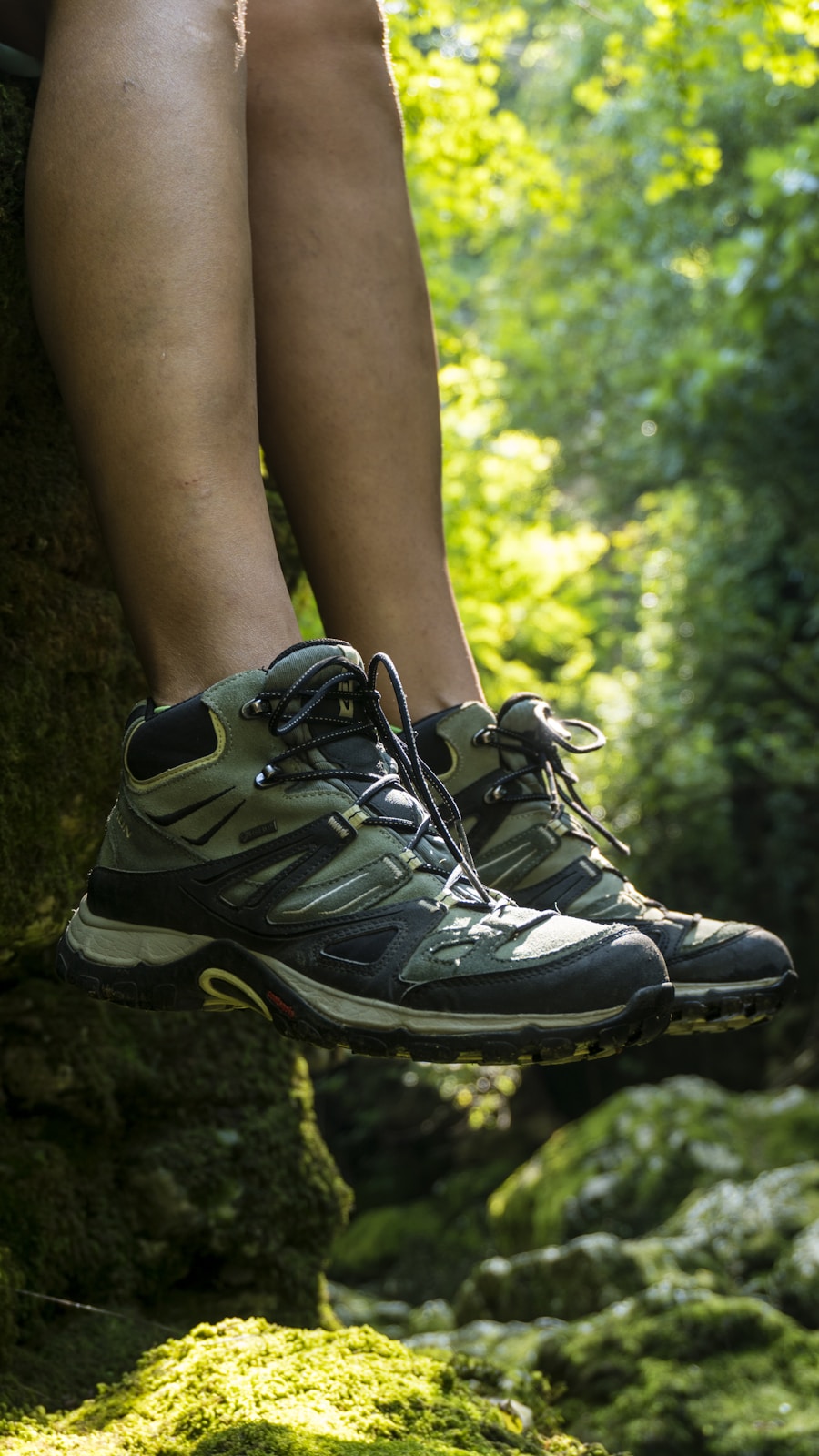
Hiking boots are one option, but they are not automatically required for every hike. Comfortable hiking shoes, trail shoes, or boots can all work depending on terrain, weather, pack weight, and personal preference. Look for secure heel fit, enough toe room, suitable traction, and no pressure points.
Do not make a long or remote hike the first outing for brand-new footwear. Wear it on shorter walks first so you can identify rubbing or fit problems before they become blisters.
Dress in Layers
Choose clothing for the conditions you may encounter rather than only the temperature at the trailhead. A practical layering system may include a fast-drying base layer, an insulating layer when temperatures require it, and a rain or wind shell.
Pack an extra layer when temperatures may drop. A hat, sunglasses, sun-protective clothing, gloves, or rain protection may also be appropriate depending on the season and location.
Carry the 10 Essentials
The National Park Service lists 10 essential systems designed to help with minor injuries, unexpected delays, sudden weather, and emergencies:
- Navigation: map, compass, GPS, or another appropriate navigation system, with a backup.
- Sun protection: sunglasses, sunscreen, hat, and protective clothing as conditions require.
- Extra clothing: layers suitable for unexpected weather or an unplanned delay.
- Illumination: a headlamp or flashlight plus sufficient power.
- First aid: a kit suited to the group and trip, plus the knowledge to use it.
- Fire: an appropriate emergency fire-starting method where lawful and safe to carry and use.
- Repair kit and tools: basic supplies appropriate for your equipment.
- Nutrition: food beyond what you expect to eat during the planned outing.
- Hydration: sufficient water and, where appropriate, a method of treating additional water.
- Emergency shelter: something that can provide basic protection if you unexpectedly have to remain outside.
The 10 Essentials are not about carrying lots of gadgets. They are a simple backup system for the problems that can turn an ordinary day hike into an emergency.
Food and Water
There is no single water amount that works for every person and every hike. Temperature, humidity, altitude, exertion, duration, body size, and access to water all matter. Carry enough for the route and conditions, and include a margin for delays.
Never assume a clear-looking mountain stream is safe to drink. The CDC warns that untreated water in hiking and remote areas can contain disease-causing germs. When your plan depends on natural water sources, know where those sources are and carry a suitable treatment method.
For food, bring familiar, easy-to-eat items that provide enough energy for the planned outing, plus extra for unexpected delays. A short local walk may need only a snack, while a long or remote hike calls for more conservative planning.
Planning Your Hike: Choosing the Right Trail
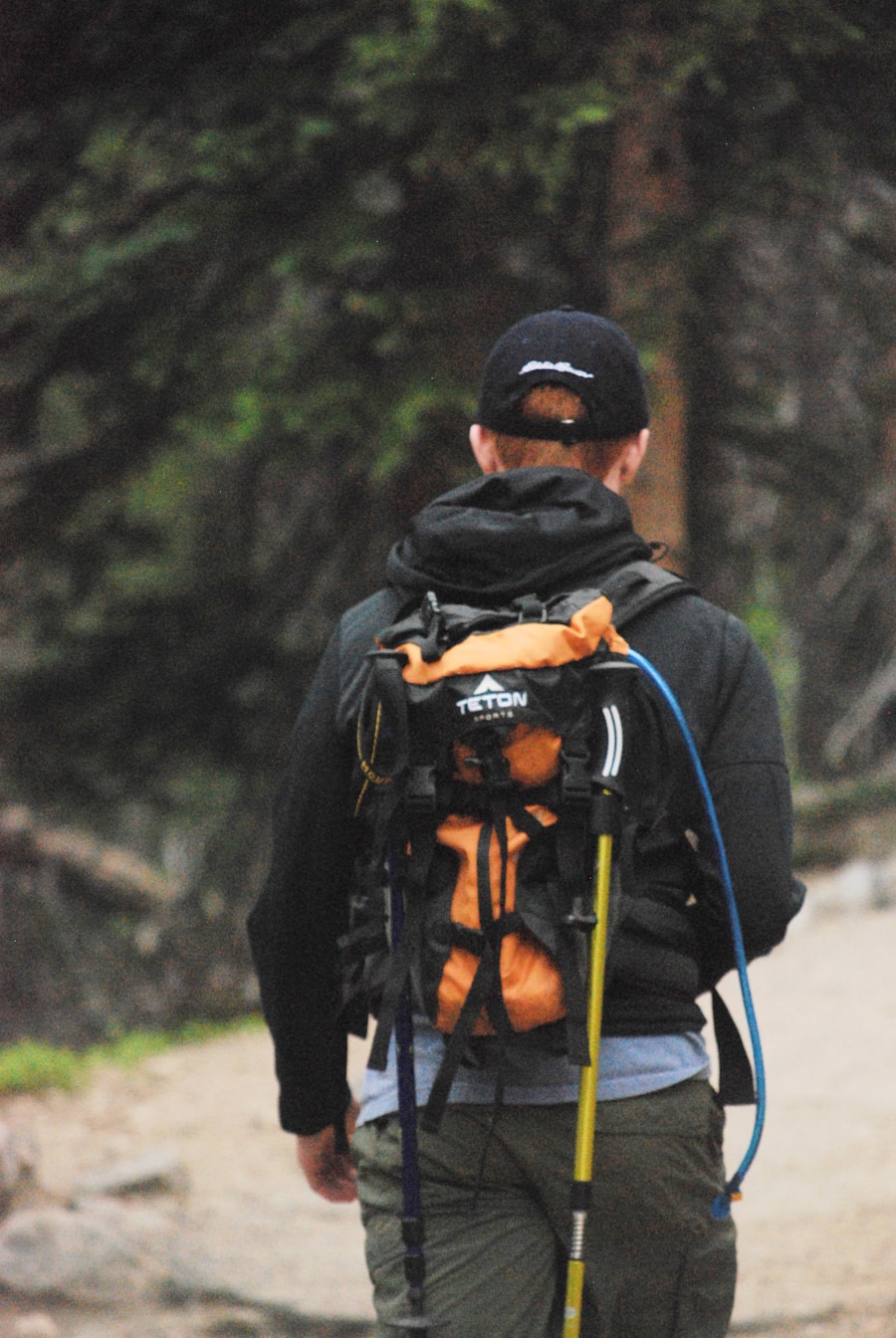
Selecting the right trail is one of the most important decisions a beginner makes. Do not judge a route from distance alone. Compare several factors before committing:
- Distance: total round-trip mileage, not just the distance to a viewpoint or summit.
- Elevation gain: how much climbing is required and how steeply it occurs.
- Terrain: smooth path, rocks, roots, mud, sand, snow, stream crossings, scrambling, or exposed sections.
- Navigation: whether the route is obvious, well signed, or requires stronger map skills.
- Remoteness: how far you will be from roads, other hikers, rangers, or emergency assistance.
- Current conditions: snow, flooding, fallen trees, extreme heat, wildfire smoke, ice, or storm damage can change a route dramatically.
- Daylight: allow enough time to finish before dark and carry a light source anyway.
- Rules and access: confirm trail closures, permits, reservations, parking rules, entrance fees, pet regulations, and seasonal restrictions.
Beginners generally benefit from shorter, well-maintained trails that make it easy to turn around. As your confidence grows, you can gradually add distance, elevation, rougher footing, or more remote terrain instead of increasing every difficulty at once.
Note: Trail difficulty labels such as “easy,” “moderate,” and “hard” are not universal measurements. Read the underlying distance, elevation, terrain, exposure, and recent-condition information rather than relying on the label alone.
Check Wildlife Information Before You Go
Wildlife precautions vary by region and species. Check the official park or land-management site for current animal activity and specific instructions. Observe wildlife from a safe distance, never feed animals, secure food where required, and do not approach an animal for a photograph or closer look.
The goal is not to create a wildlife encounter. It is to know how to respond safely if one happens.
Safety Tips and Precautions
Outdoor safety starts before you reach the trailhead. The National Park Service Hike Smart guidance recommends choosing a trail that matches the group, checking weather and alerts, leaving a trip plan, carrying the 10 Essentials, and having an emergency plan.
| Hiking Risk | Practical Precaution |
| Getting lost | Carry navigation you know how to use, download offline information where useful, bring a backup, and leave a detailed trip plan with someone you trust. |
| Weather changes | Check the forecast and local alerts, carry appropriate layers, watch conditions during the hike, and turn around before weather becomes dangerous. |
| Heat or dehydration | Carry adequate water, pace yourself, use sun protection, take breaks, and adjust or cancel the hike during unsafe heat. |
| Injury or unexpected delay | Carry first aid, extra food, insulation, illumination, and emergency shelter, and know how you would communicate or seek help. |
Leave a Useful Trip Plan
Before heading out, tell someone where you are going and when you expect to return. Include the exact trail or route, trailhead, vehicle information when useful, names of people in the group, and the time your contact should consider you overdue.
This information can make a major difference if search-and-rescue personnel have to locate you.
Do Not Depend on Cell Service
A phone is useful, but backcountry coverage can be weak or nonexistent. Keep the battery charged, carry a power source when appropriate, and save offline maps if you use your phone for navigation. On remote trips, consider whether a satellite messenger or personal locator beacon is appropriate for the terrain and risk.
Technology should supplement—not replace—route knowledge, a trip plan, and backup navigation.
Watch for Heat
Hot-weather hiking increases the risk of dehydration and heat illness. The CDC advises people exercising in heat to pace themselves, drink more water than usual, avoid the hottest part of the day when possible, and stop activity if they feel faint or weak.
Take Thunder Seriously
Check the forecast before hiking in areas where thunderstorms are possible. The National Weather Service warns that no place outside is safe when a thunderstorm is nearby. If you hear thunder and a substantial building or enclosed metal-topped vehicle is accessible, move to safety immediately.
If you are caught in the backcountry without safe shelter, get off exposed high points such as peaks and ridges and follow current National Weather Service risk-reduction guidance. Do not shelter beneath an isolated tree or under a rocky overhang.
Warning: Weather forecasts, trail ratings, GPS apps, and cellphones cannot guarantee your safety. Conditions can change quickly. If the route becomes unsafe, you lose confidence in your location, or anyone in the group is becoming ill or exhausted, stop and reassess rather than pushing ahead.
What to Do If You Get Lost
If you become unsure of your location, stop before wandering farther. Stay calm and use your map, compass, GPS, known landmarks, or other navigation tools to determine where you are. If it is clearly safe to retrace your steps to a known point, do so carefully.
If you cannot safely regain the route, seek help. The NPS Outdoor Emergency Plan advises lost visitors who cannot retrace their route to contact 911 when possible and stay put unless remaining in that location poses an immediate threat to life. Give rescuers your coordinates if available, last known location, nearby landmarks, clothing description, equipment, and relevant medical information.
What to Do If Someone Is Injured
First make sure the scene is safe. Use your first-aid supplies within the limits of your training, protect the injured person from heat, cold, rain, or other environmental hazards, and seek emergency help for serious injuries or illness.
Basic first-aid or wilderness first-aid training is particularly useful for people who plan to hike farther from roads and immediate medical care.
Building Physical Endurance and Strength
Hiking can be easy exercise or a demanding endurance activity depending on the trail. You do not need to reach a special fitness threshold before taking a gentle local hike, but gradually improving your walking endurance, leg strength, and balance can make longer or steeper trails more comfortable.
A simple beginner approach is to walk regularly and slowly increase either distance, hills, or time on your feet. Avoid making large jumps in all three at once. Stairs or hills can help prepare you for climbing, while exercises such as squats, step-ups, lunges, and basic core work can strengthen muscles used on uneven terrain.
General U.S. physical-activity guidance recommends that adults work toward at least 150 minutes of moderate-intensity aerobic activity each week plus muscle-strengthening activity on at least two days. These are general health recommendations, not a requirement for taking your first hike. People with medical conditions or concerns about increasing activity should follow advice appropriate to their circumstances.
One of the best forms of hiking training is also the most obvious: hike. Start with manageable routes and let real trail experience teach you how your body responds to hills, uneven ground, weather, and carrying a daypack.
Navigation and Orientation Skills
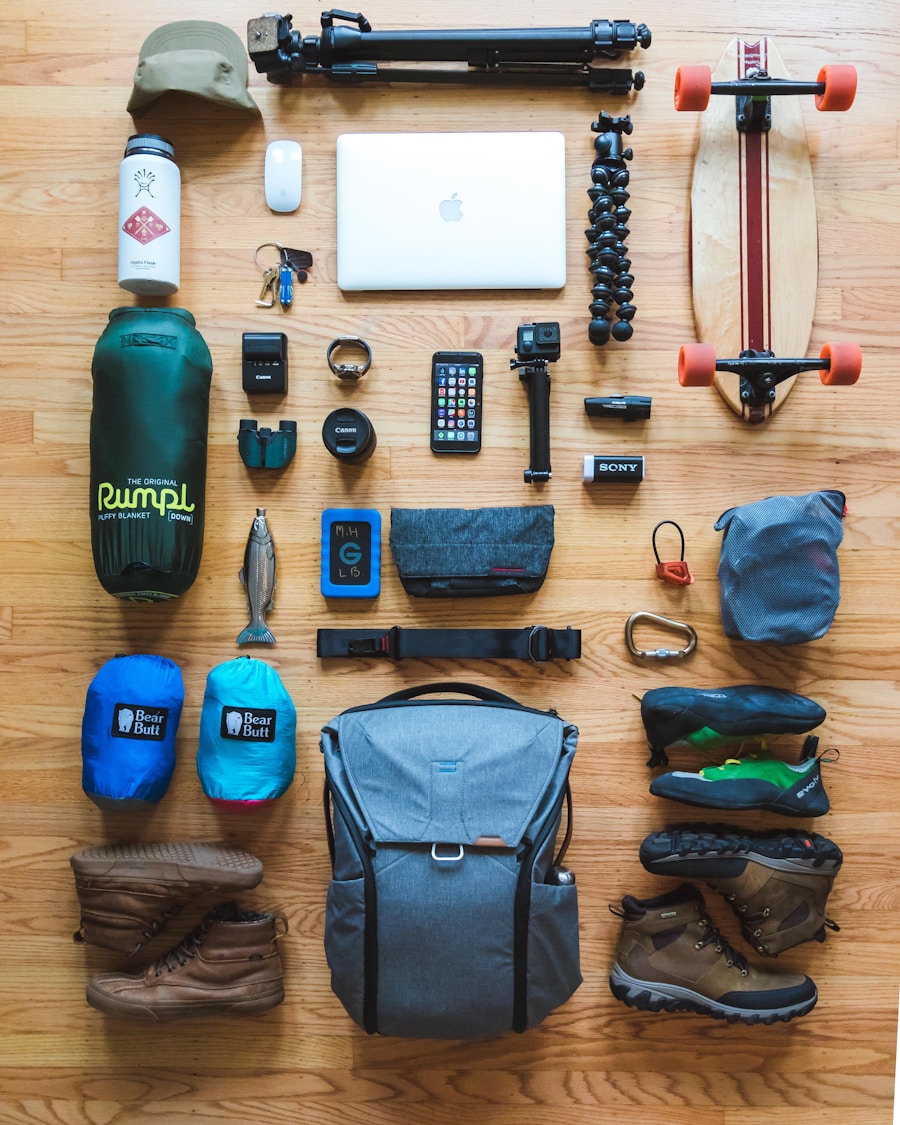
A pile of gadgets is not a navigation plan. For a beginner, the goal is to know the intended route, recognize important junctions, track your progress, and have a backup if one device fails.
Use More Than One Source of Navigation
Before starting, study the trail map and identify the trailhead, major junctions, landmarks, turnaround point, and destination. If you use a phone app, download the map for offline use when that option is available and make sure the phone has adequate power.
For trips where getting off-route could have serious consequences, carry an appropriate physical map and know the basics of using it. A compass is valuable only when you understand what it tells you, so practice in a familiar area rather than learning during an emergency.
Pay Attention at Junctions
Many navigation mistakes happen when hikers move through a junction without checking which trail they are taking. Pause, read signs carefully, compare the junction with your map, and note which direction you will need on the return trip.
If the landscape no longer matches your map or route description, stop early. Continuing in the hope that the trail will eventually “look right” can make a small navigation error much harder to correct.
Build Skills Gradually
As you gain experience, learning how topographic contour lines show slopes and landforms, how to take a compass bearing, and how to identify your position from terrain features can make you more self-reliant. Practice those skills on familiar routes before depending on them in remote country.
Leave No Trace Principles
Enjoying a trail also means reducing your impact on the place and on other visitors. The Leave No Trace Seven Principles provide a widely used framework for responsible outdoor recreation.
- Plan ahead and prepare. Learn the rules, conditions, weather, hazards, and special concerns for the area before you arrive.
- Travel and camp on durable surfaces. Use established trails and durable areas as appropriate, and avoid creating shortcuts that damage vegetation or accelerate erosion.
- Dispose of waste properly. Pack out trash, food scraps, and other waste and follow local rules for human and pet waste.
- Leave what you find. Leave rocks, plants, cultural objects, and other natural features where they are.
- Minimize campfire impacts. Follow current fire restrictions and use fires only where they are permitted and appropriate.
- Respect wildlife. Watch animals from a safe distance, never feed them, and follow species-specific food-storage and safety rules.
- Be considerate of others. Keep noise reasonable, manage pets according to local rules, and share the trail respectfully.
Basic Trail Etiquette
Follow posted local yield rules, because expectations can differ among hiking, equestrian, and multi-use trails. When stepping aside for another trail user, choose a safe durable spot rather than trampling fragile vegetation. Keep your group together without blocking the trail, and avoid playing loud audio that forces other visitors to share your soundtrack.
On developed trails, stay on the established tread and avoid cutting switchbacks. In areas where off-trail travel is legal, follow local guidance and Leave No Trace practices for durable surfaces.
Enjoying the Benefits of Hiking
Hiking combines physical activity with time outdoors, so its benefits can extend beyond simply reaching a viewpoint. Depending on pace and terrain, hiking can contribute to aerobic activity while also challenging the legs, balance, and coordination.
The CDC reports that regular physical activity provides both immediate and long-term health benefits. A single session of moderate- to vigorous-intensity activity can reduce short-term feelings of anxiety and improve sleep quality, while regular activity supports heart, bone, brain, and metabolic health.
Research on nature exposure also suggests benefits for stress, mood, and mental well-being. That does not mean every hike will instantly make someone happier or that “fresh air” alone produces a particular biochemical effect. The more defensible takeaway is that outdoor activity can combine the established benefits of movement with the restorative experience many people get from spending time in natural settings.
Hiking can also be social. Walking with family, friends, a local hiking group, or an experienced partner gives people time to talk and share an experience away from the distractions of everyday routines. Beginners who are nervous about going alone may also feel more comfortable learning with someone who has trail experience.
As people become familiar with local trails and ecosystems, they may also develop a stronger appreciation for protecting those places. Following Leave No Trace principles, obeying closures, respecting wildlife, and supporting responsible access help keep outdoor spaces enjoyable for the people who come next.
If your hike is part of a longer trip, organization can make it easier to separate clean clothes, wet layers, and other travel items. This guide to 5 Must-Have Packing Cubes for Your Spring 2025 Getaway may be useful for organizing luggage, although packing cubes are not a substitute for the hiking safety equipment you need on the trail.
Love travel? Join Our Facebook Community For More Tips.
Frequently Asked Questions
What is hiking?
Hiking is walking outdoors on trails, paths, or other suitable routes in natural environments. It can range from an easy walk in a local park to a long, steep, remote backcountry trip.
Why should I start hiking?
Hiking is an accessible way to be physically active, spend time outdoors, explore new places, and enjoy nature. You can start with short local trails and gradually increase the challenge as your fitness and skills improve.
How do I prepare for my first hike?
Choose a short trail that matches your ability, check the official weather and trail conditions, review closures and permit requirements, leave your route and return time with someone you trust, pack the 10 Essentials, and make sure you have enough daylight to complete the route.
What should a beginner bring hiking?
Bring the 10 Essentials: navigation, sun protection, extra clothing, illumination, first aid, fire, repair tools, extra food, water and water-treatment supplies where appropriate, and emergency shelter. Adjust the contents for the route, weather, season, and remoteness.
Do I need hiking boots to start hiking?
Not necessarily. Properly fitting hiking shoes, trail shoes, or hiking boots can all be suitable. Choose footwear according to the terrain, weather, traction you need, pack weight, and what feels comfortable on your feet.
What makes a hiking trail beginner-friendly?
A beginner-friendly trail is generally well marked, manageable for your current fitness, and free of technical terrain that requires skills you do not yet have. Consider distance, elevation gain, steepness, footing, exposure, navigation demands, weather, and remoteness instead of relying only on an “easy” rating.
What are the most important hiking safety tips?
Choose a route within your abilities, check current conditions, carry the 10 Essentials, leave a trip plan, use reliable navigation, bring adequate food and water, watch the weather, follow local wildlife guidance, and turn back when conditions become unsafe.
What should I do if I get lost while hiking?
Stop and stay calm. Use your map, compass, GPS, and visible landmarks to determine your location. Retrace your steps only when it is clearly safe. If you cannot regain the route, contact emergency services when possible and stay put unless your location poses an immediate danger.
Can I rely on my phone for hiking navigation?
A phone can be useful, especially with offline maps, but it should not be your only plan on routes where getting lost would be serious. Batteries fail and cell coverage can disappear. Carry backup navigation appropriate for the route and know how to use it.
How can I improve my hiking skills?
Hike regularly and increase difficulty gradually. Practice map reading and compass use on familiar trails, learn basic first aid, improve your understanding of weather and local hazards, and add distance, elevation, rougher terrain, or remoteness one step at a time.
Sources
- National Park Service — Hike Smart — trail planning, trip plans, weather, communication, emergencies, and hiking safety.
- National Park Service — Ten Essentials — essential hiking equipment and emergency-preparedness categories.
- Leave No Trace — Seven Principles — responsible recreation, wildlife, waste, surfaces, fires, and consideration of other visitors.
- National Weather Service — Lightning Safety — thunderstorm and lightning precautions for outdoor activities.
- Centers for Disease Control and Prevention — Water Treatment When Hiking and Camping — risks from untreated natural water and treatment guidance.
- Centers for Disease Control and Prevention — Health Benefits of Physical Activity for Adults — evidence-based physical and mental health benefits of regular activity.
