Last Updated on September 10, 2026 by Daniel Globe
Hiking is one of the simplest ways to spend more time outdoors: you walk a trail or path, move at your own pace, and explore natural areas ranging from local parks to mountain routes. A first hike does not need to be long or difficult. The safest way to begin is to choose an easy route, check current conditions, bring the right essentials, and turn around before you are tired or the weather changes.
Quick Answer
To start hiking, pick a short, well-marked trail that matches your fitness, check the weather and trail alerts, tell someone your plan, and carry the 10 Essentials. Wear comfortable footwear with good traction, start slowly, stay on the trail, and choose a turnaround time so your first outing ends safely.
Key Takeaways
- Start with a short, well-marked trail and increase distance and difficulty gradually.
- Carry the 10 Essentials, including navigation, extra food and water, first aid, light, layers, and emergency shelter.
- Check official trail alerts, weather, daylight, fire restrictions, and any permit or access rules before leaving.
- Share your route and expected return time with someone who is not on the hike.
- Stay on durable surfaces, pack out trash, respect wildlife, and follow local trail rules.
At a Glance
| Time Required | About 1–3 hours for a first local hike, plus planning time |
| Difficulty | Easy for beginners when the route matches current fitness and conditions |
| Tools Needed | Comfortable footwear, daypack, water, food, navigation, first aid, light, layers, sun protection, repair/fire items, and emergency shelter |
| Cost | Often low if you already own suitable shoes, layers, a backpack, and water bottles; parking, permits, or entrance fees vary by location |
Disclosure: As an Amazon Associate I earn from qualifying purchases. Some links on this page are affiliate links, at no extra cost to you.
How to Start Hiking as a Beginner
People have crossed natural landscapes for survival, trade, travel, and exploration for thousands of years. Modern recreational hiking turns that basic act of walking into a way to enjoy natural places on foot. Hiking can support cardiovascular fitness and general physical activity, and many people find time outdoors mentally restorative. The important point for a beginner is not how far you go. It is learning how to plan well and return safely.
- Choose a manageable trail. Start with a well-marked route that is shorter and easier than the maximum you think you can handle.
- Check current conditions. Look at the managing park or land agency’s website for closures, hazards, fire restrictions, snow, flooding, and access changes.
- Check the weather and daylight. Know the forecast for the trail area, not just your home, and plan enough time to finish before dark.
- Pack the essentials. Bring navigation, food, water, layers, first aid, light, sun protection, emergency shelter, and basic repair/fire supplies appropriate to the route.
- Leave a trip plan. Tell a trusted person where you are going, your route, who is with you, and when you expect to return.
- Set a turnaround time. Turn back if the hike is taking longer than planned, conditions worsen, someone feels unwell, or you are using water and daylight faster than expected.
Pro Tip: Make your first outing easier than you think it needs to be. Finishing with energy left is a better way to build confidence than pushing until you are exhausted.
Essential Gear and Equipment for Hiking
Appropriate footwear is the foundation of a comfortable hike, but beginners do not always need heavy hiking boots. For a dry, maintained trail, a well-fitting athletic shoe or trail-running shoe with good traction may work well. Boots can add protection and support on rough, rocky, muddy, snowy, or backpacking routes. Whatever you wear, make sure the fit is comfortable before the hike.
Moisture-managing socks can help keep feet more comfortable. Clothing should match the weather and route. Layering is useful because you can add or remove insulation as conditions change. A breathable base layer, a warm layer when needed, and a rain or wind shell can provide more flexibility than one heavy garment.
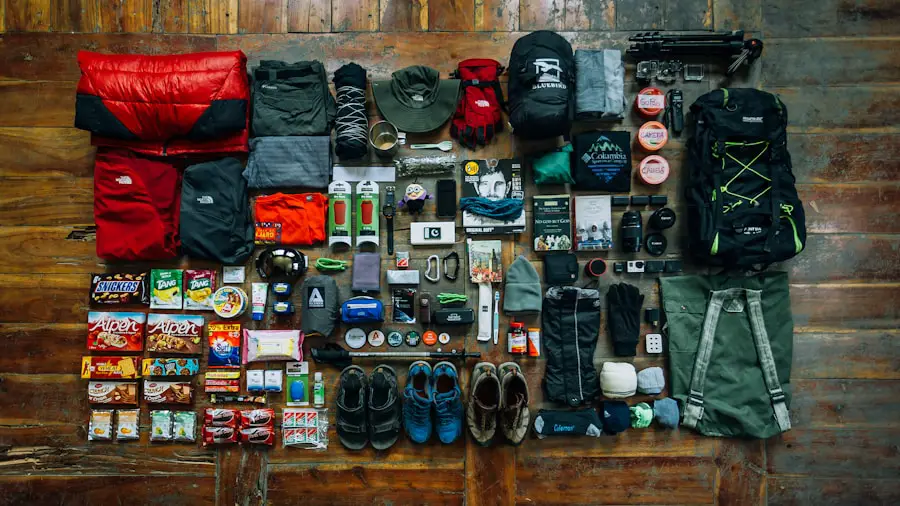
The National Park Service 10 Essentials are a stronger starting point than carrying only water and snacks. The categories are:
- Navigation: map, compass, GPS, or another reliable way to follow the route; know how to use it.
- Sun protection: sunglasses, sunscreen, a hat, and protective clothing as conditions require.
- Insulation: extra clothing for cold, wind, or rain.
- Illumination: a headlamp or flashlight, ideally with spare power.
- First aid: supplies suited to the group and trip, plus any personal medications you may need.
- Fire: a safe emergency fire-starting method where carrying and using it is legal and appropriate.
- Repair tools: a knife, multi-tool, tape, or small repair kit suitable for your equipment.
- Nutrition: enough food for the hike plus extra for an unexpected delay.
- Hydration: enough water for the route and conditions, plus a way to treat water when the trip requires it.
- Emergency shelter: a lightweight emergency blanket, bivy, tarp, or similar protection from exposure.
The National Park Service treats the 10 Essentials as the minimum categories hikers should consider for unexpected injuries, weather changes, delays, and emergencies.
A small daypack can carry water, food, the essentials, and any route-specific gear. Energy-dense snacks such as trail mix, nuts, or bars are easy to carry. Water needs are not one fixed number for every hike; heat, humidity, elevation, pace, distance, body size, and access to safe water all matter. Plan for the conditions and carry extra rather than assuming a stream is safe to drink.
Note: A phone is useful for maps and emergencies, but batteries fail and cell coverage can disappear. Download offline maps before leaving and carry a backup navigation method on remote routes.
Choosing the Right Trail for Beginners
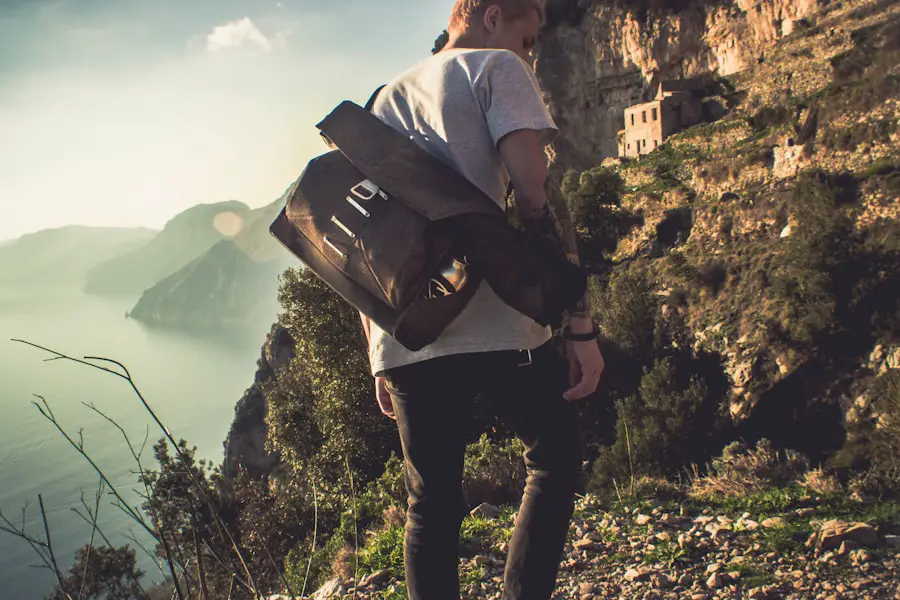
Selecting an appropriate trail is one of the most important beginner decisions. Look for a well-marked, maintained route with a clear description and a difficulty level that fits your current fitness and experience. Local parks and nature preserves often have short routes that let you practice hiking without committing to a long or remote day.
Do not judge a hike by distance alone. Check distance, elevation gain, trail surface, steepness, exposure, river crossings, altitude, shade, expected weather, and current trail conditions. A short route with steep climbs or loose rock can be harder than a longer flat trail. An out-and-back route can also make it easier to turn around early.
Before leaving, use the official website for the park, forest, or land manager to check alerts and closures. Trail apps and user reviews can add useful recent observations, but they should not replace official warnings or restrictions.
Pro Tip: For your first few hikes, choose a route with an obvious trailhead, frequent signs, and a simple turnaround point. You can increase distance and elevation after you learn your pace.
Safety Tips and Precautions for Hiking
| Safety Tip | What to Do |
| 1. Plan your route | Know the trail and tell someone your route and expected return time. |
| 2. Check the weather | Review the trail-area forecast and change plans if severe weather is likely. |
| 3. Dress for conditions | Wear suitable footwear and pack layers for wind, rain, cold, or heat. |
| 4. Carry enough water | Plan water for the route and conditions and carry extra for delays. |
| 5. Pack essential gear | Carry navigation, first aid, a light, food, layers, and the other 10 Essential categories. |
| 6. Stay on the intended route | Follow trail signs and avoid shortcuts that can cause erosion or lead you off route. |
| 7. Respect wildlife | Keep your distance, never feed animals, and follow area-specific wildlife guidance. |
| 8. Pace yourself | Take breaks, let the slowest hiker set the pace, and turn around before exhaustion. |
| 9. Watch for hazards | Pay attention near cliffs, loose rock, swift water, ice, roots, and slippery surfaces. |
| 10. Leave no trace | Pack out trash and waste and follow the land manager’s rules for the area. |
Safety starts before you reach the trailhead. The National Park Service Hike Smart guidance recommends choosing a route that matches the group, checking weather and park alerts, leaving a trip plan, carrying the 10 Essentials, and setting a turnaround plan. Hiking with a friend or group can be reassuring for beginners, but the trip-plan step still matters whether you hike alone or with others.
A fully charged phone can add another layer of communication and navigation, but remote areas may have no service. On isolated routes, consider whether a satellite communicator or personal locator beacon is appropriate for the terrain and remoteness.
Warning: If you hear thunder, leave exposed terrain and move toward a substantial building or hard-topped vehicle when you can do so safely. The National Weather Service says there is no safe place outdoors during a thunderstorm. Do not shelter under an isolated tree or a small open shelter.
Heat, Cold, and High Altitude
Hot weather raises the risk of dehydration and heat illness, especially on exposed or strenuous routes. Start early when appropriate, carry enough water, use sun protection, slow your pace, and take breaks. If conditions are hotter than expected, choose a shorter route or turn around.
Cold, wind, and rain can also become dangerous when clothing gets wet and body temperature drops. Pack a weather layer even when the trailhead feels comfortable if the forecast or elevation makes changing conditions possible.
Higher elevations add another concern. The CDC Yellow Book advises gradual acclimatization because altitude illness risk rises when people ascend too high too quickly. Headache, nausea, unusual fatigue, dizziness, or worsening symptoms at altitude are reasons to stop ascending; severe symptoms require descent and medical help.
Proper Hiking Etiquette and Leave No Trace Principles
Trail etiquette helps different visitors share the same space. In many hiking settings, downhill hikers step aside for uphill hikers when it is safe to do so because the uphill hiker may be working to maintain momentum. Yielding rules can vary on multi-use trails, so follow posted signs. When encountering horses or pack stock, follow the handler’s instructions and give the animals plenty of room. A friendly greeting can also make passing easier because it confirms that both parties have noticed each other.
The seven Leave No Trace principles give hikers a practical framework for reducing their impact:
- Plan ahead and prepare.
- Travel and camp on durable surfaces.
- Dispose of waste properly.
- Leave what you find.
- Minimize campfire impacts.
- Respect wildlife.
- Be considerate of other visitors.
In practice, that means staying on established trails where required, avoiding shortcuts, packing out trash, leaving plants and natural objects in place, keeping noise reasonable, and viewing wildlife from a distance. Never feed wild animals. Build a campfire only where it is allowed and safe, and follow current fire restrictions. In some areas or seasons, no fire is the responsible choice.
Note: Trail rules are local. Dog rules, food-storage requirements, permits, camping rules, seasonal closures, and wildlife precautions can change from one park or forest to another.
Building Physical Endurance and Strength for Hiking
Physical preparation can make hiking more comfortable, especially as distance and elevation increase. Start with regular walking and gradually add time, hills, or stairs. Cycling, swimming, or other aerobic activities can also support general endurance. Interval training can be useful for some people, but it is not required to become a capable recreational hiker.
Strength work can help with uneven terrain and climbing. Squats, lunges, step-ups, calf raises, and core exercises such as planks can build useful leg and trunk strength. Balance work and gentle flexibility or mobility exercises, including stretching or yoga if they suit you, may also help you move more confidently over rocks and roots.
Progress gradually. A beginner who comfortably walks 30–45 minutes on level ground might first add small hills, then longer walks, and later a lightly loaded backpack. The goal is to build consistency without turning every training session into a hard workout.
Note: If you have a health condition, recent injury, or symptoms that make exercise unsafe, ask a qualified health professional about an appropriate activity level before attempting a strenuous hike.
Exploring Different Types of Hiking Terrain
Different terrain changes the skills and equipment a hike may require. Forest trails often provide shade and softer surfaces, but roots, mud, insects, and stream crossings can still be hazards. Open grassland or coastal paths may look easy but can expose hikers to sun, wind, and sudden weather.
Mountain routes can involve steep climbs, loose rock, cliffs, snowfields, fast-changing weather, and higher altitude. These are not simply “harder walks”; some routes require navigation, traction devices, scrambling skills, or technical equipment. Beginners should not assume a popular mountain trail is beginner-friendly.
Desert hiking adds heat, intense sun, limited shade, and scarce water. Water planning becomes especially important, and routes that feel comfortable in cool months can become dangerous in summer. Wet, snowy, or icy trails may also require more traction, warmer layers, waterproof protection, and a lower-risk route choice.
Whenever the terrain changes, reassess the plan. The right footwear, water supply, clothing, navigation, and turnaround time for a shaded local trail may be inadequate for a desert canyon or high-elevation ridge.
Joining Hiking Groups and Communities for Support and Guidance
For people who are new to hiking, a local hiking club, park program, outdoor organization, or experienced friend can make the first few trips easier. Group outings can help beginners learn pacing, trail navigation, basic gear choices, safety habits, and outdoor etiquette while building confidence.
Online communities and trail platforms can also help you discover routes and read recent trip reports. Use them as one input rather than your only safety source. Official land-manager alerts should take priority for closures, permits, wildfire restrictions, flooding, and other hazards.
Choose groups that clearly state the route distance, elevation gain, expected pace, required gear, and difficulty. A good beginner group should make it easy to ask questions and should not pressure members to continue when conditions or personal limits say it is time to turn around.
Common Beginner Hiking Mistakes to Avoid
- Choosing by mileage alone: elevation, terrain, heat, altitude, and trail condition can matter as much as distance.
- Starting too hard: choose an easier first hike and build gradually.
- Relying only on a phone: download maps and carry backup navigation when the route warrants it.
- Ignoring turnaround time: reaching a summit or viewpoint is optional; getting back safely is not.
- Breaking in new footwear on the trail: wear shoes beforehand so you can find pressure points before a long hike.
- Assuming natural water is safe: carry water or use an appropriate treatment method rather than drinking untreated water.
- Following unofficial shortcuts: shortcuts can cause erosion, damage vegetation, and lead away from the intended route.
What to Do If You Get Lost or Injured
If you realize you are off route, stop before wandering farther. Stay calm, check your map and surroundings, and determine whether you can safely return to the last known point. If you are unsure, continuing in a guessed direction can make the situation worse. Use your phone, GPS, whistle, or emergency communication device as appropriate.
If someone is injured, first deal with immediate life-threatening problems and protect the person from traffic, falling rocks, cold, heat, or other hazards when it is safe to do so. Call 911 or the local emergency number when you have service and the situation requires rescue. Provide your location, trail name, nearby landmarks, group size, and the nature of the emergency. On remote trips, this is where a trip plan, extra layers, light, food, water, first aid, and emergency shelter become especially valuable.
Warning: Do not push through severe symptoms, dangerous weather, rapidly rising water, wildfire closures, or terrain beyond your skill. Turning around is a normal hiking decision, not a failure.
For a travel-history detour connected with walking journeys, you can also read The Shepherd’s Journey to Bethlehem: A Distance Traveled.
Frequently Asked Questions
What is hiking?
Hiking is recreational walking on trails or routes in natural areas such as parks, forests, mountains, deserts, and countryside. It can range from a short local walk to a demanding backcountry trip.
Why should I start hiking as a hobby?
Hiking can add regular physical activity to your routine while giving you time outdoors and opportunities to explore new places. You can start with short local trails and progress at your own pace.
How do I start hiking as a beginner?
Choose a short, well-marked trail, check official conditions and weather, carry the 10 Essentials, tell someone your plan, start early enough to finish in daylight, and use a turnaround time.
What are the essential items to bring hiking?
Use the 10 Essentials as a baseline: navigation, sun protection, insulation, illumination, first aid, fire, repair tools, extra nutrition, hydration, and emergency shelter. Add route-specific items such as insect repellent, traction, or a satellite communicator when needed.
Do beginners need hiking boots?
Not always. Comfortable athletic shoes or trail runners with suitable traction can work on many easy, maintained trails. Rough, muddy, snowy, rocky, or backpacking routes may justify more protective footwear or boots.
How can I find hiking trails near me?
Check local, state, and national park websites, forest or land-management websites, and reputable trail platforms. Confirm current closures, permits, and hazards with the agency that manages the trail.
How much water should I carry?
There is no single amount that fits every hike. Heat, humidity, altitude, pace, distance, body size, and available water sources change your needs. Check route-specific guidance, start hydrated, carry enough for the planned trip, and include extra for delays.
Is it safe to hike alone?
Solo hiking adds consequences if you become lost, injured, or unable to communicate. Beginners should choose familiar, well-traveled routes, leave a detailed trip plan, carry navigation and emergency gear, and avoid conditions beyond their experience.
What are the most important hiking safety tips?
Choose a suitable route, check weather and alerts, share your plan, carry the 10 Essentials, stay on the intended trail, pace yourself, protect yourself from heat or cold, respect wildlife, and turn around when conditions become unsafe.
How can I improve my hiking skills?
Increase distance and elevation gradually, practice navigation, learn basic first aid, improve fitness, hike with experienced people, and become familiar with Leave No Trace principles and route-specific hazards.
Sources
- National Park Service — Hike Smart — route planning, trip plans, weather checks, pacing, trail etiquette, and turnaround guidance.
- National Park Service — Ten Essentials — baseline emergency and day-hike gear categories.
- National Park Service — Leave No Trace Seven Principles — minimum-impact outdoor practices.
- CDC Yellow Book — High-Altitude Travel and Altitude Illness — acclimatization and altitude-illness guidance.
- National Weather Service — Lightning Safety and Outdoor Sports Activities — thunderstorm and lightning shelter guidance.