

Last Updated on September 10, 2026 by Daniel Globe
Swollen fingers or puffy hands can be surprising on a hike, especially when your rings feel tight or your grip feels clumsy. In many people, this is a temporary response to exercise and heat rather than a sign of injury. Still, the pattern matters: sudden, painful, one-sided, or persistent swelling deserves more attention.
Quick Answer
Hands can swell while hiking because exercise changes blood flow and heat regulation, and keeping your hands down for long periods may allow fluid to collect in the tissues. The exact mechanism is not fully understood. Mild swelling in both hands that fades after the hike is usually less concerning than sudden, painful, one-sided, or persistent swelling.
Key Takeaways
- Exercise-related hand swelling is common, but the exact cause is not completely clear.
- Heat, changes in blood-vessel behavior, and keeping the hands low for long periods may contribute.
- Remove rings before hiking, loosen tight wristwear, move your fingers, raise your hands at times, and consider trekking poles.
- Do not force a fixed amount of water every hour. During prolonged exertion, drinking beyond your needs can contribute to exercise-associated hyponatremia.
- Seek prompt medical care for severe, sudden, painful, red, hot, one-sided, or persistent swelling, especially with chest pain, breathing trouble, confusion, or vomiting.
At a Glance
| Usually Less Concerning | Mild, similar swelling in both hands during a walk or hike that improves after stopping. |
| Try on the Trail | Remove rings, loosen a tight watchband, flex and open your fingers, raise your hands briefly, and use trekking poles if comfortable. |
| Hydration | Drink according to thirst during prolonged exertion rather than forcing a universal hourly amount. Electrolytes may be useful on long, hot outings but do not make overdrinking safe. |
| Gear Check | Avoid gloves, cuffs, pole straps, or watchbands that become painfully tight as your hands expand. |
| Get Medical Help | Severe or sudden swelling; one arm or hand that is painful, red, or hot; swelling that does not resolve; or swelling with breathing trouble, chest pain, confusion, seizures, or repeated vomiting. |
Disclosure: As an Amazon Associate I earn from qualifying purchases. Some links on this page are affiliate links, at no extra cost to you.
Causes of Hand Swelling During Hiking
Hand swelling during exercise is common, but there is no single proven explanation. Mayo Clinic notes that exercise changes how blood is distributed through the body. Blood vessels in the hands may widen in response, which can contribute to puffiness.
Exercise and heat change blood flow
Working muscles produce heat. To release that heat, the body sends more blood toward vessels near the skin. This process supports cooling and sweating, but it may also make the hands swell. Hot weather can make the effect more noticeable.
Keeping your hands down may add to fluid pooling
During a long walk, your hands may spend much of the time below heart level. Staying in one position for a long time can contribute to swelling, and raising a swollen arm can help fluid move away from the area. The exact role of gravity in hiking-related hand swelling is not fully established, so it is better viewed as a possible contributor rather than the only cause.
Tight gear can make swelling feel worse
Rings, watches, glove cuffs, and tightly adjusted pole straps can become uncomfortable as the hands expand. They may also leave pressure marks or become difficult to remove. This does not necessarily cause the swelling in the first place, but constriction can make a mild problem more uncomfortable.
Altitude is not the usual explanation
Hiking at altitude adds separate health concerns, but swollen hands alone are not a typical way to diagnose acute mountain sickness. The CDC Yellow Book describes headache as the key symptom of acute mountain sickness, often with dizziness, fatigue, nausea, or vomiting after a recent ascent. Do not assume new swelling at altitude is harmless if you also develop severe headache, trouble walking, confusion, unusual shortness of breath, or breathing difficulty at rest.
Exercise-related hand swelling is common, yet the exact mechanism remains uncertain. That is why practical symptom relief and attention to warning signs are more useful than blaming one single cause.
Effects of Hand Swelling on Hiking Performance
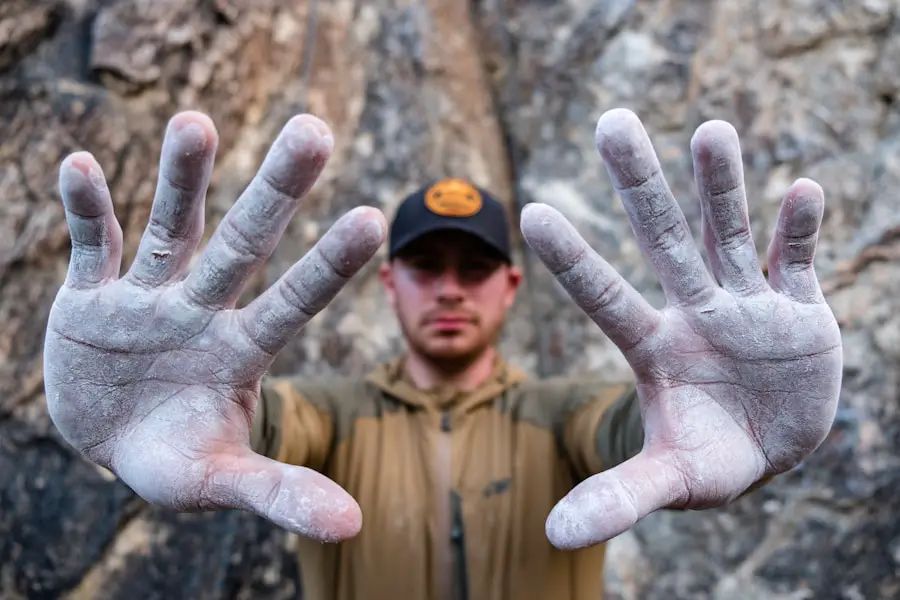
Puffy fingers can reduce comfort and make your hands feel stiff. A very swollen hand may be harder to close into a fist, which can make small tasks such as opening food, adjusting buckles, using a phone, or handling trekking poles less convenient.
Do not assume that every change in grip comes from harmless swelling. Weakness, persistent numbness, severe pain, or loss of coordination can point to another problem and should be treated differently from simple exercise-related puffiness.
Note: Carpal tunnel syndrome can make fingers feel swollen, numb, weak, or tingly, but that symptom pattern is different from uncomplicated exercise-related puffiness. Persistent numbness or weakness deserves medical evaluation.
Prevention and Management of Hand Swelling During Hiking
There is no proven method that prevents all exercise-related hand swelling. The goal is to reduce discomfort, avoid constriction, and notice when the pattern is unusual. A normal hiking warm-up is fine for general comfort, but there is no good evidence that hand-and-wrist warm-ups specifically prevent this swelling.
Before the hike
- Remove rings before you start, especially for long or hot hikes.
- Make sure your watch or fitness tracker has room to loosen.
- Choose gloves that fit comfortably without squeezing the fingers or wrist.
- Adjust trekking-pole straps so they support the hand without becoming tight.
Warning: Do not wait until a ring is painfully tight. Swelling can make rings difficult to remove, so taking them off before a long hike is the safer choice.
What to do when your hands start swelling
- Check for constriction. Loosen your watchband, glove cuff, or pole strap.
- Move your fingers. Spread them wide, then gently make and release a fist several times.
- Raise your hands briefly. Lift them above heart level for a short period while resting or walking safely.
- Move your arms. Gentle forward and backward arm circles may help.
- Use trekking poles if they suit the terrain. Repeated gripping keeps the hands active and is one of the practical measures Mayo Clinic suggests.
- Reassess how you feel overall. Stop and seek help if the swelling is severe or comes with concerning symptoms.
Pro Tip: Make ring removal part of your normal pre-hike routine. It is much easier to prevent a stuck ring than to deal with one after your fingers are already swollen.
Do you need compression gloves?
Compression garments are used for some medical causes of swelling, but they are not a universal treatment for ordinary hiking-related hand puffiness. A glove that becomes too tight can add pressure and discomfort. If you have recurrent or chronic swelling and are considering medical compression, ask a healthcare professional which type and pressure are appropriate.
Importance of Proper Gear and Clothing for Hand Swelling Prevention
Proper gear will not guarantee that your hands stay their normal size, but it can keep mild swelling from becoming a bigger problem. Gloves should be comfortable through the palm, fingers, and wrist. Avoid tight cuffs, and leave enough room to flex your fingers.
Check anything that circles the wrist or hand. A watch, activity tracker, bracelet, glove cuff, or trekking-pole strap that feels fine at the trailhead can become restrictive later. Loosen it early rather than waiting for tingling, deep pressure marks, or pain.
Footwear does not directly explain typical hand swelling. Good hiking shoes still matter for balance and comfort, but the original idea that ill-fitting shoes cause compensatory movements that then cause swollen hands is not well supported. Focus instead on hand position, heat, constrictive gear, and the overall symptom pattern.
Understanding the Role of Hydration in Hand Swelling
Hydration matters on a hike, but “drink more water” is not a reliable treatment for swollen hands. The earlier claim that dehydration routinely makes the body retain fluid in the hands is too simple and is not a good explanation for most exercise-related swelling.
There is also no universal rule that every hiker should drink 17 ounces (0.5 liter) each hour. Needs vary with body size, pace, weather, sweat rate, food intake, and trip length. For prolonged exertion, the Wilderness Medical Society recommends drinking according to thirst as a key strategy for reducing the risk of exercise-associated hyponatremia.
Why overhydration matters
Exercise-associated hyponatremia (EAH) means the blood sodium level becomes abnormally low during or after physical activity. The major preventable risk is drinking more fluid than the body is losing. Water is not the only concern: overdrinking sports drinks can also contribute.
Swollen hands or fingers can occur with hyponatremia, but swelling by itself does not diagnose the condition. More concerning signs include headache, nausea or repeated vomiting, unusual bloating or weight gain, confusion, loss of coordination, seizures, or collapse. Suspected symptomatic hyponatremia requires urgent medical care.
Warning: Do not keep forcing water into a confused, vomiting, or collapsing hiker just because dehydration seems possible. Heat illness and hyponatremia can look alike, and the wrong fluid strategy can make hyponatremia worse.
What about electrolytes?
On long, hot outings, normal meals, salty snacks, or an electrolyte drink can help replace sodium lost in sweat. However, electrolytes do not cancel out excessive fluid intake. The most important point is to avoid drinking beyond your needs.
How to Tell Normal Hiking Swelling From a Warning Sign
A common benign pattern is mild, painless, fairly even swelling in both hands that begins during prolonged walking and improves after the activity stops. Small case reports describe this type of post-ambulatory swelling resolving within a few hours, although there is no fixed time limit that applies to everyone.
Swelling deserves more caution when it is new, unexplained, one-sided, severe, painful, red, hot, or associated with other symptoms. The CDC lists swelling, pain or tenderness, warmth, and redness or discoloration as possible signs of a deep vein thrombosis in an affected arm or leg. A blood clot is not the usual reason both hands puff up on a hike, but one-sided swelling with these features should not be dismissed.
Other conditions that can cause hand or arm swelling
Not every swollen hand is exercise-related. Injury, infection, an insect bite or allergic reaction, lymphedema, certain medicines, and heart, kidney, liver, or circulation problems can cause swelling. Arthritis can cause visibly swollen joints. Carpal tunnel syndrome more often causes numbness, tingling, weakness, or a sensation that the fingers are swollen rather than the same temporary puffiness seen during walking.
Recognizing When Hand Swelling Requires Medical Attention
Stop hiking and arrange prompt medical evaluation if swelling is severe, starts suddenly, affects only one arm or hand without an obvious harmless explanation, or is painful, red, or hot. Fever or chills with swelling may point to infection. Swelling that repeatedly occurs outside exercise or does not improve after the hike also deserves medical review.
Call emergency services for trouble breathing, chest pain, fainting, severe confusion, seizures, or swelling of the lips, tongue, mouth, or throat. These can signal a serious blood clot complication, severe hyponatremia, or a dangerous allergic reaction.
Note: This article provides general outdoor-health information and is not a diagnosis. Recurrent, persistent, or unusual swelling should be discussed with a qualified healthcare professional.
Tips for Recovery After Experiencing Hand Swelling During Hiking
For uncomplicated exercise-related swelling, special rehabilitation is usually not needed. Stop the activity, remove or loosen constricting gear, rest, and gently move your fingers and wrists. Raising your hands above heart level for a short time may help the swelling settle.
Cold therapy is more appropriate when there is a separate minor injury and should not be treated as a proven cure for routine hiking-related puffiness. If you use a cold pack for an injury, wrap it in cloth rather than placing ice directly on the skin.
You also do not need a special “anti-inflammatory” diet just because your hands became puffy on a hike. Return to normal meals and sensible hydration. Foods such as fish, walnuts, fruits, and vegetables can be part of a balanced diet, but they are not a specific treatment for exercise-related hand swelling.
If the swelling does not settle, keeps returning in an unusual way, or comes with pain, numbness, weakness, skin changes, or other symptoms, get medical advice before assuming it is a normal hiking response.
If you’re wondering why hands swell when hiking, the best first step is to look at the whole pattern rather than blaming dehydration, altitude, or overuse alone. Mild, even swelling that appears during a long walk and fades afterward is often different from swelling that is sudden, painful, one-sided, or persistent. Staying sensibly hydrated, keeping gear from becoming tight, and moving or briefly elevating the hands can improve comfort.
For more tips on staying comfortable and prepared during your hiking adventures, check out this article on the best solar charger for backpacking. This guide will help you stay connected and powered up while exploring the great outdoors.
Love travel? Join Our Facebook Community For More Tips.
Frequently Asked Questions
What causes hands to swell when hiking?
The exact cause is not fully understood. Exercise changes blood flow and heat regulation, and keeping the hands down for long periods may contribute to fluid collecting in the tissues. Hot weather and tight rings, gloves, or wristwear can make the swelling more noticeable or uncomfortable.
How can hiking contribute to hand swelling?
Long periods of walking combine exercise, heat production, arm position, and repeated time with the hands below the heart. These factors may contribute to temporary puffiness. The mechanism is still not completely established, so repetitive hand motion alone should not be treated as the proven cause.
Are there medical conditions that can cause swollen hands during a hike?
Yes. Injury, infection, allergic reactions, lymphedema, arthritis, circulation problems, blood clots, and some heart, kidney, or liver conditions can cause swelling. Carpal tunnel syndrome can cause numbness, tingling, weakness, and a swollen feeling, but visible exercise-related puffiness should not automatically be blamed on carpal tunnel syndrome.
What can I do to reduce hand swelling while hiking?
Remove rings before the hike, loosen tight wristwear or glove cuffs, open and close your hands, raise them briefly above heart level, and move your arms. Trekking poles can keep the hands active and may help some hikers. Gradual training is sensible for overall hiking fitness, but it is not a proven way to prevent hand swelling. Stop and seek care if the swelling is severe or comes with warning signs.
Should I drink more water if my fingers swell?
Not automatically. Swollen fingers do not prove that you are dehydrated. During prolonged exercise, forcing excessive water or sports drink can contribute to exercise-associated hyponatremia. Drink according to thirst and consider your weather, effort, food intake, and trip duration.
Does altitude make hands swell while hiking?
Altitude can create other health stresses, but hand swelling alone is not a typical diagnostic sign of acute mountain sickness. After a recent ascent, watch instead for headache with symptoms such as dizziness, fatigue, nausea, or vomiting, and take severe breathing or neurologic symptoms seriously.
How long should hiking-related hand swelling last?
There is no universal cutoff. Benign post-walking hand swelling often improves after activity stops, and published case reports describe resolution within a few hours. Swelling that is persistent, worsening, painful, or otherwise unusual should be medically evaluated.
Sources
- Mayo Clinic: Hand swelling during exercise — exercise-related causes and practical comfort measures.
- Wilderness Medical Society: Exercise-associated hyponatremia guideline summary — hydration, overdrinking, sodium, and warning signs.
- CDC: About Venous Thromboembolism — arm or leg DVT warning signs and pulmonary embolism symptoms.
- CDC Yellow Book: High-Altitude Travel and Altitude Illness — altitude illness symptoms and red flags.
- MedlinePlus: Swelling — causes of edema and when persistent swelling needs evaluation.
- NIAMS: Carpal Tunnel Syndrome — symptoms that can mimic a swollen-hand sensation.

