
Last Updated on August 26, 2026 by Ethan Caldwell
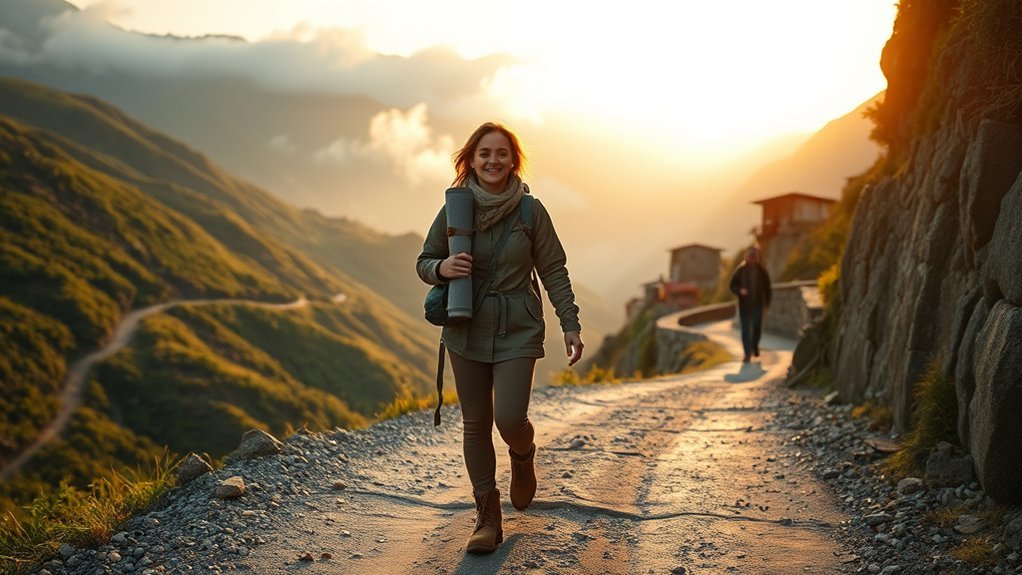
Malana is usually visited as a day trip from Kasol through Jari, where the road branches toward the Malana valley. Modern road access means you no longer need to complete the old all-day walk from Jari, but the final walking distance still changes with road conditions and where your vehicle can drop you. Plan for a steep mountain walk, an early start, and enough time to return before dark.
Quick Answer
To reach Malana from Kasol, travel back toward Jari, take the Malana Project Road toward the roadhead, then complete the final steep walk to the village. Depending on road access and your drop point, allow roughly 45 to 120 minutes of walking each way and treat Malana as a day trip.
Key Takeaways
- The practical route is Kasol → Jari → Malana roadhead → final walk to the village.
- The walking distance is not fixed because the usable road end can change with weather, repairs, and landslides.
- Expect steep steps, uneven surfaces, and a demanding climb despite the relatively short distance.
- Avoid trekking during heavy rain and check current road and weather conditions before leaving.
- Outsiders should not plan to stay overnight inside Malana village and must follow local no-touch and temple rules.
- Carry water, food, cash, offline maps, grippy footwear, layers, and a charged phone.
At a Glance
| Time Required | About 45–120 minutes of walking each way, plus the drive from Jari and time in the village; plan it as a day trip |
| Difficulty | Moderate to strenuous because of steep steps, uneven ground, and altitude |
| Tools Needed | Grippy shoes, water, snacks, layers, charged phone, offline map, cash, and optional trekking poles |
| Cost | No reliable fixed trekking fee; taxi and guide costs vary by season, road condition, vehicle, and local rates |
Disclosure: As an Amazon Associate I earn from qualifying purchases. Some links on this page are affiliate links, at no extra cost to you.
Malana Trek Route From Kasol and Jari
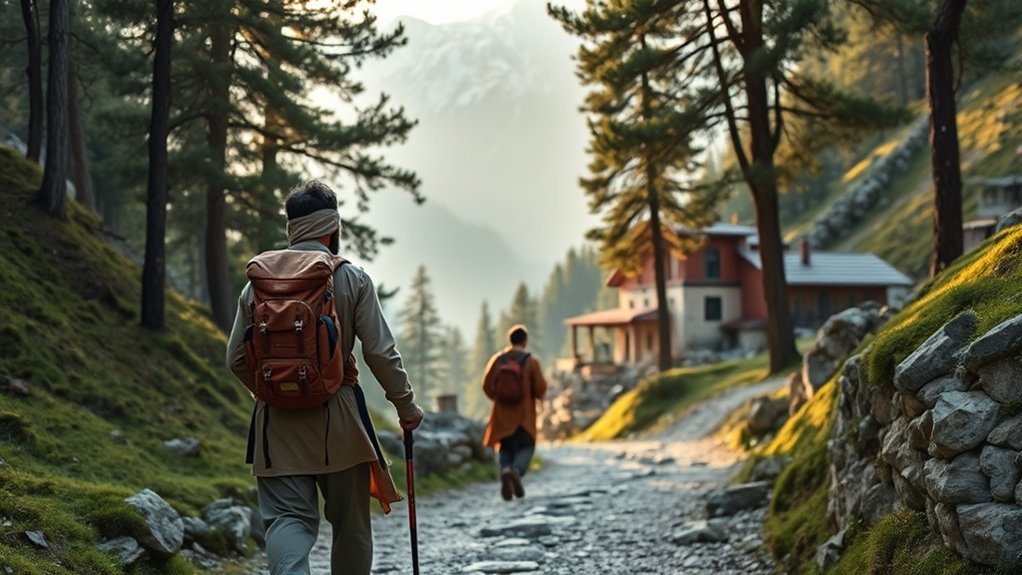
The easiest approach for most visitors is through Jari, which sits on the Bhuntar–Manikaran road before Kasol when you are arriving from Bhuntar. From Kasol, travel back to Jari and turn onto the road leading into the Malana valley.
The road continues toward the hydro-project and Malana roadhead area. How far a taxi can take you depends on current road conditions, repairs, weather, and local access. From the usable road end, complete the final section on foot.
- Kasol to Jari: Take a local bus or taxi toward Bhuntar and get off at Jari.
- Jari to the Malana roadhead: Continue by local taxi on the mountain road toward Malana. Do not assume that a regular public bus will take you all the way to the trek start.
- Roadhead to Malana: Walk the final steep section to the village. The route may include stone steps, uneven ground, a descent toward the valley floor, and a sustained climb.
- Return the same day: Allow enough daylight to walk back and meet your return vehicle.
Pro Tip: Agree on your return pickup plan before leaving the roadhead. Mobile reception can be inconsistent, so save the driver’s number, carry cash, and avoid depending on a last-minute ride after dark.
Malana Trek Distance, Time, and Difficulty
There is no single permanent distance for the modern Malana access walk because the road end can shift. Older accounts describe much longer approaches from Jari, while modern road access brings vehicles considerably closer to the village.
Trek Distance
For current trip planning, expect the final walking section to be roughly 1.5 to 4 kilometers, depending on the active drop point and road condition. Some travelers may have a shorter approach when the upper road is open, while road damage or restrictions can add distance.
| Planning Factor | What to Expect |
|---|---|
| Walking distance | Often about 1.5–4 km each way, depending on the usable road end |
| Trail surface | Stone steps, rough trail, uneven ground, and steep sections |
| Fixed trail fee | No reliable standard trekking fee to quote; transport and guide costs are separate |
Do not plan the trip around a single distance found online. Ask locally where vehicles are currently stopping and calculate your walking time from that point.
Trek Duration
A reasonable planning range for the final walk is about 45 to 120 minutes each way. A fit walker with favorable road access may be faster, while rain, snow, fatigue, crowds, road closures, or a lower drop point can make the journey considerably longer.
Start early enough to visit without rushing and descend in daylight. Your total outing from Kasol also includes the drive to Jari, the mountain-road transfer, waiting time, time spent in the village, and the return journey.
Trek Difficulty
The Malana access walk is best described as moderate to strenuous rather than technically difficult. It does not normally require climbing equipment, but steep stairs and uneven surfaces can tire your legs quickly.
Malana sits at approximately 2,650 meters (about 8,700 feet). Visitors arriving quickly from much lower elevations may notice headache, unusual fatigue, dizziness, nausea, or shortness of breath. Slow down if you feel unwell. Do not keep climbing if altitude-related symptoms are worsening, and descend if symptoms become severe.
The route may not suit travelers who have significant mobility or balance limitations, especially when the steps are wet or icy.
What the Malana Trek Trail Is Like
The final trail is short compared with multi-day Himalayan treks, but it is not a flat village walk. Expect a combination of steep gradients, stone steps, rough ground, narrow sections, and exposure to rapidly changing mountain weather.
Trail Terrain and Steepness
The most demanding part is usually the climb. Maintain a steady pace rather than trying to finish quickly, especially if you have just arrived in the Parvati Valley.
| Terrain | Practical Concern |
|---|---|
| Steep steps | Leg fatigue and slower climbing |
| Loose stones | Watch each step and avoid rushing downhill |
| Wet surfaces | Higher slip risk during and after rain |
| Altitude | You may tire faster than at lower elevations |
Use shoes with a reliable tread. Trekking poles are optional but can help on steep descents and slippery steps.
Scenery and Wayfinding
The route opens onto forested slopes, the Malana valley, and surrounding Himalayan ridges. Keep your attention on the trail rather than walking while taking photographs.
Do not depend only on improvised arrows, memory, or online descriptions. Download an offline map before leaving Kasol or Jari, and ask your driver or a local guide where the currently used walking route begins. Weather damage can change familiar paths.
Malana Trek Safety Tips and Best Season
The most comfortable periods for many visitors are generally April to June and September to November, when conditions are often more suitable for walking. Conditions still vary from year to year, so seasonal labels should never replace a current forecast.
July and August require particular caution because monsoon rain can trigger landslides, rockfalls, flash floods, slippery roads, and trail damage across Himachal Pradesh. Winter can bring snow, ice, low temperatures, and difficult road access.
Warning: Do not start the trek during a heavy-rain warning or when local authorities advise against mountain travel. Landslides and road closures can develop quickly in Kullu district. Check the latest weather and local road status on the morning of your trip.
- Start early and plan to return before dark.
- Use shoes with strong grip.
- Carry water, food, a light rain layer, and warm clothing.
- Keep your phone charged and download maps for offline use.
- Tell someone your route and expected return time.
- Use a registered guide or trekking agency if you are inexperienced or conditions are uncertain.
- Turn around when conditions become unsafe; reaching the village is never worth taking a landslide, lightning, or fall risk.
Malana Rules and Visitor Etiquette
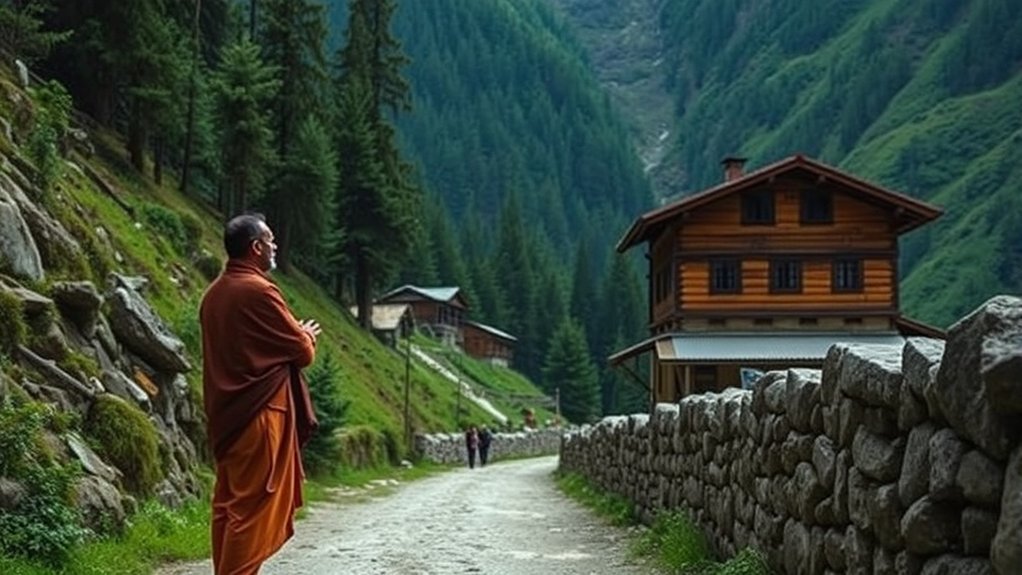
Malana has distinctive religious and community traditions, and visitors are expected to follow local instructions rather than treat the village like an unrestricted tourist attraction.
- Do not enter or touch sacred structures. Outsiders are not permitted to enter the Jamlu/Jamdagni Rishi temple, and posted no-touch rules around religious buildings should be taken seriously.
- Avoid touching residents or their belongings. Follow local instructions about physical distance and transactions.
- Ask before photographing people. Never assume that a resident wants to be photographed.
- Stay on visitor paths. Do not enter homes, private areas, fields, or religious spaces without permission.
- Keep noise low and carry your rubbish out. Treat Malana as a living community rather than a theme attraction.
Residents speak Kanashi as well as languages used more widely in the region. You do not need to understand local traditions in detail to visit respectfully: watch signs, listen to instructions, and avoid physical contact with people, houses, and sacred structures unless clearly invited.
Note: Local rules can change. A sign, resident, village representative, police officer, or local authority on the ground takes priority over an older travel article or social-media post.
What to Pack for the Malana Trek
Pack lightly, but carry enough to remain self-sufficient if the return journey takes longer than expected.
- Trekking or walking shoes: Choose a grippy sole suitable for wet stone and steep steps.
- Water: Carry enough for the complete walk rather than assuming a reliable refill point.
- Snacks: Bring energy bars, nuts, fruit, sandwiches, or another compact food you tolerate well.
- Warm layer: Temperatures can fall quickly in the mountains.
- Rain protection: A lightweight waterproof layer is useful even outside peak monsoon.
- Basic first-aid kit: Include blister care, dressings, antiseptic, and any personal medication.
- Sun protection: Carry sunscreen, sunglasses, and a hat.
- Charged phone and power bank: Keep offline maps saved.
- Cash: Do not rely on cards or mobile payments in a remote mountain setting.
- Small rubbish bag: Carry wrappers and other waste back out with you.
Avoid overpacking. The steep climb feels much harder with an unnecessarily heavy bag.
Where to Stay Near Malana
Outsiders should plan their trip on the assumption that overnight accommodation inside Malana village is not available to tourists. The safest arrangement is to use Malana as a day visit and sleep outside the village.
- Kasol: Best if you want the widest choice of accommodation, restaurants, and transport connections.
- Jari: A practical base if you want to start closer to the Malana road.
- Outside the Malana village boundary: Accommodation may operate near the wider roadhead or surrounding valley, but availability and access can change.
Confirm accommodation before relying on it, particularly during bad weather or the quieter winter months. Do not arrive in Malana late in the day expecting to find a room inside the village.
Food and Water for the Trek
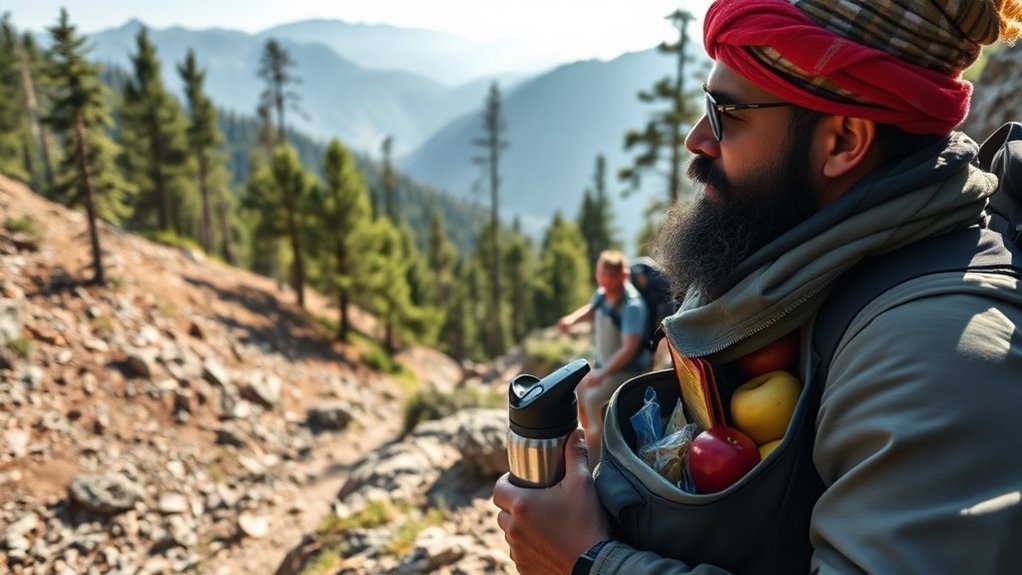
Carry your own water and enough food for the outing. Small cafes or stalls may operate along parts of the route or outside the village, but opening hours and supplies should not be treated as guaranteed.
For most day visitors, water plus a few compact snacks are easier to manage than a large meal. Drink regularly rather than waiting until you are very thirsty, particularly on the uphill section.
If you are prone to dehydration, carry an oral rehydration or electrolyte product that you already know how to use. Do not drink untreated stream water unless you have an appropriate treatment method.
Legal and Responsible Travel in Malana
Malana is frequently associated in popular culture with charas, but visitors should not treat that reputation as permission to buy or carry drugs. Indian narcotics law regulates cannabis resin, including charas/hashish, and unauthorized possession, purchase, sale, transport, or related activity can have serious legal consequences.
Decline illegal-drug offers, do not carry substances for another person, and do not transport anything whose contents you do not know. Respecting the law is part of responsible travel in the valley.
Why the Malana Trek Is Worth It
Malana offers an unusual combination of Himalayan scenery, a steep but manageable day hike, and a community with distinctive traditions. The surrounding valley and mountain views are the main attraction for hikers, while the village itself adds cultural interest when visited respectfully.
The trip works best when you approach it as a mountain day out rather than a race to tick off a destination. Give yourself enough time for the trail, follow local rules, and be prepared to turn around if road or weather conditions deteriorate.
Frequently Asked Questions
What permits are required for the Malana trek?
A special tourist entry permit for a normal visit to Malana is not generally listed in Himachal Pradesh’s standard travel guidance. However, trekking and local-access rules can change. Carry government photo ID, check current local instructions, and follow any registration or safety requirements imposed by authorities.
How do I reach the nearest bus stop for Malana?
Jari is the practical public-transport junction for the usual Malana approach. Buses run through the Parvati Valley toward Kasol, while the onward mountain road toward the Malana roadhead is normally handled by local taxis or other locally available transport. Confirm current service before departure.
Are local guides available in Kasol?
Yes. Trekking agencies and guides operate around Kasol and the wider Kullu region. First-time trekkers should use a registered guide or registered agency when conditions are uncertain rather than hiring an unverified person solely on the basis of a street offer.
Can I hire porters for luggage?
Porter arrangements may be possible through local trekking operators, but most day visitors do not need a porter for the standard access walk. Carry a light daypack, and arrange any special assistance in advance rather than assuming someone will be available at the roadhead.
What mobile network works in Malana?
Mobile coverage can be inconsistent in and around Malana, and reception may change by carrier, location, weather, or network conditions. Do not depend on having a signal. Download offline maps, save important phone numbers, carry cash, and tell someone your return plan before leaving.
Can tourists stay overnight inside Malana?
Tourists should not plan to stay overnight inside Malana village. Use Kasol, Jari, or accommodation outside the village boundary and make your Malana visit a day trip. Local rules and accommodation availability can change, so confirm before traveling.
What is the best time for the Malana trek?
April to June and September to November are generally the easiest periods to consider. Monsoon rain in July and August can cause landslides and slippery trails, while winter can bring snow, ice, and road-access problems. Always check the current forecast and local road status regardless of the month.
Sources
- Himachal Pradesh Tourism — Kullu and Malana: road access through Jari, Malana’s elevation, and cultural background.
- Himachal Pradesh Tourism — Travel Safety Tips and Trekking Guidance: trekking equipment, registered guides, monsoon road hazards, and general mountain safety.
- India Meteorological Department, Meteorological Centre Shimla: heavy-rain, landslide, flash-flood, and trekking advisories.
- CDC Yellow Book — High-Altitude Travel and Altitude Illness: altitude-risk, symptom, acclimatization, and descent guidance.
- India Code / Narcotic Drugs and Psychotropic Substances Act: legal treatment of cannabis resin, including charas/hashish.
- Kullu Dussehra official cultural information: Jamlu/Jamdagni Rishi traditions and restrictions on outsiders entering or touching the temple.
Conclusion
The Malana trek is easier to access than the historic Jari-to-village route, but the final climb still deserves preparation. Travel through Jari, confirm the current roadhead, carry your own essentials, start early, and check the weather before leaving. Once in Malana, follow local no-touch and temple rules carefully. With realistic timing and respectful planning, the trip combines a rewarding Himalayan walk with one of the Parvati Valley’s most distinctive village experiences.
