
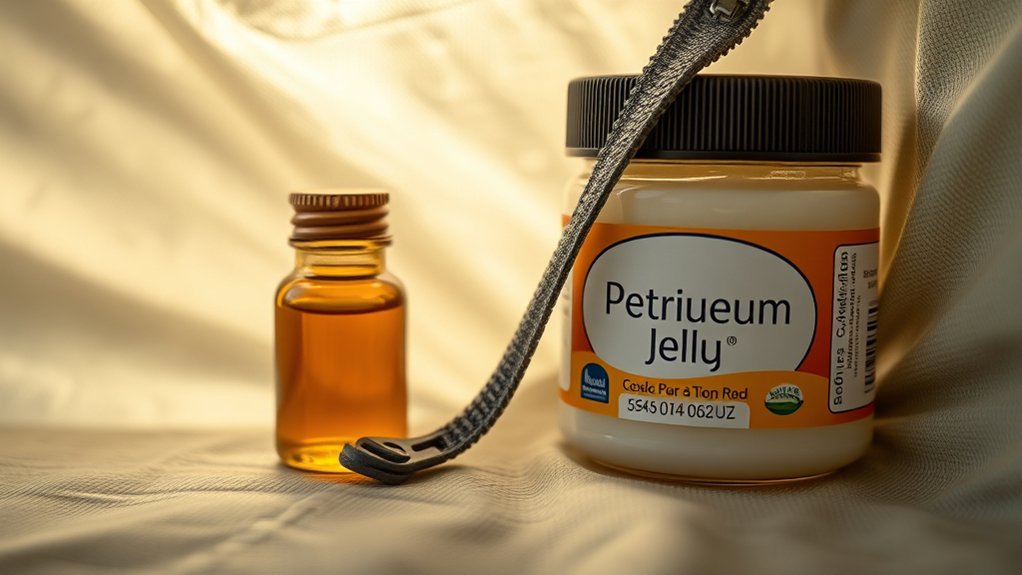
To keep your tent zippers working smoothly, apply a lubricant like Gear Aid Zipper Lubricant or Zipper Ease. Avoid using traditional WD-40 on plastic zippers, and skip cooking oils that can go rancid. Clean zippers with a soft brush and mild soap before lubricating. Monthly applications work best for gear you use often, especially before outdoor trips. If you run into specific zipper issues, there are effective fixes worth trying.
Quick Answer
Use a dedicated zipper lubricant (like Gear Aid Zipper Lubricant or Zipper Ease) on clean, dry zipper teeth. For a quick DIY fix, try chapstick, bar soap, or pencil graphite. Avoid WD-40 on plastic zippers and cooking oils that spoil. Lubricate monthly for daily-use gear, or every few months for seasonal items. Always clean the zipper first so you don’t trap dirt underneath the lubricant.
Why Do Zippers Need Lubricating?

Zippers often get taken for granted, but they need regular lubrication to move freely and avoid sticking. Metal zippers are especially prone to rust and wear over time. Exposure to dirt and debris can cause them to malfunction if they’re not maintained. A simple coat of lubricant prevents sticking and extends both the life and function of your zippers.
Always clean your zipper before applying lubricant. If you skip this step, you risk trapping dirt under the lube, which actually makes sticking issues worse.
How often should you lubricate? For daily-use items, once a month is a good rule. For seasonal gear, every few months is fine.
Several lubrication methods work well: silicone sprays, wax, and specialized zipper lubes are all solid choices. Matching the right lubricant to your zipper material (metal vs. plastic) helps you get the best performance.
When to Apply Zipper Lubricant
Applying zipper lubricant at the right time makes a big difference in how long your gear stays functional. Keep these timing tips in mind:
- After Cleaning: Always apply lubricant after washing your tent or gear. This helps the product stick properly to clean teeth.
- On a Regular Schedule: For daily-use items, lubricate monthly. For less frequently used gear, every few months is enough.
- Before Harsh Trips: Reapply before any outdoor trip in extreme environments (sand, salt, cold) to keep zippers gliding easily.
- When Zippers Start Sticking: If a zipper is sluggish but not caught on fabric or debris, a quick application can fix it.
Staying on top of lubrication prevents sticking, misalignment, and even permanent damage. A few minutes of maintenance can save you from a failed zipper in the field.
Products Worth Considering
Wax lubricant sticks:Our snap and zipper lube sticks provide long-lasting lubrication to prevent zippers or snaps from getting stuck, making them easier to handle, a perfect...
Recommended Lubrication Products
Choosing the right product matters. Gear Aid Zipper Lubricant is a top pick. It dries non-sticky, contains no silicone or paraffin wax, and won’t leave unwanted residue on your gear. Another great option is Zipper Ease, a clear wax stick that delivers smooth performance without staining tent fabric.
WD-40’s silicone variant can help unjam a stuck zipper in a pinch. However, traditional WD-40 is not a good choice for tent zippers. It can damage plastic zippers and leave oily residue that attracts dirt over time, making future jams more likely. Cooking oils might seem convenient, but they spoil and can develop unpleasant odors. For a more natural approach, bar soap or crayon wax both work, though colored options may leave visible residue.
Products Worth Considering
SMOOTH & EFFORTLESS GLIDE - Our lubricant ensures zippers and snaps operate seamlessly, preventing damage caused by jams extending their lifespan
PREVENT SNAP AND ZIPPER STICKING: Rub our snap and zipper lube stick directly on to difficult snaps and zippers to aid with opening and closing! A waterproof lube that stands up to the elements and keeps zippers or snaps working with ease.
Prevent Snap and Zipper Sticking: Our zipper wax ensures long lasting lubrication for smooth, just apply on the zipper and then keep zippers or snaps working easily. No more frustrating moments or struggling with zipper jamming or snagging.
DIY Lubrication Solutions
You don’t always need a store-bought product. Several effective solutions are probably already in your home:
- Chapstick or Vaseline: Apply a thin layer. Too much can attract dirt, so use sparingly.
- Graphite from a pencil: Rub pencil lead along the zipper teeth to create a lubricating layer. Just be aware it can leave gray marks on lighter fabrics.
- Bar soap or wax: Both work on metal and plastic zippers with minimal staining risk.
- Cooking oil: This works as a temporary fix, but it will spoil over time and isn’t ideal for long-term use.
One thing to avoid: petroleum-based products like standard WD-40. The solvents in them can degrade plastic zipper components. These DIY fixes are cheap, easy, and effective for keeping your tent zippers running well between camping trips.
Products Worth Considering
Lubricate, clean, and quickly unzip zippers on outdoor gear; features a non-toxic, silicone-free formula that works in all water temperatures
FIXES STUCK & STIFF ZIPPERS IN SECONDS — No more tugging, yanking, or forcing stubborn zippers. Simply glide the wax stick along the zipper teeth and experience immediately smoother operation. Works on zippers that are stuck, corroded, or just hard to pull.
Reliable and Practical: our zipper lube provides long lasting lubrication for smooth and effortless zipper operation; No more frustrating moments or struggles with stuck or jammed zippers; Just apply it to the zipper teeth to prevent sticking and keep them moving effortlessly
Cleaning and Maintenance Tips
Before you lubricate, get the zipper clean. Use a soft-bristled brush (an old toothbrush works great) and a mild cleaning solution to scrub away dirt and debris. Avoid submerging zippers in water. A damp cloth will do the job without harming waterproof coatings or adhesive tapes.
After cleaning, let the zippers air dry completely before adding any lubricant. Applying lube to a wet zipper hurts adhesion and reduces performance.
While you’re at it, inspect your zippers for bent or misaligned teeth. You can gently straighten them with needle-nose pliers to prevent future problems.
Set up a maintenance schedule and store your tent in a dry, cool place. Moisture buildup during storage is one of the most common causes of zipper wear and corrosion.
Products Worth Considering
Safe and Natural Material:When opening the product, you may notice some powder on the surface. This is simply natural cornstarch from the inside, which can seep out during shipping due to shaking or compression. It is completely non-toxic, safe, and harmless.
NOTICE: Please confirm your zipper size and type before purchase. If you don't know how to repair zipper or pulls, please don't buy the kit.
Package Includes: The 252 pieces of zipper pull replacement repair kit, including sliver sliders (#3, #5, #8)-25pcs, black sliders (#3, #5, #8)-20pcs, brass sliders (#5)-5pcs, double sliver sliders (#3, #5)-6pcs, double black sliders (#3, #5)-6pcs, black zipper pulls-5pcs, white zipper pulls-5pcs, bottom stoppers (#3, #5, #8)-60pcs, top stoppers (#3, #5, #8)-120pcs and a pair of pliers.
Metal vs. Plastic Zipper Care
Metal and plastic zippers have different maintenance needs. Metal zippers are more durable but susceptible to rust, especially in humid or salty conditions. A silicone-based or wax lubricant works best for metal teeth, and wiping them down after exposure to moisture helps prevent corrosion.
Plastic (coil) zippers are lighter and more common on modern tents. They resist rust but can become stiff or brittle in cold weather. Stick with wax-based lubricants for plastic zippers, and avoid petroleum-based solvents that can weaken the material. If you camp in cold climates, lubricating before your trip helps prevent the zipper from seizing up in freezing temperatures.
Common Zipper Issues and Solutions
Even well-maintained zippers can still run into trouble. Here are the most common problems and how to fix them:
- Sticking Zippers: Clean with a soft-bristled brush or compressed air to remove debris, then lubricate with a product like Gear Aid Zipper Cleaner and Lubricant.
- Jumping Teeth: Check for bent teeth or misalignment. Gently wiggle the slider to realign it, and try lubricating the affected area.
- Misalignment: Make sure the zipper is correctly threaded from the bottom. If the problem continues, applying wax or soap along the teeth can help as a temporary fix.
- Frayed Fabric: Inspect regularly for fraying along the zipper tape. If you spot damage, avoid using the zipper until you can repair or replace it to prevent a full failure.
Catching these issues early can prevent bigger failures down the road and keep your tent secure.
Products Worth Considering
Release stuck zippers on wetsuits tents jackets sleeping bags and luggage with this multipurpose 2-in-1 formula
COMPREHENSIVE PROTECTION FOR LONGER LIFESPAN: It offers anti-corrosion, anti-rust, anti-oxidation, sealing and waterproof functions, protecting zippers and snaps from damage. Especially for snaps on travel trailer or ship canvas, this lubricating grease prevents rust, extends service life and facilitates disassembly and assembly
Release stuck zippers on wetsuits tents jackets sleeping bags and luggage with this multipurpose 2-in-1 formula
Frequently Asked Questions
Can I Use Silicone Spray for Tent Zippers?
Yes. Silicone spray reduces friction and helps prevent rust. Apply it sparingly and wipe off any excess for the best results.
How Often Should I Lubricate My Tent Zipper?
Every few months, or any time it feels stiff. Regular maintenance keeps the zipper working smoothly and makes your tent easier to open and close on trips.
What Tools Do I Need for Zipper Maintenance?
A soft-bristled toothbrush for cleaning, a cloth for applying lubricant, and a needle or small pliers for minor repairs. That’s all it takes to keep zippers in good shape.
Are There Any Eco-Friendly Lubricant Options Available?
Yes. Look for biodegradable lubricants and natural alternatives like beeswax. These reduce friction effectively while being gentler on the environment.
Can I Use Lubricant on Waterproof Zippers?
You can, but choose a lubricant that’s compatible with waterproof coatings. Products specifically designed for waterproof zippers (like the Gear Aid line) won’t compromise the seal.
Wrapping Up
Keeping your tent zippers lubricated is one of the simplest ways to ensure smooth operation and long-lasting gear. The right product applied at the right time prevents snags, sticking, and tears. A little maintenance goes a long way, whether you pick a dedicated lubricant or a household DIY fix. Clean your zippers regularly, address problems early, and your camping trips will be that much more hassle-free.