
Last Updated on September 11, 2026 by Daniel Globe
Linen pants can be a comfortable hiking option when the trail is hot, dry, and not too rough. Their airy feel and loose drape can reduce heat buildup, but linen absorbs moisture, lacks much stretch, and is not as quick-drying or abrasion-resistant as purpose-built synthetic hiking pants. The right choice depends on weather, pace, terrain, fit, and fabric construction.
Quick Answer
Yes, linen pants can be good for hiking on hot, dry, low-to-moderate-intensity trails. They feel airy and absorb sweat, but they dry more slowly than technical synthetics, offer little warmth when wet, and may snag on rough terrain. Choose a durable, loose-fitting pair and carry rain protection.
Key Takeaways
- Linen works best on hot, dry day hikes, easy trails, travel walks, and low-to-moderate-output outings.
- It absorbs moisture and can feel cool, but it does not dry as fast as nylon or polyester.
- Do not assume all linen blocks strong UV. Choose a dense weave or a tested UPF-rated garment.
- For brush, scrambling, steady rain, cold weather, or long sweaty climbs, technical hiking pants are usually safer and more durable.
- Prioritize mobility, secure pockets, reinforced seams, and a fabric weight that is not sheer or fragile.
At a Glance
| Best Conditions | Hot, dry, sunny weather |
| Best Trail Type | Maintained paths, desert walks, travel hikes, and easy day hikes |
| Main Strength | Airy comfort with full-leg coverage |
| Main Drawback | Absorbs water and is slower to dry than technical synthetics |
| Avoid For | Cold, persistent rain, bushwhacking, technical scrambling, and very sweaty efforts |
Disclosure: As an Amazon Associate I earn from qualifying purchases. Some links on this page are affiliate links, at no extra cost to you.
Why Linen Pants Work for Hiking
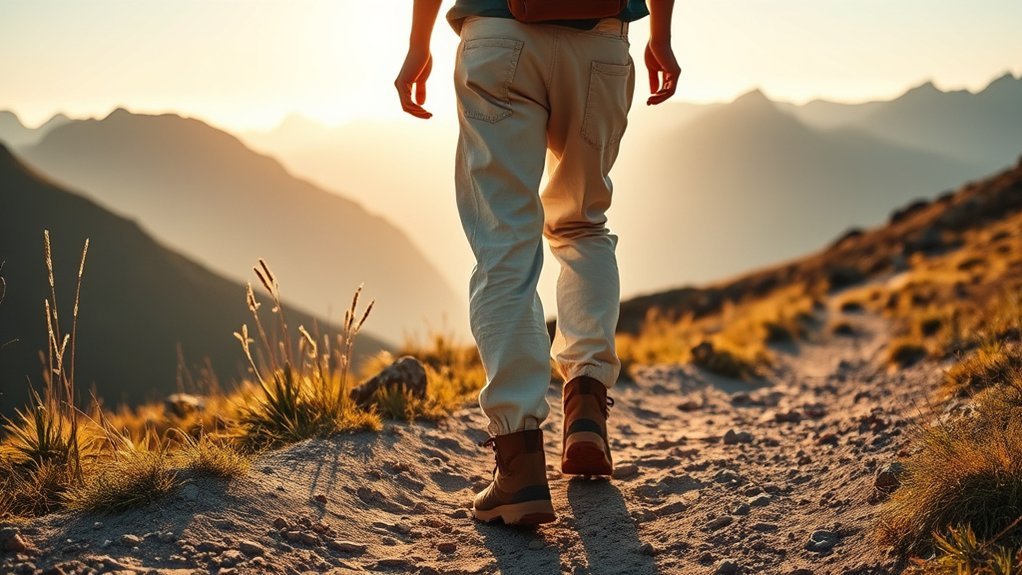
Linen is made from flax fibers and is valued in warm-weather clothing because it can absorb moisture, release heat, and allow useful airflow. A review of thermal-moisture textiles describes linen as breathable, moisture-absorbing, and heat-dissipating, which helps explain why loose linen clothing can feel comfortable in summer. See the 2022 thermal-moisture textile review.
That comfort does not make linen a technical performance fabric in every situation. Absorbency is not the same as fast wicking. A garment’s weave, thickness, finish, fit, and blend affect how quickly sweat spreads and dries. Linen also has little natural stretch, so a tight cut can bind at the hips and knees.
Claims that ordinary linen is automatically antibacterial or odor-free should be treated carefully. A 2025 study found that evidence for linen’s inherent antibacterial activity has been inconsistent and that textile structure affects bacterial adhesion. In practice, odor control also depends on sweat level, skin bacteria, fabric finishes, and washing. Do not choose linen only because a seller promises “natural antibacterial” performance. See the linen bacterial-adhesion study.
Linen’s main trail benefit is cool, loose comfort—not guaranteed odor control, waterproofing, or technical moisture management.
Are Linen Pants Good in Hot Weather?
Yes. Hot, dry weather is where linen pants make the most sense. A loose fit creates space for air to move around your legs, while the fabric can absorb perspiration and support evaporative cooling. The National Park Service recommends loose-fitting, light-colored clothing for hot desert hiking, along with water, a wide-brimmed hat, sunscreen, and avoiding the hottest part of the day. Review the Arches National Park heat and sun guidance.
- Airflow: A loose cut can reduce heat buildup and cling.
- Coverage: Long pants protect skin from direct sun, light brush, and trail dust.
- Cooling: Moisture held in the fabric may feel cooling as it evaporates in dry air.
- Comfort: Soft, pre-washed linen can feel less plasticky than some synthetic fabrics.
The tradeoff is that absorbed moisture takes time to leave the fabric. During a hard climb, humid hike, or long backpacking day, linen may become heavy and damp. A nylon or polyester hiking pant will usually feel drier and recover faster.
Pro Tip: In very dry heat, lightly dampening the cuffs can add short-term evaporative cooling. Do not soak the pants when temperatures may drop, wind is strong, or you cannot change into dry clothing.
When Linen Pants Work Best on the Trail
Linen pants are most practical for maintained trails where heat is a bigger concern than rain, abrasion, or speed. Good uses include desert walks, nature paths, sightseeing hikes, campground wear, and short summer outings at a relaxed pace.
They are a weaker choice for dense brush, thorny routes, rock scrambling, muddy trails, river crossings, cold mornings, or trips with a wet forecast. Linen can snag, wrinkle at stress points, and stay damp after rain or heavy sweating. If conditions can change, pack a waterproof shell for your upper body and either lightweight rain pants or dry replacement bottoms for your legs.
Warning: Wet linen is not dependable insulation. In cool, windy, or high-elevation conditions, absorbing and holding water can increase chilling risk. The National Park Service advises wicking layers, dry clothing, and rain protection to help prevent hypothermia.
Linen Pants vs. Merino, Nylon, and Polyester
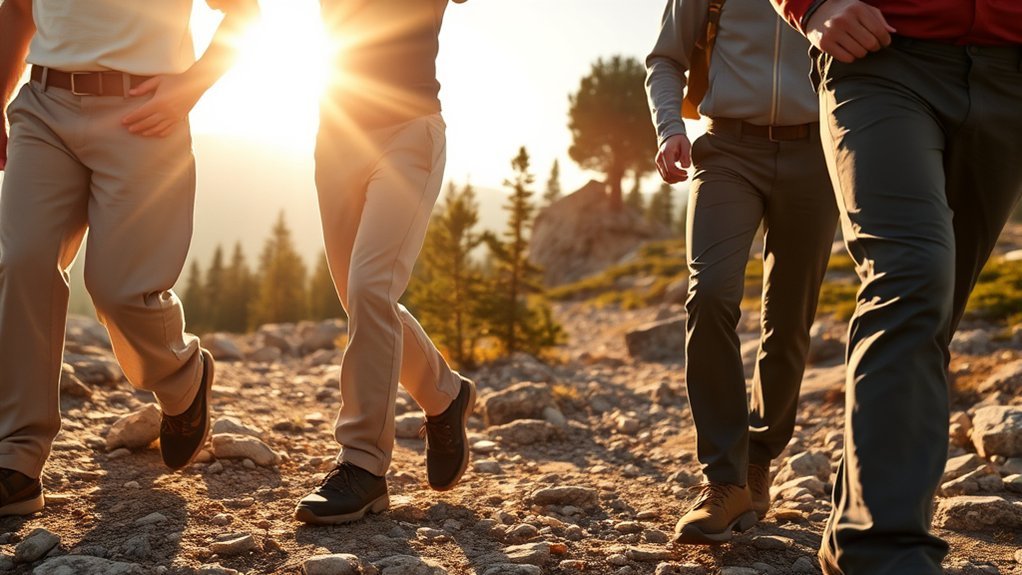
No single fabric wins every category. The better choice depends on temperature, rain, exertion, abrasion, and how long you will go between washes. REI’s hiking-clothing guidance notes that nylon and polyester excel at wicking and fast drying, while merino is breathable and relatively resistant to odor. Linen is best treated as a warm-weather comfort option rather than a direct technical replacement. See REI’s hiking clothing guide.
| Fabric | Best Traits | Main Limits | Best Use |
|---|---|---|---|
| Linen | Airy, absorbent, cool-feeling, plant-based | Slow recovery when soaked, little stretch, can snag | Hot, dry, easy-to-moderate trails |
| Merino wool | Temperature regulation and strong odor resistance | Costs more and can wear under repeated abrasion | Variable temperatures and multi-day use |
| Nylon | Abrasion resistance, fast drying, low weight | Can feel clammy and retain odor | Rough trails, backpacking, and mixed weather |
| Polyester | Fast drying, light, widely available | Often holds odor and may feel less airy | High-output hiking and humid weather |
A linen blend can split the difference. Nylon or polyester may improve drying and toughness, while a small amount of elastane can improve mobility. Check the fiber percentages because a product labeled “linen blend” may contain only a modest amount of linen.
How to Choose Hiking Linen Pants
Choose by function, not by a “natural” or “eco-friendly” label alone. A hiking-ready pair should let you squat and climb, hold essentials securely, and resist stress at the seat, knees, and pocket openings.
Fabric Weight and Weave
There is no universal fabric-weight standard for linen hiking pants. A 150–200 gsm fabric can be a useful starting point for warm weather, but the number alone does not prove strength, opacity, or comfort. Hold the fabric up to light, rub it between your fingers, and inspect the weave for gaps, slubs, or weak spots.
- Very open weave: More airflow, but usually less sun protection and snag resistance.
- Dense weave: Better coverage and toughness, but less ventilation.
- Long-staple or line-flax linen: Often smoother and stronger than short-fiber linen, though construction still matters.
- Pre-washed linen: Usually softer and less likely to change dramatically after the first wash.
- Blends: Consider linen with nylon, polyester, or a small amount of elastane for more technical use.
Fit and Mobility
Linen has little natural stretch, so the cut must provide room at the hips, thighs, and knees. Test the pants before hiking by squatting, lunging, stepping onto a chair-height surface, and sitting with a pack belt fastened.
| Feature | Why It Helps |
|---|---|
| Gusseted crotch or roomy rise | Reduces pulling during long steps and climbs |
| Articulated or roomy knees | Improves crouching and scrambling mobility |
| Adjustable waistband | Keeps the pants stable under a hip belt |
| Zippered or deep pockets | Protects keys and small items on uneven ground |
| Cinchable hems | Reduces dragging and helps keep debris out |
Breathability and Durability
Breathability and toughness pull in opposite directions. A very loose, thin weave feels airy but can snag or become transparent. A denser fabric lasts longer but may feel warmer. Inspect double-stitched seams, bar tacks at pocket corners, reinforced belt loops, and enough seam allowance for future repairs.
For maintained trails, quality linen can last well. For repeated contact with granite, thorns, rough logs, or heavy pack straps, nylon hiking pants are usually the more dependable choice.
What to Wear With Linen Pants for Hiking
Pair linen pants with layers that handle moisture and changing weather better than linen does. Your upper-body system should be easy to add or remove as effort and temperature change.
| Item | Why It Helps |
|---|---|
| Moisture-wicking shirt | Moves sweat away from your torso during exertion |
| Light insulating layer | Adds warmth during breaks or after sunset |
| Waterproof shell | Blocks wind and rain from the upper body |
| Rain pants or dry bottoms | Provides a backup if the linen becomes soaked |
| Trail shoes with suitable tread | Protects feet and improves traction on the actual terrain |
Add a wide-brimmed hat, sunglasses, sunscreen, water, and the rest of the essentials required for your route. Sturdy hiking sandals may work on easy, dry paths, but closed shoes give better protection from rocks, thorns, and debris.
Linen Pants for Sun, Sweat, and Odor
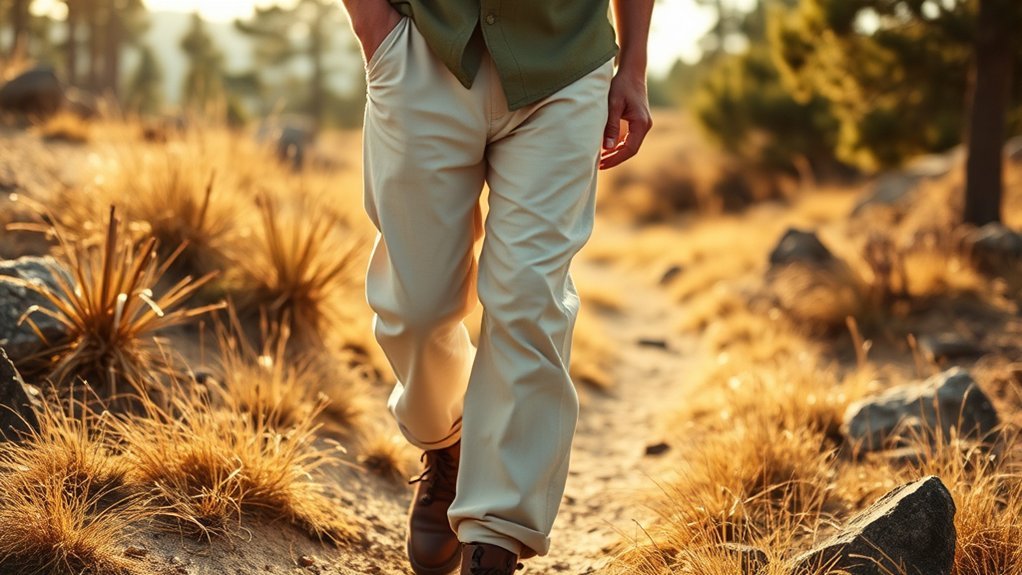
Long linen pants cover more skin than shorts, but coverage alone does not prove a specific level of UV protection. A loose weave may let substantial light through. Color, thickness, stretch, wear, wetness, and weave density all affect performance.
For strong sun, choose pants with a tested UPF label rather than assuming linen is protective. ASTM’s UV-textile labeling standard explains that UPF claims should be based on instrumental testing and account for conditions that can lower protection. See ASTM D6603-19.
Linen can absorb sweat and feel cool in dry air, but it is not guaranteed to move moisture away from skin like a purpose-built wicking fabric. Odor performance also varies. Wash the pants when they smell, feel salty, or have visible dirt instead of relying on “antibacterial” marketing.
Note: Earth-tone colors may hide dust, but darker colors can absorb more solar heat. Choose the color, weave, and UPF rating together rather than judging sun performance by color alone.
When Linen Is Not the Best Choice
Choose technical hiking pants instead of linen when the route includes steady rain, high humidity, cold wind, snow, thorny brush, off-trail travel, repeated rock contact, or a very high-output pace. Nylon-rich pants usually offer a better mix of abrasion resistance, quick drying, stretch, and weather protection.
Also switch fabrics when a mistake would have serious consequences. Remote backpacking, alpine travel, and long shoulder-season trips leave less room for clothing that stays wet. Linen is better as a deliberate fair-weather choice than as your only lower-body layer in uncertain conditions.
How to Wash Linen Pants After Hiking
Always start with the garment’s care label because blends, dyes, and finishes can change the correct method.
- Remove dry dirt: Shake or brush off dust and dried mud before washing.
- Pre-treat stains: Dab a small amount of mild detergent onto the mark. Avoid aggressive scrubbing that can distort the weave.
- Wash gently: Use cold or lukewarm water, mild detergent, and a gentle cycle unless the label says otherwise.
- Skip harsh chemicals: Chlorine bleach can weaken fibers and alter color.
- Dry with low heat: Air-dry on a line or rack. If the label permits machine drying, use low heat and remove the pants while slightly damp to limit deep creasing.
- Store fully dry: Damp storage encourages odor and mildew.
Do not use hot water by default. Heat can increase shrinkage, set some stains, and damage finishes. If the pants contain elastane or synthetic fibers, the care label is especially important.
Can You Repair Linen Pants Easily?
Yes. Small holes, opened seams, and worn areas can often be repaired with basic sewing. Fix damage early because a small tear can spread along a loose weave.
- Clean and dry the area. Dirt makes stitching and adhesive repairs less secure.
- Trim only loose threads. Do not enlarge the hole.
- Place a patch behind the damage. Use matching linen or a slightly stronger lightweight fabric with rounded corners.
- Stitch beyond the weak area. A small running stitch, backstitch, or machine zigzag can secure the patch.
- Reinforce stress points. Add a second line of stitching at pocket corners, crotch seams, and belt loops.
A compact needle, strong thread, and a small fabric patch make a reliable trail repair kit. Repair tape may work as a temporary fix, but textured or dusty linen can reduce adhesion.
Where to Buy Linen Hiking Pants
True linen hiking pants are less common than linen travel pants or fashion trousers. Search outdoor retailers, travel-clothing brands, workwear makers, and small clothing studios, then judge each product by its specifications rather than its category name.
- Check the exact fiber percentages and whether the fabric includes stretch.
- Look for secure pockets, reinforced seams, a gusseted crotch, and adjustable hems.
- Read the care label before buying, especially for blended or garment-dyed fabric.
- Avoid very sheer linen, shallow pockets, decorative-only drawcords, and seams that pull apart when stretched.
- Choose a return policy that lets you test squats, lunges, and steps at home.
For casual hot-weather walking, 100% linen may be enough. For harder hiking, a linen-synthetic blend or standard technical hiking pant is usually the more practical purchase. Pure linen is plant-based, but environmental impact still depends on farming, processing, dyeing, transport, garment life, and whether the item contains synthetic blends or finishes.
Frequently Asked Questions
Are linen pants okay for hiking?
Yes, especially on hot, dry, maintained trails at a relaxed or moderate pace. They are less suitable for rain, cold, brush, scrambling, and high-sweat hiking because they absorb water and are not as quick-drying or abrasion-resistant as technical pants.
What is the three-layer rule for hiking?
The system uses a moisture-managing base layer, an insulating middle layer, and a wind- or rain-blocking outer shell. You do not always wear all three at once, but carrying suitable layers lets you adjust as weather and effort change.
What is the main disadvantage of linen?
For hiking, the main disadvantage is moisture retention. Linen absorbs sweat and rain, then dries more slowly than many technical synthetics. It also has little stretch and may snag on rough terrain.
Why do hikers avoid cotton?
Cotton absorbs a large amount of moisture, dries slowly, and offers little useful warmth when wet. That is uncomfortable in heat and can increase chilling risk in cool or windy conditions. Linen shares some of those limits, although its feel and drying behavior are not identical.
Are linen-blend pants better for hiking?
Often, yes. Nylon or polyester can improve durability and drying, while a small amount of elastane can add mobility. The result depends on the percentages, weave, construction, and fit, so read the product specifications rather than relying on the words “linen blend.”
Can you wear linen pants in the rain?
A brief light shower may be manageable in warm weather, but linen is a poor choice for steady rain. Carry rain pants or dry replacement bottoms when wet conditions are possible, especially in cool, windy, or remote areas.
Conclusion
Linen pants can be a smart hiking choice when you match them to the right trip. They offer airy comfort, full-leg coverage, and a natural feel on hot, dry, maintained trails. Their limits are equally important: they absorb water, dry slower than technical synthetics, provide little warmth when wet, and may not withstand rough terrain. Choose a durable, mobile pair, verify sun protection when it matters, and carry weather-ready backup layers.
Sources
- National Park Service: Hiking at Arches — hot-weather clothing, sun, water, footwear, and trail-safety guidance.
- National Park Service: Hypothermia — wet-clothing, layering, and rain-protection guidance.
- REI Expert Advice: Hiking Clothes — comparisons of wicking, drying, odor, UPF, and common outdoor fabrics.
- ASTM D6603-19: Labeling of UV-Protective Textiles — how UPF claims are tested and labeled.
- Wang et al., 2022: Thermal-Moisture Management Textiles — linen breathability, moisture absorption, and heat dissipation.
- Čuk et al., 2025: Bacterial Adhesion on Linen Fabrics — limits of broad antibacterial claims and the role of textile structure.
