
Last Updated on July 26, 2026 by Daniel Globe
Carrying enough water can determine whether a hike feels comfortable or becomes a medical emergency. The right amount is not a single number for every person or trail. It depends on hiking time, temperature, humidity, sun exposure, elevation, pace, body size, available refill points, and how much you normally sweat.
A short walk in cool weather may require little more than one bottle, while a long, exposed hike without reliable water may require several liters per person. Plan your carrying capacity before leaving, confirm current water availability, and include a reserve for delays or unexpected heat.
Quick Answer
Plan about 0.5 to 1 liter (17 to 34 ounces) of water per hour of hiking, then adjust for heat, humidity, altitude, pace, body size, and refill reliability. Two liters may cover a mild two- to four-hour hike, but it is not a universal daily amount. Add an emergency reserve and never depend on an untreated source.
Key Takeaways
- Use 0.5 to 1 liter per hour as a planning range, not a forced drinking target.
- Increase carrying capacity for heat, direct sun, difficult climbs, dry air, high elevation, and unreliable refill points.
- Carry at least one extra hour of expected water use as a practical reserve, with more for remote or high-risk routes.
- Treat water from lakes, rivers, springs, and streams unless a land manager confirms that it is potable.
- Avoid both dehydration and excessive drinking. Headache, vomiting, confusion, seizures, or collapse require serious attention.
- Each hiker should carry an individual supply and a backup container or treatment option.
At a Glance
| Time Required | About 5–10 minutes to calculate needs and check refill points |
| Difficulty | Easy, but conditions must be assessed honestly |
| Tools Needed | Route map, weather forecast, bottles or reservoir, and treatment equipment when using natural sources |
| Cost | $0 with suitable existing gear; otherwise varies by container and treatment method |
Disclosure: As an Amazon Associate I earn from qualifying purchases. Some links on this page are affiliate links, at no extra cost to you.
Calculating Water Needs for Hiking
A useful starting range is approximately 0.5 to 1 liter of water per person for each hour of hiking. The lower end may suit a relaxed hike in cool, shaded weather. The upper end may be more appropriate during strenuous climbing, direct sun, high heat, dry air, or heavy sweating.
This range describes how much carrying capacity you may need. It does not mean you should force yourself to drink a fixed amount every hour. The Wilderness Medical Society advises hikers and endurance athletes to avoid excessive fluid intake and generally drink according to thirst while considering personal sweat loss and conditions.
Use this practical planning formula:
Water to carry at the start = expected hiking hours × planned hourly capacity + emergency reserve − dependable treated refills available before you need them.
A practical reserve is at least one additional hour of expected water use. Carry more when the route is remote, exposed, poorly marked, technically difficult, or subject to delays. Never subtract a stream, spring, tank, or pipe from your starting load unless its current availability is confirmed and you can make the water safe.
| Example hike | Planning range | Possible starting capacity |
|---|---|---|
| 2 hours, cool and shaded | About 0.5 liter per hour | About 1.5 liters including a 0.5-liter reserve |
| 4 hours, moderate weather and effort | About 0.5–0.75 liter per hour | About 2.5–3.5 liters without a refill |
| 6 hours, hot and exposed | Capacity approaching 0.75–1 liter per hour may be needed | About 5–7 liters without a dependable refill; reconsider the route if this is impractical |
| Multi-day hike | Based on distance between confirmed sources | Enough to reach the next reliable source plus a delay reserve |
These examples are planning estimates rather than medical prescriptions. The National Park Service’s Grand Canyon hiking guidance, for example, recommends approximately one-half to one quart per hour when hiking in heat, but conditions in a hot canyon are different from those on a cool woodland trail.
Estimate Your Personal Sweat Rate
People of similar size can lose very different amounts of fluid. You can estimate your sweat rate during a familiar one-hour walk or hike:
- Weigh yourself without wet clothing before the activity.
- Record how much fluid you drink during the hour.
- Weigh yourself again afterward in dry clothing.
- Subtract any urine produced during the test if applicable.
A rough formula is:
Sweat loss in liters ≈ pre-activity weight in kilograms − post-activity weight in kilograms + liters consumed − liters urinated.
Use the result to improve future carrying plans. Do not assume that every drop of sweat must be replaced immediately, and do not force fluid beyond thirst simply to match a calculated number.
One liter of water weighs approximately 1 kilogram, or 2.2 pounds. Two liters add about 4.4 pounds to a pack before counting the containers.
Choosing the Right Water Containers
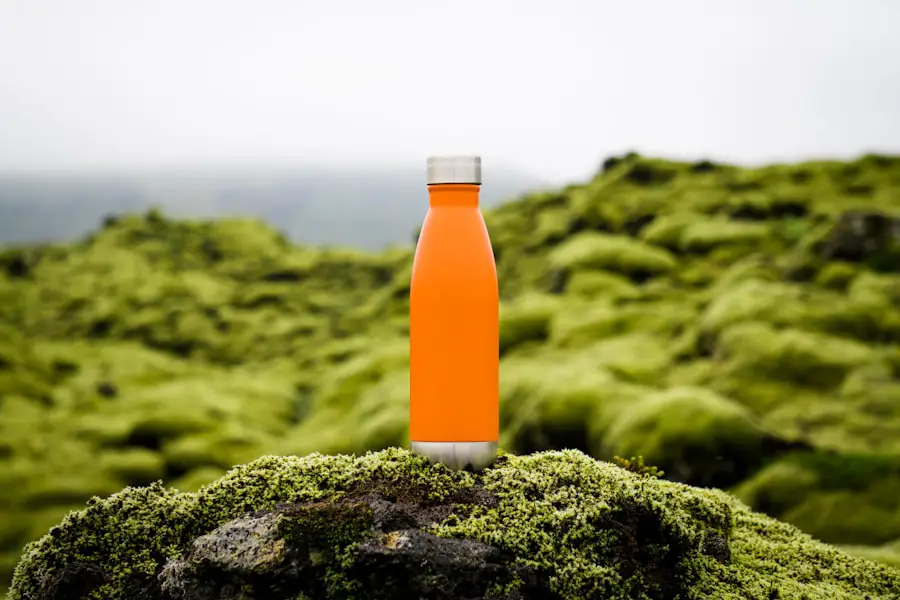
The best water-carrying system is one you can drink from easily, inspect for damage, refill without spilling, and clean thoroughly after the trip. Most hikers use hydration reservoirs, rigid bottles, collapsible bottles, or a combination.
Hydration Reservoirs
A hydration reservoir or bladder sits inside a backpack and connects to a drinking tube. It allows frequent sipping without removing the pack, which can be convenient for long hikes and trail running.
Its disadvantages are that the remaining amount can be difficult to see, leaks may go unnoticed, and a puncture or loose hose connection can affect the entire supply. Check the cap and hose before leaving and consider carrying a separate bottle as a backup.
Rigid Water Bottles
Rigid bottles are easy to refill, measure, clean, and use with drink mixes. Lightweight plastic bottles reduce pack weight. Durable metal bottles resist impact, but only insulated models are designed to keep water cold for long periods. Glass bottles are generally a poor trail choice because they are heavy and can break.
Collapsible Bottles and Reservoirs
Soft containers become smaller as they empty and work well as backup capacity. They are especially useful when a long dry section follows a refill point. Protect them from sharp objects and inspect the seams before each trip.
When planning a hiking trip, a dependable portable bottle remains one of the simplest ways to stay prepared. This guide to portable water bottles for outdoor adventures provides additional container ideas. Balance the weight of water against food, clothing, navigation equipment, sun protection, and emergency supplies rather than reducing water to make room for nonessential items.
Pro Tip: Carry water in at least two separate containers. A damaged bladder, lost bottle, or frozen hose is less serious when it does not hold your entire supply.
Tips for Carrying 2 Liters of Water
| Tip | Description |
|---|---|
| Use a backpack | Place the water close to your back and near the middle of the pack so it does not pull you backward. |
| Balance separate bottles | If using two one-liter bottles, place one on each side and confirm that both pockets hold them securely. |
| Use a hydration bladder | Store it in the pack’s reservoir sleeve, route the hose correctly, and check for leaks before leaving. |
| Keep some water accessible | A side-pocket bottle or drinking tube lets you sip without unpacking other equipment. |
| Use a waist pack cautiously | Small waist-mounted bottles can improve access, but carrying a full two liters around the waist may bounce or become uncomfortable. |
| Plan verified refills | Refilling can reduce starting weight, but only when the source is currently available and you have suitable treatment equipment. |
Two liters of water weigh approximately 2 kilograms, or 4.4 pounds. Keep this weight near your center of gravity rather than hanging it from the back of the pack. Tighten compression straps so the containers cannot swing as you walk.
External pockets provide quick access, but a bottle can fall out while scrambling, bending, or removing the pack. Use secure pockets, retaining cords, or containers stored inside the pack when the route includes steep terrain.
Soft-sided bottles and collapsible reservoirs may weigh less than thick rigid containers. A hands-free hydration system can also encourage convenient sipping while moving, but you should still stop periodically to check how much water remains.
Hydration Strategies for Long Hikes
Begin a long hike normally hydrated by drinking with meals and during the hours before departure. There is no need to rapidly consume a large volume immediately before starting, which can cause discomfort and does not create unlimited fluid storage.
While hiking, take regular opportunities to drink according to thirst, weather, effort, and your known sweat rate. Small sips are often more comfortable than infrequent large amounts. Check your remaining supply at planned landmarks so you know whether your actual use matches the route plan.
For prolonged activity with heavy sweating, include food and drinks that provide carbohydrates and sodium. Salty trail mix, crackers, pretzels, sandwiches, soup, or an appropriately mixed electrolyte drink can help replace some sweat losses. Follow the product’s directions rather than making an unusually concentrated mixture.
Warning: Do not force large amounts of water simply because a timer says to drink. Excess fluid intake can cause exercise-associated hyponatremia, a dangerous drop in blood sodium. Headache, nausea, vomiting, unusual swelling, worsening confusion, seizures, or collapse during or after prolonged activity require urgent medical help.
The Wilderness Medical Society’s exercise-associated hyponatremia guidance emphasizes drinking according to thirst and learning individual fluid needs. Electrolyte drinks do not make unlimited water consumption safe.
Finding and Treating Water Sources on the Trail
A mapped stream, spring, lake, pipe, or tank is not a guarantee of available drinking water. Seasonal sources may dry up, pipes can break, tanks can be empty, and freezing temperatures can stop flow. Check current information from the park, forest, trail association, ranger station, or recent official alerts before leaving.
Water that looks clear may still contain disease-causing bacteria, viruses, or parasites from human or animal waste. Unless a responsible land manager identifies the source as potable, treat it before drinking, cooking, brushing your teeth, or preparing food.
Boiling
According to the CDC’s current hiking and camping water-treatment guidance, bring clear water to a rolling boil for one minute. At elevations above 6,500 feet, boil it for three minutes. Allow it to cool in a clean container before drinking.
Filtering and Disinfecting
Portable filters vary in pore size and pathogen protection. Many common backpacking filters are designed to remove protozoa and bacteria but may not reliably remove viruses. The CDC identifies filtering followed by disinfection as the next-best option when boiling is not practical.
Use a filter and chemical disinfectant that are suitable for the expected water conditions. Follow the manufacturer’s instructions exactly, including the required contact time. Cold or cloudy water may require special handling or a longer treatment time.
Cloudy or Silty Water
Let sediment settle or pass the water through a clean cloth or prefilter before using the main filter or disinfectant. Heavy sediment can clog a filter and reduce its flow.
Chemical Contamination
Boiling, filtering, iodine, chlorine, and chlorine dioxide cannot make water safe when it contains fuel, toxic chemicals, harmful algal toxins, or radioactive material. Choose another water source.
For an additional consumer-oriented comparison of common devices, see this water-treatment overview.
Note: Treatment equipment can fail. On remote hikes, carry a backup such as chemical tablets, a second compatible filter, or enough fuel to boil water.
Dehydration Risks and Symptoms
Dehydration occurs when fluid losses are greater than fluid intake. Possible early signs include thirst, dry mouth, headache, fatigue, dizziness, irritability, reduced urine output, and darker-than-usual urine. Urine color is only one clue because food, supplements, medications, and illness can also change it.
If symptoms begin, stop or reduce exertion, move to shade or a cooler location, loosen unnecessary clothing, and take comfortable sips of fluid. Eat an appropriate snack when prolonged sweating or missed meals may have contributed.
Heat Exhaustion
Heat exhaustion may include headache, nausea, dizziness, weakness, thirst, heavy sweating, irritability, elevated body temperature, and decreased urine output. Stop hiking, move to a cool place, cool the body, and seek medical evaluation when symptoms are significant or do not improve promptly.
Heat Stroke
Confusion, altered behavior, slurred speech, seizures, unconsciousness, or very high body temperature may indicate heat stroke. Heat stroke is an emergency. Contact emergency services or initiate the local rescue plan immediately and cool the person as rapidly as possible with cold water, wet clothing, airflow, or cold wet cloths while help is arranged.
Do not force food or drink into a confused, vomiting, seizing, or unconscious person. The CDC’s heat-illness guidance provides additional warning signs and first-aid information.
Overhydration and Hyponatremia
Headache, nausea, vomiting, weakness, confusion, seizures, and collapse can also occur with exercise-associated hyponatremia, especially when a person has consumed unusually large amounts of water. Because serious heat illness and hyponatremia can overlap, altered mental status should be treated as an emergency rather than diagnosed casually on the trail.
Importance of Electrolytes on the Trail
Sodium, potassium, magnesium, and calcium help support normal nerve, muscle, and fluid functions. Sweat contains water and electrolytes, particularly sodium. The amount lost varies widely among hikers.
During a short hike with ordinary sweating, normal meals and snacks are often sufficient. Longer activity, hot conditions, or heavy sweating may justify sodium-containing food or an electrolyte drink. Salty nuts, pretzels, crackers, cheese, soup, or a balanced sports drink can be practical options.
Bananas provide potassium, and nuts can provide magnesium and calories, but they may not supply much sodium unless salted. Electrolytes may help replace sweat losses, but they do not guarantee that cramps, fatigue, heat illness, or hyponatremia will be prevented.
Avoid using salt tablets routinely unless a qualified healthcare professional has advised them for your situation. Concentrated salt can cause nausea or other problems, and it does not replace the need for water, food, rest, cooling, and appropriate pacing.
Hydration for Different Types of Hikes
Short Day Hikes
For a short hike in mild weather, one or two bottles may be adequate. Still carry a reserve if the route is unfamiliar, exposed, or far from help. A two-liter supply may be reasonable for many two- to four-hour hikes, but actual needs vary.
Hot or Desert Hikes
Increase capacity for heat, dry air, direct sun, reflective terrain, steep climbing, and limited shade. Start early, avoid the hottest part of the day when possible, and use a conservative turnaround point. Some desert parks require or recommend several liters per person even for relatively short routes.
Cold and Winter Hikes
Cold weather can reduce the urge to drink even though fluid is still lost through breathing, sweating, and increased urination. Insulate bottles, protect reservoir hoses from freezing, and consider storing rigid bottles upside down so ice forms away from the opening.
High-Altitude Hikes
Dry air and faster breathing can increase fluid loss at elevation. Carry enough water and treat natural sources, but do not assume that excessive drinking prevents altitude illness. Ascend gradually and respond appropriately to headache, nausea, poor coordination, breathing difficulty, or worsening symptoms.
Multi-Day and Remote Hikes
Plan around the longest distance between dependable sources rather than the total trip length. Carry a treatment method, a backup treatment option, and enough capacity for dry camps or unexpected source failure. Recheck water reports immediately before departure.
People with Medical or Fluid Restrictions
People with kidney disease, heart disease, a prescribed fluid restriction, a low-sodium diet, pregnancy-related concerns, or medicines that affect fluid or salt balance should obtain personalized advice from a healthcare professional. General hiking estimates may not be appropriate for them.
Sharing Water with Hiking Partners
Group planning can distribute weight, but each person should retain an individual supply. Do not arrange the group’s water so that one lost pack, punctured bladder, or separated hiker loses access to all available fluid.
Each hiker should know:
- How much water the group started with
- Who carries the shared reserve
- Where the next dependable source is located
- Which treatment methods are available
- What conditions will trigger a turnaround
Some hikers need more water than others because of pace, body size, clothing, heat acclimatization, health, or sweat rate. Check on quieter or less-experienced group members during breaks rather than assuming everyone will report symptoms.
Sharing can help in an unexpected shortage, but it should not replace individual preparation. Avoid putting a used bottle opening or mouthpiece in direct contact with another person’s mouth when illness transmission is a concern.
Environmental Considerations for Water Usage on the Trail
Collect water with as little disturbance as possible. Avoid trampling fragile banks, muddying springs, entering small pools, or placing dirty containers directly into a source used by other hikers and wildlife.
Do not wash dishes, clothing, or yourself directly in a stream or lake. Leave No Trace recommends carrying water at least 200 feet away from natural water sources before washing. Use only a small amount of soap when needed, strain food particles from wastewater, scatter the water according to local rules, and pack out the food scraps.
Human waste, food, soap, sunscreen, insect repellent, and other contaminants can affect water quality. Follow local land-manager requirements, which may be stricter than general recommendations. See the Leave No Trace guidance for disposing of waste properly.
Final Pre-Hike Water Check
- Calculate expected hiking time, including breaks and possible delays.
- Choose a planning rate based on heat, exposure, effort, and personal experience.
- Add at least one extra hour of expected water use as a reserve.
- Confirm the current status of every planned refill point.
- Carry treatment equipment for all non-potable sources.
- Use at least two containers when a single failure would create a serious problem.
- Set a turnaround point before the reserve is consumed.
- Check that every person, child, and animal in the group has an adequate plan.
Frequently Asked Questions
How much water should you pack per person when hiking?
Plan approximately 0.5 to 1 liter per person for each hour of hiking, then adjust for weather, exposure, exertion, body size, sweat rate, refill reliability, and route difficulty. Add an emergency reserve rather than relying on an exact daily amount.
Is 2 liters of water enough for a hike?
Two liters may be enough for a mild two- to four-hour hike, but it can be inadequate for a long, hot, steep, exposed, or waterless route. Calculate the amount from expected hiking time and conditions instead of treating two liters as a universal rule.
What factors determine how much water to carry?
Consider hiking duration, pace, elevation gain, temperature, humidity, direct sun, wind, altitude, body size, sweat rate, medical needs, refill reliability, route remoteness, and the possibility of delays.
Can you rely on streams or springs shown on a hiking map?
No. A mapped source may be seasonal, dry, frozen, polluted, inaccessible, or affected by a broken pipe. Confirm current conditions and carry enough water to reach a safe alternative if the source is unavailable.
How should natural trail water be treated?
Boil clear water for one minute, or for three minutes above 6,500 feet. When boiling is not practical, use an appropriate filter followed by disinfection and follow all product directions. No ordinary backcountry method makes chemically contaminated water safe.
What are the risks of not carrying enough water?
Insufficient water can contribute to dehydration, reduced physical and mental performance, heat exhaustion, falls, poor decisions, and heat stroke. Risk rises with heat, direct sun, high exertion, illness, and delayed rescue.
Can a hiker drink too much water?
Yes. Excessive drinking can contribute to exercise-associated hyponatremia, in which blood sodium becomes dangerously low. Avoid forced intake. Headache, vomiting, confusion, seizures, or collapse during or after prolonged activity require urgent medical help.
How can you reduce water needs without risking dehydration?
Hike during cooler hours, slow the pace, rest in shade, wear breathable sun-protective clothing, choose a route with verified refill points, and avoid unnecessary exposure. Do not conserve water by refusing to drink when thirsty or continuing through significant symptoms.
What signs of dehydration should hikers watch for?
Possible signs include thirst, dry mouth, headache, fatigue, dizziness, irritability, reduced urine output, and darker urine. Confusion, slurred speech, seizures, unconsciousness, or very high body temperature are emergency warning signs rather than ordinary dehydration symptoms.
Sources
- Centers for Disease Control and Prevention: Water Treatment While Hiking, Camping, or Traveling — boiling, filtration, disinfection, altitude, and chemical-contamination guidance
- CDC/NIOSH: Heat-Related Illnesses — symptoms and first aid for heat exhaustion, heat stroke, heat cramps, and related emergencies
- CDC Yellow Book: Heat and Cold Illness in Travelers — dehydration, excessive fluid intake, electrolytes, and exercise-associated hyponatremia
- Wilderness Medical Society: Exercise-Associated Hyponatremia Guidance — prevention and recognition of dangerous overhydration
- National Park Service: Grand Canyon Hiking FAQ — hot-weather hiking water and electrolyte planning
- Leave No Trace: Dispose of Waste Properly — responsible washing, wastewater, and water-source protection

