
Last Updated on July 25, 2026 by Caleb Warren
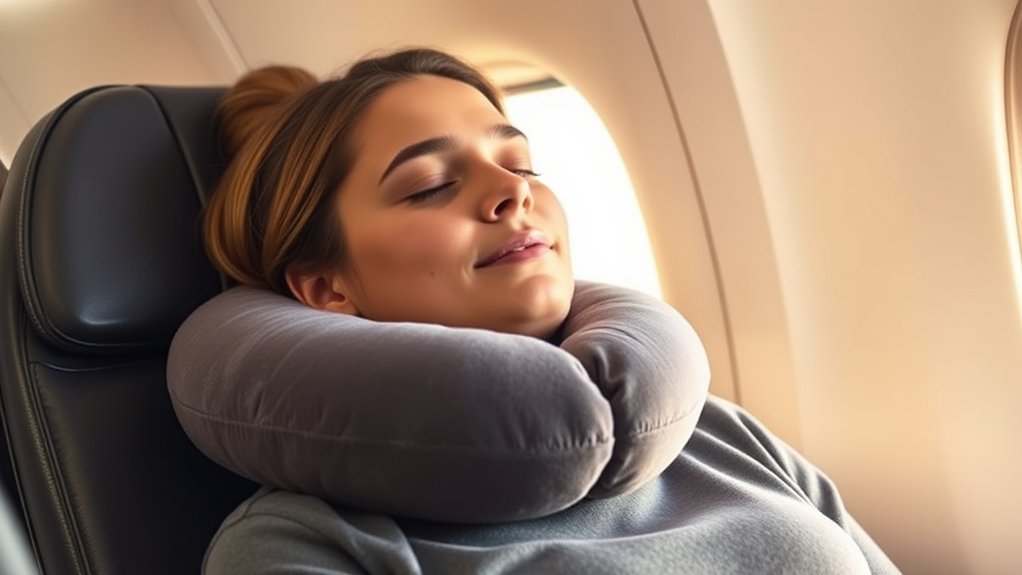
Mastering how to sleep upright with a travel pillow can transform exhausting long-haul flights, train journeys, and car rides into restful, pain-free travel experiences. Most travelers unknowingly misuse U-shaped neck pillows by letting their heads slump forward or sideways, leading to cervical spine strain and waking up with severe neck cricks. By understanding proper ergonomic positioning, securing adjustable fasteners, and matching your pillow to your seat’s geometry, you can maintain healthy spinal alignment and arrive at your destination refreshed.
Quick Answer
To sleep upright with a travel pillow correctly, place the thickest cushion at the back of your neck to maintain spinal alignment, or turn it 180 degrees so the thick part supports your chin to stop your head from falling forward. Always fasten the clasp or snap mechanism to lock the pillow in place and prevent slipping.
Key Takeaways
- Cervical Support: Position the main padding against the back of your neck or beneath your chin depending on your natural sleep tilt.
- Secure Fastenings: Always snap or cinch front straps to prevent the pillow from spreading open under your head’s weight.
- Avoid Slumping: Rotating the pillow opening to the back or side offers tailored resistance against sideways or forward head drops.
- Combine with Seat Adjustments: Adjust airplane or vehicle seat headrest wings inward to create a locked-in support structure.
At a Glance
| Time Required | 1 to 2 minutes |
| Difficulty | Beginner |
| Tools Needed | Travel Pillow (U-shaped, memory foam, or inflatable) |
| Typical Cost | $15 – $45 |
Disclosure: As an Amazon Associate I earn from qualifying purchases. Some links on this page are affiliate links, at no extra cost to you.
How to Properly Position Your Travel Pillow

When you are settling in for a nap while traveling, positioning your travel pillow correctly is crucial for a restful experience. Standard human anatomy requires the cervical spine to stay in a neutral alignment with the thoracic back. Start by placing the thick part of the pillow at the back of your neck to guarantee ideal pillow alignment when reclining.
This setup supports your head and relieves strain on the trapezius and sternocleidomastoid muscles. Secure the pillow around your neck with its snapping mechanism to keep it from slipping, preventing awkward neck posture during sudden movements. If your head tends to fall forward when sleeping fully upright, consider turning the pillow around so the thickest cushioning cradles your chin. According to health resources at the Cleveland Clinic, maintaining neutral neck curvature prevents muscle spasms and chronic tension during extended seated periods.
Pro Tip: Adjust your airplane seat’s adjustable headrest wings by folding them inward before putting on your pillow. The combination creates a custom cradle that locks your head firmly in place, stopping lateral tilting completely.
Common Travel Pillow Mistakes to Avoid
When using a travel pillow, simple setup mistakes can lead to severe discomfort and sleep disruption. Recognizing these pitfalls ensures you receive genuine ergonomic benefits throughout your journey.
Opening Placement Mistakes
One of the most common mistakes travelers make is leaving the opening facing forward without securing it, or using a rigid pillow in a seat that already pushes the head forward. When the opening is unsecured at the front, your neck can slump awkwardly into the gap. This misstep leads to ineffective support, causing painful cricks and fatigue. Always verify that the front straps are snapped tightly or rotate the pillow so the solid cushion blocks your chin from dropping.
Neglecting Neck Support
Neglecting proper neck support turns a travel pillow into an ineffective prop. Leaning back without locking the pillow snugly leaves excessive space behind your neck, worsening spinal strain. Ensure the pillow cradles the neck snugly without gaps to preserve natural alignment and foster restful travel sleep.
Warning: Avoid over-inflating inflatable travel pillows. Excessive air pressure makes the pillow too hard, forcing your neck into an unnatural forward bend that increases muscle stiffness.
What to Look For in a Travel Pillow
Choosing the right travel pillow requires evaluating key features that impact stability, comfort, and breathability.
Snapping Mechanism Importance
A reliable snapping mechanism or adjustable toggle buckle keeps the pillow securely anchored around your neck. This prevents the ends from spreading apart under your head’s weight, keeping your head upright and reducing strain on cervical joints.
Proper Neck Support
Focus on ergonomic shapes that offer elevated side bolsters and a flat back profile. Flat back contours prevent the pillow from pushing your head forward against the seat rest, while raised sides support your jaw when leaning laterally.
Optimal Positioning Tips
Select materials that balance firmness and comfort. High-density memory foam offers superior contouring support, whereas inflatable models allow customizable firmness and easy packability. Research summarized by the Sleep Foundation highlights that proper spinal alignment during travel sleep reduces micro-awakenings caused by physical discomfort.
How to Adjust Your Travel Pillow for Optimal Support
To get maximum benefit from your travel pillow, follow these precise adjustment steps:
- Assess Your Seat Angle: In a fully upright seat, rotate the pillow so the thickest cushioning rests under your chin. In a reclined seat, position the main padding behind your neck.
- Tighten the Clasp: Cinch the front drawstrings or snap the closure tight enough to stabilize your jaw line without constricting breathing.
- Test Lateral Tilt: Lean your head gently to both sides. If your ear tilts more than 15 degrees, tighten the pillow toggles or rotate it slightly toward your preferred sleeping side.
How to Maintain an Upright Posture While Using a Travel Pillow
Maintaining healthy posture in transit involves more than just wearing a neck pillow. Combine these techniques for an optimal sleep setup:
- Position the thick part of the pillow at the back of your neck or under your chin depending on your seat angle.
- Use the snapping mechanism to lock the pillow in place and hold your lower jaw steady.
- Place a small lumbar roll or folded jacket behind your lower back to maintain the natural inward curve of your spine.
- Keep your feet flat on the floor or rest them on a footrest to reduce tension in your lower back and thighs.
Note: Pairing your neck pillow with an eye mask and noise-canceling headphones reduces external stimuli, helping you fall asleep faster and stay relaxed in upright seats.
The Benefits of Using a Travel Pillow Correctly
Using a travel pillow properly improves comfort and protects your physical well-being. By supporting the head and keeping the cervical spine aligned, you eliminate painful muscle spasms, reduce morning stiffness, and enter deeper sleep cycles during long transit times. Correct placement prevents awkward slouching, letting you wake up feeling energized and ready to explore.
How Proper Pillow Use Transformed My Travel Sleep Quality
Switching from loose, misaligned pillow placement to intentional ergonomic support drastically improves travel sleep quality. Proper technique delivers noticeable improvements:
- Continuous cervical spine alignment throughout long flights.
- Elimination of painful neck cricks and tension headaches upon landing.
- Prevention of sudden forward head drops during deep sleep stages.
- Enhanced energy levels upon reaching your destination.
Enhancing Your Travel Experience With the Right Pillow
The right travel pillow transforms exhausting journeys into peaceful rest periods. Selecting a model with an adjustable snapping mechanism, breathable cover fabric, and high-quality foam ensures long-term comfort and durability. Investing in proper neck support allows you to travel anywhere comfortably and arrive rested.
Conclusion: Travel Pillow Best Practices for Better Sleep
Mastering travel pillow best practices is an essential skill for frequent flyers and road trippers alike. By focusing on proper positioning and secure adjustments, you convert awkward upright seats into comfortable rest zones.
“Proper cervical alignment during upright sleep prevents neck strain and ensures you arrive at your destination refreshed.”
- Position the pillow padding to support either your neck or chin based on your seat’s recline.
- Always fasten the front snaps or drawstrings to stabilize the pillow structure.
- Incorporate lumbar support and headrest adjustments for comprehensive posture alignment.
- Enjoy pain-free, restorative sleep on every adventure.
Frequently Asked Questions
Can I use a travel pillow in a car?
Yes, you can use a travel pillow in a car as a passenger. It supports your neck and stabilizes your head against sudden road vibrations or turns. Drivers should never wear travel pillows as they restrict movement and head rotation needed to check mirrors safely.
Do travel pillows fit all neck sizes?
Travel pillows do not fit all neck sizes universally. Look for designs with adjustable front toggles, Velcro straps, or cinch cords so you can tailor the circumference to fit your neck snugly.
Are inflatable travel pillows comfortable?
Inflatable travel pillows are comfortable, highly portable, and space-saving. Inflating them to about 75% to 80% capacity provides the best comfort, allowing the air inside to cushion your head without creating harsh pressure points.
How do I clean my travel pillow?
Most memory foam and microbead travel pillows feature removable fabric covers that are machine washable on gentle cycles. For inflatable pillows, wipe the outer surface with a damp cloth and mild soap, then allow it to air dry thoroughly.
Can I wear a travel pillow while reading?
Yes, wearing a travel pillow while reading or watching inflight movies helps maintain neck alignment. Loosen the front closure slightly so you can comfortably tilt your eyes downward without straining your neck muscles.
Conclusion
Adopting proper techniques for using your travel pillow elevates your journey from uncomfortable endurance to peaceful relaxation. By positioning the cushion to match your posture, securing the clasps, and pairing it with lumbar support, you protect your neck and improve your overall sleep quality. Let your travel pillow be your trusted companion on every voyage, guiding you to rejuvenating sleep so you wake up ready to explore new horizons.
Sources
- Sleep Foundation — Ergonomic sleep strategies and travel health guidelines
- Cleveland Clinic — Posture care and preventing cervical spine pain
- National Institutes of Health (NCBI) — Biomechanical effects of neck support during seated rest
