
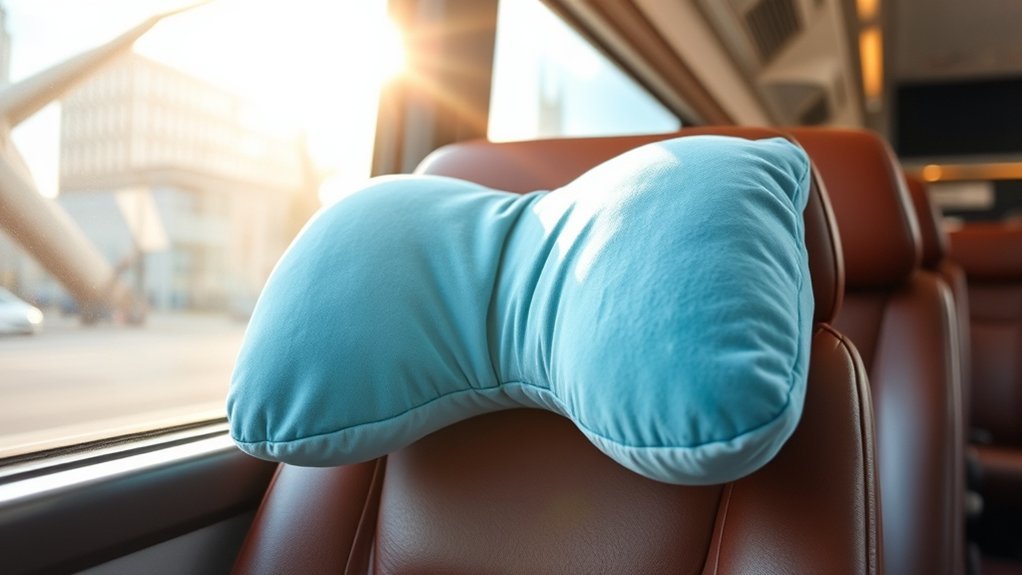
Last Updated on August 2, 2026 by Caleb Warren
On long bus trips, physical comfort is the single biggest factor determining whether you arrive refreshed or exhausted. A high-quality travel pillow makes a world of difference by keeping your neck supported, maintaining spinal alignment, and eliminating pressure points. To get the best sleep possible on the road, combine an adjustable pillow with smart seat selection, proper lumbar support, and essential accessories like eye masks and noise-canceling headphones.
Quick Answer
To maximize comfort on long bus rides, use a compact, high-density memory foam or wrap-style travel pillow positioned securely around your neck to keep your cervical spine straight. Pair it with a window seat near the middle of the bus for minimal vibration, a rolled sweater behind your lower back for lumbar support, and noise-canceling headphones to block engine hum.
Key Takeaways
- Neck Alignment is Key: Choose an adjustable travel pillow that prevents head slumping and keeps your head resting over your shoulders.
- Prioritize Lumbar Support: Bus seats lack lower-back contouring; tuck a rolled jacket behind your lower spine to prevent slouching.
- Select Mid-Bus Window Seats: Window seats offer lateral head support, while mid-bus positions experience the least road bounce and motion.
- Control Light & Sound: 3D eye masks and active noise-canceling (ANC) headphones block out cabin distractions to foster deep sleep.
- Protect Blood Circulation: Flex your ankles periodically and stay hydrated to prevent leg stiffness and reduce blood-clot risk on rides over four hours.
At a Glance: Bus Comfort Checklist
| Setup Time | 2–5 minutes after boarding |
| Difficulty Level | Easy / Beginner |
| Essential Gear | Travel pillow, eye mask, ANC headphones, refillable water bottle, lumbar roll |
| Expected Benefit | Prevents muscle stiffness, eliminates neck strain, and enables uninterrupted sleep |
Disclosure: As an Amazon Associate I earn from qualifying purchases. Some links on this page are affiliate links, at no extra cost to you.
Why Comfort Matters on Bus Journeys
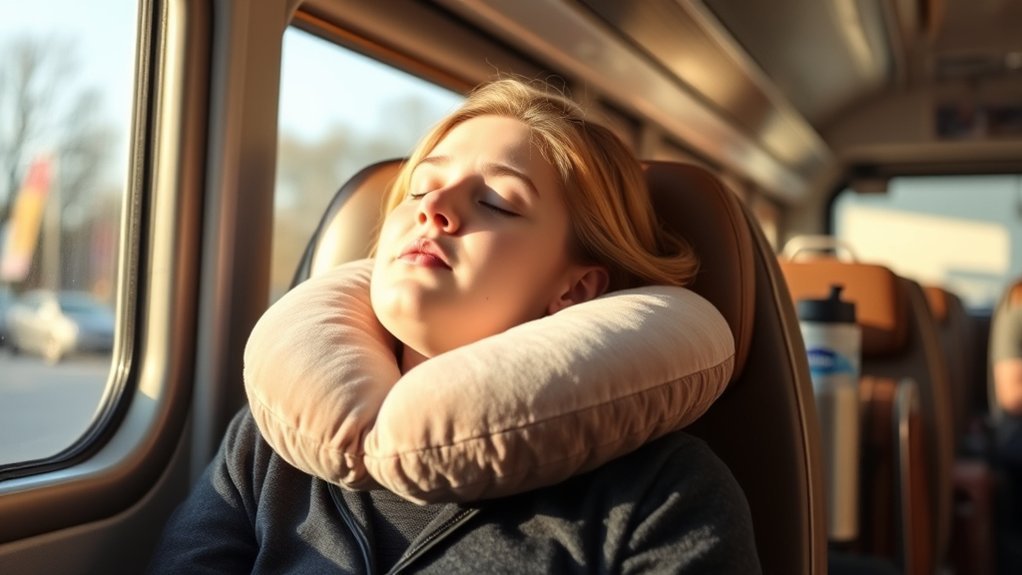
On a long bus journey, staying comfortable is essential. Sitting upright in a constrained space for six, eight, or twelve hours places constant pressure on your spine and neck joints. Without dedicated support, your body naturally slumps, leading to muscle spasms, headaches, and overall travel fatigue.
The compact seating and limited recline of long-haul coach buses can worsen spinal misalignment. According to the Sleep Foundation, maintaining upright cervical alignment during sleep helps reduce neck stiffness and prevents the micro-awakenings caused by head bobbing. A properly fitted travel pillow acts as a stabilizer, cradling your head and relieving pressure points so you reach your destination well-rested.
How to Choose the Best Travel Pillow for Bus Travel
Not all travel pillows perform equally inside the tight confines of a bus seat. Selecting the right model requires matching the pillow design to your personal sleep style and packing constraints:
- Compact & Travel-Friendly: Space in carry-on bags is limited. Opt for pillows that compress into a small stuff sack or attach directly to your backpack straps.
- Adjustable Support: Modern options like the Trtl Pillow feature internal structural supports that hold your neck in an upright posture without the bulk of traditional round pillows.
- High-Density Memory Foam: Memory foam contours dynamically to your neck and chin, absorbing road vibrations far better than cheap microbead fillings.
- Breathable & Washable Fabric: Long rides can get warm. Look for moisture-wicking fleece or breathable cotton covers that zip off for easy machine washing.
- Budget vs. Premium: Inflatable pillows cost the least and pack the smallest but offer less contouring; memory foam costs more and packs bigger but gives noticeably better neck support on rides over four hours.
Pro Tip: Test your travel pillow at home on a straight-backed kitchen chair before your trip. Adjust the toggles or Velcro straps until your chin rests comfortably without bending forward.
Optimize Your Seating Position With a Travel Pillow
Even the finest travel pillow cannot fix poor seating habits. Combining proper neck support with strategic seat selection and lumbar care transforms your travel experience.
Ideal Seat Selection
Your seat location on the bus affects how much motion and noise you experience throughout the ride. Aim for mid-bus window seats, which sit between the front and rear axles and absorb more road shock.
| Seat Type | Comfort Level | Key Trade-off |
| Window Seat | Best Overall Support | Limited aisle access for bathroom breaks |
| Mid-Bus Seat | Smooth Ride (Low Motion) | Fills up quickly; book early |
| Aisle Seat | Moderate Support | Vulnerable to foot traffic in the aisle |
| Reclining Seat | Enhanced Spinal Comfort | Reduces legroom for the passenger behind |
Proper Pillow Placement
Positioning your pillow correctly prevents unwanted neck movement during sudden stops:
- U-Shaped Memory Foam: Turn traditional U-shaped pillows backward (with the thick opening under your chin) if your head consistently falls forward while sleeping.
- Side-Sleepers on Window Seats: Wedge your pillow between the window frame and your shoulder to create a plush, elevated surface to lean against.
- Wrap-Style Pillows: Secure the internal rib support firmly against your neck and jawline, fastening the wrap tightly so it stays anchored as you shift positions.
Accessories to Boost Comfort During Bus Travel
A few key accessories work alongside your pillow to round out a comfortable setup.
Neck Support Pillows
Dedicated neck support devices, such as the Trtl Pillow or contoured memory foam wraps, provide structured support that prevents lateral tilting. By keeping your cervical spine neutral, these devices help stop muscle straining before it starts.
Eye Masks
Ambient light from passing streetlights, phone screens, and oncoming traffic frequently disrupts rapid eye movement (REM) sleep. A contoured 3D eye mask blocks external light without pressing against your eyelids, helping signal your brain to produce sleep-inducing melatonin.
Noise-Canceling Headphones
Over-ear active noise-canceling (ANC) headphones reduce the low-frequency rumble from the bus engine and tires, making it easier to sleep or listen to calming audio without straining to hear it over road noise.
Stay Cozy During Long Rides
Bus cabins frequently alternate between overly warm and freezing cold as the HVAC cycles. Maintaining a comfortable body temperature is vital for rest:
- Dress in Breathable Layers: Wear soft, flexible clothing like hoodies, sweatpants, and wool socks.
- Pack a Compact Travel Blanket: A lightweight fleece or packable down blanket keeps chills away without taking up excessive luggage space.
- Elevate Your Feet: Use a portable footrest sling hung over your tray table arms to take pressure off your thighs and improve blood flow.
What to Pack for a Comfortable Bus Trip
Beyond your pillow, a short packing list keeps you comfortable and prepared for delays or overnight rides:
- Portable phone charger: Bus outlets are unreliable or nonexistent on older coaches.
- Earplugs as a backup: Useful if you don’t want to wear headphones the entire ride.
- Compression socks: Especially helpful on rides longer than four hours to support circulation.
- Small toiletry kit: Toothbrush, wipes, and hand sanitizer for rest-stop freshening up.
- Printed or downloaded tickets: Avoid relying on a single phone battery for boarding.
Overnight and Red-Eye Bus Tips
Overnight buses add a few extra considerations beyond daytime comfort. Keep valuables in a bag you can loop around your leg or arm while sleeping, since overhead bins aren’t visible once you doze off. Set a phone alarm with vibration (not just sound) in case cabin noise masks a ringtone before your stop. Expect a period of grogginess on arrival — splashing water on your face and stepping outside for a few minutes of daylight or fresh air speeds up re-alertness better than caffeine alone.
How to Snack and Stay Hydrated on the Bus
Proper nutrition and hydration prevent fatigue, nausea, and cramping during long journeys. Choose non-messy, nutrient-dense foods:
- Mixed Nuts & Seeds: Packed with healthy fats and protein to maintain steady blood sugar levels without causing stomach bloating.
- Whole Grain Energy Bars: Provide complex carbohydrates for slow-release energy throughout the ride.
- Dried Fruits: Satisfy cravings for something sweet while delivering potassium that helps prevent leg cramps.
For hydration, carry a spill-proof, insulated water bottle. Take small, frequent sips rather than gulping large amounts of water, which minimizes the need for frequent restroom visits while keeping you adequately hydrated.
Maintain Good Posture While Sleeping on the Bus
Achieving healthy posture in a bus seat requires conscious adjustment before you fall asleep. The spine specialists at Mayo Clinic recommend supporting the natural lumbar curve whenever seated for extended durations.
Note on Lumbar Support: Bus seats curve inward, forcing your lumbar spine to flatten. Place a rolled jacket, small cushion, or dedicated lumbar roll directly behind your lower back to maintain a healthy spinal curve and reduce back ache.
Warning — Circulation Alert: Prolonged immobility on long bus rides can increase the risk of Deep Vein Thrombosis (DVT). The Centers for Disease Control and Prevention (CDC) advises flexing your ankles and pumping your calves periodically, and the American Heart Association notes graduated compression socks can help support circulation on trips exceeding four hours.
Sleep specialists generally agree that proper neck alignment paired with lower-back support meaningfully reduces muscle strain during long stretches of upright rest, making long-distance travel noticeably more restorative.
Frequently Asked Questions
Can I use a travel pillow on other forms of transportation?
Yes! Travel pillows work exceptionally well on airplanes, passenger trains, passenger ferries, and during road trips in cars. Any travel scenario where you must sleep seated upright benefits from cervical neck support.
How do I clean and maintain my travel pillow?
Unzip and remove the fabric cover, then machine-wash it on a gentle cycle in cold water with mild detergent. For memory foam cores, spot clean with a damp cloth and warm water — never submerge memory foam in water or put it in a dryer.
Are travel pillows suitable for children?
Yes, but choose child-sized travel pillows specifically proportioned for younger shoulders and narrower necks. Adult travel pillows are often too thick for children and can push their heads uncomfortably forward.
What size travel pillow is best for my needs?
For minimal luggage bulk, inflatable or wrap-style pillows (like Trtl) are ideal. If comfort is your primary goal and carry-on space allows, high-density memory foam pillows offer superior cushioning and shock absorption.
Can I find travel pillows with built-in storage?
Yes, several modern travel pillow models feature integrated zippered pockets designed to hold earplugs, eye masks, or phone accessories. Some stuffable travel pillows allow you to pack soft clothing inside to save luggage space.
Conclusion
Preparing for a long bus trip doesn’t have to mean sacrificing a good night’s sleep. By investing in an adjustable travel pillow, anchoring your lower spine with proper lumbar support, and using eye masks and noise-canceling headphones to block environmental distractions, you can turn any long bus ride into a cozy, restful retreat. Pack smart, stay hydrated, and enjoy arriving at your destination relaxed and ready to explore!
Sources
- Sleep Foundation — Guidelines for Sleep Ergonomics and Travel Comfort
- Mayo Clinic — Sitting Ergonomics and Back Pain Prevention
- Centers for Disease Control and Prevention (CDC) — Blood Clot Risk During Long-Distance Travel
- American Heart Association — Compression Socks and Circulation During Long Trips
