
Last Updated on September 10, 2026 by Caleb Warren
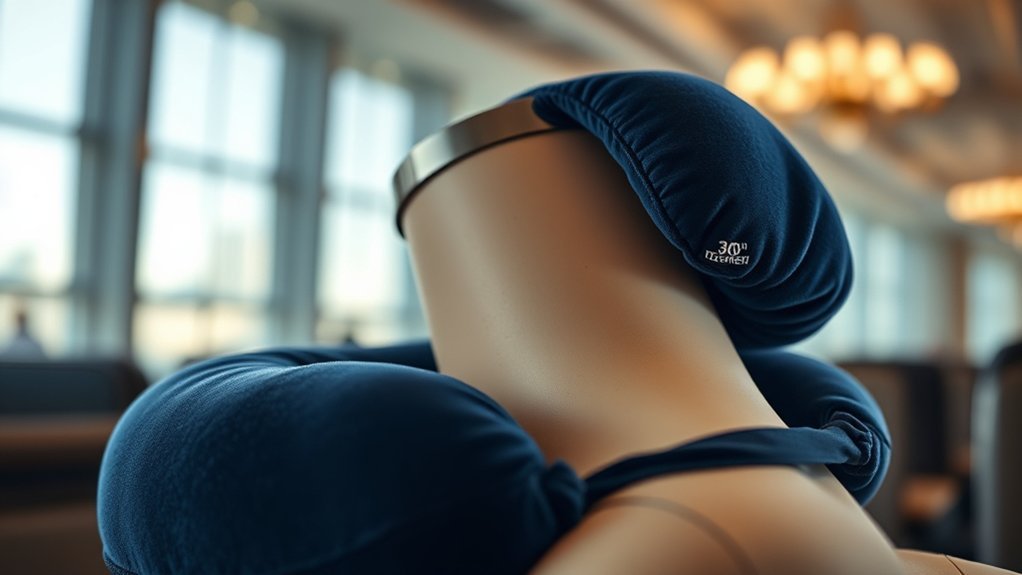
A 360-degree travel pillow offers comprehensive neck and chin support, cradling your head in all directions to prevent acute strain, muscle fatigue, and awkward posture during long flights or road trips. Unlike traditional U-shaped cushions that leave the throat open, a full-coverage 360° design locks your head into proper spinal alignment regardless of your sleeping angle.
Quick Answer
To get maximum comfort from a 360-degree travel pillow, position the thickest cushion pad directly under your chin if your head bobs forward, or behind your neck for side leaning. Cinch the front adjustable toggles tightly to secure your jawline. This maintains neutral cervical spine alignment and prevents muscle strain while sleeping upright.
Key Takeaways
- Reverse Placement Stops Head Bobbing: Rotating the thickest cushion under your chin supports your jaw and stops forward head drop.
- Protect the Core: Wash only removable fabric covers—never submerge memory foam cores in water or place them in a washing machine.
- Custom Fit Matters: Tighten front drawstrings or toggles to create a snug bridge between your jaw and shoulders.
- Ergonomic Alignment: Proper positioning reduces lateral tilt and keeps your head centered over your shoulders according to Sleep Foundation travel guidelines.
At a Glance
| Best For | Economy airplane seats, long train rides, and passenger cars |
| Primary Benefit | Prevents forward head drop and lateral neck hyperextension |
| Common Materials | High-density memory foam, inflatable TPU, plush velour covers |
| Setup Time | Under 30 seconds to position and cinch toggles |
Disclosure: As an Amazon Associate I earn from qualifying purchases. Some links on this page are affiliate links, at no extra cost to you.
Essential Features for an Effective Travel Pillow

Selecting the right 360-degree travel pillow requires balancing ergonomic support with travel convenience. Because passenger seats hold your body at near-vertical angles, standard headrests often fail to maintain neutral spine alignment.
When evaluating options, look for these four core features:
- Ergonomic Contour & Density: High-density memory foam provides superior pressure distribution, contouring to your neck and jaw without collapsing under your head’s weight (which averages 10–12 pounds).
- Adjustable Lock Toggles: Adjustable drawstrings or Velcro straps allow you to cinch the pillow tightly around your neck, creating a rigid support collar that prevents your chin from dropping.
- Compressible Portability: A high-quality travel pillow should compress into a travel pouch to save space in your carry-on luggage, adhering to TSA carry-on guidelines.
- Hygiene & Removable Cover: Airport terminals and plane seats carry high bacterial loads. Choose pillows with machine-washable velour or breathable mesh covers for easy sanitation.
Pro Tip: Look for 360-degree pillows with flattened rear profiles. A flat back prevents the headrest from pushing your neck forward, keeping your head naturally aligned with your spine.
How 360-Degree Neck Support Enhances Travel Comfort
Sleeping upright causes the muscles in your neck (such as the sternocleidomastoid and upper trapezius) to work continuously to keep your head balanced. Once you drift off and muscle tone relaxes, your head snaps forward or falls sideways—a trigger for severe cervical sprains and sudden wake-ups.
A true 360-degree travel pillow transforms upright resting through three mechanism pillars:
- Comprehensive Jaw and Chin Cradling: By bridging the gap between your collarbone and chin, the front support pad acts as a shelf, preventing forward head drop.
- Lateral Stabilization: Raised side bolsters keep your head from tilting sideways beyond a safe 15-degree angle, shielding your neck nerves from lateral compression.
- Cervical Spine Neutrality: Maintaining spinal alignment during seated rest prevents severe muscle stiffness, tension headaches, and lingering travel fatigue.
Proper Placement for Maximum Comfort
Proper placement is the difference between sleeping soundly and waking up with a severe crick in your neck. The key is adapting the pillow orientation to your natural sleeping tendency and seat type.
Follow these placement configurations for optimal comfort:
| Sleep Tendency | Pillow Orientation | Ergonomic Benefit |
|---|---|---|
| Forward Head Drop | Reversed (Thickest section under chin) | Supports jawline; completely eliminates chin bobbing |
| Side Leaner (Window Seat) | Lateral Shift (Rotate tall bolster to side) | Fills gap between cheek, neck, and airplane wall |
| Reclined Back Sleep | Standard Stance (Flat base at nape of neck) | Cradles cervical lordosis without pushing head forward |
How to Pick the Perfect Travel Pillow for You
Choosing the ideal 360-degree travel pillow comes down to three physical factors: your primary sleeping posture, core material preference, and travel logistics.
“Proper cervical support during travel requires choosing a pillow that matches your seat dynamic and resting posture, ensuring your head remains centered over your shoulders.”
- Sleeping Position Dynamics: If you sleep upright in middle or aisle seats, select a pillow with thick front chin support. If you occupy a window seat, prioritize models with high side bolsters.
- Core Material Construction:
- Memory Foam: Offers high density, pressure relief, and long-lasting support, though it is slightly heavier.
- Inflatable Cores: Extremely compact and lightweight; firmness can be adjusted by adding or releasing air.
- Packability & Attachment: Ensure the pillow includes a quick-release strap or carabiner so you can attach it to the outside of your backpack when compression bag space is tight.
Common Mistakes to Avoid When Using Travel Pillows
Even the highest-rated 360-degree travel pillow will fail if used incorrectly. Avoid these frequent missteps during travel:
- Wearing the Pillow Too Loose: Leaving toggles unfastened allows the pillow to gap away from your neck, offering zero support when your muscles relax. Cinch straps firmly.
- Ignoring Seat Headrest Adjustments: Most modern airplane seats feature adjustable headrest wings. Bend the wings inward in tandem with your 360 pillow for maximum head stabilization.
- Placing Thick Foam Behind a Vertical Headrest: Using a pillow with a thick rear cushion against a firm seat forces your head forward into a hunch. Rotate the thick cushion to the front or side instead.
Warning: Never submerge memory foam travel pillow cores in water or place them in a washing machine. Water breaks down memory foam’s cell structure, causing it to lose elasticity and crumble. Wash the outer fabric cover only.
Frequently Asked Questions
Can travel pillows be washed or cleaned easily?
Yes, provided you separate the cover from the core. Most 360-degree travel pillows feature a removable zippered cover that is machine-washable on a gentle cycle using cool water. The interior memory foam core should never be washed or submerged; instead, wipe it down with a damp cloth and allow it to air-dry in a well-ventilated area away from direct sunlight.
What materials are best for travel pillow filling?
Viscoelastic memory foam is widely considered the gold standard because it molds to your neck’s exact contours and absorbs vibrations. Inflatable TPU cores are ideal for ultralight backpackers due to their extreme packability, while microbead fillings offer flexibility but degrade faster over time.
Are there travel pillows designed for specific sleeping positions?
Yes. 360-degree pillows are uniquely versatile because they can be rotated based on position. Upright back sleepers benefit from chin-supporting front configurations, side sleepers rely on tall lateral bolsters, and forward-leaners (using tray tables) can use specialized chest-resting wedge pillows.
How do I store my travel pillow while not in use?
When traveling, compress the pillow into its included compression sack and attach it to your bag’s exterior handle. For long-term home storage, store memory foam pillows uncompressed in a cool, dry, breathable mesh bag to preserve the foam’s shape and structural integrity.
Can travel pillows help with sleep apnea or snoring?
While travel pillows do not cure medical sleep apnea or chronic snoring, a 360-degree pillow helps keep your airway clear by holding your head upright and preventing your chin from dropping toward your chest, which frequently exacerbates positional airway obstruction during flight.
Conclusion
Mastering the use of a 360-degree travel pillow turns tedious travel hours into genuine, restorative rest. By choosing high-density materials, adjusting your pillow placement to support chin and neck alignment, and avoiding common setup mistakes, you can eliminate post-flight neck stiffness. Secure your fit, cinch those toggles, and arrive at your destination refreshed and ready to explore.
Sources
- Sleep Foundation — Ergonomic travel posture guidelines and sleep science
- Transportation Security Administration (TSA) — Carry-on luggage regulations and travel accessory standards
- Spine-health — Cervical spine support and posture alignment research
