
Last Updated on September 10, 2026 by Daniel Globe
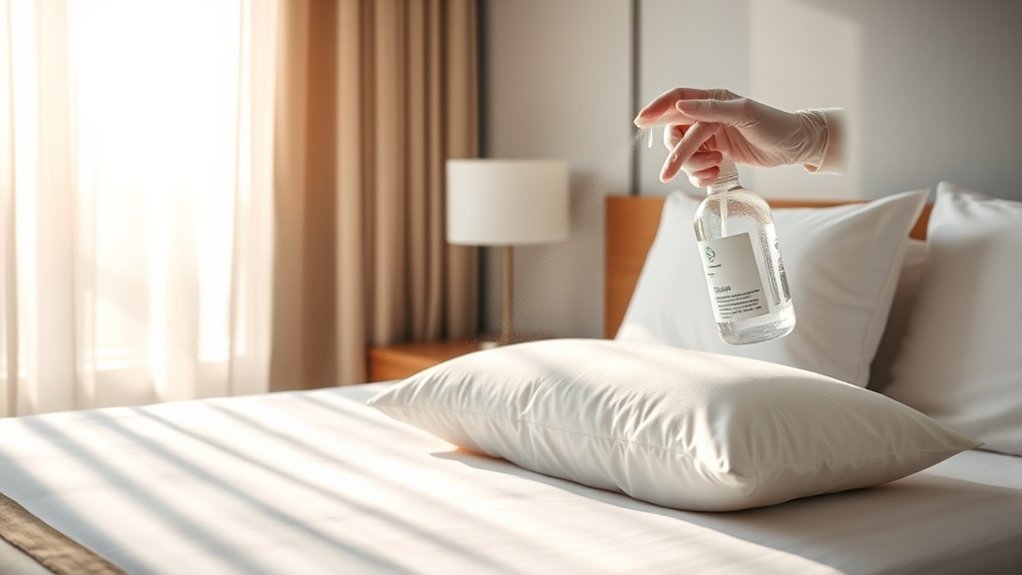
Hotel pillows see hundreds of guests before you, and most housekeeping teams change the pillowcase without ever cleaning the pillow itself. Sanitizing your travel pillow — and taking a few precautions with the ones already in your room — keeps allergens, bacteria, and fungi away from your face while you sleep.
Quick Answer
To sanitize a travel pillow, machine-wash any removable cover in hot water (at least 130°F/54°C) and spot-clean the pillow core using antibacterial wipes or a fabric-safe sanitizer spray. Always allow the pillow to air-dry completely before storing or using. Bring a dedicated protective pillowcase as an extra barrier against hotel bedding.
Key Takeaways
- Machine-wash removable covers in hot water; wipe the pillow surface with antibacterial wipes or a fabric-safe sanitizer.
- Never machine-wash or submerge solid memory foam or microbead travel pillows — spot-clean only to prevent structural collapse.
- Let pillows air-dry completely in a well-ventilated area — trapped moisture invites mold and bacterial growth.
- Pack your own zippered pillowcase or protective cover as a physical barrier against hotel pillows you can’t fully sanitize.
- Check airline carry-on liquid limits (3.4 oz / 100 ml) if carrying sanitizing sprays in carry-on luggage.
At a Glance: Travel Pillow Sanitizing Overview
| Time Required | 10–15 minutes active cleaning (plus 2–4 hours air-drying time) |
| Difficulty | Easy (No special equipment needed) |
| Tools Needed | Antibacterial wipes, fabric sanitizer spray, micro-fiber cloth, baking soda (optional) |
| Estimated Cost | $5 – $15 for cleaning supplies |
Disclosure: As an Amazon Associate I earn from qualifying purchases. Some links on this page are affiliate links, at no extra cost to you.
The Importance of Sanitizing Your Travel Pillow
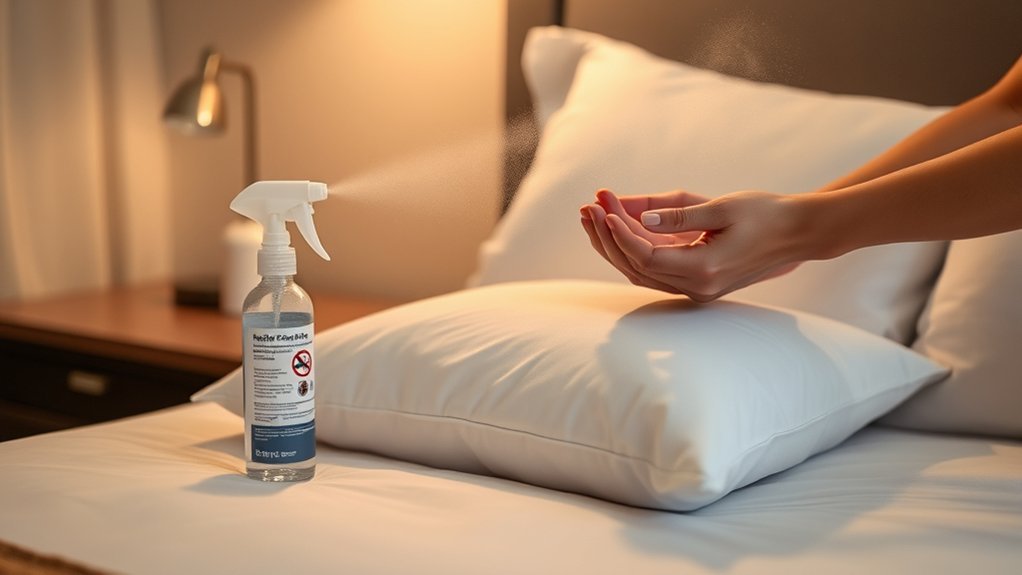
Travel pillows can harbor bacteria, fungi, and allergens that pose real health risks on the road. Because travel pillows rest directly against your face, mouth, and neck on high-traffic transit like airplanes, buses, and trains, they accumulate facial oils, dead skin cells, and ambient droplets very quickly.
“Synthetic and feather bedding can contain up to 16 different fungal species, creating a significant allergen load that triggers respiratory issues and asthma in sensitive sleepers.” — University of Manchester Study
Regular cleaning helps limit that exposure, especially in shared accommodations like hotels, where you have no direct control over how — or whether — room pillows were sanitized before your arrival. Wiping down surfaces with antibacterial wipes or a fabric-safe sanitizer removes surface contaminants quickly. Packing a personal pillowcase or protective cover adds a physical barrier, cutting down direct skin contact with bedding you can’t fully clean yourself.
Step-by-Step Guide to Sanitizing Your Travel Pillow
Sanitizing a travel pillow only takes a few minutes if you break it down systematically into clear steps:
- Remove the outer cover: If your pillow has a removable pillowcase or fabric slip, zip or unbutton it completely before treating the core.
- Wash the cover in hot water: Machine-wash the fabric cover in hot water (minimum 130°F / 54°C) to neutralize dust mites and bacteria. Follow manufacturer care labels.
- Wipe the pillow core surface: Lightly wipe down the interior pillow core using antibacterial wipes or a travel-sized disinfectant spray. Pay special attention to seams, zippers, and crevices where dead skin cells gather.
- Spot-treat non-washable fills: If the core is memory foam or filled with microbeads, never submerge it. Use a damp microfiber cloth with a fabric-safe sanitizer spray instead.
- Air-dry completely: Allow both the cover and core to dry in an open, well-ventilated space. Never pack away a damp travel pillow into a compression sack, as trapped moisture creates an ideal environment for mold and mildew.
- Clean attached straps and toggles: Wipe down plastic snaps, chin straps, and cord locks with an antibacterial wipe, as these high-touch areas accumulate skin oils and dust.
- Sanitize your hands: Thoroughly wash your hands after cleaning your gear to avoid transferring dislodged bacteria back onto your face.
Pro Tip: If your travel pillow has absorbed stubborn odors rather than visible dirt, sprinkle a light layer of baking soda over the fabric. Let it sit for 20 minutes to absorb odor molecules, then vacuum or brush it off thoroughly before spot-cleaning.
How to Sanitize Different Travel Pillow Materials
Not all travel pillows can handle the same cleaning methods. Using the wrong sanitizing process can ruin memory foam or burst microbead seam seals.
1. Memory Foam Travel Pillows
Solid memory foam is dense and porous; submerging it in water causes the cell structure to break down and retain moisture for days. To clean memory foam, remove the cover, spray the surface lightly with an alcohol-based fabric sanitizer, and wipe down gently with a damp microfiber cloth. Allow it to air-dry away from direct heat or harsh sunlight, which can degrade the foam.
2. Microbead Travel Pillows
Microbead travel pillows (filled with tiny polystyrene beads) should never go in a washing machine, as agitators can tear the delicate outer fabric and release thousands of beads. Spot-clean microbead pillows using antibacterial wipes or a damp cloth dipped in warm, soapy water. Gently squeeze out excess surface moisture and hang to air-dry.
3. Inflatable Travel Pillows
Inflatable TPU or PVC pillows are the easiest to sanitize. Deflate or inflate slightly, then wipe the entire plastic/fabric surface with an antibacterial wipe or disinfectant spray. Ensure the air valve cap is closed during cleaning to prevent liquids from entering the internal chamber.
Top Products for Sanitizing Your Travel Pillow
Choosing the right disinfectant product prevents fabric damage while eliminating bacteria effectively:
At a Glance: Sanitizing Product Options
| Disinfectant Spray | Mist lightly across fabric from 6–8 inches away. Allow full dwell time recommended on label before air-drying. |
| Antibacterial Wipes | Ideal for quick cleanups on airport seats, transit trays, and pillow seams during long layovers. |
| Fabric-Safe Sanitizer | Kills 99.9% of bacteria on soft surfaces without soaking delicate fibers or causing discoloration. |
| Portable UV-C Wand | Chemical-free light treatment; reduces surface pathogens when held closely for 30–60 seconds per section. |
Warning: Always review airport security guidelines before packing aerosol or liquid sanitizers in your carry-on luggage. The TSA Liquids Rule restricts carry-on liquid containers to 3.4 ounces (100 milliliters) or less per item.
Proven Tips to Keep Your Travel Pillow Clean While Traveling
Maintaining pillow hygiene during a trip is significantly easier than trying to deep-clean a contaminated pillow after the fact:
- Use a carrying sack: Never attach an exposed travel pillow to the outside of your backpack or carry-on luggage where it sweeps against bus floors, airplane aisles, and cargo bins.
- Pack a silk or cotton sleeve: Slipping a personal pillowcase over hotel pillows or your travel neck pillow provides a clean, breathable barrier for your skin.
- Sanitize mid-trip: Wipe down high-touch seams with antibacterial wipes after long flights or bus journeys.
- Keep it elevated: Avoid setting your travel pillow on hotel chairs, carpeted floors, or bedside tables without a protective cover underneath.
How to Resolve Issues With Dirty Pillows in Hotels
Checking hotel cleanliness standards before booking helps prevent unpleasant surprises. However, if you inspect your hotel room and find stained or stale-smelling pillows, take these immediate steps:
- Inspect immediately upon arrival: Pull off the outer pillowcase to check the pillow ticking for yellowing stains, moisture, or dark spots indicating mold or bed bugs.
- Request fresh replacements: Contact the front desk or housekeeping right away. Request fresh pillow inserts, not just clean outer cases. Most reputable hotels will gladly supply freshly laundered extra pillows.
- Encase with your own protector: If replacement pillows are unavailable, wrap the hotel pillow in a hypoallergenic, zippered pillow protector brought from home before adding the hotel’s pillowcase.
Frequently Asked Questions
Can I machine wash my travel pillow instead of sanitizing it?
You can machine wash some polyester fiberfill travel pillows, but always check the care label first. Machine washing can permanently damage or deform memory foam and microbead fillings. When in doubt, spot-clean with a fabric-safe sanitizer instead.
How often should I sanitize my travel pillow during a trip?
Wiping down your travel pillow every 2–3 days during a trip keeps bacteria and allergen buildup in check, especially if you use it across multiple flights, trains, or hotels.
What types of sanitizing sprays are safe for all pillow materials?
Alcohol-based sprays (70% isopropyl alcohol) and fabric sanitizers diluted with distilled water work safely on most synthetic fabrics. Avoid bleach or heavy hydrogen peroxide mixtures on memory foam, as they cause chemical breakdown.
Are there any natural alternatives for sanitizing my travel pillow?
A 1:1 mixture of distilled white vinegar and water misted lightly onto fabric acts as a gentle disinfectant. Adding 2–3 drops of tea tree oil or lavender essential oil provides natural antimicrobial properties and a fresh scent.
How can I tell if my travel pillow is too dirty to sanitize?
Deep interior discoloration, persistent damp smells that linger after drying, or broken foam cores indicate that bacteria or mold has penetrated deep into the fill. At that point, replacing the travel pillow is necessary.
Conclusion
Sanitizing your travel pillow takes only a few extra minutes but makes a substantial difference in maintaining a clean sleep environment on the road. Wash removable covers in hot water, spot-treat non-washable pillow cores with fabric sanitizers, and ensure complete air-drying before repacking. Combined with carrying your own protective pillow cover, these simple habits safeguard your face and sleep hygiene wherever you travel.
Sources
- EurekAlert! — University of Manchester Fungal Pillow Contamination Study — Research on fungal species presence in synthetic and feather bedding.
- PubMed — “Fungal Contamination of Bedding” (Allergy Journal) — Peer-reviewed source detailing fungal load in household and travel bedding.
- Transportation Security Administration (TSA) — Liquids Rule — Official rules on carry-on liquid and spray container allowances.

