

Last Updated on July 24, 2026 by Caleb Warren
Sharing travel pillows can expose you to harmful bacteria, skin cells, hair oils, and fungal spores. To safeguard your health on flights and long trips, always use a removable, washable protective pillowcase, sanitize your travel gear after every journey, and avoid placing pillows directly on unsanitary surfaces like airplane seat pockets or security bins. Opting for personal, antimicrobial travel pillows significantly reduces infection risks and improves travel comfort.
Quick Answer
Avoid sharing travel pillows whenever possible. Pillows easily absorb sweat, oils, and airborne germs. Always cover your pillow with a removable antimicrobial sleeve, spot-clean memory foam or machine-wash fabric covers in hot water above 130°F (54°C) after trips, and store the pillow in a dry, breathable bag with silica gel packets to prevent mold growth.
Key Takeaways
- Fungal & Bacterial Hazards: Unwashed synthetic travel pillows can harbor up to 16 species of fungi, including Aspergillus fumigatus.
- Clean by Material Type: Never submerge memory foam in water; spot-clean memory foam, use mesh wash bags for microbead pillows, and wipe down inflatables with alcohol wipes.
- Use Protective Barriers: A zippered, washable pillow cover prevents dust mites, sweat, and hotel bed pathogens from invading the pillow core.
- Moisture Control is Critical: Always dry your travel pillow thoroughly before packing to eliminate the risk of mildew and bacterial proliferation.
Disclosure: As an Amazon Associate I earn from qualifying purchases. Some links on this page are affiliate links, at no extra cost to you.
The Risks of Sharing Travel Pillows: Why Hygiene Matters
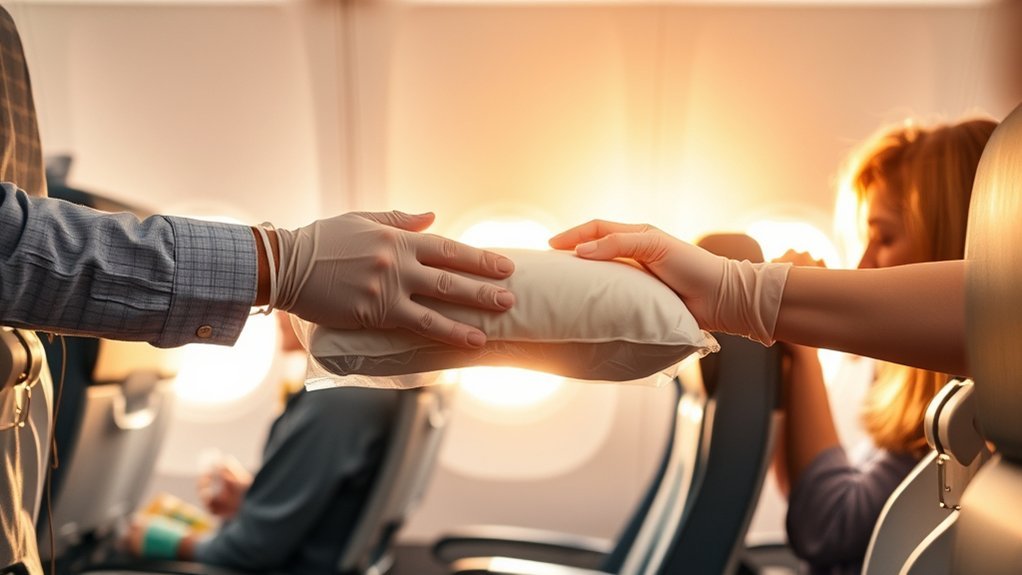
When you share a travel pillow, you unknowingly expose your face, neck, and respiratory system to a dense concentration of microscopic pathogens. Sharing increases the transfer of facial bacteria, respiratory droplets, sweat, and fungal infections. Peer-reviewed research published in the journal Allergy (PubMed) revealed that synthetic and feather bedding can harbor up to 16 distinct species of fungi per pillow.
Among these organism populations, researchers frequently identified Aspergillus fumigatus—a fungal species known by the Centers for Disease Control and Prevention (CDC) to trigger severe allergic reactions, asthma flare-ups, and pulmonary complications in immunocompromised individuals. Furthermore, travel pillows frequently come into direct contact with high-touch contamination hotspots, such as airport TSA screening bins, seatback pockets, and hotel furniture.
Bedding materials without protective barriers quickly collect microscopic shed skin cells. This environment allows dust mites (Asthma and Allergy Foundation of America) to proliferate, producing allergens that cause sneezing, runny noses, and itchy eyes during travel. Prioritizing strict travel pillow hygiene ensures that your neck support remains a restful comfort rather than a vehicle for illness.
Choosing the Right Travel Pillow
Selecting the ideal travel pillow requires balancing ergonomic support, portability, and hygiene maintenance. Discomfort during long flights or road trips often stems from poor spinal alignment, making adequate neck support essential for preventing muscular strain.
Pro Tip: Look for travel pillows constructed with antimicrobial-treated covers (such as silver-ion or bamboo fabrics). These materials naturally inhibit bacterial reproduction and eliminate odor buildup between laundry cycles.
When evaluating travel pillow types, consider how their core materials affect hygiene and cleaning flexibility:
- Memory Foam Pillows: Provide excellent contoured neck support and pressure relief. However, memory foam cannot be machine-washed or submerged in water; it requires a durable, removable, machine-washable outer sleeve.
- Microbead Pillows: Lightweight and flexible, but require washing inside a tightly sealed wash bag on gentle cycles to prevent seams from tearing.
- Inflatable Travel Pillows: Highly compact and space-saving. Their smooth vinyl or TPU surfaces make them the most hygienic and easiest to sanitize using simple disinfectant wipes.
- Polyester Fiberfill Pillows: Generally affordable and fully machine-washable, though frequent laundering can cause the fill to bunch over time.
Step-by-Step Guide to Cleaning Your Travel Pillow
Maintaining a clean travel pillow extends its lifespan and eliminates disease-causing pathogens. Below is an overview of the tools, difficulty, and time required to execute a thorough sanitization routine.
At a Glance
| Time Required | 15 minutes prep + 2–4 hours drying time |
| Difficulty | Beginner / Easy |
| Tools Needed | Mild laundry detergent, gentle soap, microfiber cloth, mesh laundry bag, dryer balls |
| Cost | $0–$10 (using household supplies) |
Pre-Cleaning Preparation Steps
Before washing, inspect your pillow to prevent structural damage and ensure maximum hygiene:
- Check Care Labels: Always read the manufacturer’s tag for maximum water temperature limits and cleaning prohibitions.
- Unzip and Separate Covers: Remove outer pillowcases or fabric shells. Wash covers separately in hot water (130°F / 54°C or higher) to destroy dust mites and neutralize biological allergens.
- Inspect the Core Material: Identify whether the core is memory foam, microbead, inflatable TPU, or polyfill.
- Prepare Spot-Cleaning Solutions: Mix a few drops of mild dish soap or liquid laundry detergent with warm water in a small bowl for surface cleaning.
Washing Methods For Fabrics
Apply the appropriate cleaning method based on your pillow’s interior construction:
Warning: Never submerge solid memory foam pillows in water or place them inside a washing machine. Water saturation destroys the open-cell structure of memory foam, rendering it useless and creating a trap for persistent internal mold growth.
- Memory Foam Cores: Dip a clean microfiber cloth into warm, soapy water, wring out excess liquid until damp, and gently dab stained or soiled areas. Dust the core with baking soda, leave it for 30 minutes to absorb odors, and vacuum thoroughly.
- Microbead Pillows: Place the entire pillow inside a zippered mesh laundry bag. Wash on a delicate cycle using cold water and mild detergent.
- Inflatable Pillows: Wipe down all exterior surfaces using 70% isopropyl alcohol wipes or a cloth dampened with warm antibacterial soap water. Ensure the air valve remains tightly closed during cleaning.
- Polyester / Fiberfill Pillows: Machine wash on a warm, gentle cycle. Add an extra rinse cycle to ensure all soap residue is flushed out.
Drying Techniques And Tips
Thorough drying is essential. Trapped moisture leads to mildew, unpleasant smells, and rapid bacterial recolonization.
- Remove Excess Water: Gently press down on fiberfill or microbead pillows using clean dry towels. Avoid twisting or wringing, which distorts the pillow’s ergonomic shape.
- Air Drying Protocol: Lay memory foam and microbead pillows flat on a drying rack in a well-ventilated room out of direct high heat. Direct sunlight can degrade memory foam polymers.
- Tumble Dryer Technique (Machine-Safe Pillows Only): Dry fiberfill pillows on low heat. Include two or three clean wool dryer balls or tennis balls to fluff the fill evenly and speed up drying.
- Verify Dryness: Squeeze the center of the pillow firmly before inserting it back into its cover or storing it away. If it feels cool or damp inside, continue air drying.
How to Store Your Travel Pillow Safely
Improper storage between trips exposes travel pillows to household dust, humidity, pest dander, and closet mold spores. Following structured storage precautions keeps your pillow fresh and ready for long journeys.
Use Protective Covers
Always enclose your travel pillow inside a clean, breathable storage bag. Avoid non-breathable plastic bags for long-term storage, as trapped residual air can foster condensation and mildew growth. Cotton dust bags or dedicated nylon travel sleeves provide an optimal protective barrier while allowing air circulation.
Keep Away From Moisture
Store your travel gear in dry, climate-controlled environments. Avoid damp basements, humid attics, or bathroom closets where moisture naturally accumulates.
Note: Tuck one or two food-grade silica gel packets inside your travel pillow’s storage bag. Silica gel actively absorbs residual environmental humidity, preventing sour odors and mold spore development.
Label for Easy Identification
When multiple family members travel together, distinct pillow labeling stops cross-contamination before it happens:
- Color-Coded Pillowcases: Assign specific pillowcase colors or pattern prints to individual family members.
- Luggage Tags & Names: Attach small washable fabric tags or luggage labels to pillow handles or carrying cases.
- Dedicated Storage Compartments: Designate specific zipper pockets inside your carry-on luggage solely for personal sleep gear to prevent contact with shoe soles or dirty clothes.
Why Use a Pillowcase or Cover?
Using a specialized pillowcase or protective wrap acts as a primary defense shield against public contamination. On airplanes and trains, hotel pillows and airline seats harbor bacteria, cosmetic oils, hair products, and lingering sweat from previous travelers.
“Using a clean, removable pillow sleeve reduces direct facial contact with environmental microbes by over 90%, preventing travel-induced skin breakouts and respiratory irritation.”
Protective covers, such as specialized travel wraps, are lightweight, compact, and easy to slip off and wash immediately upon reaching your hotel or returning home. This practice protects the inner pillow structure, keeping it clean for years.
Disinfecting Your Pillow: Before Sharing and After Use
If you must share a travel pillow or want to ensure maximum hygiene after navigating crowded transit hubs, follow a rigorous sanitization routine:
- Apply Fabric Sanitizing Sprays: Lightly mist the outer cover with a fabric-safe disinfectant spray or a solution of 70% isopropyl alcohol and water to neutralize surface bacteria on contact.
- Utilize UV-C Sanitizing Wands: Pass a portable UV-C LED sanitizing light slowly across all pillow surfaces to destroy pathogen DNA without applying heat or liquid.
- Wash Outer Layers Immediately: Remove the protective pillowcase as soon as you complete your journey and launder it in hot water.
- Air Out Core Materials: Place the inner pillow core in a warm, dry room with good airflow for 24 hours before packing it away.
Why You Shouldn’t Share Pillows With Sick Travelers?
Sharing sleep equipment with a sick travel companion introduces direct infection pathways. When a person is ill, respiratory viruses (such as influenza, rhinoviruses, and coronaviruses) and bacterial pathogens (like Staphylococcus aureus) enter bedding materials through coughing, sneezing, and heavy breathing.
Pillows rest directly against your nose, mouth, and eyes—the primary mucous membrane entry points for infection. Inhaling near contaminated fabric fibers increases pathogen transfer risk. When caring for or traveling alongside an unwell companion, keep personal sleep gear strictly isolated, use protective barrier wraps, and sanitize hands frequently using an alcohol-based hand rub.
Tips for Teaching Travel Pillow Hygiene to Companions
Establishing clear hygiene habits with family members and travel partners prevents accidental germ sharing and keeps everyone healthy during trips.
Essential Hygiene Practices
- Explain the invisible risks of public surfaces, high-touch zones, and pillow fungi in simple terms.
- Model consistent behavior by unboxing clean pillow wraps right when seated on planes or trains.
- Store personal travel pillows in sealed backpack pockets rather than tossing them onto airport terminal floors or seating areas.
Sharing Guidelines and Precautions
- Enforce a “No Cover, No Sharing” Rule: Never allow anyone else to borrow a pillow unless it is encased in a fresh, clean outer cover.
- Sanitize Hands First: Always clean your hands with soap or hand sanitizer before handling shared travel accessories.
- Pack Spare Pillowcases: Carry two extra lightweight pillowcases in your carry-on to replace contaminated covers on the fly.
Alternatives to Sharing Travel Pillows
If a travel partner forgets their neck support, avoid handing over your personal pillow. Instead, consider these hygienic alternatives:
- Self-Inflatable Travel Pillows: Compact, inexpensive options that roll up tightly into pocket-sized pouches and inflate within seconds.
- Antimicrobial Travel Wraps: Portable fabric barriers that wrap around airplane headrests or hotel pillows to create a clean personal barrier.
- Folded Jacket or Sweater in a Clean Pillowcase: Place a clean jacket or hoodie inside a spare pillowcase to create an instant, hygienic neck support roll.
- Compact Memory Foam Pillow Rolls: High-density foam cushions that compress into small protective travel cases.
Maintaining Personal Hygiene While Traveling
A clean travel pillow is most effective when paired with good overall travel hygiene. Practicing comprehensive germ prevention minimizes exposure across your entire journey:
- Clean High-Touch Surfaces: Use disinfectant wipes to sanitize airplane seat armrests, tray tables, seatbelt buckles, and overhead light switches before settling in.
- Practice Hand Hygiene: Wash hands thoroughly with soap and water for 20 seconds, or use an alcohol-based hand sanitizer containing at least 60% alcohol after touching public fixtures.
- Protect Personal Items: Avoid placing purses, backpacks, or travel pillows directly on airport restroom floors or seatback pocket interiors.
- Maintain Skin Hygiene: Wash your face or use gentle cleansing wipes before resting your cheek against any pillow surface during long transit layovers.
Frequently Asked Questions
Can I use a travel pillow without a cover?
You can, but it is not recommended. Using a travel pillow without a cover exposes the core material directly to facial oils, sweat, hair products, and public bacterial surfaces. Without a removable cover, cleaning memory foam or microbead cores becomes significantly harder, decreasing the pillow’s life and hygiene.
How often should I wash my travel pillow?
You should launder the removable cover after every trip. For frequent travelers, deep clean or spot clean the pillow core every 2 to 3 months. If you use your travel pillow daily during extended commuting, wash the outer cover weekly.
Are there travel pillows designed for easy cleaning?
Yes. Inflatable TPU or vinyl travel pillows are the easiest to clean because you can wipe them down instantly with disinfectant wipes. Additionally, memory foam and fiberfill pillows with removable, machine-washable bamboo or silver-ion antimicrobial covers offer both comfort and easy maintenance.
What materials are best for travel pillow hygiene?
Antimicrobial fabrics treated with silver ions, bamboo-derived rayon, and medical-grade TPU (for inflatable designs) are ideal. These materials resist mold, hinder bacterial growth, and withstand frequent washing cycles better than untreated cotton or standard polyester blends.
How can I tell if a travel pillow is clean?
Inspect the pillow closely under good lighting for discolored oil spots, dust ring stains, or surface debris. Smell the pillow near the seams; any musty, damp, or sour odor indicates internal fungal or bacterial buildup, signaling that the pillow needs immediate deep cleaning or replacement.
Conclusion
Sharing travel pillows introduces unnecessary hygiene risks, exposing you to facial bacteria, dust mite allergens, and fungal spores like Aspergillus. By choosing the right pillow material, using removable protective covers, spot-cleaning memory foam, and storing gear in dry, breathable covers, you can eliminate contamination risks. Practicing proper travel pillow hygiene protects your health, ensuring your trips remain comfortable, restful, and germ-free.
Sources
- PubMed (Journal of Allergy) — Fungal contamination of synthetic and feather pillows study (Woodcock et al.)
- Centers for Disease Control and Prevention (CDC) — Aspergillosis fungal risk factors and health impacts
- Asthma and Allergy Foundation of America (AAFA) — Dust mite prevention and bedding control
- CDC Travelers’ Health Guidelines — Surface hygiene, fomite transmission, and personal sanitation standards

