

Last Updated on September 10, 2026 by Daniel Globe
A microbead travel pillow can stay clean and comfortable for years, but the right cleaning method depends on its care label. Some microbead pillows can be hand or machine washed, while others should only be spot-cleaned. Before adding water, detergent, or heat, check whether the removable cover and bead-filled insert have separate care instructions.
Quick Answer
Check the care label before washing a microbead travel pillow. Spot-clean pillows that cannot be submerged. If full washing is allowed, use mild detergent and gentle handling; machine wash only when specifically permitted. Air drying is the safest default, while low-heat machine drying should be used only if the manufacturer expressly allows it.
Key Takeaways
- Read the care label first because microbead pillows do not all have the same washing instructions.
- If the pillow has a removable cover, clean the cover separately according to its own label whenever possible.
- Spot-clean the insert when full immersion is not allowed.
- If machine washing is permitted, protect the pillow in a tied pillowcase or laundry bag and use a gentle cycle.
- Dry the pillow completely before using or storing it, and use a dryer only when the manufacturer specifically permits machine drying.
At a Glance
| Time Required | About 5–10 minutes for spot cleaning or 15–20 minutes of active hand-washing time, plus complete drying time |
| Difficulty | Easy, as long as you follow the care label |
| Tools Needed | Mild detergent, soft cloth, clean towels, basin if hand washing, and a tied pillowcase or laundry bag if machine washing is allowed |
| Cost | Minimal; no special cleaner is normally needed beyond the products allowed by the care label |
Disclosure: As an Amazon Associate I earn from qualifying purchases. Some links on this page are affiliate links, at no extra cost to you.
Caring for Microbead Travel Pillows: What You Need to Know
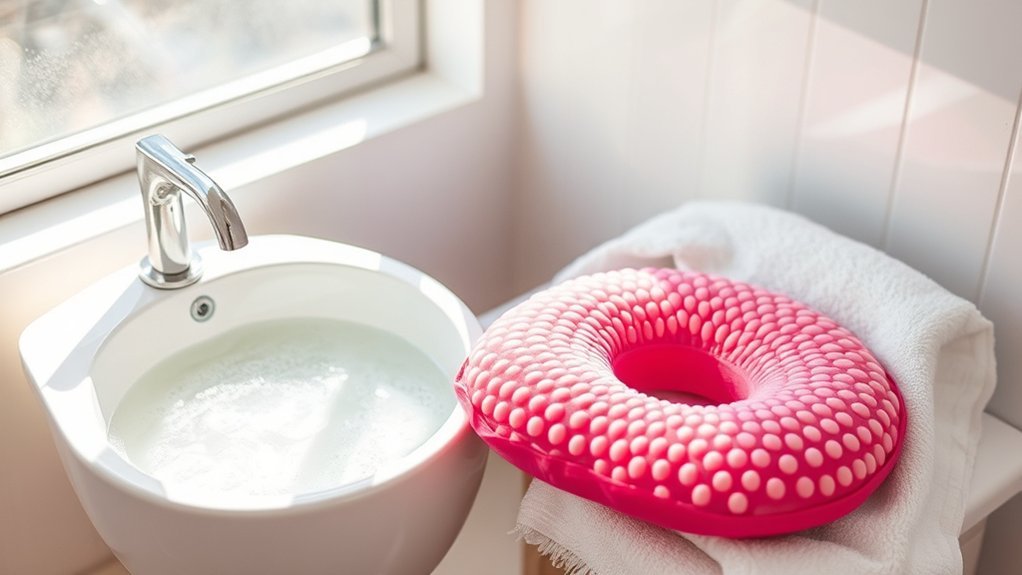
The most important rule is simple: do not assume every microbead pillow is washable. Designs vary by brand, shell fabric, seam construction, and whether the microbead insert is removable. For example, Samsonite’s microbead neck-pillow guidance recommends spot cleaning with mild soap and water rather than machine washing, while other manufacturers sell microbead pillows specifically designed for full machine washing.
Before cleaning, look for a sewn-in care tag on both the outer cover and the bead-filled insert. A removable cover may be machine washable even when the inner pillow is not. Clean the pillow whenever it becomes visibly dirty, picks up body oils or spills, or develops an odor rather than relying on a fixed schedule that may not fit your product or level of use.
Note: Manufacturer instructions override general cleaning advice. Some EPS microbead inserts, including those covered by bbhugme’s current care guidance, are specifically labeled for spot cleaning only and should not go in a washing machine or dryer.
Choose the Right Cleaning Method First
Before getting the pillow wet, inspect the seams, zipper, snaps, and fabric. Do not machine wash a pillow with a split seam, loose stitching, or a hole because escaped microbeads can make a mess and may damage a washing machine.
| Care Label Says | Best Approach |
| Spot clean only | Clean the surface with a damp cloth and mild soap or detergent; do not soak the insert. |
| Hand wash | Use lukewarm or label-specified water, mild detergent, and gentle pressure without wringing. |
| Machine washable | Use the temperature and cycle stated on the label, protecting the pillow in a closed pillowcase or laundry bag when appropriate. |
| No label available | Use conservative spot cleaning rather than guessing that the insert can tolerate immersion, agitation, or heat. |
How to Spot-Clean a Microbead Travel Pillow
Spot cleaning is the safest choice when the manufacturer does not permit full washing or when the care label is missing.
- Check the fabric. Test your cleaning solution on a small hidden area first, especially on dark or brightly colored material.
- Mix a mild solution. Dampen a clean cloth with water and a small amount of mild soap or detergent allowed by the care label.
- Blot the stain. Work from the outside of the mark toward the center. Avoid soaking the shell or aggressively scrubbing the fabric.
- Remove soap residue. Blot again with a second cloth lightly dampened with clean water.
- Dry completely. Leave the pillow in a ventilated area until no dampness remains before using or storing it.
Pro Tip: Treat spills soon after they happen. Mild soap and careful blotting are safer starting points than bleach, vinegar, baking-soda pastes, or strong stain removers unless the pillow manufacturer specifically approves those products.
Step-by-Step Hand-Washing Guide for Microbead Pillows
If the care label says the entire microbead pillow can be hand washed, use gentle handling to reduce stress on the shell and seams.
- Inspect the pillow. Make sure there are no holes, weak seams, or loose closures that could release beads.
- Prepare the water. Fill a clean basin with the temperature specified on the care label. If no temperature is stated but hand washing is permitted, lukewarm water is a conservative choice.
- Add mild detergent. Use only a small amount so it can be rinsed out easily.
- Wash gently. Submerge the pillow only if the label permits immersion. Press the fabric gently through the soapy water without twisting, grinding, or vigorous scrubbing.
- Rinse thoroughly. Replace the wash water with clean water and gently press the pillow until detergent residue is removed.
- Remove excess water. Support the pillow with both hands and press it between clean towels. Do not wring or twist it.
- Dry according to the label. Air dry completely unless the manufacturer explicitly provides another drying method.
How to Machine Wash a Microbead Pillow Safely
Machine washing is appropriate only when the care label specifically allows it. Microbead Pillows’ washing guide, for example, recommends protecting compatible pillows inside a tied pillowcase, using a gentle cycle, mild detergent, and a balanced load.
- Check the seams and fabric for damage before loading the washer.
- Place the pillow in a securely tied pillowcase or suitable laundry bag if the manufacturer’s instructions allow this method.
- Use the water temperature and wash cycle stated on the label; avoid harsher agitation than necessary.
- Use a small amount of mild detergent.
- Balance the load as recommended by the pillow and washing-machine instructions. A few compatible towels may help in machines where an unbalanced load is a concern.
- Remove the pillow promptly after the cycle and inspect it for seam damage before drying.
Warning: Do not machine wash a microbead pillow merely because another brand is washable. Some bead-filled inserts are explicitly spot-clean-only. If a seam is already damaged or beads are leaking, stop using the pillow until it is securely repaired or replaced.
How to Dry a Microbead Pillow Properly
Drying instructions vary just as much as washing instructions. Air drying is a sensible default for products that permit washing but do not clearly authorize a dryer.
Lay the pillow on a clean, dry towel or drying rack in an area with good airflow. Turn or reposition it periodically so damp sections are not trapped against a surface. A nearby fan or dehumidifier can improve airflow without exposing the pillow to direct heat.
Do not assume the pillow will be dry after a set number of hours. Thickness, shell fabric, room humidity, and how wet the filling became all affect drying time. Before using or storing it, press different areas of the pillow and check that the fabric and interior no longer feel cool or damp.
Machine drying is not universally forbidden, but it must be label-specific. Some manufacturers permit a compatible microbead pillow to be dried on its lowest temperature setting, while others explicitly prohibit tumble drying. Follow the instructions for your exact product rather than applying one rule to every microbead pillow. Microbead Pillows permits low-temperature drying for certain washable products, while bbhugme instructs users not to machine dry its microbead inner pillow.
The safest drying rule is not “always air dry” or “never use a dryer.” It is: follow the drying instructions for the exact pillow you own and make sure it is completely dry before storage.
Troubleshooting Leaks, Odors, and Dampness
What if microbeads start leaking?
Stop washing or using the pillow if you notice escaping beads. Keep the damaged area contained, collect loose beads carefully, and repair the seam only if it can be closed securely. A badly torn shell or failing seam is a good reason to replace the pillow rather than risk more leakage.
What if the pillow still smells?
First make sure the pillow is completely dry. A damp, musty smell can mean moisture remains inside the shell. Increase airflow with a fan or dehumidifier and allow more drying time. The CDC recommends drying wet materials promptly because prolonged dampness encourages mold growth. If a musty odor persists after thorough drying, or you see visible mold, follow the manufacturer’s advice and consider replacing the pillow rather than repeatedly soaking it.
What if the care label is missing?
Do not guess that the pillow is machine washable. Search the manufacturer’s current care instructions using the model or product name. If those instructions cannot be found, conservative surface cleaning with mild soap and minimal moisture is safer than immersing the entire pillow or exposing it to dryer heat.
Essential Tips to Maintain Your Microbead Pillow’s Condition
A few simple habits reduce the need for deep cleaning. Spot-clean fresh spills before they set, and use a removable protective cover when the pillow design allows one. A washable cover takes most of the contact from skin oils, cosmetics, and travel grime, so the bead-filled insert needs less frequent cleaning.
When you travel frequently, let the pillow air out after long trips before putting it into a closed suitcase or storage bag. Store it only when completely dry and keep it away from sharp objects that could puncture the shell.
If allergies are a concern, do not assume that every microbead pillow is automatically hypoallergenic. Allergy claims apply to specific finished products, not simply to the word “microbead.” The Asthma and Allergy Foundation of America recommends zippered allergen-barrier pillow covers as one way to reduce dust-mite exposure. Follow the cover’s washing directions separately from the microbead insert.
Frequently Asked Questions
Can I use bleach to clean my microbead travel pillow?
Avoid bleach unless the manufacturer’s care instructions specifically allow it. Current microbead-pillow care guidance from several manufacturers prohibits bleach. Mild soap or detergent approved by the care label is the safer starting point.
How often should I clean my microbead travel pillow?
There is no universal schedule for every microbead pillow. Clean it when the cover or surface becomes visibly soiled, picks up body oils or spills, or develops an odor, while following the manufacturer’s care instructions. A removable cover can usually be cleaned separately more often than the bead-filled insert.
Are microbead pillows hypoallergenic?
Some manufacturers market specific microbead pillows as hypoallergenic, but that does not mean every microbead pillow has the same allergy properties. Check the product’s materials and claims. For dust-mite control, an allergen-barrier pillow cover may also help.
Can I remove the cover of my microbead travel pillow?
Many microbead pillows have removable covers, but not all do. If yours has a zipper or removable outer cover, check its separate care label. Washing the cover by itself is often easier and reduces the need to wet the bead-filled insert.
What should I do if my pillow smells?
Air the pillow in a well-ventilated place and make sure it is completely dry. Spot-clean the surface with an approved mild detergent if needed. If a musty smell remains after thorough drying or you see visible mold, contact the manufacturer or replace the pillow instead of repeatedly soaking it.
Can I put a microbead pillow in the dryer?
Only if the care label or manufacturer expressly permits machine drying. Some washable microbead pillows allow the lowest heat setting, while other manufacturers prohibit tumble drying completely. When the instructions are unclear, air drying is the safer choice.
What should I do if the care label is missing?
Look up the manufacturer and model before attempting a full wash. If you cannot verify that the insert is washable, use minimal-moisture spot cleaning with mild soap and air dry rather than risking immersion, machine agitation, or dryer heat.
Sources
- Microbead Pillows – How to Wash a Microbead Pillow — supports care-label checks, protective pillowcase use, gentle machine washing for compatible products, mild detergent, bleach avoidance, and manufacturer-permitted low-temperature drying.
- Samsonite – Microbead 3-in-1 Neck Pillow — provides brand-specific microbead travel-pillow care guidance, including spot cleaning rather than assuming machine washing is appropriate.
- bbhugme – Product Materials and Care — confirms that some EPS microbead inner pillows are spot-clean-only and should not be machine washed or tumble dried.
- CDC – 8 Tips to Clean Mold — supports prompt and complete drying of damp materials and the use of airflow and dehumidification.
- Asthma and Allergy Foundation of America – Dust Mite Allergy — supports the use of allergen-barrier pillow covers for reducing dust-mite exposure.
Conclusion
Keeping a microbead travel pillow clean starts with the care label, not a one-size-fits-all washing rule. Spot-clean inserts that cannot be submerged, hand or machine wash only when the manufacturer permits it, protect washable pillows from unnecessary agitation, and dry them completely before use or storage. With the right method, you can remove travel grime without risking damaged seams, escaped beads, or heat-related problems.
