
Last Updated on August 2, 2026 by Caleb Warren
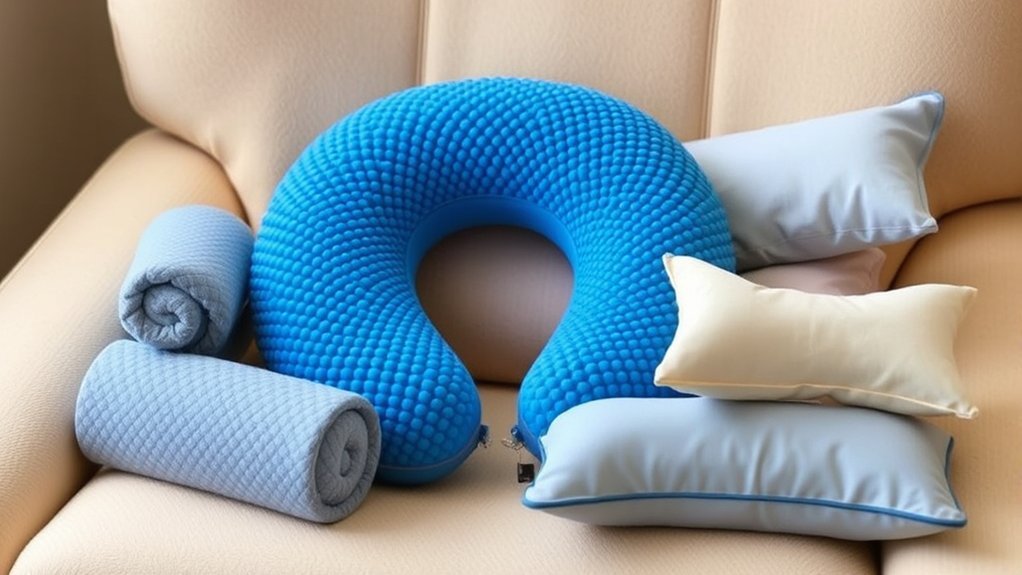
A microbead travel pillow is a lightweight, squishy travel accessory filled with thousands of tiny expanded polystyrene (EPS) beads that shift and conform to the contours of your head and neck. Designed to provide adjustable cervical support during transit, these pillows are popular among frequent flyers, road-trippers, and train commuters looking for a flexible, breathable alternative to rigid foam cushions.
Quick Answer
A microbead travel pillow uses thousands of tiny polystyrene pellets that shift and mold around your neck and head. It offers lightweight, medium-firm support that stays cooler than solid memory foam. It’s a good pick for short trips and casual naps, though it needs spot cleaning and gradually flattens with heavy use.
Key Takeaways
- Adjustable Support: EPS microbeads shift to reduce pressure points without the firm rebound of high-density foam.
- Cooling Feel: Small gaps between beads let air move through, which helps the pillow feel cooler than solid foam.
- Spot Clean Only: Never machine-wash the inner bead chamber; spot-clean it or wash a removable outer cover separately.
- Limited Lifespan: EPS beads gradually compress over roughly 1 to 3 years of regular travel and may eventually need replacing.
At a Glance
| Fill Material | Expanded Polystyrene (EPS) micro-pellets (0.5mm–1.5mm) |
| Average Weight | 4 to 8 ounces (110g to 225g) |
| Best Travel Scenario | Short-haul flights, bus rides, warm sleeping environments |
| Expected Lifespan | 1 to 3 years, depending on how often you travel |
| Typical Price Range | $10 to $30 for most retail models |
Disclosure: As an Amazon Associate I earn from qualifying purchases. Some links on this page are affiliate links, at no extra cost to you.
What’s a Microbead Travel Pillow and How Does It Work?

A microbead travel pillow is a neck support pillow packed with small, smooth expanded polystyrene (EPS) spheres. Unlike solid blocks of foam, these micro-pellets behave almost like a fluid inside an elastic spandex or nylon casing. When you rest your head against the pillow, the beads shift into the empty spaces around your neck and jaw.
Because the beads keep moving under pressure, the pillow spreads your head’s weight out instead of pushing back with firm resistance the way solid foam can. You can also reshape it by hand — squeezing or kneading the beads toward one side lets you adjust thickness and firmness on the spot.
Pro Tip: If your microbead pillow feels too firm under your neck, shake it gently toward one side to reduce bead volume near the center. This creates a custom cradle for your neck while building up supportive bolsters along your cheeks.
How to Choose the Right Microbead Travel Pillow
Not all microbead pillows are built the same, and picking the right shape and cover makes a real difference in comfort:
- Shape: U-shaped pillows suit upright sleepers who want side-to-side support; wrap-around or J-shaped designs work better if you tend to lean forward.
- Size: Compact “mini” versions pack down smaller for backpacks, while full-size U-shapes give more coverage on longer flights.
- Cover material: A removable, machine-washable cover (cotton, velour, or moisture-wicking fabric) makes upkeep much easier than a pillow with a sewn-in shell.
- Closure type: Snap or clip closures let you attach the pillow to a bag strap or convert it into a lumbar cushion when not in use.
Most microbead travel pillows retail for roughly $10 to $30, with higher prices generally reflecting better fabric covers, refillable bead chambers, or added memory-foam hybrid panels rather than dramatically different core comfort.
The Benefits of Using a Microbead Travel Pillow for Travel Comfort
Choosing the right neck support can help prevent travel fatigue and stiffness. Microbead pillows offer a few practical advantages worth knowing about:
- Adjustable Support: The micro-pellets shift as you move your head, which can help reduce sudden strain when dozing upright in a passenger seat.
- Cooler Feel: Solid foam can trap body heat against your skin. The small air gaps between microbeads let some airflow through, which many travelers find keeps the pillow feeling cooler.
- Light and Packable: Microbead pillows are mostly air by volume, which is why they typically weigh under 8 ounces and won’t add much bulk to your bag.
- Compressible: You can squeeze a microbead pillow into a tight backpack pocket or clip it to a suitcase handle without damaging its structure.
Best Travel Scenarios for Your Microbead Travel Pillow
Microbead travel pillows work in many settings, but their light weight, packability, and airflow make them especially useful in certain situations.
| Travel Scenario | Why a Microbead Pillow Excels |
|---|---|
| Short-haul flights | Ready to use instantly, with no inflation needed. |
| Road trips & car rides | Absorbs minor road vibration better than rigid inflatable cushions. |
| Buses and trains | Molds to narrow seating and tight passenger spaces. |
| Warm destinations | Better airflow between pellets helps reduce sweaty neck discomfort. |
| Budget-friendly travel | Affordable comfort option for occasional travelers. |
Note: Travel pillows, including microbead-filled models, are generally permitted in both carry-on bags and personal items under TSA screening guidelines, which don’t restrict pillows by fill type. Airline personal-item size limits still apply, so check your carrier’s policy before your trip.
Comparing Microbead Travel Pillow Types: Pros and Cons
To decide if a microbead pillow suits your travel style, compare it against popular alternative travel fills like high-density memory foam, inflatable vinyl, and natural buckwheat hulls.
| Pillow Type | Support Firmness | Breathability | Packability | Durability |
|---|---|---|---|---|
| Microbead | Medium-Soft / Fluid | High | Moderate | 1–3 Years |
| Memory Foam | Firm / Rigid | Low to Moderate | Low (Bulky) | 3–5 Years |
| Inflatable | Adjustable / Rigid | Low | High (Pocket-size) | Puncture Dependent |
| Buckwheat Hulls | Very Firm | High | Poor (Heavy) | 3–5+ Years |
Microbead pillows offer a middle ground: softer and cooler-feeling than solid memory foam, more cushioned than inflatables, and much lighter than heavy natural buckwheat hulls.
Ergonomic Positioning for Neck Support
Proper head positioning matters when sleeping upright in a plane or car seat. Letting your head drop too far to one side for extended periods can strain neck muscles and leave you sore when you wake up, according to general posture guidance summarized by the National Institutes of Health (NCBI).
To get better neck support from a U-shaped microbead pillow:
- Reverse-Positioning Method: Turn the pillow so the thick opening sits under your chin. This helps stop your head from dropping forward, a common cause of neck pain during upright sleep.
- Recline Alignment: If you’re leaning against a high seatback, push the beads toward the side arms of the pillow, leaving a thinner layer behind your neck so your head isn’t pushed forward.
Caring for Your Microbead Travel Pillow
Keeping your pillow clean matters for hygiene across multiple trips. Because polystyrene beads behave differently from standard cotton or polyester fill, follow these care steps:
- Spot Clean Only: Mix a few drops of mild dish detergent with lukewarm water. Dampen a microfiber cloth and gently rub surface spots on the main casing.
- Wash Outer Covers Separately: If your pillow has a zippered removable cover, take it off and machine wash on a cold, gentle cycle. Hang it up to air dry.
- Air Drying Only: Keep EPS microbead pillows away from direct high heat sources like clothes dryers, hair dryers, or radiators. Too much heat can melt or deform the polystyrene beads.
- End-of-Life Disposal: Once a pillow is too flattened or damaged to use, check with your local recycling program — some municipalities accept clean EPS foam for recycling, while others require it go in regular trash since curbside programs rarely accept it loose.
Warning: Never put an unsealed microbead pillow inside a washing machine or tumble dryer. Agitation can rupture the fabric seams, releasing thousands of static-charged beads into your machine and potentially into wastewater. See EPA guidance on plastic pollution hazards for more on why loose microplastics are a concern.
Frequently Asked Questions
Are Microbead Travel Pillows Machine Washable?
No, the inner core containing polystyrene beads should never go into a washing machine. Agitation can tear seams, leaking beads into your appliance. Only machine-wash the removable outer cover on a delicate cycle, and spot clean the inner cushion by hand.
How Long Do Microbead Travel Pillows Typically Last?
A quality microbead pillow typically lasts between 1 and 3 years with regular use. Frequent compression gradually flattens the expanded polystyrene beads, reducing their volume. Some higher-end models feature refill zippers that let you add fresh EPS beads to restore firmness.
Can Microbead Travel Pillows Cause Allergies?
Polystyrene beads themselves are inert and don’t attract dust mites, mold, or mildew the way natural fibers can. That said, skin oil buildup on an unwashed outer fabric can still cause irritation for some people. A hypoallergenic, washable cover helps prevent that.
Are There Eco-Friendly Alternatives to Microbead Travel Pillows?
Yes. If you’d rather avoid synthetic plastic fill, look for travel pillows made with organic buckwheat hulls, kapok tree fibers, natural shredded latex, or recycled cotton blends inside organic cotton or bamboo fabric covers.
What Is the Best Way to Store a Microbead Travel Pillow?
Store your microbead pillow uncompressed in a cool, dry, well-ventilated closet, ideally in a breathable cotton storage bag. Avoid tight compression sacks or damp storage spaces, since long-term crushing can permanently flatten the beads.
Conclusion
A microbead travel pillow combines light weight, custom contouring, and a cooler feel than solid foam alternatives. By choosing the right shape and cover, using good ergonomic positioning, and sticking to spot-cleaning methods, you can get the most out of the pillow and enjoy more comfortable, strain-free trips wherever you’re headed.
Sources
- Sleep Foundation — General guidance on travel pillow comfort and fill types.
- Transportation Security Administration (TSA) — Official carry-on luggage guidelines for travel accessories.
- U.S. Environmental Protection Agency (EPA) — Environmental impacts of expanded polystyrene and plastic microdebris.
- National Institutes of Health (NCBI) — Research background on posture and seated sleep positioning.
