
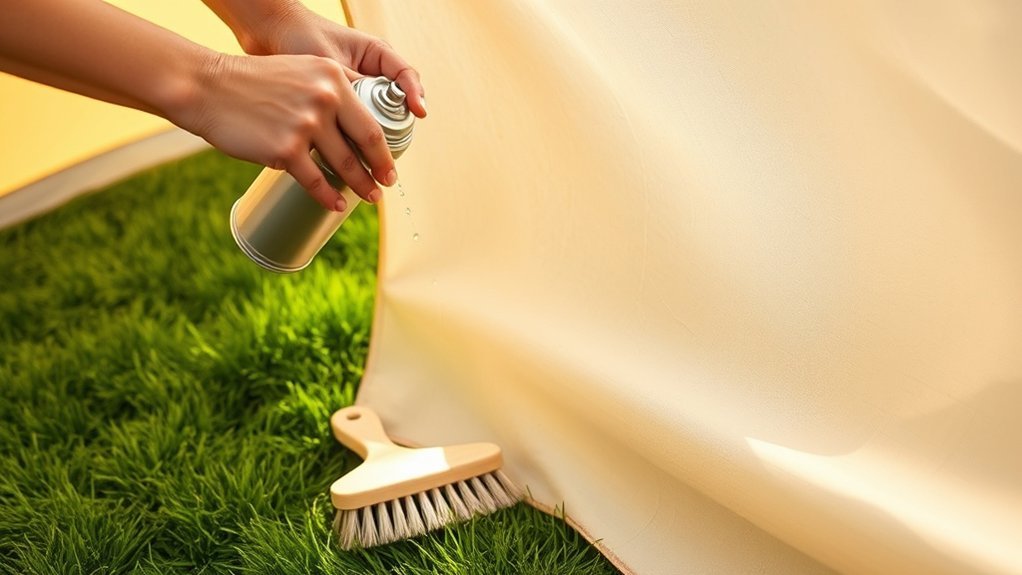
Re-waterproofing your tent rainfly doesn’t have to be complicated. Clean it with cold water and a non-abrasive sponge, remove any flaking with isopropyl alcohol, then apply a sealant like Seam Grip WP or SIL in a thin, even coat over the seams. Give it 24 hours to cure before storing. Follow these steps and your rainfly will stay waterproof for seasons to come.
Quick Answer
- Clean the rainfly with cold water and Revivex Pro Cleaner.
- Remove flaking old coating using isopropyl alcohol and a sponge.
- Apply the correct sealant for your fabric type, focusing on seams.
- Let it cure for at least 24 hours before storing.
Reasons for Resealing

When your tent’s rainfly starts flaking or peeling, the waterproofing is breaking down. Resealing isn’t just a precaution. It’s necessary for keeping your tent functional and your trips dry. Water leaking through is the most obvious sign you need to act.
Older tents or ones stored while damp are especially vulnerable. Regular resealing helps prevent costly water damage and stops mold from taking hold. Catching issues early also protects the tent’s structure before problems get serious.
Preparing the Tent
Before re-waterproofing, clean the rainfly thoroughly with cold water and Revivex Pro Cleaner to remove dirt and oils. Make sure it’s completely dry before you start. Work on a clean, flat surface to avoid picking up new contaminants.
Products Worth Considering
RESTORE GEAR PERFORMANCE & BREATHABILITY: Over time, dirt, pollen, and dust trap moisture on your gear, leading to "wet out" and reduced performance. This powerful, water-based cleaner removes deep-seated impurities to restore the original look and functionality of your technical equipment, ensuring it performs at its peak in any weather.
SPECIALLY FORMULATED FOR VINYL: Expertly crafted for commercial-grade vinyl products like party tents, wedding tents, event tents, ensuring top-tier care. Ideal for cleaning and maintaining large event structures, this cleaner is a must-have for professional event planners, rental businesses, and anyone passionate about keeping their vinyl structures pristine.
Highly Concentrated Formula – Clean up to 20 jackets or 5 sleeping bags with a 10 fl oz pouch; a 1-liter size delivers up to 66 washes for maximum value.
Clean Tent Thoroughly
Start by hand washing the tent with cold water and a non-abrasive sponge to lift dirt and oils. Add Revivex Pro Cleaner to tackle grime and mildew. Clean both the rainfly and the tent floor, since both collect dirt that interferes with waterproofing.
| Tent Cleaning Method | Recommended Sponge Type | Purpose |
|---|---|---|
| Hand Washing | Non-Abrasive Sponge | Remove dirt and oils |
| Spot Cleaning | Soft Cellulose Sponge | Target grime |
| Deep Cleaning | Microfiber Sponge | Mildew removal |
| Rinsing | Regular Sponge | Final clean |
| Drying | N/A | Prevent mold growth |
After cleaning, let both components dry completely in a shaded, well-ventilated spot.
Ensure Complete Dryness
A dry rainfly is non-negotiable before you apply any waterproofing. Leftover moisture causes sealant to fail and mold to form. Use these steps to get it right:
- Choose a clean, flat area: This prevents contamination from dirt and debris.
- Inspect for wear: Look for any damage that needs extra attention before applying waterproofing.
- Allow ample drying time: Rushing the process leads to moisture problems later.
Removing Old Coating
Check the rainfly for damage before removing the old coating. Dampen a dish sponge with isopropyl alcohol and gently work off any flaking material. Remove all residual flakes so the new sealant bonds properly.
Products Worth Considering
⚡ Bulk 500-Piece Pack – Perfect for electronics repair shops, engineers, and hobbyists needing a long-lasting supply of high-quality PCB cleaning pads.
2x Density Magic Sponge Erasers : The magic sponge eraser is made of environmental friendly melamine foam, no irritation. And nano-manufacturing technology makes the sponge deeply absorbs stubborn stains, cleanup without the scrubbing, surface of the object is more clean
Inspect for Damage
A thorough inspection before applying new waterproofing can prevent bigger problems down the road. Check for:
- Flaking or peeling fabric — signs that the old coating is compromised.
- Visible damage — areas where water could seep through during storms.
- Stubborn residue — old coating that needs careful removal to prepare for new sealant.
Use a sponge dampened with rubbing alcohol to remove the damaged coating. Focus on problem areas and use the abrasive side for stubborn flakes, but go gently to avoid damaging the fabric. A clean surface is what makes the new sealant stick.
Use Rubbing Alcohol
With the inspection done, you can start removing the old coating. Dampen a dish sponge with isopropyl alcohol and use the abrasive side to scrub away flaking or peeling material. Work gently so you don’t damage the fabric underneath.
| Step | Action | Purpose |
|---|---|---|
| Dampen Sponge | Use isopropyl alcohol | Break down old coatings |
| Scrub Gently | Focus on damaged areas | Avoid fabric damage |
| Allow to Dry | Dry thoroughly | Guarantee ideal adhesion for new sealant |
Let the rainfly dry completely before moving on to the new waterproofing treatment.
Remove Residual Flakes
Removing all residual flakes is key to getting the new waterproofing to bond properly. Use these steps:
- Dampen a dish sponge with isopropyl alcohol to soften the old coating.
- Gently scrub with the abrasive side of the sponge, making sure not to damage the fabric.
- Clean off all remnants thoroughly, as even small flakes can hinder adhesion.
Be careful not to scrub too hard, as this can damage the fabric. Once the old coating is off, let the rainfly dry completely before applying the new waterproofing layer.
Applying New Sealant
Before applying sealant, confirm the rainfly is clean and completely dry. A dry surface promotes strong adhesion and prevents mold. Choose the right product for your fabric type. Silicone-based sealants work well on silnylon and lightweight fabrics, while polyurethane is better for seams and stitching. Work in a well-ventilated area to avoid fumes.
Apply a thin, consistent coat and focus on the seams. Use a brush or applicator for better control. Wipe off any excess with a clean rag right away to prevent clumping.
Let the sealant cure for at least 24 hours before storing the rainfly. That curing time is what creates a reliable waterproof barrier.
Products Worth Considering
Seal up to 24 ft of seams with 1.5 oz of this durable, clear adhesive that bonds permanently to silicone-treated (silynylon) tents
Plug Any Void –– Easily patch large cracks with confidence when using this thick auto seam sealer. This single-component panel bond compound provides superior adhesion on bare, primed, or painted metal surfaces on your vehicle or RV. Seam sealer is black in color.
PROFESSIONAL-GRADE STRENGTH: GleamGlee Flexible Repair Glue is a powerful, professional-grade adhesive designed specifically for tent repairs and surface sealing. Unlike regular glues, it’s both highly flexible and waterproof, making it perfect for fixing gaps, tears, and holes in a variety of materials such as nylon, vinyl, and canvas. This glue forms a durable, long-lasting bond, ensuring your gear stays in top condition during camping trips and outdoor adventures.
Final Steps and Maintenance
A few final steps after re-waterproofing will keep your rainfly in good shape for the long run:
Follow these final steps after re-waterproofing to keep your rainfly reliable.
- Drying Time: Let the rainfly dry for at least 24 hours. This gives the waterproof coating time to set properly.
- Dusting: Lightly dust the rainfly with baby powder before storing to reduce tackiness and keep it from sticking to itself.
- DWR Refresh: After resealing, refresh the Durable Water Repellent (DWR) coating with a spray-on product like Revivex or Nikwax TX.Direct for added water resistance.
Store the rainfly in a clean, dry spot and make sure it’s fully dry before packing it away. Check it regularly for flaking or peeling, and reseal whenever you spot early signs of wear.
Choosing the Right Sealant
The right sealant depends on your rainfly’s fabric. Using the wrong product can damage the material or fail to bond. Always check fabric compatibility before buying.
| Sealant Type | Best For | Key Features |
|---|---|---|
| Seam Grip WP | Synthetic fabrics | Good adhesion, waterproof |
| Seam Grip SIL | Silnylon/silicone-treated | Flexible, ideal for lightweight |
| Seam Grip FC | Larger treated areas | Quick-drying, fast repairs |
Pick a sealant that matches your rainfly’s existing coating. A compatible product bonds better and holds up under the stress of outdoor use.
Products Worth Considering
Seal up to 60 ft of seams on tents, tarps and awnings with this water-based seam sealant; cures in 2 hours at room temperature
Seal up to 85 sq. ft. of nylon tent floors, rainflies and tarps with this 4 fl oz tent sealer; previously known as Tent Sure
Seal up to 85 sq. ft. of nylon tent floors, rainflies and tarps with this 4 fl oz tent sealer; previously known as Tent Sure
Tips for Effective Application
Cleaning and drying are only part of the job. How you apply the waterproofing matters too. Follow these steps for the best results:
- Clean Thoroughly: Use Revivex Pro Cleaner and a non-abrasive sponge to remove dirt and oils. A clean surface helps the waterproofing bond properly.
- Apply Evenly: Spray a thin, even coat of Revivex DWR Spray on the dry rainfly. Work in a well-ventilated area.
- Allow to Cure: Give the new waterproofing layer at least 24 hours to cure before packing the rainfly away. Skipping this step shortens how long the protection lasts.
Testing Your Rainfly After Resealing
Once the sealant has cured, test the rainfly before your next trip to confirm the waterproofing worked. The simplest method is the water bead test: spray or pour water over the surface and watch what happens. Water should bead up and roll off. If it soaks into the fabric instead, the coating needs another pass or the DWR layer may need refreshing.
For seam-specific testing, run water directly along the seams and check the underside for drips or damp spots. Catching a failure at home is far better than finding out in a rainstorm. If a seam is still leaking after one application, let it dry fully and apply a second thin coat.
Products Worth Considering
The only waterproofer designed to protect against UV damage and enhance water repellency of all weatherproof textiles.
12 percent silicone formula creates durable, long lasting waterproof bond to repel water, dirt and oil
ULTIMATE PROTECTION FOR OUTDOOR FABRICS - Marine grade protection for boat covers, car covers, bimini tops, sail covers, tents, jackets, backpacks, boots, awnings, and patio covers
Storing Your Tent Properly
Once the waterproofing treatment is done, store your tent correctly to protect your work. Always dry the tent completely before packing it away. UV exposure damages fabric over time, so store it somewhere cool and away from direct sunlight. Roll the tent loosely rather than folding it in the same spots each time to reduce fabric stress.
Use a breathable storage bag instead of a plastic one so moisture can escape and mildew doesn’t form. Check the tent periodically for wear or damage, and do any maintenance before your next trip. These habits add years to your tent’s life.
Maintaining Tent Integrity Over Time
Regular maintenance is what keeps a tent performing for years. Here are three habits worth building:
- Reseal seams and re-coat the tent floor: This prevents leaks and extends your tent’s lifespan, especially if you notice peeling fabric.
- Thoroughly clean your tent: Dirt and oil interfere with sealants and waterproofing. A clean surface is the foundation of any maintenance work.
- Store your tent properly: Pack it away only when it’s completely dry to prevent mold and keep the fabric in good shape.
Frequently Asked Questions
How Often Should I Re-Waterproof My Tent Rainfly?
Re-waterproof your rainfly at least once a season, and always before heavy use. Making it part of your pre-trip routine is the simplest way to stay ahead of wear.
Can I Use Any Sealant for My Tent Rainfly?
No. The sealant needs to match your tent’s fabric type. Using the wrong product is a common reason gear still leaks after resealing. Always choose a sealant designed for your specific tent material.
What Should I Do if My Rainfly Is Already Damaged?
If the rainfly is already damaged, start by identifying the fabric type. Use adhesive patches or seam sealants made for outdoor gear, and make sure the area is clean and dry before applying anything.
Is It Safe to Use Bleach When Cleaning My Rainfly?
No. Bleach damages the fabric and strips the waterproof coating. Use bleach alternatives like vinegar or mild soap instead.
How Can I Tell if My Rainfly Needs Re-Waterproofing?
Check your rainfly regularly. Water should bead up and roll off the surface. If it soaks in instead, or you notice stains and discoloration, it’s time to reapply.
Conclusion
Re-waterproofing your tent rainfly is straightforward if you do it in the right order. Clean it, remove the old coating, apply the right sealant, and give it time to cure. A little attention between trips keeps the rainfly reliable when the weather turns. Stored correctly and maintained regularly, a good rainfly lasts for years.