
Last Updated on September 11, 2026 by Daniel Globe
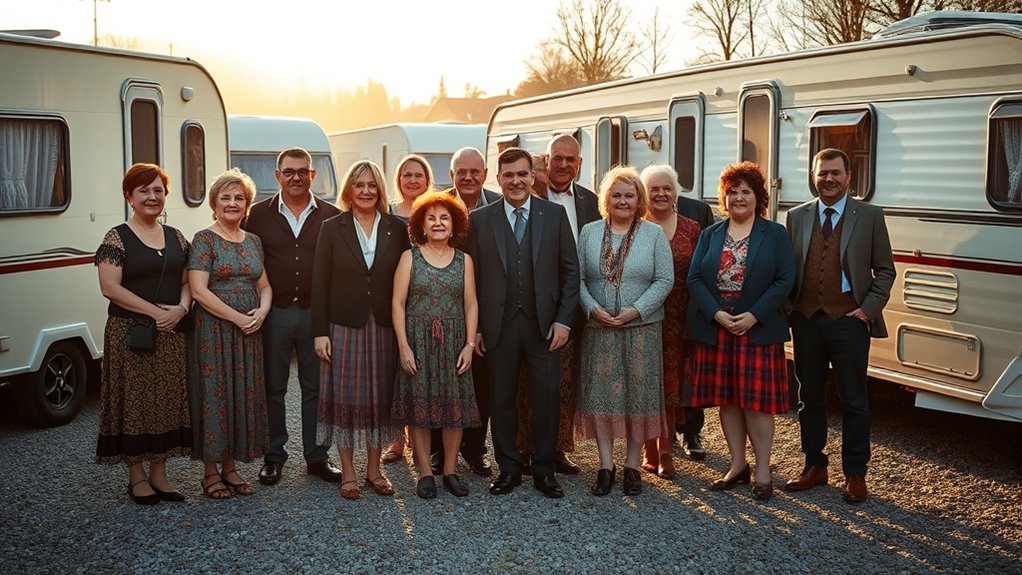
Traveller fashion is best understood as clothing worn by people from distinct Traveller communities, not as one fixed look. Personal taste, age, location, faith, family customs, budget, and the occasion all matter. Some highly decorated wedding outfits have received wide media attention, but they represent only one part of a much broader and more varied clothing culture.
Quick Answer
Traveller fashion is not one uniform style. Among Irish Travellers and other Traveller groups, dress varies by person, place, generation, faith, and occasion. Some weddings feature highly customised gowns and polished formalwear, while everyday clothing may look much like anyone else’s. Specific descriptions are more accurate than broad stereotypes.
Key Takeaways
- There is no single Traveller dress code or universal Traveller outfit.
- Elaborate wedding fashion is visible in the media, but it should not define an entire community.
- Irish Travellers, Romani people, and other Traveller groups have different histories and identities.
- Religion and family expectations may affect clothing choices in some households, but practices vary.
- Respectful discussion uses the person’s preferred identity and describes the actual garment instead of relying on stereotypes.
Disclosure: As an Amazon Associate I earn from qualifying purchases. Some links on this page are affiliate links, at no extra cost to you.
What Is Traveller Fashion?
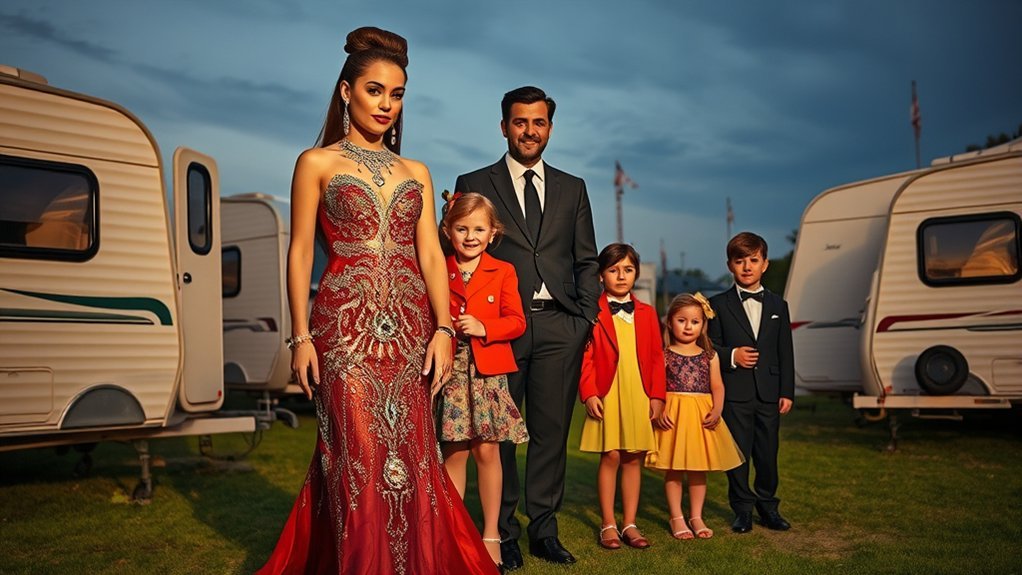
Traveller fashion refers broadly to the clothing and styling choices found among Traveller communities. The phrase needs care because “Traveller” can describe several distinct groups. Irish Travellers are a recognised ethnic group with their own shared history, culture, traditions, and identity. Other groups, including Scottish Gypsy/Travellers, English Romanichal Gypsies, Welsh Gypsies, Showpeople, New Travellers, and others, have different backgrounds and may not describe themselves in the same way.
Pavee Point Traveller and Roma Centre describes Irish Traveller culture as distinctive and diverse. That diversity also applies to clothes. A person may dress for comfort on an ordinary day, choose conservative clothing for a religious event, wear a carefully coordinated outfit to a fair, or commission formalwear for a wedding. None of those choices represents every Traveller.
Note: “Traveller,” “Irish Traveller,” “Romani,” “Roma,” “Romanichal,” and “Gypsy” are not interchangeable labels. Use the identity a person or community uses for itself.
Why Some Traveller Occasionwear Looks Bold
Some Traveller occasionwear uses vivid colours, fitted tailoring, large skirts, crystals, lace, embroidery, structured hats, jewellery, and coordinated accessories. These details may reflect the importance of the event, the wearer’s taste, current fashion, family involvement, or the work of a specialist dressmaker. They should not be treated as a required cultural uniform.
Television and tabloid coverage often select the largest or most decorated outfits because they attract attention. This can make exceptional clothing appear ordinary or universal. Academic work on Gypsy and Traveller fashion identity has questioned whether the dress of English Gypsy and Irish Traveller women can be fixed into one collective definition. A safer conclusion is that clothing can express identity, but it does not provide a simple checklist for identifying someone’s ethnicity.
There is no single Traveller uniform. Occasion, personality, family, location, and changing fashion trends all shape what a person wears.
Everyday Clothing, Men’s Fashion, and Generational Change
Everyday Traveller clothing receives far less attention than wedding fashion. In practice, daily outfits may include jeans, tracksuits, dresses, skirts, shirts, trainers, workwear, school clothing, and popular high-street brands. Choices depend on the person’s job, age, budget, comfort, and local fashion just as they do in other communities.
Men’s fashion is also part of the picture. At weddings, funerals, religious occasions, and family gatherings, some men may choose sharp suits, polished shoes, watches, chains, or coordinated accessories. On ordinary days, clothing may be casual or practical. Younger people may follow social-media trends, while older relatives may prefer familiar cuts or more formal presentation. These differences show why a wedding dress cannot stand in for a whole community’s fashion.
Traditions Behind Traveller Wedding Outfits
Weddings can be important family and social occasions, and clothing may receive careful attention. Some brides choose custom gowns with dramatic volume, sparkle, embroidery, or a strong colour theme. Others choose simpler or more conventional bridal styles. Grooms may wear formal suits, and relatives may coordinate their outfits or commission clothing for the occasion.
Wedding Dress Symbolism
A wedding outfit can express celebration, personal taste, family pride, religious meaning, and the formality of the day. Colour, fabric, shape, and decoration may be chosen because the bride likes them, because they fit a theme, or because they carry meaning within a particular family. It is not accurate to assign one fixed meaning to every bright colour, crystal, or large skirt.
- Custom details can make the outfit feel personal.
- Formal clothing can show the importance of the event.
- Family members may help with planning and styling.
- Modern trends can appear alongside familiar traditions.
The original article’s repeated claim that Traveller wedding dresses commonly cost $30,000 to $100,000 is not supported by a reliable community-wide source. Bespoke clothing can vary greatly in price, but a spectacular television example should not be presented as a normal price range.
Brides, Families, and Personal Choice
Family members may take part in choosing a dress, arranging fittings, or coordinating the wedding party. The amount of family involvement differs from one household to another. It is important not to describe Traveller brides as a single group with the same age, goals, or level of independence.
Warning: Do not repeat claims that Traveller girls generally marry at 14 or that dressing is designed to “attract a husband.” Those claims stereotype minors and ignore differences in law and individual experience. In Ireland, a person must be at least 18 on the date of a legal marriage.
Colour, Sequins, and Presentation
Colour and embellishment can make formalwear highly visible, but their meaning depends on context. Pink, blue, red, white, gold, or another colour may be chosen for a theme, a personal preference, or coordination with the wedding party. Sequins and crystals may simply provide the finish the wearer wants.
It is reasonable to say that an outfit can communicate care, celebration, or confidence. It is not reasonable to assume that every expensive-looking garment proves wealth, social competition, desirability, or status. Those interpretations need evidence from the wearer, not guesses based on appearance.
How Religion May Influence Traveller Fashion
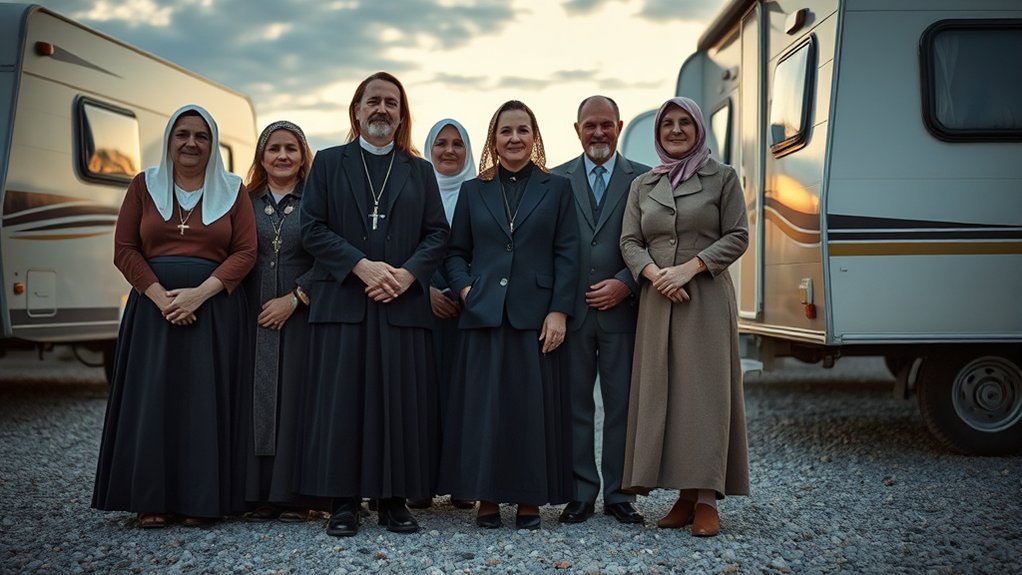
Religion can influence clothing in some Traveller families, especially for church services, communions, confirmations, weddings, funerals, and feast days. The influence is not identical across all communities or households. Some people may prefer covered shoulders, longer hems, formal shoes, religious jewellery, or a polished Sunday outfit. Others may make different choices.
Modesty and Family Expectations
Ideas about modesty may come from faith, family custom, personal comfort, or the expectations of a particular event. These ideas can also change across generations. A young person may combine a conservative silhouette with current hair, makeup, accessories, or footwear. Another person may not follow a distinct modesty code at all.
- Modesty is not measured by one fixed hemline.
- Religious practice varies among individuals and families.
- Formal clothing can be expressive without being revealing.
- Personal choice should not be replaced by assumptions about the community.
Church and Ceremony Clothing
People often dress more formally for worship and major ceremonies than they do for daily life. In some Traveller families, that may mean a dress or suit, polished footwear, jewellery, a hat, or carefully styled hair. These choices can show respect for the occasion, but they are not proof of a universal Traveller church dress tradition.
Faith and Identity
For a person who sees faith as central to life, clothing may help express reverence, family continuity, or belonging. Crosses, medals, communion clothing, and wedding attire may have religious as well as personal meaning. The best explanation comes from the wearer. Observers should avoid turning a private belief or family practice into a claim about all Travellers.
Traveller vs. Roma Fashion
Irish Travellers and Romani people are distinct ethnic groups. Roma is also an umbrella term covering many communities with different languages, histories, and regional traditions. There is no single “Roma outfit,” just as there is no single Traveller outfit. The comparison should begin with identity and history, not a list of visual stereotypes.
| Community or term | What to understand | Better way to discuss clothing |
|---|---|---|
| Irish Travellers | A distinct ethnic group with Irish roots, shared heritage, and varied individual lives. | Describe the specific person, event, garment, and stated meaning. |
| Romani or Roma communities | Diverse peoples and communities across many countries. Customs and clothing vary widely. | Use the person’s preferred group name and avoid presenting one regional style as universal. |
| Other Traveller groups | The term can include several ethnic, cultural, occupational, or nomadic groups, depending on country and context. | Name the community accurately instead of using “Traveller” as a visual category. |
The UK Parliament’s Women and Equalities Committee notes that these umbrella terms cover diverse groups and that people do not all use the same labels. The Council of Europe’s terminology also treats Roma and Travellers as a broad field containing many distinct groups rather than one culture with one style.
Why Media Gets Traveller Fashion Wrong
Media coverage often focuses on the most visually dramatic wedding, party, or communion outfits. This creates a narrow picture in which women appear wedding-obsessed, men are reduced to other stereotypes, and everyday clothing disappears. The Traveller Movement has argued that these portrayals can make it harder for the public to see Traveller and Roma women as varied individuals with different careers, interests, and ambitions.
- Spectacular examples receive more coverage than ordinary daily life.
- One family’s clothing choices may be presented as a community rule.
- Editing can remove the wearer’s own explanation and social context.
- Repeated images can shape prejudice beyond fashion.
Media criticism does not mean that elaborate outfits are false or unimportant. It means they should be shown as the choices of real people in a specific setting, not as proof that every Traveller dresses, believes, or lives the same way.
How to Discuss Traveller Fashion Respectfully
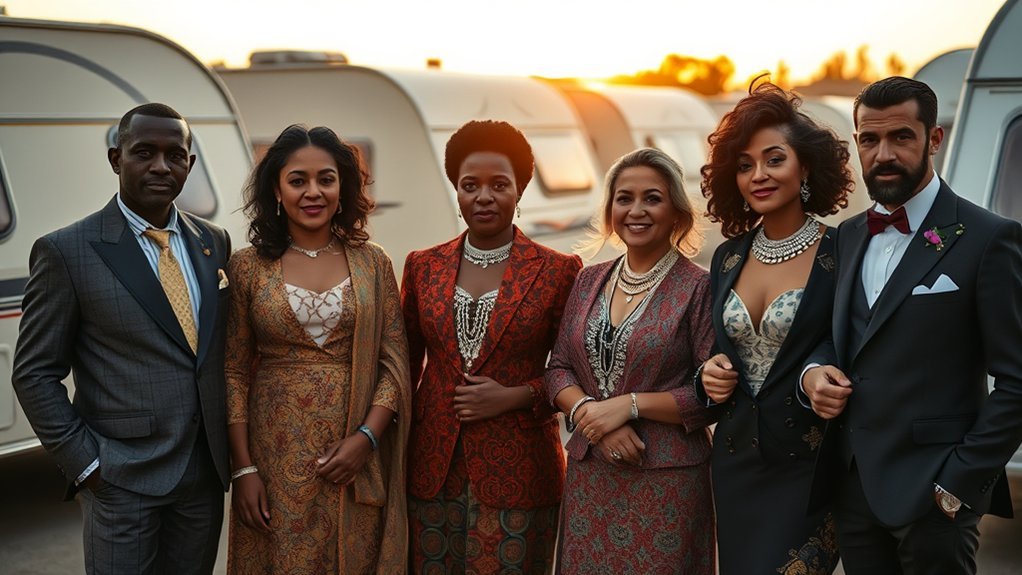
You can admire an outfit without turning the wearer into a stereotype. Start with what you can actually see, such as the fabric, cut, colour, embroidery, tailoring, accessories, or level of formality. Then use cultural labels only when they are relevant and accurate.
- Ask or check the preferred identity. Some people identify proudly as Gypsy, while others find the word offensive or inaccurate.
- Name the specific community. “Irish Traveller,” “Romani,” or another accurate term is better than treating all groups as the same.
- Describe rather than diagnose. Say “a crystal-embellished custom gown” instead of claiming the dress proves wealth, modesty, or marital readiness.
- Do not copy sacred or identity-specific symbols casually. Learn what an item means before using it as a costume or trend.
- Listen to community voices. A wearer, designer, historian, or community organisation can explain meaning better than a television stereotype.
Pro Tip: When you do not know the wearer’s background, describe the outfit itself. “Bright floral maxi dress,” “layered boho dress,” or “custom crystal wedding gown” is clearer and more respectful than assigning an ethnic label.
Cultural Appreciation Without Stereotyping
Fashion often crosses communities, and people can enjoy colour, embroidery, layered skirts, statement jewellery, or dramatic formalwear without claiming to represent Traveller or Romani culture. The key is to avoid presenting a generic bohemian look as an authentic ethnic costume.
Credit a named designer or maker when you know who created the garment. Buy directly from community artists and businesses when possible. Do not use a person’s ethnicity as a costume theme, and do not assume that a commercial product labelled “gypsy style” reflects the clothing of any real Traveller or Romani community.
Frequently Asked Questions
What is a “Gypsy dress” called?
There is no single culturally correct garment called a “Gypsy dress.” For a commercial fashion item, terms such as boho dress, tiered maxi dress, peasant dress, or embroidered folk-inspired dress are usually more precise. For clothing worn by a specific person, use the community name and garment description they prefer.
What does “Gypsy style” mean in fashion?
Retailers have often used the phrase for loose, colourful, layered, or bohemian clothing. It is vague and may be offensive or misleading because it turns diverse ethnic identities into a trend label. “Boho,” “folk-inspired,” “tiered,” “embroidered,” or another garment-specific term is clearer.
How can I dress in a similar bohemian style respectfully?
Choose the elements you like, such as a flowing skirt, embroidered blouse, floral print, scarf, or layered jewellery, and describe the outfit as bohemian or folk-inspired. Avoid calling yourself a member of an ethnic group, copying sacred symbols, or presenting the outfit as an authentic Traveller or Romani costume.
What is a “Gypsy-style dress”?
In online shopping, the label usually refers to a boho dress with a loose shape, tiers, ruffles, prints, or embroidery. It is a marketing term, not the name of one traditional garment shared by all Gypsy, Traveller, or Romani communities.
Do all Traveller brides wear large, sparkling gowns?
No. Some brides choose highly decorated custom gowns, while others choose simpler, conventional, religious, or contemporary styles. Television has made the most dramatic examples highly visible, but those examples do not create a rule for every bride or family.
Are Traveller and Roma fashion the same?
No. Irish Travellers and Romani people have different histories and identities, and both categories contain wide internal diversity. Clothing should be discussed by the specific person, community, region, and occasion rather than merged into one visual style.
Conclusion
Traveller fashion is not a costume, a price tag, or a single wedding silhouette. It is part of individual lives shaped by taste, occasion, family, faith, location, and changing trends. You can appreciate a bold gown, a formal suit, a modest church outfit, or casual daily clothing without treating one example as a rule. Accurate names, specific descriptions, and community voices lead to a more respectful understanding.
Sources
- Pavee Point Traveller and Roma Centre: Heritage Programme – Irish Traveller identity, history, cultural diversity, and representation.
- Government of Ireland: Recognition of Travellers as an Ethnic Group – official recognition of distinct Traveller identity, heritage, culture, and traditions.
- Fashion, Style & Popular Culture: Exploring the Fashion Identity of Gypsy and Traveller Women – research cautioning against fixing diverse dress into one collective cultural definition.
- UK Parliament Women and Equalities Committee: Terminology – distinctions among Gypsy, Roma, Irish Traveller, and other Traveller groups, including varied preferences for the word “Gypsy.”
- The Traveller Movement: Media Representations of Gypsy, Roma and Irish Traveller Women – how narrow media portrayals can reinforce harmful stereotypes.
- Government of Ireland: Impediments to Marriage – official minimum legal marriage age in Ireland.
