

Last Updated on July 24, 2026 by Ethan Caldwell
The best road trip outfit should feel comfortable while you sit, drive, walk, and handle changing temperatures. Start with a soft top, flexible bottoms, a removable layer, and secure shoes you can walk in. Choose pieces that work together after the drive, so you can stop at a restaurant, explore a town, or take a short trail without changing your entire outfit.
Quick Answer
The best road trip outfit combines a breathable or quick-dry top, stretchy pants or shorts, a removable cardigan or jacket, and secure flat shoes. Avoid stiff waistbands, bulky accessories, and anything that limits movement. Keep one weather-ready layer and a small backup outfit within easy reach.
Key Takeaways
- Choose soft clothes with a flexible waistband and enough room to sit comfortably for several hours.
- Wear light layers so you can adjust to air conditioning, outdoor heat, rain, or colder destinations.
- Drivers should wear secure, flat shoes that stay on their feet and allow steady pedal control.
- Pack clothing that can move from the car to restaurants, sightseeing stops, and short outdoor detours.
- Keep a clean top, underwear, socks, and weather layer in a small bag inside the car.
Disclosure: As an Amazon Associate I earn from qualifying purchases. Some links on this page are affiliate links, at no extra cost to you.
Choose the Best Road Trip Outfit
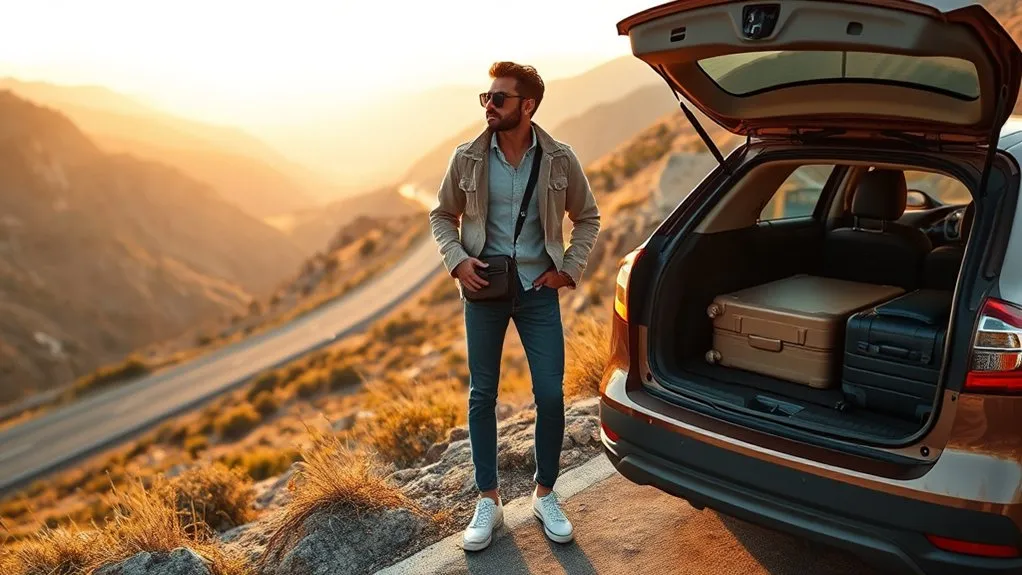
Start with clothes that remain comfortable after several hours of sitting. A soft T-shirt, relaxed knit top, or lightweight button-up works well for most routes. Pair it with joggers, leggings, pull-on trousers, flexible jeans, or shorts that do not pinch your waist when seated.
A matching lounge set can make outfit planning easier, but it saves space only when you can wear the top and bottom separately with other pieces. Neutral shades such as black, navy, gray, tan, cream, or olive make this easier. Color is still welcome, especially when one brighter shirt, scarf, or jacket works with the rest of your travel wardrobe.
Add a cardigan, overshirt, hoodie, or light jacket that is easy to remove. The ideal layer should fit beside you or inside a day bag rather than taking over the passenger area. Finish with secure sneakers, loafers, or another flat walking shoe.
| Outfit Part | Good Options | What to Check |
|---|---|---|
| Top | T-shirt, knit top, tank with an overshirt, or casual button-up | Soft seams, easy movement, and suitable coverage for planned stops |
| Bottom | Joggers, leggings, pull-on trousers, flexible jeans, or relaxed shorts | A waistband that stays comfortable when seated |
| Layer | Cardigan, hoodie, overshirt, fleece, or packable shell | Easy to remove and small enough to store nearby |
| Shoes | Secure sneakers, loafers, walking shoes, or supportive flats | Stable sole, comfortable fit, and secure heel |
| Accessories | Crossbody bag, sunglasses, hat, scarf, and reusable bottle | Nothing that blocks the driver’s view or interferes with the seat belt |
Pro Tip: Sit in your planned outfit for 10 minutes before packing. Check the waistband, shoulder seams, pockets, hems, and jacket bulk. An outfit that feels fine while standing may become uncomfortable in the car.
Pack Road Trip Outfits by Weather
Road-trip weather can change several times in one day, especially when your route crosses mountains, coastlines, deserts, or different elevations. Build each outfit around a comfortable base and keep one useful outer layer within reach. Check the forecast for your destination and the places you will pass through, not only your departure point.
Weather-Ready Layers
A simple three-layer system works for many trips: begin with a comfortable base, add a warm or polished middle layer, and carry an outer shell when wind or rain is possible. You may not need to wear all three layers at the same time.
| Piece | Why It Works | Best Use |
|---|---|---|
| Base layer | Provides comfort next to the skin and works alone in warm conditions | Warm cars, summer stops, and indoor visits |
| Midlayer | Adds warmth without requiring a heavy coat | Air-conditioned cabins, cool mornings, and evening stops |
| Outer shell | Helps block wind or light rain | Rainy detours, exposed viewpoints, and unpredictable weather |
| Secure shoes | Work for walking and remain stable during driving | Fuel stops, restaurants, city walks, and short trails |
| Hat or scarf | Adds targeted protection without another bulky garment | Sunny overlooks, cold mornings, and windy stops |
Comfort-First Fabrics
Choose fabric according to the weather and your activity. Cotton and linen can feel airy during dry, warm conditions, but ordinary cotton absorbs moisture and may remain damp. When you expect humidity, heavy sweating, or an active detour, choose a garment specifically labeled moisture-wicking or quick-dry. A study indexed by PubMed found that the tested synthetic moisture-wicking shirt retained less sweat than the cotton comparison shirt.
Modal and soft jersey can work well for relaxed driving because they usually feel smooth and flexible. In cold weather, merino wool, thermal knits, fleece, and insulated outerwear can add warmth. A small amount of elastane or spandex may improve stretch, but the garment should still fit comfortably without pressing into your waist, knees, or shoulders.
Seasonal Road Trip Outfit Ideas
- Summer: Wear a loose T-shirt or tank, lightweight shorts or pull-on trousers, secure breathable shoes, and a thin overshirt for strong air conditioning.
- Spring: Combine a short-sleeve base, relaxed pants, cardigan, and water-resistant shell. Keep dry socks in your backup bag.
- Fall: Try a long-sleeve tee, flexible jeans or joggers, an overshirt, and walking sneakers. Add a scarf for cold outdoor stops.
- Winter: Use a thermal base, comfortable trousers, fleece or knit midlayer, warm socks, and weather-appropriate shoes. Store your heavy coat where you can reach it during an emergency stop.
- Rainy weather: Choose quick-dry trousers, a light rain shell, shoes with useful traction, and a separate bag for wet items.
Note: A heavy coat may feel restrictive behind the wheel. Adjust or remove bulky layers when the vehicle is warm, but keep winter protection inside the passenger compartment in case you must leave the car.
Build Road Trip Layers for Comfort
Begin with a base layer that feels smooth against your skin. Add a cardigan, hoodie, fleece, or overshirt when the cabin becomes cool. Choose bottoms with enough stretch for sitting, getting in and out of the car, and walking at stops. Wide-leg trousers can work, but the hem should not drag near the pedals if you are driving.
Clothing can improve comfort, but it does not replace movement. For travel lasting more than four hours, the CDC recommends moving your legs regularly. When possible, stop safely, get out, and walk or stretch. Drivers should never stretch, adjust clothing, or remove shoes while the vehicle is moving.
For long trips, plan safe stops where everyone can walk, stretch, use the restroom, and reset before returning to the road.
Warning: Compression socks are not necessary for every traveler. If you have a history of blood clots, recent surgery, pregnancy, limited mobility, or another risk factor, ask a healthcare professional whether properly fitted graduated compression stockings are appropriate for you.
A soft scarf can add warmth, but keep long scarves, cords, and loose accessories away from the steering wheel, gear selector, and pedals. Store anything that becomes distracting before you begin driving.
Pick Shoes That Make Pit Stops Easy
Your road-trip shoes should work inside the car and at the places you plan to visit. Secure sneakers, loafers, walking shoes, and supportive flats are practical because they can handle fuel stations, cafés, sidewalks, and short sightseeing walks.
Look for a stable sole, enough toe room, and a heel that stays in place. Drivers should avoid shoes that slide off easily, very high heels, unstable platforms, or thick soles that make the pedals difficult to feel. Backless slides may be convenient for passengers, but they are not the best driving choice when they shift around your foot.
Breathable canvas or mesh can help in warm weather. In rain or snow, choose footwear with appropriate coverage and traction. Keep a separate pair of trail shoes or boots in the car when your main outfit needs to remain clean for city stops.
Pro Tip: Do not drive barefoot or try to change shoes while moving. Pull over and park safely before adjusting footwear.
What Not to Wear on a Long Car Ride
You do not need to avoid a specific style, but some items are harder to manage during a long drive. Test anything unfamiliar before departure and reconsider pieces that create pressure, restrict movement, or interfere with driving.
- Very tight waistbands: They can become uncomfortable after meals and several hours of sitting.
- Stiff, heavy denim: Flexible jeans may work, but rigid fabric and thick seams can press against your body.
- Bulky belts and large buckles: These may sit directly beneath the seat belt.
- Long hems: Maxi skirts, wide trousers, and loose cords should stay clear of the pedals.
- Unstable driving shoes: Loose slides, high heels, or heavy platforms may reduce secure pedal control.
- Complicated one-piece outfits: Jumpsuits and rompers can be comfortable, but they may slow down restroom stops.
- Large hats while driving: Remove any hat that blocks mirrors, peripheral vision, or the headrest.
Road Trip Outfit Ideas for Common Stops
Easy All-Day Driving Outfit
Pair a soft T-shirt with pull-on trousers or joggers, a zip cardigan, and secure sneakers. This formula is comfortable for long stretches and still looks neat at casual restaurants.
Summer Scenic-Route Outfit
Wear a lightweight top, relaxed shorts, breathable walking shoes, and an overshirt. Add sunglasses and a brimmed hat for outdoor stops, but remove the hat if it affects your view while driving.
Cold-Weather Road Trip Outfit
Start with a thermal shirt, flexible trousers, warm socks, and a fleece midlayer. Keep a coat, gloves, and weather-resistant shoes nearby for outdoor stops or unexpected delays.
City-Stop Road Trip Outfit
Try a knit top, pull-on trousers, loafers or clean sneakers, and a light structured jacket. A crossbody bag makes it easier to carry your phone, wallet, and keys while walking.
Outdoor-Detour Outfit
Choose a quick-dry top, flexible hiking trousers or leggings, trail shoes, and a packable shell. Store muddy footwear and damp clothing in a separate washable bag.
Overnight Road Trip Outfit
Wear soft separates that can also serve as sleepwear, such as a clean T-shirt and relaxed joggers. Pack fresh underwear, socks, and a second top so you can change quickly the next morning.
Pack for City Stops and Detours
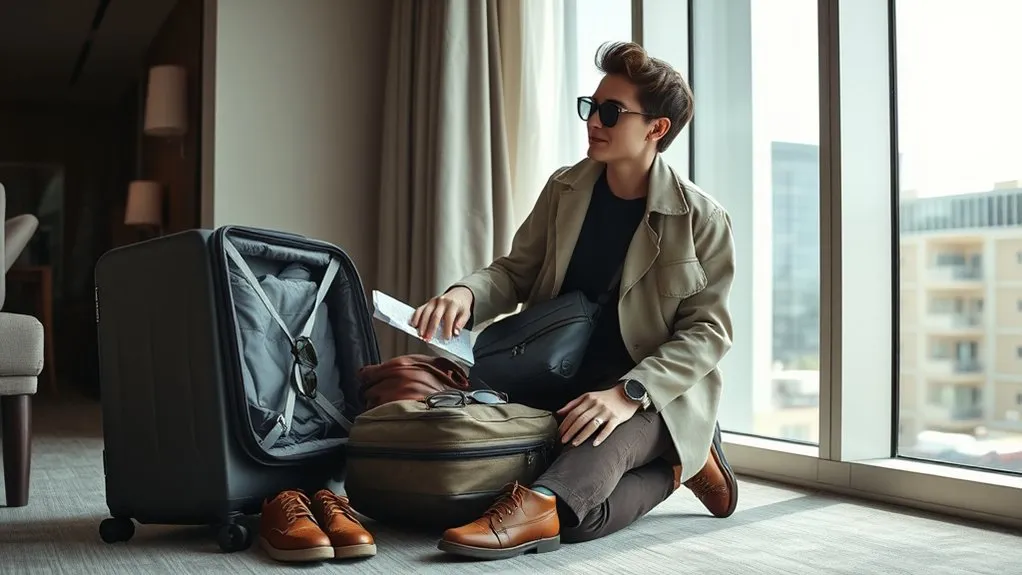
City stops and unexpected detours call for clothes that can handle more than the drive. Choose a breathable top, a removable layer, comfortable trousers or a casual dress, and shoes suitable for walking. Wrinkle-resistant pieces can help your outfit look tidy after sitting for several hours.
A small capsule wardrobe reduces unnecessary packing. Pick tops and bottoms that share a simple color palette, then add one jacket or overshirt that works with every outfit. You do not have to wear only neutral colors. The goal is compatibility, not a strict color rule.
Think about the activities along your route. A museum or restaurant may call for a cleaner layer and polished shoes. A beach stop may require sandals, a cover-up, and a bag for wet clothing. A short hike may require trail shoes, sun protection, and a quick-dry top.
Pack a Small Backup Outfit Kit
Keep one small clothing bag inside the car instead of burying every item in the trunk. It can help after spills, rain, unexpected heat, an overnight delay, or a change in plans.
- One clean T-shirt or lightweight top
- One pair of underwear
- One pair of socks
- A packable warm or rain layer
- A small bag for damp or dirty clothing
- Any essential personal-care items you may need during the day
Families may also want a complete change of clothes for each child. Place the kits where an adult can reach them safely after the vehicle is parked.
Add Accessories That Make Travel Easier
Useful accessories should improve comfort without creating clutter or distraction. A crossbody bag keeps your essentials together during stops, but remove or reposition it if the strap sits awkwardly under the seat belt.
Choose sunglasses labeled UV400 or 100% UV protection rather than relying on dark tint alone. The FDA recommends lenses that block more than 99% of UVA and UVB radiation. A wide-brimmed hat can protect your face, ears, and neck outdoors, while a smaller cap may be easier to store in the car.
- Carry a reusable water bottle and fill it from a known safe water source. Do not assume every portable filter removes every possible contaminant.
- Keep a light scarf or compact blanket nearby for strong air conditioning or cold-weather delays.
- Use a small organizer for sunglasses, chargers, tissues, and other items so they do not roll beneath the pedals.
- Bring sunscreen and protective clothing when you expect outdoor stops.
- Use compression socks only when they are appropriate for your needs and, when relevant, recommended by a healthcare professional.
The National Highway Traffic Safety Administration recommends allowing enough time on longer trips to stop, stretch, eat, change drivers, or rest when drowsy. Comfortable clothing may make a drive easier, but it cannot make fatigued driving safe.
Frequently Asked Questions
What is the best outfit for a long road trip?
A reliable formula is a soft top, flexible pants or shorts, a removable layer, and secure flat shoes. Choose a waistband that remains comfortable while seated and pack one clean top and pair of socks within easy reach.
What is the 3-3-3 rule for packing?
The 3-3-3 rule is an informal packing formula, and several versions exist. One common version uses three tops, three bottoms, and three pairs of shoes. Another builds three outfits from three coordinated pieces. Treat it as a planning tool rather than a fixed rule.
What is the three-finger dress-code rule?
Some schools and workplaces have used a three-finger measurement for straps, necklines, or garment length. It is not a universal standard, and organizations define it differently. Check the written dress code for the place you plan to visit instead of relying on this rule.
What is the 5-4-3-2-1 travel wardrobe?
It is a flexible capsule-packing formula. A common version uses five tops, four bottoms, three pairs of shoes, two layers, and one dress or special item. You can change the categories for your weather, activities, laundry access, and personal style.
What makes a woman look wealthy?
There is no objective “wealthy” look. A polished appearance usually comes from clean, well-fitting clothes, coordinated colors, cared-for shoes, and neat grooming. These details do not require luxury labels or expensive fabrics.
Are jeans or leggings better for a road trip?
Leggings usually provide more stretch, while jeans may look more polished at stops. Flexible jeans with a comfortable rise can work well. Avoid stiff denim, tight waistbands, and thick seams that become uncomfortable while seated.
Should you wear compression socks on a road trip?
Most travelers should focus on regular leg movement and safe walking breaks. Some people with a higher risk of blood clots may benefit from properly fitted graduated compression stockings, but they should discuss their individual needs with a healthcare professional.
Conclusion
The best road trip outfit supports the full day, not only the hours inside the car. Choose a soft base, flexible bottoms, an easy layer, and secure shoes. Adjust the combination for the weather and the stops on your route. Keep a clean backup outfit nearby, plan regular breaks, and store distracting accessories before driving. With a small group of compatible pieces, you can stay comfortable without giving up a neat, practical look.
Sources
- CDC: Understanding Your Risk for Blood Clots With Travel — long-distance travel, movement, risk factors, and compression-stocking guidance.
- CDC Yellow Book: Deep Vein Thrombosis and Pulmonary Embolism — clinical guidance for long-distance travelers.
- NHTSA: Summer Driving and Road Trip Tips — planned breaks, stretching, driver changes, and drowsiness precautions.
- CDC: Sun Safety Facts — protective clothing, brimmed hats, and UVA/UVB-blocking sunglasses.
- FDA: Tips to Stay Safe in the Sun — UV400 labeling and sunglasses guidance.
- PubMed: Moisture-Wicking Fabric Study — comparison of sweat retention in cotton and a synthetic moisture-wicking shirt.
