
Last Updated on July 27, 2026 by Daniel Globe
San Diego makes it easy to combine beaches, wildlife, museums, historic neighborhoods, waterfront views, and outdoor adventures in one trip. First-time visitors can spend a morning at the San Diego Zoo, an afternoon exploring Balboa Park or the coast, and an evening in the Gaslamp Quarter without leaving the city. The best itinerary mixes a few major attractions with time outdoors instead of trying to rush through everything.
Quick Answer
The best things to do in San Diego include exploring Balboa Park and the San Diego Zoo, relaxing at Mission Beach and La Jolla Cove, touring the USS Midway, cruising San Diego Bay, visiting Old Town and the Gaslamp Quarter, hiking Torrey Pines, and taking in the views at Cabrillo National Monument.
Key Takeaways
- Allow a full day for the San Diego Zoo and at least half a day for Balboa Park if you want to visit museums.
- Mission Beach is best for boardwalk energy and classic beach fun, while La Jolla is better for scenery, snorkeling, kayaking, and wildlife viewing.
- The USS Midway, harbor cruises, Gaslamp Quarter, and waterfront are easy to combine in the downtown area.
- Parking policies changed in 2026 at Balboa Park and the San Diego Zoo, so check current rates before driving.
- Torrey Pines and Cabrillo National Monument add hiking, coastal scenery, and nature to an attraction-heavy itinerary.
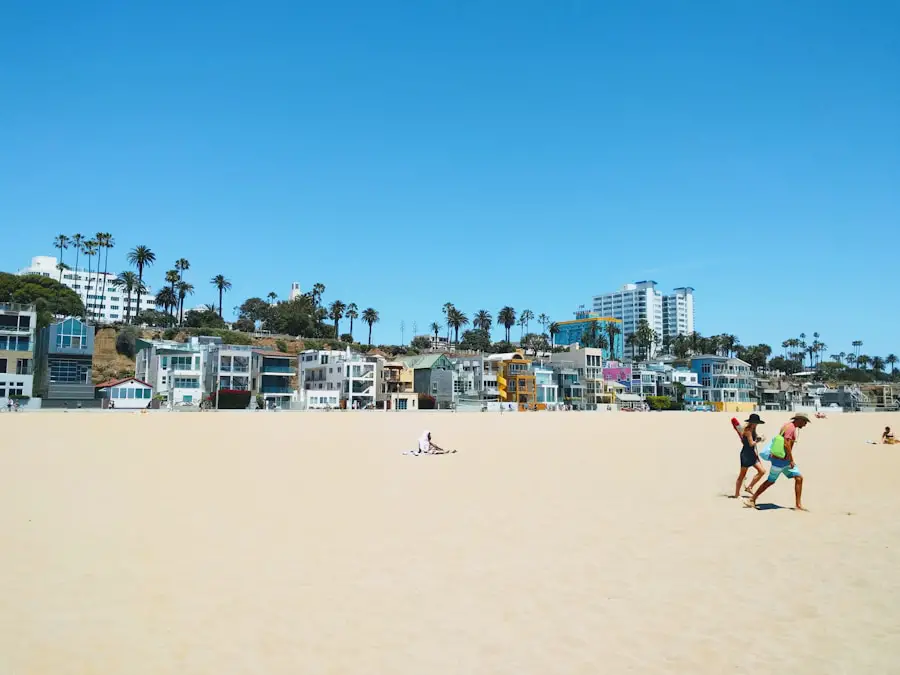
The City of San Diego has about 17 miles of oceanfront coastline, giving visitors everything from lively boardwalk beaches to protected coves and rocky coastal scenery.
Explore San Diego’s Beaches
San Diego’s beaches are attractions in their own right, but each area has a different feel. Mission Beach is the classic choice for a lively day by the ocean. Its paved boardwalk attracts walkers, cyclists, skaters, surfers, and families, while adjacent Belmont Park adds restaurants, rides, and the historic Giant Dipper wooden roller coaster, which opened in 1925.
La Jolla Shores has a wide sandy beach and is a popular starting point for swimming, beginner surf sessions, kayaking, and other water activities. Farther south, Coronado offers another broad stretch of sand across San Diego Bay and works well as a relaxing half-day side trip.
The City of San Diego maintains permanent lifeguard stations at several major beaches and publishes beach rules and amenities through its Lifeguard Services beach guide.
Warning: Check San Diego County’s Beach and Bay Water Quality Program before swimming or surfing. Advisories, warnings, and closures can change quickly, especially after rain or a sewage spill. The County also advises avoiding ocean and bay water for 72 hours after significant rainfall when a general rain advisory is in effect.
Visit Balboa Park
Balboa Park covers about 1,200 acres and combines gardens, Spanish Colonial Revival architecture, walking paths, performing arts venues, museums, and the San Diego Zoo. You can enjoy much of the park without buying a ticket, while individual museums and attractions generally charge their own admission.
Start around El Prado, where many of the best-known cultural buildings sit close together. The renovated Botanical Building and Lily Pond are free to visit, while the Japanese Friendship Garden and Museum offers landscaped paths, koi ponds, water features, and Japanese-inspired architecture.
Art lovers can visit the San Diego Museum of Art, whose collection includes works by El Greco, Diego Rivera, Monet, O’Keeffe, and other major artists. The institution once called the San Diego Museum of Man is now the Museum of Us; it adopted its current name in 2020.
Pro Tip: Balboa Park parking changed in 2026. Paid parking remains active through the end of 2026, although rates and resident discounts depend on the lot. Check the City of San Diego parking page before driving. MTS Route 7 and Rapid 215 are useful alternatives from downtown.
A casual walk through the central park can take two to three hours. Give yourself at least half a day if you want to visit one or two museums, and considerably longer if you combine the park with the zoo.
Experience the San Diego Zoo
The 100-acre San Diego Zoo sits inside Balboa Park and is known for naturalistic habitats, botanical collections, wildlife education, and conservation work. Because the grounds include hills and many separate habitat areas, it is best treated as a full-day attraction rather than a quick stop.
One of the zoo’s headline attractions is Denny Sanford Panda Ridge. Giant pandas Yun Chuan and Xin Bao arrived in San Diego in 2024, beginning a new chapter in the zoo’s long-running conservation partnership with China. Giant pandas are currently classified as Vulnerable rather than Endangered.
Other areas showcase elephants, koalas, primates, reptiles, birds, big cats, and many other animals. Wildlife is free to move into off-view portions of many habitats, so no particular animal sighting can be guaranteed.
The zoo also offers educational presentations, guided experiences, transportation within the grounds, and programs explaining its conservation work. Comfortable walking shoes are important because even visitors who use internal transportation will cover considerable ground.
Note: Zoo parking is no longer universally free. As of July 2026, general parking is $16 per vehicle per day, with separate rules for eligible San Diego residents and Wildlife Alliance members. Verify current rates on the official zoo parking page before your visit.
Source: San Diego Zoo
Take a Harbor Cruise
| Cruise | Duration | Best For | Posted Adult Price, July 2026 |
| Flagship North or South Harbor Tour | 1 hour | A quick narrated bay tour | About $39.22 including listed taxes/fees |
| Flagship Full Bay Tour | About 2 hours | Seeing both North and South Bay | About $44.52 including listed taxes/fees |
| City Cruises Best of the Bay | About 90 minutes | Narrated sightseeing with indoor and outdoor seating | From about $41 |
Schedules, discounts, taxes, and prices can change by date, so confirm the current booking page before purchasing tickets.
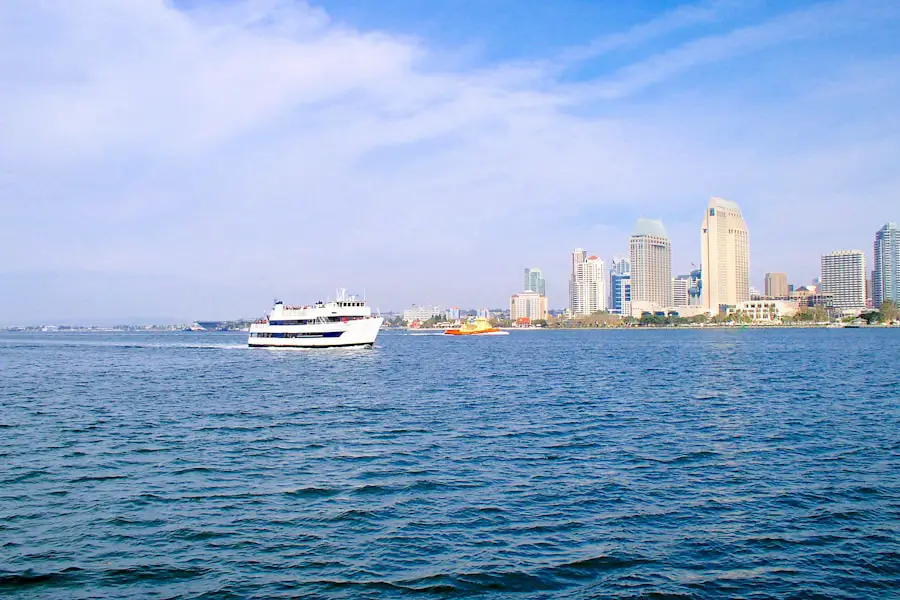
A harbor cruise gives you a very different view of downtown San Diego and its working waterfront. Depending on the route, you may pass the Maritime Museum, Navy facilities, Point Loma, Coronado, the Coronado Bridge, shipyards, and waterfront landmarks.
Narrated sightseeing cruises explain the city’s maritime and military history while leaving plenty of time for skyline photos. Sea lions and marine birds may also be visible, although wildlife sightings are never guaranteed.
A one-hour cruise is easy to combine with the USS Midway Museum. A longer full-bay or evening cruise makes more sense when the boat ride itself is one of the day’s main activities.
Products Worth Considering

50 SAN DIEGO ADVENTURES - Explore the city of San Diego with this unique adventure bucket list! Experience Cardiff, Carlsbad, Coronado, Del Mar, Descanso, Encinitas,...
Enjoy the Gaslamp Quarter
The Gaslamp Quarter is one of downtown San Diego’s best-known dining and entertainment districts. Its historic core covers roughly 16½ blocks and contains restored late-19th- and early-20th-century commercial buildings alongside restaurants, bars, hotels, shops, galleries, and entertainment venues.
The neighborhood grew from San Diego’s 19th-century “New Town” and later went through decades of decline before major preservation and redevelopment efforts reshaped it. Today, visitors can explore historic architecture during the day and return for restaurants, rooftop venues, live entertainment, and nightlife after dark.
Because the district is compact and walkable, it pairs naturally with nearby downtown attractions. The waterfront, Petco Park, San Diego Convention Center, and USS Midway area are all within the broader downtown zone.
For current events and district information, see the Gaslamp Quarter Association.
Discover Old Town San Diego
Old Town is often promoted as the “birthplace of California,” but its history is more layered than that label suggests. The area lies on the ancestral lands of the Kumeyaay people. In 1769, Spanish colonists established California’s first Spanish mission and presidio on a nearby hillside. By the early 1820s, homes built by retired soldiers and their families helped form the Pueblo of San Diego on the lower terrace.
Old Town San Diego State Historic Park focuses largely on life during the Mexican and early American periods. Restored and reconstructed buildings, museums, exhibits, shops, and living-history programs help visitors understand the community that developed here during the 19th century.
The park’s historical interpretation now also gives greater visibility to the Kumeyaay Nation and its enduring relationship with this land. That context makes Old Town more meaningful than simply treating it as a collection of restaurants and souvenir shops.
Outside the state historic park, the surrounding Old Town neighborhood has Mexican restaurants, specialty stores, historic sites, and attractions including the Whaley House Museum. The Whaley House is nearby rather than one of the state park’s original adobe museums.
Allow two to three hours for a casual visit. Old Town Transit Center is served by multiple San Diego Trolley lines, making this one of the easiest historic districts to reach without a car.
Tour the USS Midway Museum
The USS Midway Museum occupies the aircraft carrier USS Midway, commissioned in 1945 and decommissioned in San Diego in 1992. The museum describes Midway as the longest-serving aircraft carrier of the 20th century.
Visitors can explore the flight deck, hangar deck, below-deck work and living spaces, restored aircraft, command areas, and exhibits about naval aviation. A self-guided audio tour is included with admission, and former service members are among the volunteers who help interpret life aboard the ship.
On the flight deck, daily Catapult & Trap Talks explain how aircraft were launched and recovered at sea. The museum also offers flight simulators for an extra fee. These are simulations and educational demonstrations rather than actual aircraft flight shows.
The ship contains steep stairs, ladder-like passageways, and tight spaces, although accessible routes and video displays make major portions of the museum available to visitors who cannot use every part of the vessel.
Plan on at least three hours. Aviation and military-history enthusiasts can easily stay much longer. Because the Midway is beside the downtown waterfront, it combines especially well with a harbor cruise or walk along the Embarcadero.
Relax at La Jolla Cove
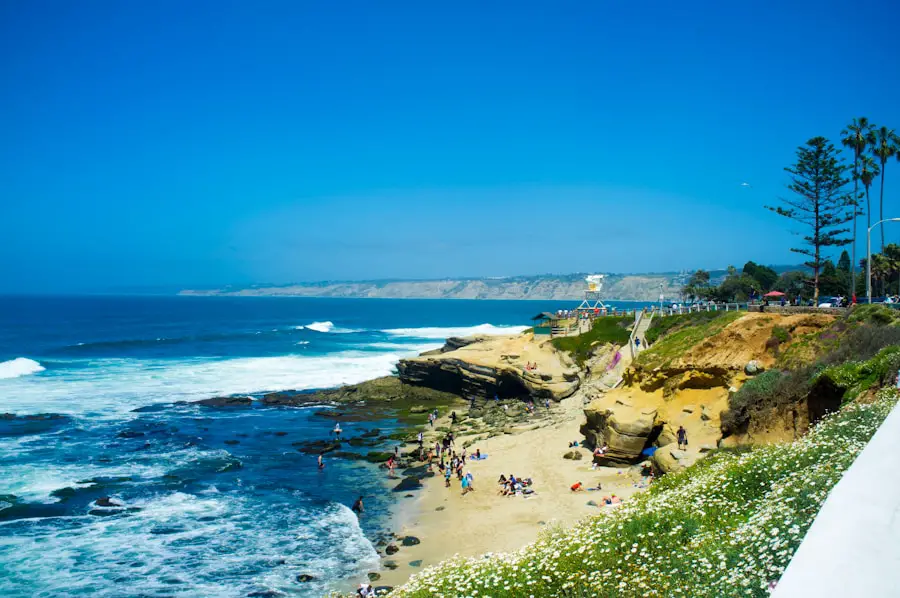
La Jolla Cove is a small beach enclosed by sandstone cliffs and one of San Diego’s most recognizable coastal viewpoints. The north-facing cove can have relatively small summer surf and is popular with swimmers, snorkelers, and scuba divers when conditions are safe.
The Cove lies within the San Diego-La Jolla Underwater Park Ecological Reserve. Marine life is protected, and fishing or removing objects from the reserve is prohibited. Snorkelers may see garibaldi and other coastal marine life, while sea lions are frequently visible around the nearby rocky shoreline.
Wild animals should always be given space. Point La Jolla and Boomer Beach have special access restrictions intended to reduce unsafe interactions between visitors and California sea lions. Check the City’s current Point La Jolla rules before approaching the area.
Even visitors who do not enter the water can enjoy the coastal walking paths and overlooks around Ellen Browning Scripps Park. Parking in central La Jolla can be difficult on busy weekends, so arriving early or using a rideshare can save time.
Pro Tip: La Jolla Shores and La Jolla Cove are different beaches. Shores has the broader sandy beach and kayak launch area; the Cove is much smaller and is better known for protected water, cliffs, snorkeling, and coastal wildlife.
Hike Torrey Pines State Natural Reserve
Torrey Pines State Natural Reserve protects one of San Diego’s most distinctive coastal landscapes, with rare Torrey pines, sandstone formations, native coastal vegetation, ocean overlooks, and hiking trails above Torrey Pines State Beach.
Most individual trails are relatively short, making it possible to combine several routes in one visit. The elevation changes and exposed terrain can still make the outing more strenuous than the mileage suggests, so carry water, use sun protection, and stay on designated trails.
As of July 26, 2026, California State Parks reported that the main reserve was open with all trails open. However, a second phase of construction is scheduled to begin in August or September 2026. State Parks says the reserve road, upper parking lots, and trails will have limited access or closures during that work, while Torrey Pines State Beach is expected to remain open.
Warning: Anyone planning a Torrey Pines visit in late 2026 or early 2027 should check the California State Parks construction update before traveling. Access is changing as the project moves into its next phase.
Visit Cabrillo National Monument
Cabrillo National Monument sits at the southern end of Point Loma and offers broad views across San Diego Bay, the Pacific Ocean, downtown, and Coronado. It is a good choice when you want scenery, history, short walks, and coastal nature in the same outing.
Visitors can explore the Old Point Loma Lighthouse, exhibits about exploration and military history, the Bayside Trail, coastal areas, and the rocky intertidal zone. The tidepools are most rewarding when a low tide occurs during park hours, which is more common in fall and winter than in summer.
The National Park Service currently lists the main park as open from 9 a.m. to 5 p.m., except Thanksgiving and Christmas Day. Vehicle, motorcycle, and individual entrance fees apply unless you have a qualifying federal recreation pass.
Because parking near the tidepools can fill during good low tides and busy weekends, check the tide chart and current park alerts before leaving for Point Loma.
Plan Your San Diego Visit
How Many Days Do You Need?
Three days is enough for a strong first visit, while four or five days gives you a more relaxed pace.
- Day 1: San Diego Zoo and Balboa Park.
- Day 2: La Jolla, Torrey Pines, and a beach sunset.
- Day 3: USS Midway, harbor cruise, waterfront, and Gaslamp Quarter.
- Extra day: Old Town, Cabrillo National Monument, Coronado, or more beach time.
Getting Around San Diego
A car is useful for moving between La Jolla, Torrey Pines, Point Loma, and more distant beach areas, but it is not required for every part of a San Diego trip. Downtown, Old Town, and parts of Balboa Park are well served by transit.
San Diego MTS runs Route 7 and Rapid 215 between downtown and Balboa Park/Zoo, with frequent service. The Trolley connects downtown with Old Town and many other neighborhoods. Route 992 links San Diego International Airport and downtown.
Parking costs can add up, particularly at major attractions. Before driving, compare the cost and convenience of parking with public transit or rideshare service.
What Should You Book Ahead?
Reserve high-priority ticketed attractions first when visiting during weekends, school holidays, Comic-Con, or other busy periods. Zoo admission, specialty panda experiences, harbor cruises, and some museum experiences may have limited availability. Always use the attraction’s official booking page to confirm current operating hours and prices.
Best Time to Visit San Diego
San Diego works as a year-round destination, so there is no single best month for everyone. Spring generally brings mild sightseeing weather. Summer offers classic beach conditions but also larger crowds and higher demand. Fall often combines warm weather with fewer peak-summer visitors. Winter can be cooler and wetter but is comfortable for many outdoor activities and can be especially good for Cabrillo’s daytime low tides.
Useful Travel Gear
Families exploring the city on foot may find the site’s guide to the best double stroller for travel useful, especially for long zoo, park, and waterfront days. For flights, the guide to wired noise-canceling earbuds covers compact options for travel. Travelers trying to keep their load small can also review these minimalist travel backpacks.
Frequently Asked Questions
What are the top things to do in San Diego?
Top choices for a first trip include the San Diego Zoo, Balboa Park, La Jolla Cove, Mission Beach, USS Midway Museum, a San Diego Bay cruise, Old Town, the Gaslamp Quarter, Torrey Pines State Natural Reserve, and Cabrillo National Monument.
What is the best time to visit San Diego?
San Diego can be visited year-round. Spring and fall are especially comfortable for sightseeing, summer is busiest for beach trips, and winter brings cooler conditions but can be a good time for lower crowds and daytime tidepool visits.
What are some family-friendly activities in San Diego?
The San Diego Zoo, Balboa Park, Mission Beach, Belmont Park, Old Town, harbor cruises, the USS Midway Museum, and La Jolla Shores all work well for many families. Choose activities based on children’s ages, walking tolerance, and comfort around water.
What outdoor activities are popular in San Diego?
Popular outdoor activities include surfing, swimming, kayaking, snorkeling, biking the beach boardwalks, hiking at Torrey Pines, walking coastal paths in La Jolla, exploring Cabrillo National Monument, and taking sightseeing cruises on San Diego Bay.
What cultural attractions can be found in San Diego?
Balboa Park contains many of the city’s major cultural institutions, including the San Diego Museum of Art and Museum of Us. Old Town San Diego State Historic Park, the USS Midway Museum, Gaslamp Quarter, and museums along the waterfront add history, architecture, and maritime culture.
How many days should I spend in San Diego?
Three days covers several major highlights, but four or five days is better if you want time for the zoo, museums, beaches, La Jolla, Torrey Pines, downtown attractions, and Point Loma without rushing.
Can you visit San Diego without a car?
Yes, especially if you stay near downtown or a major transit corridor. MTS buses and the Trolley reach Old Town, downtown, Balboa Park, and the zoo. A car or rideshare is more convenient for Torrey Pines, some beaches, Point Loma, and itineraries that combine several distant areas in one day.
Sources
- City of San Diego Lifeguard Services — official beach amenities, rules, lifeguard coverage, and La Jolla information.
- County of San Diego Beach and Bay Program — water-quality testing, advisories, warnings, and closures.
- City of San Diego Balboa Park Parking — current 2026 parking rules, rates, and resident policies.
- San Diego Zoo Wildlife Alliance — zoo visitor information, parking, giant pandas, habitats, and conservation programs.
- California State Parks — Torrey Pines State Natural Reserve — trail conditions, operating information, restrictions, and construction updates.
- National Park Service — Cabrillo National Monument — operating hours, tidepools, trails, lighthouse information, and entrance fees.
