
Last Updated on July 27, 2026 by Daniel Globe
Krabi combines limestone cliffs, tropical beaches, offshore islands, mangrove forests, temples, hot springs, and lively local markets in one part of southern Thailand. Whether you want to climb at Railay, snorkel around the islands, hike to a viewpoint, relax on the beach, or explore Krabi Town, there is much more to do here than spend a day beside the hotel pool.
Quick Answer
The best things to do in Krabi include visiting Railay and Phra Nang Beach, island hopping to Hong or the Phi Phi Islands, climbing at Railay, visiting Tiger Cave Temple and Emerald Pool, kayaking through mangroves, snorkeling, exploring Krabi Town, and enjoying the area’s markets, spas, and sunsets.
Key Takeaways
- Railay is one of Krabi’s best places for beaches and rock climbing, while Ao Nang is a convenient base for boat trips.
- Popular island trips include Hong Island, the Four Islands, Ko Poda, Chicken Island, and the Phi Phi Islands.
- Inland highlights include Tiger Cave Temple, Emerald Pool, the Hot Spring Waterfall, and hiking around Krabi’s limestone landscape.
- Snorkeling, diving, kayaking, swimming, and paddle sports are popular, but sea conditions and seasonal park closures can affect plans.
- Krabi Town, Khao Khanab Nam, Ko Klang, markets, spas, and local food are good alternatives when you want a break from the beach.
Disclosure: As an Amazon Associate I earn from qualifying purchases. Some links on this page are affiliate links, at no extra cost to you.
Adventure Activities in Krabi
Krabi’s limestone landscape makes it one of Thailand’s best-known destinations for outdoor adventure. Railay is especially popular with climbers. The area’s cliffs offer routes for different experience levels, and local climbing schools provide equipment and instruction for travelers who do not have their own gear. The Tourism Authority of Thailand lists climbing and abseiling among Railay’s signature activities.
Beginners should climb with a reputable guide rather than attempting unfamiliar routes alone. Check the condition of helmets, harnesses, ropes, and other safety equipment before starting, and avoid exposed climbing during storms or when the rock is wet.
For a challenge on foot, Wat Tham Suea, better known as Tiger Cave Temple, has a steep stairway leading to a high viewpoint over Krabi’s limestone landscape. The Tourism Authority of Thailand describes the summit route as a 1,260-step climb. Go early, carry water, wear shoes with good grip, and take breaks if the heat or humidity becomes uncomfortable.
Another hiking option is the Khao Ngon Nak, or Dragon Crest, area near Tubkaek. The trail is much more demanding than an ordinary beach walk, so check current access and weather conditions before setting out. Rain can make steep tropical trails slippery.
Kayaking is a gentler way to add adventure. Ao Thalane is known for mangrove scenery and limestone formations, while other operators offer paddling around sheltered coastal areas and islands. Commercial zip-line and ATV tours can also be found around the province, although these are operator-dependent activities rather than Krabi’s defining natural attractions. Check equipment standards, insurance coverage, and recent weather before booking.
Pro Tip: Do strenuous climbs and hikes early in the day. Krabi’s heat and humidity can make the same route feel much harder by midday, and afternoon weather can change quickly during the wetter months.
Beach Activities in Krabi
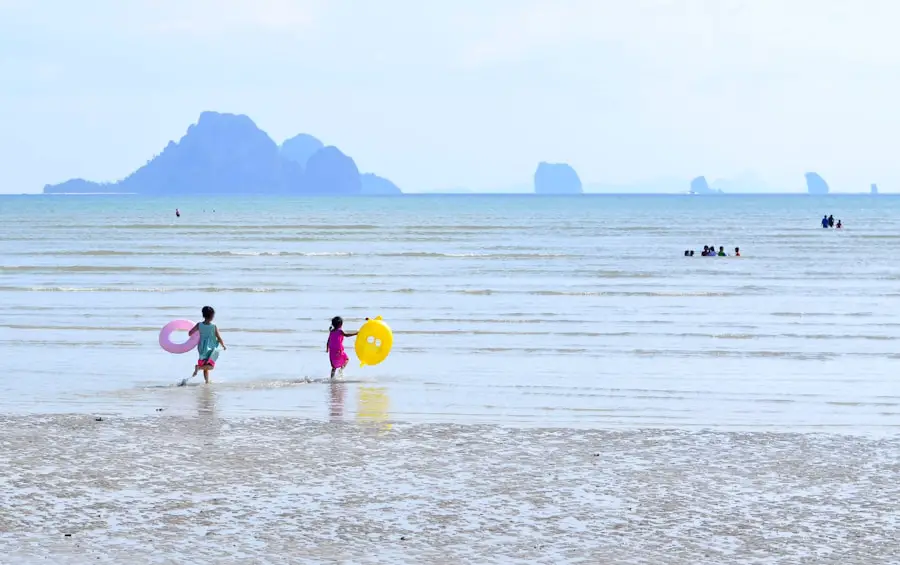
Beach time is a major part of any Krabi trip, but each coastal area has a different feel. Railay West is framed by dramatic limestone cliffs, while nearby Phra Nang Beach combines sand, clear-water scenery in favorable conditions, and easy access to the cliffs and caves of the Railay peninsula.
Ao Nang is busier and more developed. It is useful as a base because restaurants, accommodations, tour agencies, and boat services are concentrated nearby. Noppharat Thara, which forms part of Hat Noppharat Thara-Mu Ko Phi Phi National Park, offers another stretch of coast close to Ao Nang.
Farther north, Klong Muang and Tubkaek appeal to travelers looking for a quieter pace. Beach conditions vary with tides, rainfall, wind, and the season, so do not assume that calm-looking water is always suitable for swimming.
Simple activities such as sunbathing, walking the shoreline, watching the sunset, swimming when conditions are suitable, and playing beach games can easily fill an afternoon. Beachcombing can also be enjoyable, but leave shells, coral, and wildlife where you find them in protected natural areas.
Note: Railay is separated from Krabi’s main road network by limestone cliffs, so visitors normally reach the peninsula by boat rather than driving directly to the beach.
Island Hopping
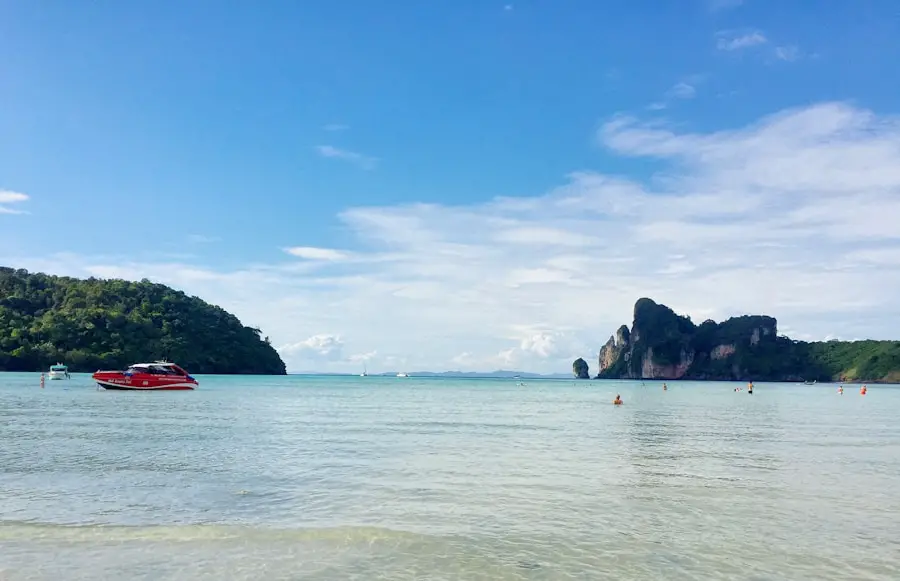
Island hopping is one of the most popular things to do in Krabi. Instead of traveling between unrelated destinations, visitors can choose from several clusters of islands within reach of the Krabi coast.
Hong Island
Ko Hong lies within Than Bok Khorani National Park and is known for its beach, lagoon scenery, snorkeling, and dramatic limestone setting. Many day trips also combine it with smaller nearby islands. It is a good choice for travelers who want a full day on the water without going as far as the Phi Phi Islands.
The Four Islands and Thale Waek
Another common excursion combines islands and beaches such as Ko Poda, Chicken Island, and the sandbars around Ko Tup and Ko Mor. At low tide, exposed sand can create the well-known Thale Waek, or “Separated Sea,” effect between islands. Because the appearance of the sandbar depends on the tide, timing matters.
Phi Phi Islands and Maya Bay
The Phi Phi archipelago is part of Krabi province and includes Ko Phi Phi Don and Ko Phi Phi Le. Trips can include beaches, limestone scenery, snorkeling areas, and Maya Bay, depending on current national-park rules and weather.
Warning: Do not assume every island stop is open year-round. The Tourism Authority of Thailand’s national-park status guidance lists Maya Bay, Loh Samah Bay, and Loko Bay as seasonally closed from August 1 through September 30. Weather or conservation measures can cause additional changes, so check the latest park and tour status before paying for a trip.
Travelers with more time can also stay on Ko Lanta instead of treating every island as a rushed day trip. It offers beaches, mangrove areas, communities, and access to marine excursions farther south.
Water Sports
| Activity | Where to Try It | Best For |
|---|---|---|
| Snorkeling | Hong Island, Four Islands, Phi Phi and other permitted reef areas | Beginners and casual marine-life viewing |
| Scuba Diving | Dive sites reached from Ao Nang, Phi Phi and Ko Lanta | Certified divers and supervised beginners |
| Kayaking | Ao Thalane, mangrove areas and sheltered island waters | Nature viewing and active sightseeing |
| Swimming | Designated beaches when local conditions permit | Relaxed beach days |
Snorkeling and scuba diving are more closely associated with Krabi than surfing. Visibility and sea conditions vary, so the same site can look very different depending on rain, wind, currents, and the time of year.
Thailand’s Department of Marine and Coastal Resources advises visitors not to touch or stand on coral, feed marine animals, or throw waste into the sea. Its current coral-tourism guidance also requires snorkelers to wear life jackets and maintain distance from reefs.
For scuba diving, choose an established operator, confirm the instructor or divemaster’s credentials, and look over the condition of tanks, regulators, buoyancy equipment, emergency oxygen, and the boat before departure.
Warning: Boat trips should never be treated as guaranteed. Strong wind, rough seas, thunderstorms, and monsoon conditions can cause cancellations or route changes. Check the Thai Meteorological Department forecast and follow local marine warnings on the day of travel.
Nature and Wildlife Tours
Krabi also has worthwhile inland nature attractions. Sa Morakot, commonly called the Emerald Pool, is located within Khao Pra-Bang Khram Wildlife Sanctuary. The pool is reached on foot through a forested area rather than by boat. Nearby blue-colored spring areas are for viewing, and visitors should obey posted restrictions rather than entering closed water.
Khlong Thom’s Hot Spring Waterfall is another popular inland stop and is often combined with Emerald Pool on the same day. The Tourism Authority of Thailand lists both among Krabi’s major natural attractions.
Mangrove ecosystems provide a different type of nature experience. Kayaking around Ao Thalane or taking an appropriate local nature excursion can reveal narrow waterways, limestone formations, coastal forest, birds, and other wildlife. Keep your distance from animals and never feed them to obtain a photograph.
Khao Phanom Bencha National Park and other forested areas add waterfalls and hiking opportunities to a province better known for its sea. Access to individual trails can change because of rain, maintenance, or seasonal closures, so confirm conditions before making a long journey to a trailhead.
Krabi is not just a beach destination: its wildlife sanctuary, mangroves, hot springs, caves, forest trails, and limestone mountains make an inland day just as worthwhile as an island trip.
Cultural and Historical Tours
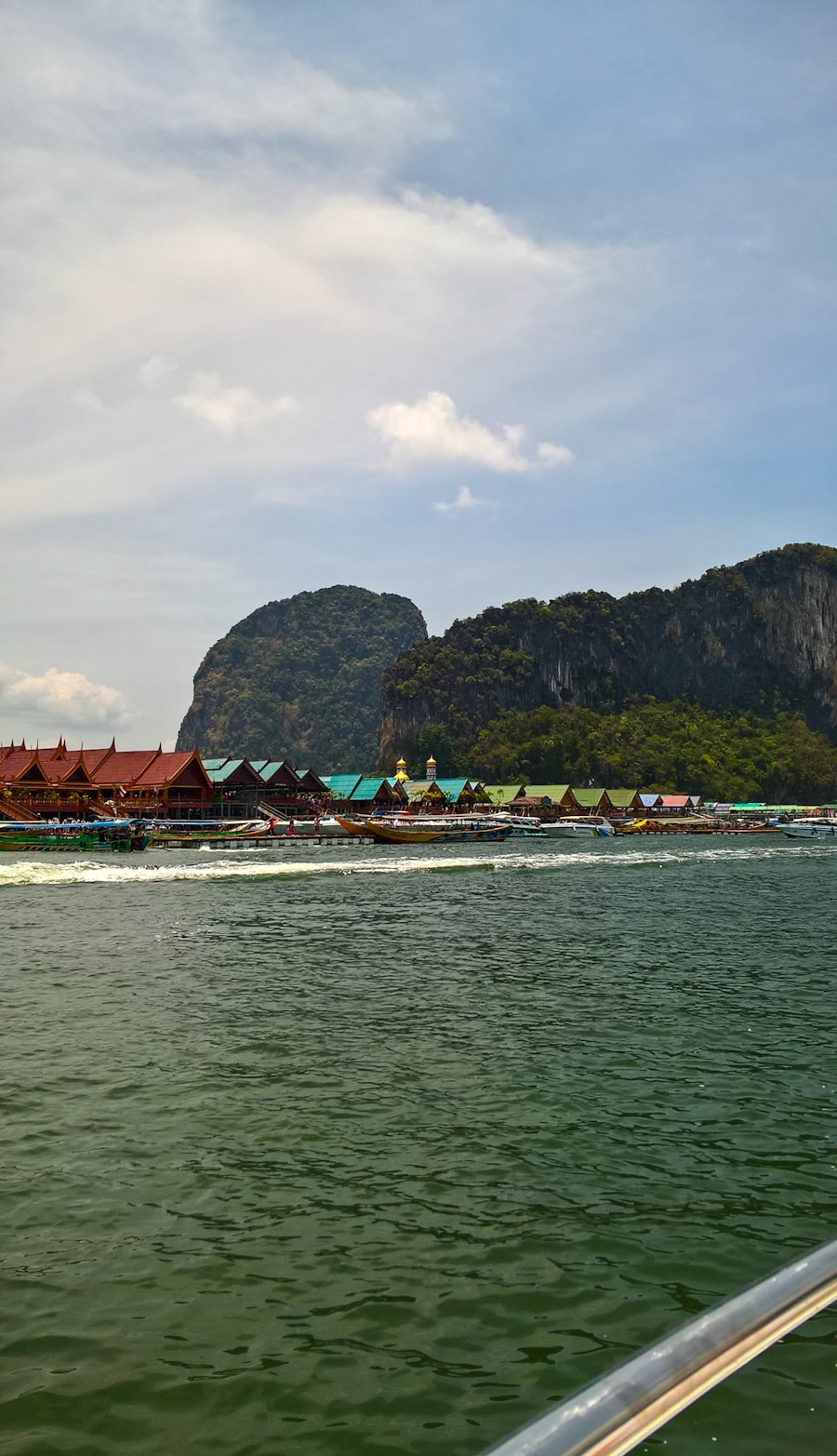
Krabi’s cultural attractions add context to the dramatic scenery. Tiger Cave Temple is both a religious site and a demanding viewpoint hike. Dress respectfully around temple areas, follow signs, and remember that parts of the complex are active places of worship rather than simply tourist attractions.
Khao Khanab Nam, the pair of limestone formations visible beside the Krabi River, is another recognizable local landmark. Caves and the surrounding river landscape can be incorporated into a trip from Krabi Town.
For a closer look at local life, Ko Klang offers community-based experiences a short distance from central Krabi. The Tourism Authority of Thailand highlights the community’s agricultural traditions, crafts, long-tail boat models, and mangrove surroundings.
Krabi Town itself deserves time if you enjoy food, markets, temples, and everyday local life. A cooking class can also provide a more hands-on introduction to southern Thai ingredients and dishes than simply moving between sightseeing stops.
Wellness and Relaxation
Not every day in Krabi needs to be packed with climbing, hiking, or speedboat tours. Beach resorts and independent spas around Ao Nang and other visitor areas offer Thai massage and other wellness treatments, while some resorts run yoga or meditation sessions.
Khlong Thom’s natural hot-water attractions provide another option for a slower inland day. Treat them as places to relax rather than as medical treatments, and follow local guidance about bathing time and water temperature.
A simple beach afternoon can be equally restorative. Railay, Klong Muang, Tubkaek, and other coastal areas give travelers plenty of opportunities to slow down between active excursions.
Pro Tip: Leave at least one flexible half-day in your itinerary. It gives you time to rest and provides room to move an island trip if the weather is poor.
Nightlife and Entertainment
Krabi’s nightlife is generally more relaxed than the large club scenes found in some other Thai resort destinations. Ao Nang has the greatest concentration of visitor-oriented restaurants, bars, live music, and evening activity, making it an easy place to go out without traveling far from your accommodation.
Krabi Town offers a more local evening experience. The Tourism Authority of Thailand lists Maharaj Walking Street as a Friday-to-Sunday market, typically running from about 5:00 p.m. to 10:00 p.m., with food and shopping. It also lists the Chao Fah Pier Night Market as an evening food option. Market schedules can change, so verify locally before making a special trip.
Night markets are useful for sampling several foods in one evening, browsing inexpensive goods, and experiencing a side of Krabi that is different from its beaches. Live entertainment and the exact stall mix vary by night.
If you plan to stay out late, arrange your return transport before drinking and avoid riding a motorcycle or scooter after consuming alcohol.
When to Visit Krabi and How to Plan Your Days
The Andaman coast generally enters its busier, drier travel season from November. Tourism Authority of Thailand guidance commonly identifies roughly November through April as a favorable period for Krabi and other west-coast beach destinations, although weather is never guaranteed.
The southwest-monsoon period brings a greater chance of rain, rougher seas, and weather-related changes to boat schedules. That does not mean every day is a washout. It does mean that a rigid itinerary built entirely around boat trips can be frustrating.
Choose the Right Base
Ao Nang is convenient for first-time visitors who want restaurants, accommodation choices, and easy access to boat trips. Railay suits travelers who want to stay directly among beaches and climbing areas. Krabi Town works well for markets, local food, inland trips, and a less beach-focused atmosphere. Ko Lanta is better for travelers who want a slower island stay rather than repeated day trips from the mainland.
A Simple Three-Day Krabi Plan
- Day 1: Visit Railay and Phra Nang Beach, with an introductory climbing session if you want more activity.
- Day 2: Choose Hong Island, the Four Islands, or Phi Phi based on weather, park access, travel time, and your priorities.
- Day 3: Go inland to Tiger Cave Temple, Emerald Pool, or the Hot Spring Waterfall, then spend the evening in Krabi Town or Ao Nang.
With four or five days, add Ao Thalane kayaking, Khao Ngon Nak, an extra beach day, or more time on Ko Lanta.
Note: National-park opening schedules, entrance fees, boat routes, and weather restrictions can change. Check current official information shortly before each excursion rather than relying on an old itinerary or social-media post.
What to Pack and How to Get Around Krabi
For a typical Krabi trip, pack light, breathable clothing, swimwear, sun protection, a reusable water bottle, rain protection, and shoes with enough grip for temple stairs or trails. A small dry bag is useful on long-tail boats and kayaking trips. Merino wool travel socks can be comfortable for hiking, but they are optional in Krabi’s warm climate.
A universal travel adapter can be useful if your devices do not match local outlets. Keep phones, passports, and other electronics protected from sea spray when traveling by boat.
Transport options depend on where you stay and can include hotel transfers, taxis, ride services, songthaews, boats, and rented vehicles. Do not assume that renting a motorcycle or scooter is automatically the easiest choice. Thailand has significant motorcycle accident risk, and riders need the correct license, suitable insurance, and a helmet. The U.S. Department of State’s Thailand travel information specifically warns about serious motorcycle accidents and recommends careful attention to local traffic risks.
Frequently Asked Questions
What are the top things to do in Krabi?
Top Krabi experiences include Railay and Phra Nang Beach, Hong Island, the Phi Phi Islands, the Four Islands, Tiger Cave Temple, Emerald Pool, Khlong Thom Hot Spring Waterfall, kayaking at Ao Thalane, hiking around Khao Ngon Nak, and exploring Krabi Town.
What water activities are popular in Krabi?
Snorkeling, scuba diving, kayaking, swimming, and paddle sports are popular. Hong Island, Phi Phi, the Four Islands, and Ao Thalane are common areas for water-based activities, depending on weather, marine conditions, and park restrictions.
Are there cultural attractions in Krabi?
Yes. Tiger Cave Temple is one of the best-known religious attractions, while Khao Khanab Nam, Ko Klang, Krabi Town, local markets, and community-based experiences provide additional cultural and historical interest.
What are the best ways to explore Krabi’s natural beauty?
Combine a boat trip to islands such as Hong, Ko Poda, or Phi Phi with an inland day at Emerald Pool, the Hot Spring Waterfall, or a hiking area such as Khao Ngon Nak. Mangrove kayaking around Ao Thalane offers another perspective on Krabi’s limestone landscape.
Is Krabi suitable for adventure seekers?
Yes. Rock climbing at Railay, hiking, mangrove kayaking, snorkeling, diving, and strenuous temple climbs provide plenty of options. Commercial zip-line and ATV tours are also available from some operators, but check safety standards and insurance before booking.
What is the best time to visit Krabi?
November through April is generally the more favorable period for Andaman-coast beach and boat activities, with November marking the start of the high season. Rain and rougher seas are more likely during the southwest-monsoon period, so keep plans flexible and check weather forecasts.
How many days do you need in Krabi?
Three days is enough for a beach or Railay day, one island excursion, and one inland day. Four or five days gives you more flexibility for bad weather and allows time for kayaking, hiking, Krabi Town, or a slower beach day.
Can you visit Maya Bay all year?
No. Maya Bay is subject to conservation closures and other national-park restrictions. Tourism Authority of Thailand guidance lists a seasonal closure from August 1 through September 30. Always verify the current status before booking a Phi Phi tour because dates and access rules can change.
Sources
- Tourism Authority of Thailand — 10 Things to Do in Krabi — Krabi islands, Railay, Emerald Pool, hot springs, Ko Klang, and other major attractions.
- Tourism Authority of Thailand Newsroom — Discover the Amazing Natural Wonders of Krabi — Tiger Cave Temple, Khao Ngon Nak, island trips, Railay, and Ao Thalane.
- Tourism Authority of Thailand Newsroom — National Park Opening and Closing Status — seasonal closures affecting Maya Bay and other Krabi park attractions.
- Thailand Department of Marine and Coastal Resources — Coral Tourism Rules — snorkeling, diving, coral protection, marine-life feeding, and life-jacket rules.
- Thai Meteorological Department — current rain, wind, marine weather, and warning information for trip planning.
- U.S. Department of State — Thailand International Travel Information — road and motorcycle safety guidance for travelers.
