
Last Updated on July 27, 2026 by Daniel Globe
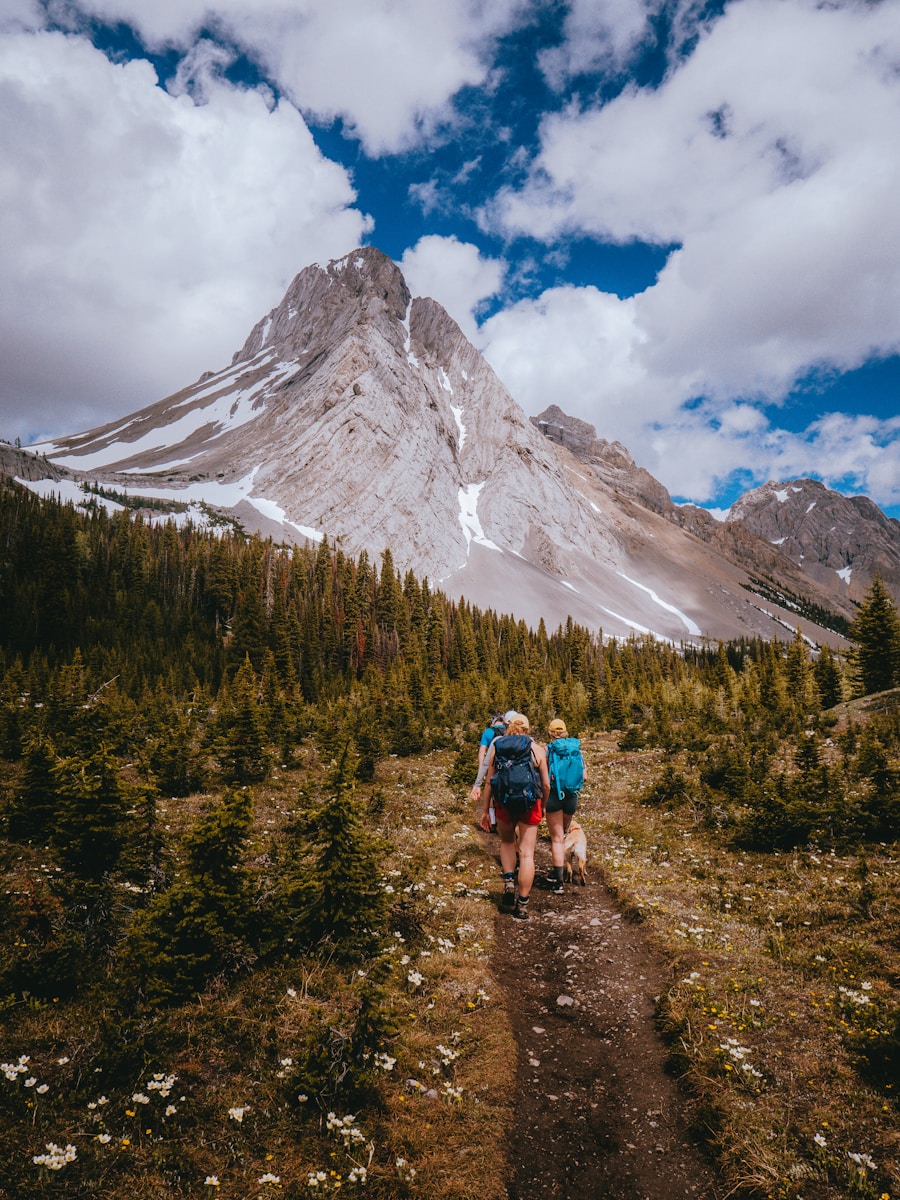
Hiking is one of the simplest ways to combine outdoor exploration with physical activity. A hike can be a short walk on a maintained nature trail or a demanding day in steep, remote terrain. The experience changes with the route, but good planning stays the same: choose a trail that matches your abilities, carry the right supplies, check current conditions, and know when to turn around.
Hiking can also support physical and mental well-being. Regular physical activity can improve cardiovascular health, strength, sleep, and mood, while time outdoors may help some people feel calmer and more focused. The safest way to gain those benefits is to treat each hike as an outdoor trip that requires preparation rather than simply a long walk.
Quick Answer
Hiking is walking outdoors on trails or natural terrain for recreation, fitness, or exploration. A safe hike starts with a route that matches your ability, the Ten Essentials, enough water and food, weather and trail checks, and a trip plan shared with someone. Stay on designated routes and follow local rules.
Key Takeaways
- Hiking provides physical activity, time outdoors, and opportunities to explore nature or spend time with other people.
- Choose a trail by distance, elevation gain, terrain, exposure, current conditions, daylight, and your group’s abilities—not by mileage alone.
- Carry the Ten Essentials, including navigation, sun protection, extra clothing, light, first aid, emergency supplies, food, water, and shelter.
- Share a trip plan, check weather and closures, carry a navigation backup, and be willing to turn around when conditions deteriorate.
- Follow Leave No Trace principles, keep a safe distance from wildlife, and confirm local rules for pets, fires, permits, and trail use.
At a Glance
| Time Required | About 10–20 minutes to plan; roughly 30 minutes to a full day for a typical day hike |
| Difficulty | Beginner to advanced, depending on distance, elevation, terrain, weather, and route-finding demands |
| Tools Needed | Navigation, water, food, layers, first aid, headlamp, sun protection, repair items, and emergency gear |
| Cost | Often $0–$30 for a local day hike if you already own basic gear; parking, permits, admission, and equipment can cost more |
What Is Hiking?
Hiking generally means walking outdoors for recreation or exploration, often on trails through parks, forests, mountains, deserts, coastlines, or other natural areas. Some hikes follow smooth, accessible paths. Others involve rocks, roots, steep grades, stream crossings, snow, or route-finding.
Ordinary walking and hiking overlap, but hiking usually involves natural terrain and more planning for conditions. Backpacking takes the idea further by combining hiking with overnight travel while carrying shelter, food, sleep equipment, and other supplies.
The National Park Service hiking resources are a useful starting point for learning about trail types, safety, and trip planning on public lands.
Benefits of Hiking
Physical Benefits
Hiking can provide aerobic exercise while working the legs and core. Hills, uneven ground, and a loaded daypack can increase the physical demand, and trekking poles can add stability while involving the arms and upper body.
The health benefits are best understood as benefits of regular physical activity rather than guarantees from hiking alone. According to the Centers for Disease Control and Prevention, regular physical activity can support heart health, bone strength, sleep, healthy weight management, and mental health.
U.S. guidance recommends at least 150 minutes of moderate-intensity aerobic activity each week for most adults. A brisk hike can contribute when it reaches that intensity.
Mental, Emotional, and Social Benefits
Many people hike because being outdoors gives them a break from screens, traffic, work, and other everyday demands. Walking at an unhurried pace can also create time to think, observe the surroundings, or talk with friends and family.
Research into nature exposure is promising but not uniform. A 2024 systematic review of nature-based interventions found some favorable stress and cortisol findings, but the authors concluded that the overall evidence for reducing stress, anxiety, and depression was limited. It is therefore more accurate to say that time in nature may support relaxation for some people rather than treating it as a guaranteed mental-health effect.
Note: Hiking ranges from gentle to strenuous. People with health conditions, limited mobility, concerns about altitude or heat, or questions about strenuous exercise should choose routes conservatively and discuss appropriate activity with a healthcare professional when needed.
Essential Gear for Hiking
You do not need expensive equipment for every trail, but you do need supplies that match the route, weather, duration, and distance from help. The National Park Service Ten Essentials provide a practical framework.
The Ten Essentials
- Navigation: A map, compass, GPS device, or downloaded offline map. Carry a battery-independent backup when navigation matters.
- Sun protection: Sunglasses, sunscreen, a hat, and sun-protective clothing as conditions require.
- Extra clothing: Layers that can handle temperatures and weather colder or wetter than expected.
- Illumination: A headlamp or flashlight plus spare power. A phone flashlight should not be your only light.
- First aid: A compact kit suited to the group, trip, and any personal medical needs.
- Fire: An appropriate emergency fire-starting method where possession and use are allowed. Always obey current fire restrictions.
- Repair kit and tools: Items such as tape, a knife or multi-tool, and trip-specific repair supplies.
- Nutrition: Enough food for the hike plus extra in case the trip takes longer than expected.
- Hydration: Drinking water plus a way to obtain or treat additional water when the route requires it.
- Emergency shelter: A lightweight emergency blanket, bivy, tarp, or other shelter appropriate to the conditions.
Choosing Hiking Shoes or Boots
The best footwear is comfortable, fits well, provides enough traction for the surface, and protects your feet from the terrain you expect. Lightweight hiking shoes or trail shoes can work well on maintained paths, while more protective boots may make sense on rough, snowy, muddy, or heavily loaded trips.
Waterproof footwear can help during sustained wet or snowy conditions, but it is not automatically the best choice for every damp trail. Waterproof shoes can feel warmer and may dry slowly after water enters from above. Breathability, fit, traction, weather, and terrain all matter.
Wear well-fitting wool or synthetic hiking socks and address hot spots before they become blisters. For additional footwear ideas, see our guide to waterproof sneakers for travel and outdoor use.
What to Wear
Layering lets you adjust as your body warms up or the weather changes. A practical system may include a quick-drying base layer, an insulating layer for cool conditions, and rain or wind protection. Hats, gloves, sunglasses, and sun-protective clothing can be added as needed.
Pro Tip: Pack for the conditions you could encounter, not only the weather at the trailhead. A warm parking lot can lead to a windy ridge, shaded canyon, storm, or much cooler evening.
Choosing the Right Hiking Trail
The best trail is one that everyone in your group can complete safely and enjoy. An “easy,” “moderate,” or “difficult” label is useful, but ratings are not perfectly standardized, so look at the underlying route details as well.
Check More Than Mileage
- Distance: Confirm whether the listed mileage is one way, round trip, or a loop.
- Elevation gain: A short hike with a steep climb may be harder than a longer flat route.
- Surface: Rocks, roots, sand, mud, snow, scree, and stream crossings can slow progress.
- Exposure: Cliffs, narrow ledges, open ridges, and unshaded desert routes add risk.
- Route finding: A well-marked front-country path is different from a remote or faint trail.
- Water: Determine whether you must carry all of your water or can safely obtain and treat more.
- Daylight: Allow time for breaks, slower hikers, unexpected delays, and the return trip.
Check Current Conditions and Rules
Before leaving, check the land manager’s official website or visitor center for trail closures, wildfire restrictions, snow, flooding, washed-out bridges, permit requirements, wildlife advisories, parking rules, and seasonal access. Recent trip reports can add useful context, but official alerts should take priority when conditions or regulations are involved.
Scenery matters too. Coastal trails, forests, waterfalls, desert landscapes, historical routes, and mountain viewpoints offer very different experiences. Once safety and difficulty are a good match, choose the environment that interests you most.
How to Plan a Hike Before You Leave
- Choose a realistic route. Match the distance, elevation, terrain, and conditions to the least experienced person in the group.
- Check official alerts and weather. Look at conditions for the actual trail area and elevation, not only the nearest town.
- Confirm permits and access. Check reservation rules, trailhead hours, parking, fees, seasonal gates, and pet restrictions.
- Plan navigation. Download an offline map before losing service and carry another navigation method when the consequences of getting lost are serious.
- Pack the Ten Essentials. Adjust food, water, clothing, and emergency gear for the route.
- Set a turnaround time. Decide when you will turn around even if you have not reached the destination.
- Leave a trip plan. Tell a trusted person your route, trailhead, group members, vehicle information when useful, and when they should expect you back.
Current NPS trip-planning guidance also recommends having a backup plan. Changing weather, closed trails, missing equipment, or simply not feeling well are all good reasons to choose a different activity.
Safety Tips for Hiking
| # | Safety Tip |
|---|---|
| 1 | Plan your route and inform someone of your plans and expected return. |
| 2 | Check the weather forecast and current trail conditions before heading out. |
| 3 | Wear clothing and footwear appropriate for the route and conditions. |
| 4 | Carry enough water and plan where additional safe water can be obtained if needed. |
| 5 | Pack navigation, first aid, a headlamp, and the rest of the Ten Essentials. |
| 6 | Stay on designated trails where required and remain aware of your surroundings. |
| 7 | Keep a safe distance from wildlife and never feed wild animals. |
| 8 | Set a sustainable pace and take breaks before exhaustion affects judgment. |
| 9 | Follow Leave No Trace practices and pack out trash, food scraps, and pet waste. |
| 10 | Have an emergency plan and know how you would call or signal for help. |
Navigation and Communication
A phone can be useful for offline maps, GPS coordinates, photos of trail junctions, and emergency calls, but cell service is unreliable in many outdoor areas. The National Park Service recommends having an emergency plan and not depending entirely on cellular coverage.
Download maps before leaving service, keep the battery charged, and carry a paper map and compass when the route warrants them. A satellite messenger or personal locator beacon can provide another emergency option on remote trips. A portable charger can also extend phone life; our power bank guide covers options useful for travel.
Weather, Heat, Altitude, and Lightning
Mountain and desert weather can change quickly. Watch the forecast before the hike and the sky while you are outside. Carry layers and rain protection appropriate to the route, and avoid committing to exposed terrain when storms are developing.
Heat increases fluid needs and can turn a routine hike into a serious problem. Start conservatively, rest as needed, use sun protection, and adjust or cancel the hike when temperatures exceed what your group can safely handle. Higher elevations can also make exertion feel harder, especially before acclimatization.
If you hear thunder, treat lightning as an immediate hazard. In front-country areas, move toward a substantial enclosed building or hard-topped vehicle when it can be reached safely. In remote mountain terrain, leave exposed ridges and summits rather than continuing upward.
Warning: Turn around when conditions exceed your skills or equipment. Thunderstorms, flash-flood risk, extreme heat, worsening snow or ice, swift water, wildfire restrictions, injury, illness, or an unexpectedly slow pace are all valid reasons to abandon the original plan.
Water and Food
Bring enough drinking water for the planned route plus a reasonable emergency margin. Needs vary substantially with heat, humidity, altitude, pace, body size, and duration, so a single amount is not appropriate for every hike.
Do not assume a clear-looking stream or lake is safe to drink. The CDC advises treating water when its safety is uncertain. Boiling is the most reliable method for killing germs; when boiling is not practical, filtering followed by disinfection is an effective approach when performed according to product instructions.
Pack easy-to-eat foods that tolerate trail conditions, along with extra food in case the hike takes longer than expected.
Wildlife Safety
Wildlife rules differ by location and species. Learn about animals present in the area before the hike, obey posted viewing distances, never feed wildlife, and keep food stored as required by the land manager. Bear country, for example, may have specific food-storage and encounter procedures that cannot be replaced by generic advice.
What to Do if You Get Lost or Injured
First, stop and calmly assess the situation. Use your map, compass, GPS position, landmarks, and recent route to determine where you are. Retracing your route can make sense when you are confident of the way back and doing so is safe.
If you cannot safely regain the route, seek help. Call 911 where service is available or activate an appropriate emergency communication device for a serious emergency. Give rescuers your location or coordinates, trail name, nearby landmarks, clothing description, group information, and the nature of any injury.
Once rescuers are looking for you, changing locations can make you harder to find. The NPS Outdoor Emergency Plan advises staying put unless remaining there creates an immediate threat. Use shelter and extra clothing, conserve food and water, and signal with a whistle, light, bright clothing, or other visible equipment.
Leave No Trace: Hiking Etiquette
Leave No Trace is more than simply picking up trash. Its seven principles provide a framework for reducing damage while spending time outdoors. The current Leave No Trace principles are:
- Plan ahead and prepare.
- Travel and camp on durable surfaces.
- Dispose of waste properly.
- Leave what you find.
- Minimize campfire impacts.
- Respect wildlife.
- Be considerate of others.
Where established trails exist or regulations require hikers to remain on them, stay on the trail. This helps protect vegetation and reduces erosion. In places where off-trail travel is legal, follow the land manager’s rules and use durable surfaces rather than trampling fragile vegetation.
Pack out trash, food scraps, and pet waste. Do not assume an orange peel, banana peel, or other biodegradable item belongs in the landscape. Leave rocks, plants, historical artifacts, and other natural or cultural objects where you find them.
Campfires require special care. Follow all current fire rules and seasonal restrictions. A portable stove is often a lower-impact cooking option and may be required when open fires are prohibited.
Right of Way on the Trail
Follow posted signs first because trail-use rules can vary. As a general hiking courtesy, downhill hikers commonly yield to people climbing uphill when it is safe to step aside. Hikers should also yield to horses and other pack stock on shared trails and follow the handler’s directions. On multi-use routes, stay alert for bicycles and other permitted users.
Hiking with Kids and Pets
Hiking with Children
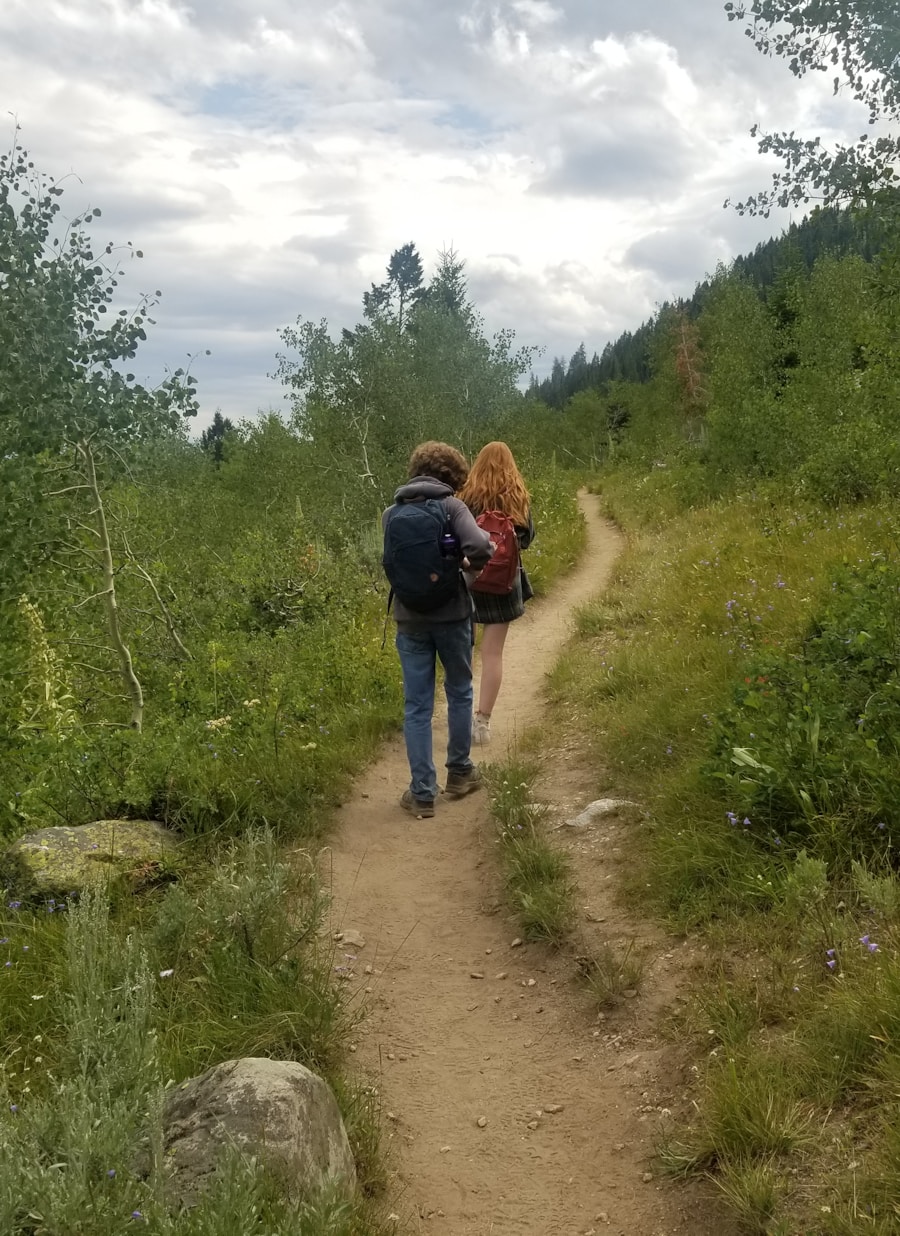
For children, the most successful hike is often shorter and more flexible than an adult would choose alone. Start with gentle terrain, allow plenty of time for stops, and bring extra food, water, sun protection, and clothing.
Activities such as nature bingo, spotting animal tracks, identifying leaves, or counting trail markers can make the outing feel like exploration rather than a forced march. Keep children close around cliffs, swift water, roads, wildlife, and other hazards.
Teach children what to do if the group becomes separated. They should know that wandering can make the situation worse and that staying in one safe, visible location can help adults and rescuers find them.
Hiking with Dogs and Other Pets
Pet access varies widely. Some trails welcome leashed dogs, while others prohibit pets entirely to protect wildlife, visitors, or sensitive habitat. Check the rules before arriving rather than assuming that a park allowing pets also allows them on trails.
The National Park Service recommends checking park-specific pet rules, evaluating whether the animal is fit for the route, carrying extra water, picking up waste, and keeping pets away from wildlife. Where leashes are required, obey the posted length and restraint rules.
Watch the temperature and trail surface as well. Hot ground, sharp rocks, long mileage, ticks, and limited water can affect pets differently from people.
Exploring Different Types of Hiking
Day Hiking
Day hiking covers trips completed without an overnight stay. It can include a short nature walk, an accessible boardwalk, a waterfall hike, or a strenuous mountain route. The variety makes day hiking a practical starting point for beginners.
Backpacking
Backpacking combines hiking with overnight camping. Hikers carry shelter, sleep equipment, food, water treatment, and other supplies needed to remain out overnight. The additional pack weight, food planning, permits, campsite rules, and emergency considerations make backpacking a step beyond ordinary day hiking.
Interpretive and Historical Hiking
Interpretive trails use signs, exhibits, or guided programs to explain ecology, geology, Indigenous history, historical events, or cultural sites. These hikes can add an educational element without necessarily increasing physical difficulty.
Multi-Use and Off-Trail Hiking
Multi-use trails may be shared with bicycles, horses, runners, or other users, so understanding right-of-way rules becomes especially important.
Off-trail hiking is permitted only in certain places and demands stronger navigation and minimum-impact skills. Check land-management rules first. Traveling away from marked routes where it is prohibited can damage sensitive habitat and make rescue more difficult.
Mountaineering and Rock Climbing
Mountaineering and rock climbing may include hiking approaches, but they are separate technical activities rather than simply more difficult forms of hiking. Routes involving ropes, exposed scrambling, glaciers, avalanche terrain, or technical climbing require additional training, equipment, and hazard management.
Hiking as a Form of Mindfulness
Hiking can also be used as a simple mindfulness practice. Instead of trying to reach the viewpoint as quickly as possible, slow down at safe places and notice sounds, textures, smells, light, temperature, and the rhythm of your steps.
You might pause periodically to listen for birds, notice changes in vegetation, or take a few calm breaths. Hiking with less conversation or without constant audio can also make it easier to notice both nature and potential hazards around you.
Mindfulness does not require ignoring discomfort or pushing through a difficult situation. Checking in with your body, noticing fatigue, and deciding to rest or turn around can be part of paying attention to the present moment.
For upcoming trips, appropriate footwear and reliable device power can make planning easier. Our guides to waterproof sneakers for travel and the best power banks for international travel provide additional gear ideas.
Frequently Asked Questions
What is considered hiking?
Hiking generally means walking outdoors for recreation, exercise, or exploration, usually on trails or natural terrain. It can range from short maintained paths to long, steep, and remote routes.
What are the benefits of hiking?
Hiking can provide aerobic physical activity, strengthen muscles used for walking and climbing, support healthy weight management, and provide time outdoors. Many hikers also value the relaxation, social connection, and break from everyday routines that hiking can provide.
What are the essential items for hiking?
Use the Ten Essentials as a starting point: navigation, sun protection, extra clothing, illumination, first aid, fire or an appropriate emergency heat source, repair tools, extra food, water plus treatment capability when needed, and emergency shelter. Adjust the exact gear to the route and conditions.
What are the different types of hiking trails?
Trails may be paved, boardwalk, natural-surface, interpretive, wilderness, coastal, mountain, desert, or multi-use routes. Difficulty depends on more than the trail type, so also check distance, elevation gain, terrain, exposure, weather, and navigation demands.
Is hiking suitable for all ages and fitness levels?
There are hiking routes suitable for many ages, abilities, and fitness levels, including short and accessible trails. The important step is matching the route and conditions to the individual rather than assuming every trail is suitable for everyone.
How much water should I bring hiking?
There is no single amount that works for every hike. Water needs change with heat, humidity, elevation, pace, duration, body size, and access to safe refill points. Plan for the route and carry an emergency margin; if you rely on natural water, bring an appropriate treatment method.
Do I need hiking boots?
Not always. Comfortable hiking shoes or trail shoes can work well on many maintained routes. Boots may provide more protection or support on rough, snowy, muddy, or heavily loaded trips. Fit, traction, terrain, weather, and personal comfort matter more than choosing one footwear style for every hike.
Sources
- National Park Service — Ten Essentials — hiking equipment and emergency-preparedness systems.
- National Park Service — Hike Smart — trail planning, communication, weather, navigation, and hiking safety.
- CDC — Health Benefits of Physical Activity for Adults — current physical-activity health benefits and recommendations.
- CDC — Water Treatment When Hiking, Camping, or Traveling — risks from untreated water and treatment methods.
- Leave No Trace — The 7 Principles — minimum-impact outdoor practices and trail etiquette.
- National Park Service — Hiking with Pets — pet access, leash practices, hydration, waste, and wildlife safety.
