Last Updated on September 10, 2026 by Daniel Globe
Knowing what to carry when hiking is about more than making your backpack comfortable. The right gear helps you navigate, handle changing weather, stay hydrated, treat minor injuries, and cope with an unexpected delay. Your exact packing list should match the trail, weather, trip length, terrain, water availability, and distance from help.
Quick Answer
For most hikes, carry navigation, sun protection, extra clothing, a headlamp, first-aid supplies, fire-starting equipment, repair tools, extra food, enough water plus treatment supplies, and emergency shelter. Add suitable footwear, a comfortable backpack, personal medications, and a communication plan based on the trail and conditions.
Key Takeaways
- Choose comfortable footwear with traction that matches the terrain rather than assuming one boot style is safest for every hike.
- Dress in moisture-managing layers and carry extra insulation and rain protection for unexpected weather.
- Use a properly fitted backpack with supportive shoulder straps and, when appropriate, a hip belt.
- Carry reliable navigation tools, including an offline or physical backup rather than depending on cellular service.
- Bring enough water for the route and a suitable treatment method when natural water may be required.
- Carry first aid, illumination, emergency shelter, fire-starting supplies, repair tools, extra food, and sun protection.
- Check weather and trail alerts and leave your route and expected return time with someone you trust.
Disclosure: As an Amazon Associate I earn from qualifying purchases. Some links on this page are affiliate links, at no extra cost to you.
Hiking Essentials Checklist
The National Park Service’s Ten Essentials provide a useful foundation for deciding what belongs in your hiking pack. The exact equipment within each category should be adjusted for the route, season, weather, trip length, and remoteness.
| Essential | What to Carry |
| Navigation | Map, compass, offline map or GPS; know how to use your chosen tools. |
| Sun protection | Sunscreen, sunglasses, hat and sun-protective clothing as conditions require. |
| Extra clothing | Rain shell, warm layer and other clothing suitable for the worst reasonable conditions. |
| Illumination | Headlamp or flashlight with spare batteries or another reliable power source. |
| First aid | First-aid kit, blister care and necessary personal medications. |
| Fire | Lighter or waterproof matches and suitable tinder where possession and use are permitted. |
| Repair/tools | Knife or multitool, tape and small repair items appropriate for your equipment. |
| Nutrition | Food for the planned hike plus extra food for an unexpected delay. |
| Hydration | Enough drinking water plus treatment supplies if you may need natural water. |
| Emergency shelter | Emergency bivy, space blanket, tarp or another shelter appropriate for your trip. |
Hiking Footwear
The right hiking footwear can make the difference between a comfortable trip and hours of sore feet. Match your footwear to the terrain, weather, pack weight, distance, and your own foot shape.
Traditional hiking boots often provide a firm platform, durable upper, protective toe area, and rugged outsole for loose, muddy, or rocky terrain. Mid- and high-cut boots can also feel more supportive around the ankle. However, they should not be treated as a guarantee against ankle sprains. Research on high-top footwear and sprain prevention has produced mixed results, so fit, traction, conditioning, balance, and careful foot placement still matter.
Brands such as Merrell and Salomon offer both boots and lighter hiking footwear, but the logo matters less than the fit. Your heel should remain reasonably secure, your toes should have room without sliding excessively, and the shoe should not create pressure points.
Trail-running shoes are a lighter alternative. Their lower weight, flexibility, ventilation, and responsive cushioning can make them comfortable for maintained trails and hikers who prefer a more agile feel. The tradeoff is often less underfoot protection, durability, or stiffness than a substantial hiking boot.
Pro Tip: Test hiking footwear on shorter walks before a long trip. Wear the socks you intend to hike in, and check for heel rubbing, toe pressure, numbness, or hot spots before committing to a full day on the trail.
Clothing and Sun Protection
Layering lets you adjust your clothing as temperature, wind, precipitation, elevation, and activity level change. A useful system usually consists of a base layer, insulating layer, and weather-resistant outer layer.
A base layer made from moisture-managing synthetic fabric or merino wool can move perspiration away from the skin and dry more effectively than absorbent everyday fabrics. Choose a fit that allows comfortable movement without bunching under backpack straps.
The mid-layer provides insulation. Depending on conditions, this might be a fleece, synthetic insulated jacket, or down garment. Carry enough insulation for the temperatures you could encounter if you have to stop moving unexpectedly.
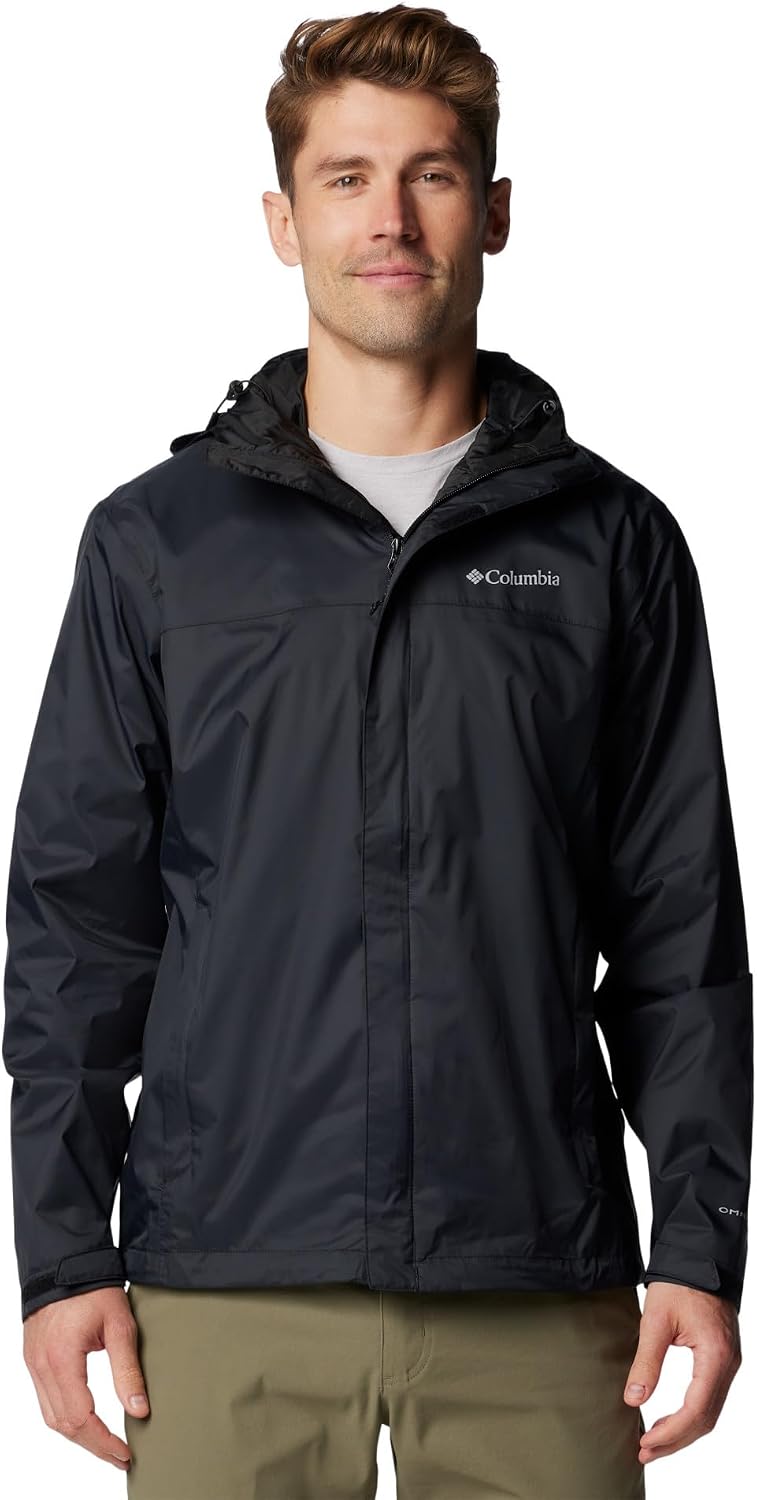
The outer layer protects against wind and rain. Waterproof, breathable shells are available from many manufacturers. GORE-TEX outerwear, for example, includes technologies designed to provide waterproof or weather-resistant protection while allowing moisture vapor to escape.
Also carry sun protection appropriate for the environment. The National Park Service includes sunglasses, sunscreen, a hat, and protective clothing within its Ten Essentials system.
Note: Pack for the conditions you may face later in the hike, not only for the temperature at the trailhead. Elevation, wind, storms, shade, and an unexpected delay can change how much insulation you need.
Backpack
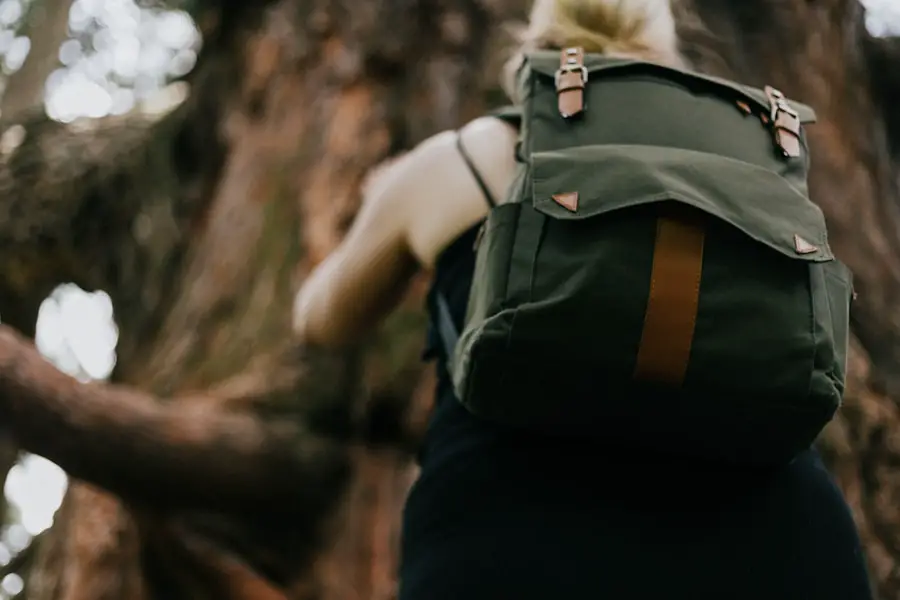
A well-fitted backpack keeps your essentials organized while carrying the load comfortably. Pack size should be based on what the trip actually requires rather than choosing the largest backpack available.
Compact daypacks in roughly the 15- to 30-liter range can work well for many day hikes, although cold-weather, remote, technical, or family outings may require additional space. Overnight and multi-day trips normally require larger packs because shelter, sleep equipment, food, extra clothing, and other supplies take up more room.
Look for shoulder straps that sit comfortably without digging into your neck. On packs designed for heavier loads, a properly fitted hip belt can transfer a substantial portion of the load away from the shoulders. A ventilated or mesh back panel may also improve comfort in warm conditions.
Use pockets and compartments deliberately. Frequently needed items such as water, snacks, sunscreen, navigation tools, rain gear, and a first-aid kit should be accessible without unloading the entire pack.
Navigation Tools
Reliable navigation is essential whenever a trail could become difficult to follow. A topographic map can show trail locations, elevation, water features, junctions, and terrain. A compass provides a battery-free way to orient that map, but both are only useful if you know how to use them.
GPS devices and smartphone apps can be extremely useful, particularly when maps are downloaded before leaving cellular coverage. Do not assume that a hiking route will have a working data connection.
| Navigation Tool | Best Use | Important Limitation |
| Topographic map + compass | Backcountry navigation and battery-free backup | Requires map-and-compass skills |
| Google Maps | Driving to trailheads and viewing available mapped areas | Trail detail and offline availability vary; not a substitute for appropriate backcountry navigation |
| Waze | Road navigation to the trailhead | Designed primarily for road travel rather than wilderness trail navigation |
| Apple Maps | Trailhead navigation and supported mapped routes | Coverage varies; carry another appropriate navigation method for remote routes |
Pro Tip: Download maps before leaving home, fully charge your phone or GPS, and carry a backup power source when the trip justifies it. A physical map and compass provide valuable backup because they do not depend on cellular coverage or a battery.
Hydration and Water Treatment
Dehydration can reduce physical and mental performance, so start a hike with enough water for the planned route and know where reliable refill points are located.
There is no single water quantity that fits every person and trail. As one current example, Great Smoky Mountains National Park recommends at least 1 liter of water per two hours of hiking. Treat that as a planning reference rather than a universal formula. Heat, humidity, altitude, direct sun, exertion, body size, health, and route difficulty can all change your needs.
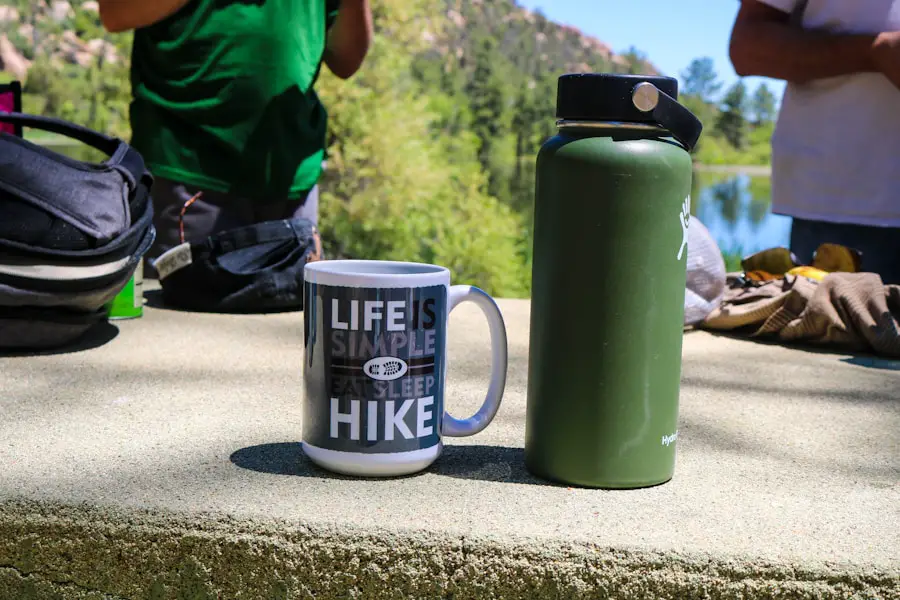
Water can be carried in bottles, soft flasks, or a hydration reservoir. Reservoirs make frequent sipping convenient, while bottles make it easier to see how much water remains. Either system works when it carries enough water reliably.
Never assume a clear mountain stream is safe to drink. The CDC’s backcountry water-treatment guidance states that boiling is the most reliable way to kill germs. Bring clear water to a rolling boil for 1 minute, or 3 minutes at elevations above 6,500 feet.
When boiling is not practical, use a treatment method appropriate to the contaminants you may encounter. Many portable filters remove parasites and some remove bacteria, but ordinary backpacking filters generally should not be assumed to remove viruses. CDC recommends filtering and then disinfecting as the next-best general approach when safe water cannot otherwise be obtained.
Warning: Boiling, filtering, or disinfecting cannot make water contaminated with harmful chemicals or toxins safe. Check local advisories and use another water source when chemical contamination or harmful algal blooms are a concern.
Shelter
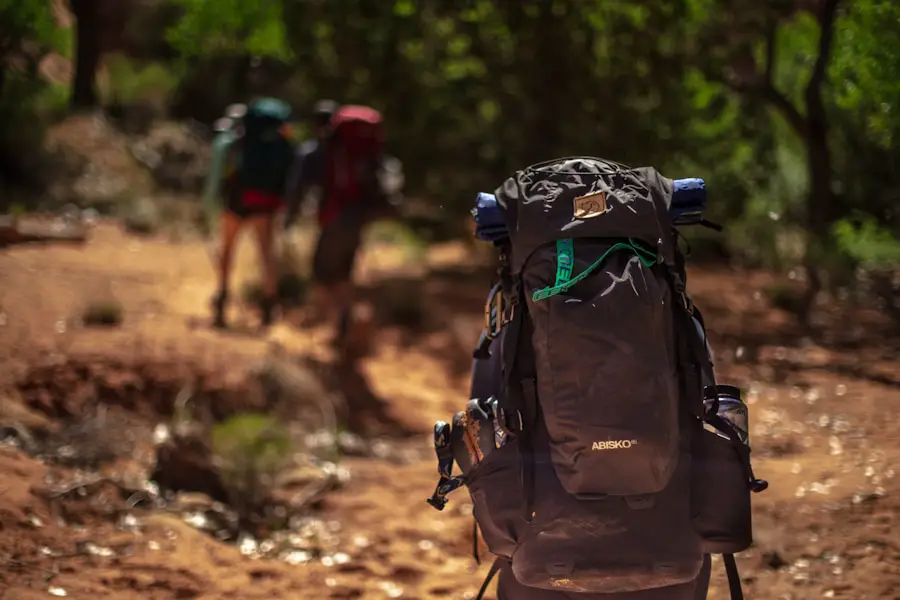
Shelter means two different things depending on the trip. Backpackers spending the night need a sleeping shelter, while day hikers should still consider carrying compact emergency protection in case an injury, navigation problem, or weather delay prevents a timely return.
Tents are the most common overnight shelter for backpackers and campers. They range from lightweight backpacking models to larger family tents. Compare weight, packed size, weather resistance, interior space, ventilation, and ease of setup.
Hammocks are another lightweight option where regulations and suitable anchors allow them. They provide ventilation and can be comfortable in warm weather, but insulation beneath the sleeper becomes important in cold conditions because a compressed sleeping bag provides limited insulation underneath the body. An underquilt or appropriately insulated sleep system may be needed.
Tarps can provide simple rain and wind protection and are also useful as part of an emergency shelter system.
For a day hike, you do not necessarily need to carry a full tent. The National Park Service lists options such as an emergency bivy, tarp, tent, or space blanket as emergency shelter.
First Aid Kit
A first-aid kit should match the size of the group, the duration of the trip, and how far you will be from professional help. A basic hiking kit commonly includes adhesive bandages, gauze, medical tape, antiseptic supplies, blister treatment, gloves, and any medications you personally require.
Depending on your needs and medical suitability, you may also carry an over-the-counter pain reliever or antihistamine. Keep personal prescriptions protected from moisture and bring enough for the trip plus a reasonable margin for unexpected delays.
Gear does not replace first-aid knowledge. Learning how to manage bleeding, blisters, sprains, heat illness, cold stress, and other common outdoor problems can be more valuable than carrying supplies you do not know how to use.
The National Park Service recommends considering CPR and basic wilderness first-aid training, particularly for backcountry travel.
Headlamp and Emergency Illumination
Carry a headlamp or flashlight even when you expect to finish before dark. An injury, wrong turn, slower hiking partner, weather change, or unexpectedly difficult terrain can turn a daytime hike into an evening return.
A headlamp is particularly useful because it keeps both hands free. Carry spare batteries or another dependable source of power appropriate for the light.
A phone flashlight is useful in a pinch, but it consumes the same battery you may need for navigation and emergency communication. A separate headlamp provides important redundancy.
Fire Starter, Knife, and Repair Kit
The Ten Essentials include both fire-starting equipment and repair tools. A compact kit may contain a lighter or waterproof matches, fire-starting tinder, a knife or multitool, strong tape, cord, and small repair items specific to your backpack, shelter, footwear, or other critical gear.
Fire can provide warmth, light, or an emergency signal in some situations, but carrying a lighter does not mean you should automatically build a campfire. Follow all local fire restrictions, seasonal bans, campground rules, and Leave No Trace practices.
Warning: Wildfire restrictions can change quickly. Check the managing agency’s current alerts before your hike and never start a fire where it is prohibited or unsafe.
Food and Snacks
Hiking increases energy demand, so pack food that is easy to carry, safe in expected temperatures, and comfortable for you to eat while active. For longer or remote hikes, bring more than the exact amount you expect to consume so an unexpected delay does not leave you without food.
Trail mix remains a convenient option because nuts, seeds, dried fruit, and other ingredients can provide carbohydrates, fat, protein, and substantial energy in a small volume.
Energy bars, nut or seed butter packets, dried fruit, jerky, crackers, sandwiches, and other portable foods can also work well. Rather than judging a food solely by whether it contains sugar, consider your energy needs, ingredient tolerance, nutritional balance, storage conditions, and how easy the food is to eat during the hike.
For overnight trips, dehydrated meals are popular because they reduce food weight and usually require only hot water, although you also need the appropriate stove, fuel, cookware, and water.
Emergency Communication and Trip Planning
Gear is only one part of hiking preparation. Before leaving, check the weather forecast, trail status, closures, wildfire information, water availability, and any hazards published by the land-management agency.
The National Park Service’s Hike Smart guidance recommends leaving a trip plan with a trusted person who is not hiking with you. Include where you are going, the planned route, who is in the group, and when you expect to return.
Do not assume your phone will have cellular reception. In remote country, hikers may choose to carry a personal locator beacon or satellite communicator as an additional emergency communication tool. A whistle is another small, lightweight signaling device worth considering.
Keep phone power in reserve. In weak-signal areas, constantly searching for service can drain a battery, so airplane mode can be useful when cellular functions are not needed.
Check the Weather Before You Leave
Weather can change rapidly in mountains and exposed terrain. Check the forecast before starting and be prepared to change or cancel the hike when conditions are unsuitable.
The National Weather Service advises seeking a substantial enclosed building or metal-topped vehicle when thunder is heard in frontcountry areas. No outdoor location is completely safe during a thunderstorm, so prevention and early route decisions are important.
Note: Set a turnaround time before the hike. Reaching the summit, waterfall, viewpoint, or destination is optional; returning safely is not.
Optional Gear for Overnight and Travel Trips
For an overnight hiking trip, a reliable sleeping bag becomes part of your sleep system. This sleeping bag guide covers options intended for backpacking and travel. Choose insulation appropriate for the temperatures you expect rather than relying on a sleeping bag simply because it is lightweight.
Packing cubes, including the options discussed in this packing-cube article, can help organize clothing or camp items, although lightweight stuff sacks may be more practical when minimizing pack weight.
Noise-canceling earbuds, such as those featured in this earbud article, can be an optional comfort item for travel or relaxing at camp. Avoid blocking environmental sounds while actively hiking, crossing roads, traveling in wildlife habitat, or whenever situational awareness matters.
Preparing well does not mean carrying every outdoor product you own. It means taking the equipment necessary to stay comfortable and handle realistic problems for your specific route. Start with the Ten Essentials, then adjust your footwear, clothing, water, food, shelter, navigation, and emergency equipment for the trail in front of you.
Love travel? Join Our Facebook Community
Frequently Asked Questions
What are the essential items to carry when hiking?
Start with the Ten Essentials: navigation, sun protection, extra clothing, illumination, first aid, fire, repair tools, extra food, water and water-treatment capability, and emergency shelter. Add suitable footwear, personal medications, a whistle, and communication equipment appropriate for the route.
Why is it important to carry a map and compass when hiking?
A physical map and compass provide navigation that does not depend on cellular coverage, a GPS signal, or battery power. They are most useful when you know how to use them, so practice basic orientation and route-finding skills before depending on them in an emergency.
How much water should I carry when hiking?
There is no universal amount for every hiker. As a planning reference, Great Smoky Mountains National Park currently recommends at least 1 liter for every two hours of hiking, but heat, altitude, humidity, exertion, route difficulty and personal needs can substantially change the amount required. Research the route’s reliable water sources before leaving.
What should I consider when choosing extra clothing for hiking?
Pack for the coldest, wettest, or windiest reasonable conditions you could face, not just the weather at the trailhead. A moisture-managing base layer, insulation, and rain or wind shell make it easier to adjust as conditions change.
Why is it important to carry a first aid kit when hiking?
A first-aid kit helps you manage minor injuries such as cuts, blisters, and abrasions and can support initial care while professional help is being reached. Carry supplies suited to your group and route, along with necessary personal medications, and learn basic first-aid skills before heading into remote areas.
What type of fire starter should I carry when hiking?
A dependable lighter or waterproof matches plus suitable tinder is a common emergency choice. Carrying a fire starter does not mean a fire is always allowed. Check current restrictions before the hike and never start a fire when conditions or regulations prohibit it.
Why is a headlamp or flashlight important to carry when hiking?
A hike can take longer than expected because of injury, navigation problems, weather, difficult terrain, or a slower pace. A headlamp lets you navigate after dark while keeping your hands free. Carry spare batteries or another dependable power source.
Can I rely on my phone for hiking navigation?
A phone can be an excellent navigation tool when maps are downloaded in advance, but it should not be your only plan on remote routes. Batteries die, devices break, and cellular coverage can disappear. Carry an appropriate backup and preserve phone power for emergencies.
Is stream water safe to drink while hiking?
Do not assume untreated stream, river, spring, pond, or lake water is safe. CDC recommends boiling questionable water when possible. When boiling is impractical, use an appropriate treatment system; filtering followed by disinfection provides broader protection than many filters or chemical treatments used alone.
Do I need emergency shelter on a day hike?
For remote or exposed hikes, compact emergency shelter is a sensible precaution even when you do not intend to stay overnight. An emergency bivy, space blanket, or lightweight tarp can provide protection if an injury, weather event, or navigation problem delays your return.
Sources
- National Park Service — Ten Essentials — hiking preparedness, navigation, sun protection, illumination, first aid, food, water and emergency shelter.
- National Park Service — Hike Smart — trip plans, weather preparation, emergency communication and trail-safety planning.
- Great Smoky Mountains National Park — Hiking — current Ten Essentials checklist and hiking hydration planning guidance.
- Centers for Disease Control and Prevention — Water Treatment While Hiking and Camping — boiling, filtering, disinfection and backcountry drinking-water safety.
- National Weather Service — Lightning Safety — outdoor thunderstorm and lightning-risk guidance.
- PubMed — Interventions for Preventing Ankle Ligament Injuries — evidence regarding high-top footwear and ankle-sprain prevention.