
Last Updated on July 27, 2026 by Daniel Globe
Hiking gear can cost very little if you already own suitable clothing and footwear, or it can become a major investment once you add backpacking, winter travel, or lightweight technical equipment. The useful question is not simply how much hiking gear costs, but what kind of hiking you plan to do and which items you actually need to buy.
Quick Answer
A mostly new day-hiking setup can reasonably cost about $250–$700 if you need footwear, a daypack, rain protection, and basic safety gear. A beginner overnight backpacking setup often lands around $700–$1,500 or more. Premium lightweight equipment can push the total above $2,000, while borrowing, renting, sales, and used non-safety gear can cut the cost substantially.
Key Takeaways
- Day hiking is much cheaper to start than overnight backpacking because you do not need a tent, sleeping system, stove, or large pack.
- A realistic budget depends on what you already own, the weather, trail difficulty, trip length, and how lightweight you want your kit to be.
- Spend first on proper fit, weather protection, and safety rather than brand names or the lightest possible equipment.
- Used packs, tents, clothing, and trekking poles can save money, but life-safety equipment with an unknown history should generally be bought new.
- Maintenance, permits, transportation, fuel, replacement filters, food storage, and other recurring expenses should be part of the total budget.
Disclosure: As an Amazon Associate I earn from qualifying purchases. Some links on this page are affiliate links, at no extra cost to you.
How Much Does Hiking Gear Cost in 2026?
There is no single meaningful “average” price because a two-hour local hike and a three-night wilderness backpacking trip require very different equipment. It is more useful to plan by trip type.
| Setup | Useful Planning Range |
| Basic local day hiking when you already own suitable clothing and shoes | About $50–$200 for a small pack, water containers, basic first aid, illumination, and other missing essentials |
| Mostly new day-hiking setup | About $250–$700 |
| Beginner overnight backpacking setup | About $700–$1,500+, depending on what you already own and how aggressively you shop sales or used gear |
| Lightweight or premium backpacking setup | Roughly $1,500–$3,000+ is possible once premium shelters, sleep systems, packs, clothing, and electronics are included |
Note: These are planning ranges, not official market averages. Prices change with size, season, sales, brands, materials, and availability. Your real startup cost may be far lower if you already own suitable clothing, footwear, a daypack, water bottles, or emergency supplies.
Typical Hiking Gear Price Ranges
Current retail listings show how wide the price spread can be. For example, mainstream hiking daypacks can start around the $40–$100 range, while larger technical packs cost substantially more. Backpacking tents and sleeping bags span an even wider range because lighter materials and colder temperature ratings usually increase the price.
| Gear Category | Typical New-Retail Planning Range |
| Hiking shoes or boots | About $80–$220 for many mainstream options; premium technical footwear can cost more |
| Daypack | About $40–$150 |
| Backpacking pack | About $130–$400+ |
| Waterproof rain shell | About $50–$260+ depending on construction and sales |
| Trekking poles | About $45–$230 per pair |
| Backpacking tent | About $135–$500+, with some premium ultralight shelters costing more |
| Backpacking sleeping bag | About $120–$400 for many mainstream models; premium cold-weather and ultralight bags can exceed $500 |
| Sleeping pad | About $40–$220+ |
| Water treatment | About $20–$150+, depending on treatment method and capacity |
The most important lesson is that price alone does not tell you whether an item is right for you. Fit, conditions, reliability, packed weight, durability, and how frequently you hike matter more than simply buying the most expensive model.
The Essential Gear: Must-Haves for Every Hiker
When preparing for a hiking trip, start with equipment that protects you from the most likely problems rather than buying every accessory marketed to hikers. Footwear is a good example. A supportive, well-fitting hiking shoe or boot with suitable traction can improve comfort and footing, but you do not need a heavy mountaineering boot for an easy maintained trail.
Choose footwear based on the terrain, weather, load you are carrying, and your own fit needs. Moisture-managing socks made from wool or synthetic fibers can also help keep feet more comfortable by drying faster than cotton.
A well-fitting backpack is the next major item. For a shorter day hike, a small pack may be all you need. Longer outings require more room for food, water, emergency supplies, and extra clothing. Overnight backpacking adds a much larger equipment list, including a shelter and sleep system.
Do Not Forget the Ten Essentials
The National Park Service Ten Essentials provide a useful baseline for trip preparation. The exact equipment should still be adjusted for your route, weather, duration, and distance from help.
- Navigation: map, compass, GPS, or another appropriate navigation system, plus the knowledge to use it.
- Sun protection: sunglasses, sunscreen, hat, and protective clothing as conditions require.
- Extra clothing: layers suitable for an unexpected weather change or delay.
- Illumination: a headlamp or flashlight and appropriate spare power.
- First aid: supplies matched to your group and trip.
- Fire: an appropriate emergency fire-starting method where legal and safe to use.
- Repair kit and tools: basic equipment for likely field repairs.
- Extra food: beyond what you expect to eat normally.
- Hydration: adequate water plus treatment supplies where natural water sources will be used.
- Emergency shelter: protection appropriate to the environment if you are unexpectedly delayed.
Warning: A phone is useful, but do not make it your only navigation, lighting, or emergency plan. Cell coverage can disappear in backcountry areas, and batteries can fail or run down.
Day Hiking Gear vs. Backpacking Gear
A major reason hiking-cost estimates vary so much is that day hiking and backpacking are not the same purchase.
A day hiker may need little more than suitable footwear, weather-appropriate clothing, a daypack, food, water, navigation, and emergency equipment. The REI day-hiking checklist similarly scales equipment to hike duration and conditions.
An overnight backpacker must also carry a shelter, sleeping bag or quilt, sleeping pad, larger pack, additional food, water treatment, and often a stove and repair supplies. The REI backpacking checklist shows how quickly those additional categories expand the total budget.
Quality vs. Cost: What Are You Actually Paying For?
One of the biggest decisions when purchasing hiking gear is how much quality you need. Higher-priced products may offer lower weight, a better suspension system, more sophisticated materials, stronger weather protection, better fit options, repairability, or specialized performance.
That does not mean an expensive item is automatically more durable or safer. An ultralight tent, for example, may cost considerably more because reducing ounces requires expensive materials and construction. The lighter product is not necessarily tougher than a heavier budget model.
Footwear provides another example. A pair that fits correctly and suits the terrain is more useful than a costly boot that causes pressure points or feels unstable on your feet. Packs should also be fitted with the expected load rather than selected only by brand or online reviews.
Pro Tip: For backpacking, choose your shelter, sleeping system, and other bulky equipment before finalizing your pack. Once you know the volume and weight you must carry, it is easier to buy a pack with the right capacity and load support.
Where Spending More Often Makes Sense
- Footwear: pay for fit and suitability rather than a logo.
- Backpacks: suspension and fit become increasingly important as load and distance increase.
- Rain protection: frequent hikers in wet climates may benefit from better construction and ventilation.
- Sleep systems: backpackers often spend more to reduce weight while maintaining enough insulation for expected conditions.
- Safety-critical technical gear: buy equipment appropriate to the activity and follow the manufacturer’s inspection and retirement instructions.
Budget-Friendly Options: Where to Save on Hiking Gear
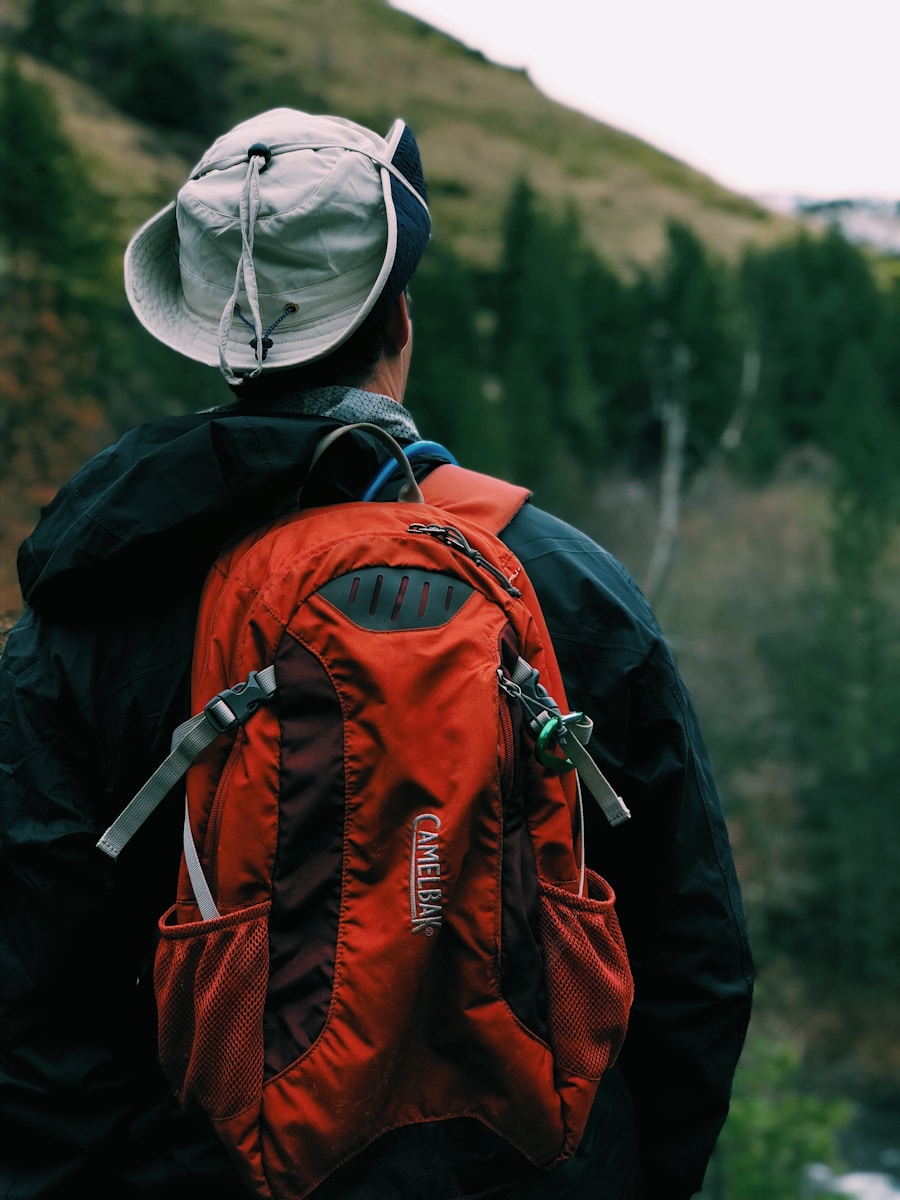
You do not need a premium kit to enjoy hiking. For many beginners, the smartest approach is to spend slowly while learning which features actually matter.
Used equipment can be an excellent option for non-safety-critical categories. Packs, tents, trekking poles, cookware, and some outerwear are often available secondhand. Inspect zippers, seams, coatings, poles, buckles, padding, and signs of excessive wear before buying.
Programs such as REI Re/Supply demonstrate that a meaningful market exists for used outdoor equipment, including packs, tents, and sleeping bags.
Warning: Be much more cautious with life-safety equipment. Avoid used climbing ropes, harnesses, helmets, avalanche rescue equipment, or similar protective gear when you cannot verify its full history and condition. Reputable resale programs commonly exclude these categories for that reason.
Other Ways to Reduce Hiking Gear Costs
- Borrow first. Friends or hiking groups may have spare tents, packs, stoves, or trekking poles.
- Rent expensive items. Renting can make sense for your first backpacking trip or for equipment you only need occasionally.
- Shop end-of-season sales and previous-year models. Color and model updates can create large discounts without changing the basic function you need.
- Reuse ordinary items. You may already own fleece layers, synthetic athletic shirts, water bottles, hats, or other useful equipment.
- Avoid duplicate gadgets. Multi-use items can reduce both cost and pack weight.
- Upgrade after experience. A few hikes will tell you more about your priorities than hours of comparison shopping.
Many outdoor retailers run clearance events, member sales, or seasonal promotions, which can make quality equipment more affordable. The exact timing and discount varies, so compare the final price rather than assuming a sale automatically represents good value.
Specialty Gear: When to Invest in Specific Items
Most hikers do not need technical equipment for every outing. Specialty purchases become worthwhile when the route, climate, or activity creates a specific need that ordinary hiking gear cannot safely or comfortably meet.
| Item | Investment Criteria | Example |
| Climbing Gear | Required only when your activity becomes technical climbing or mountaineering rather than ordinary hiking | Appropriate ropes, harnesses, helmets, and connectors used with proper training |
| Scuba Diving Equipment | This is a separate outdoor activity and should not be included in a normal hiking budget | Drysuits, dive computers, and specialized regulators belong to a diving budget rather than hiking gear costs |
| Backpacking Gear | Worth investing in when you regularly carry shelter and overnight equipment over long distances | Lighter tents, sleep systems, and packs for multi-day wilderness trips |
| Skiing and Snowboarding Equipment | These are separate winter sports, although some safety and clothing systems overlap with winter hiking | Skis, snowboards, touring equipment, and sport-specific protective gear |
Hiking Specialty Gear That Can Change Your Budget
Snow and ice are common reasons for buying additional equipment. Depending on conditions, a winter hiker may need insulated or waterproof footwear, gaiters, warmer layers, trekking poles, snowshoes, or over-the-shoe traction devices. The National Park Service notes that traction devices can improve grip on hard-packed snow and ice, while deeper soft snow may call for snowshoes.
More technical mountaineering terrain is different. Crampons, an ice axe, mountaineering boots, ropes, helmets, and related equipment require appropriate skills and route-specific judgment. Buying the equipment itself does not make technical terrain safe.
Backcountry avalanche terrain adds another level of preparation. An avalanche transceiver, probe, and shovel are standard rescue tools, but they need to be paired with avalanche education, practice, appropriate partners, and a current forecast.
Other trail-specific purchases may include a bear-resistant food container, satellite communicator, insect protection, water capacity for dry routes, specialized sun protection, or a colder-rated sleep system.
Note: Check the managing agency’s current rules before buying specialty equipment. A bear canister, permit, traction device, or food-storage method may be required on one route and unnecessary or unsuitable on another.
Hidden Costs: Maintenance and Upkeep of Hiking Gear
The purchase price is only part of the cost of owning hiking equipment. Cleaning, repairs, waterproofing treatments, replacement parts, batteries, fuel, water-treatment components, and eventual replacement can add up over time.
Footwear Care
Hiking footwear lasts longer when dirt and mud are removed and the shoes are dried correctly. Full-grain leather may occasionally need an appropriate conditioner, while suede, nubuck, synthetic fabrics, and waterproof membranes have different care requirements. Follow the footwear manufacturer’s instructions rather than applying the same treatment to every boot.
REI’s hiking-boot care guidance also advises drying boots at normal temperatures rather than placing them near strong heat, which can damage leather and adhesives.
Tent Care
A tent does not need a full wash after every short outing. Shake or brush out dirt as needed, clean significant grime or contamination, and make sure the tent is completely dry before storage. Packing a damp tent can promote mildew and damage waterproof coatings over time.
Sleeping Bag Care
Sleeping bags should be aired out and kept dry. Spot cleaning is often enough for minor dirt. When a full wash is needed, follow the manufacturer’s instructions and use a washing method suitable for the insulation and construction. Storing a sleeping bag tightly compressed for long periods can also reduce loft.
Other Recurring Hiking Costs
- Replacement water-filter cartridges or chemical treatment
- Stove fuel
- Batteries or charging equipment
- Waterproofing and DWR treatments
- Boot laces, insoles, socks, and other wear items
- Tent patches, buckles, shock cord, and repair materials
- Permit, reservation, parking, or camping fees where applicable
- Transportation to and from trailheads
- Special food-storage requirements
These expenses are usually modest compared with buying an entire kit, but they matter when estimating the true long-term cost of hiking.
The Price of Comfort: Upgrading Your Hiking Experience

Higher-quality equipment can improve comfort, but the most valuable upgrade depends on what is currently bothering you. Replacing cotton clothing with faster-drying polyester, nylon, or merino layers can improve moisture management during long or wet hikes. A properly fitted pack can also distribute weight more comfortably and reduce rubbing or pressure points.
Trekking poles are another useful upgrade for some hikers. They can improve stability on uneven terrain and give the upper body a role in movement. Research on downhill hiking has also found reductions in some lower-extremity forces when poles are used, although that does not mean poles universally reduce knee loading during every type of walking.
The best upgrade is usually the one that solves a problem you have already experienced—not the most expensive item on a gear list.
A Sensible Order for Buying Hiking Gear
- Use what you safely already own. Suitable athletic clothing, fleece, hats, bottles, and other everyday items may work perfectly well.
- Fix footwear problems first. Comfort and traction matter on every trip.
- Build the Ten Essentials. Make sure your safety systems match the route.
- Buy a pack that fits the load. A simple daypack may be enough until you start backpacking.
- Rent or borrow overnight equipment. Try backpacking before committing hundreds of dollars to a shelter and sleep system.
- Upgrade after experience. Spend more only when lower weight, greater warmth, weather protection, durability, or another specific feature will meaningfully improve your trips.
The Overall Investment of Hiking Gear
The investment in hiking gear extends beyond the amount paid at checkout. Appropriate equipment contributes to comfort, preparedness, and the ability to manage changing outdoor conditions. At the same time, beginners do not need to buy a complete premium kit before setting foot on a trail.
A day hiker can often begin with items already in the closet and add a few essentials over time. Backpacking requires a much larger initial investment because shelter, sleep, cooking, and water-treatment systems become part of the load. Technical winter hiking or mountaineering increases both equipment costs and the need for skills and training.
The best approach is to match the purchase to the trip. Pay attention to fit, weather, terrain, expected load, and the consequences of equipment failure. Use sales and secondhand equipment where sensible, maintain what you own, and avoid paying for specialized features until you know they solve a real problem for you.
Ultimately, hiking equipment should make exploration easier rather than turn preparation into a spending contest. A carefully selected modest kit can be more useful than an expensive collection of gear that is poorly fitted or inappropriate for the route.
If hiking is part of a larger travel itinerary, destination and season can change your clothing and equipment needs as well as transportation and lodging costs. For example, travelers planning hiking during a trip to Spain can use this guide to the best time to travel to Spain to compare seasonal conditions before deciding which layers and weather protection to pack.
Frequently Asked Questions
What is the average cost of hiking gear?
There is no reliable universal average because day hiking and backpacking require different equipment. A mostly new day-hiking setup may cost roughly $250–$700, while a beginner overnight backpacking setup can reasonably reach about $700–$1,500 or more. Existing clothing, sales, rentals, and used non-safety gear can reduce those totals.
What are some essential hiking gear items and their average costs?
Common planning ranges include roughly $80–$220 for hiking footwear, $40–$150 for a daypack, $50–$260+ for a rain shell, and $45–$230 for trekking poles. Backpacking adds major purchases such as a roughly $135–$500+ tent, a $120–$400+ sleeping bag, a sleeping pad, larger backpack, stove, and water-treatment system. These are retail planning ranges rather than fixed averages.
Are there ways to save money on hiking gear?
Yes. Start with suitable items you already own, borrow or rent expensive equipment, shop previous-season models and clearance sales, and buy used packs, tents, trekking poles, or clothing after inspecting them carefully. Avoid unknown-history life-safety equipment such as climbing ropes, harnesses, and helmets.
What are some higher-end hiking gear items and their average costs?
Premium ultralight shelters can cost $400–$600 or more, premium sleeping bags can exceed $500, technical rain shells can cost several hundred dollars, and lightweight packs and specialized footwear can also command premium prices. Higher cost may buy lower weight, specialized materials, or added features rather than automatically providing greater durability.
Are there additional costs associated with hiking gear?
Yes. Depending on the trip, budget for maintenance products, replacement filters, stove fuel, batteries, repairs, permits, camping or parking fees, transportation, food storage, and replacement wear items such as socks, insoles, or laces.
How much does a beginner need to spend for day hiking?
Someone who already owns suitable shoes and weather-appropriate clothing may only need $50–$200 of additional equipment. Buying footwear, a pack, rain protection, and most safety essentials new can move a full starter setup closer to roughly $250–$700.
Why is backpacking gear so much more expensive?
Backpacking requires you to carry your shelter, sleep system, food, water treatment, emergency equipment, and other supplies. Manufacturers can also charge more for materials and construction that reduce weight while maintaining the warmth, weather resistance, or load support needed for multi-day travel.
Should beginners buy all their hiking gear at once?
Usually not. Start with the equipment required for your next trip and learn what works. Renting or borrowing expensive backpacking equipment before purchasing it can prevent costly mistakes and help you decide whether lower weight, extra warmth, or other premium features are worth paying for.
Sources
- U.S. National Park Service — Ten Essentials — emergency preparedness and essential hiking systems.
- U.S. National Park Service — Trip Planning Guide — route planning, emergency preparation, and why phones do not replace essential equipment.
- REI Co-op — Day Hiking Essentials Checklist — day-hike equipment and packing considerations.
- REI Co-op — Backpacking Checklist — equipment required for overnight backpacking.
- REI Co-op — How to Buy Used Outdoor Gear and Clothing — secondhand buying guidance and safety-equipment cautions.
- PubMed — Effects of Hiking Downhill Using Trekking Poles While Carrying External Loads — research on lower-extremity loading during downhill hiking.

