Last Updated on July 28, 2026 by Daniel Globe
The best time to visit Spain depends on where you are going and what you want to do. For most first-time sightseeing trips, April through May and September through October offer the strongest balance of comfortable weather, manageable crowds, and outdoor dining. Beach trips, northern routes, ski holidays, and the Canary Islands follow different seasonal patterns.
Quick Answer
The best time to visit Spain for sightseeing is generally April to May or September to October. Choose June or September for Mediterranean beaches, June to early September for northern Spain, December to March for skiing, and almost any month for the mild Canary Islands.
Key Takeaways
- Best overall: April–May and September–October suit most city, food, culture, and road-trip itineraries.
- Best for beaches: June and September usually provide warm coastal weather with fewer crowds than July and August.
- Best for northern Spain: June through early September generally offers the region’s warmest and most reliable outdoor conditions.
- Best for value: November through February can bring lower demand outside Christmas, New Year, ski areas, and major events.
- Best winter-sun option: The Canary Islands remain mild throughout the year and are especially popular during the European winter.
Best Time at a Glance
| April–May | Best all-around period for sightseeing, Andalusia, gardens, walking tours, and spring festivals; Easter can create major crowd spikes. |
| June | Good for beaches, islands, hiking, and northern Spain before the busiest summer period; southern cities may already be hot. |
| July–August | Best for lively beach holidays and major festivals, but also the hottest, busiest, and often most expensive period. |
| September–October | Excellent for city trips, warm coastal stays, hiking, wine regions, harvest events, and fewer crowds than midsummer. |
| November–February | Good for museums, quieter cities, seasonal food, skiing, and Canary Islands sunshine; expect colder inland weather and shorter days. |
Disclosure: As an Amazon Associate I earn from qualifying purchases. Some links on this page are affiliate links, at no extra cost to you.
When Is the Best Time to Visit Spain?
For a broad trip combining Madrid, Barcelona, Seville, Granada, and other historic cities, the best time to visit Spain is usually April to May or September to October. Spain’s official tourism portal identifies spring and autumn as the seasons with the mildest general conditions, but it also stresses that the climate changes significantly by region.
The north is greener, cooler, and more humid. Inland cities experience hotter summers and colder winters. The Mediterranean coast has milder winters, while the Canary Islands have springlike conditions through much of the year. Review the official climate guide for Spain before choosing dates for a multi-region itinerary.
Note: A shoulder-season month is not automatically quiet. Semana Santa, Feria de Abril, Las Fallas, major football matches, trade fairs, and local festivals can fill hotels and timed-entry attractions.
For most sightseeing itineraries, April–May and September–October offer the best compromise between weather, crowds, and access to outdoor attractions.
Spring: Flowers, Festivals, and Comfortable Sightseeing
Spring is one of the most rewarding times to explore Spain. From March through May, days become longer, terraces reopen, gardens bloom, and walking through historic centers is generally more comfortable than during midsummer. Conditions can still change quickly, so pack a light waterproof layer along with sun protection.
Andalusia is especially appealing in spring. Orange blossoms perfume streets in Seville and Córdoba, while gardens, courtyards, and rural landscapes become more colorful. Seasonal foods such as artichokes, asparagus, peas, and strawberries appear in markets and restaurant menus.
Spring is also one of Spain’s busiest cultural periods. Semana Santa takes place in March or April, depending on the Easter calendar, with major processions in Seville, Málaga, Granada, Valladolid, and many other cities. Seville’s Feria de Abril follows later in the season, while Córdoba’s Festival of the Courtyards is normally celebrated in May.
Pro Tip: Check the Easter calendar before booking an Andalusia trip. Holy Week can bring exceptional atmosphere, but it also raises accommodation demand and may restrict vehicle access in historic centers.
Spring is best for: Andalusia, cultural city breaks, gardens, road trips, food travel, moderate hiking, photography, and travelers who prefer long days without peak summer heat.
Summer: Beaches, Northern Spain, and Major Festivals
Summer brings Spain’s busiest beach season and a full calendar of concerts, fairs, and local celebrations. Coastal destinations such as Barcelona, Valencia, Málaga, the Costa Brava, Costa del Sol, and the Balearic Islands become lively from June through August.
June can provide a useful compromise: beach weather is developing, daylight is long, and many destinations are not yet as crowded as they become during the European school-holiday period. September is another strong coastal month because the sea remains warm in many Mediterranean destinations after the largest summer crowds begin to leave.
July and August are the hottest months across much of Spain. Daytime temperatures frequently exceed 30°C in southern and inland areas, and warm nights can make sightseeing tiring. Northern destinations such as Galicia, Asturias, Cantabria, Navarre, and the Basque Country generally remain cooler, although rain is possible at any time.
Warning: Avoid planning long, unshaded walking tours in southern or inland cities during the hottest afternoon hours. Carry water, use sun protection, schedule indoor attractions during peak heat, and never leave children or pets in a parked vehicle.
Summer also includes several internationally known festivals. San Fermín takes place in Pamplona from July 6 through July 14. La Tomatina is held in Buñol on the last Wednesday in August. Both events attract substantial visitor demand, so transport and accommodation should be arranged well ahead.
Summer is best for: beach holidays, island trips, water sports, northern Spain, music festivals, late-night dining, and travelers who enjoy a high-energy atmosphere.
Fall: Wine Harvests, Warm Coasts, and Mild Weather
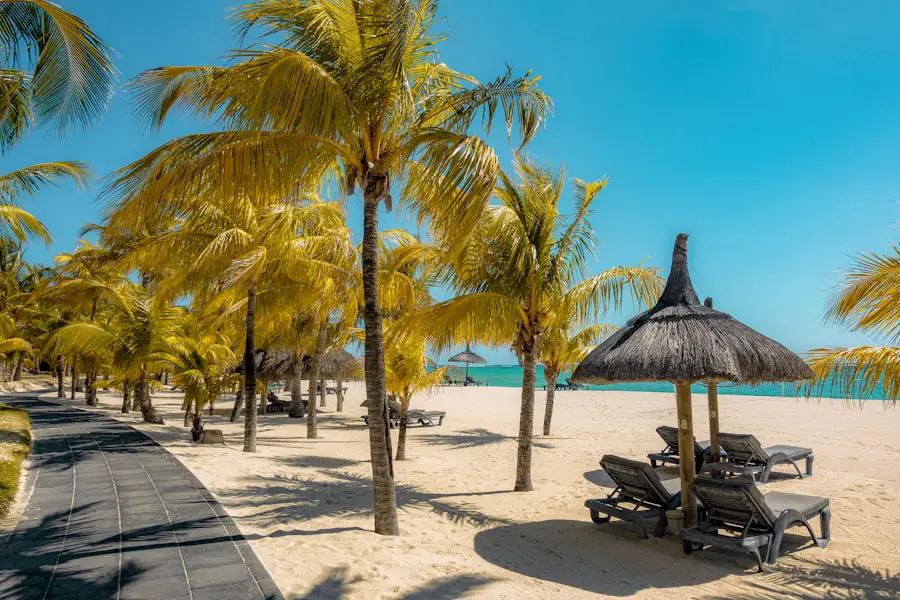
Fall is another excellent time to visit Spain. September often retains summer warmth, especially along the Mediterranean, while October is well suited to city tours, road trips, food experiences, and moderate outdoor activities.
Vineyards and agricultural areas become a major attraction during the harvest. La Rioja, Ribera del Duero, Jerez, Penedès, and other wine regions organize tastings, winery visits, and seasonal celebrations. The Rioja Wine Harvest Festival in Logroño is one of the country’s best-known harvest events, although exact festival schedules should always be confirmed before booking.
Chestnuts, mushrooms, game dishes, grapes, and new-season wines become more prominent on regional menus. Hiking can also be more comfortable than in summer, particularly in lower-elevation parks and historic rural areas.
September and early October remain busy in Barcelona, the Balearic Islands, and popular coastal resorts. By late October and November, rain becomes more likely in several regions, daylight shortens, and some seasonal island or resort businesses reduce their hours.
Fall is best for: wine tourism, city sightseeing, food-focused trips, hiking, warm-water coastal stays in September, photography, and travelers seeking a balance between weather and crowds.
Winter: City Breaks, Skiing, and Canary Islands Sun
| Best winter destinations | Madrid, Barcelona, Seville, Málaga, Granada, the Canary Islands, the Pyrenees, and Sierra Nevada |
| Typical conditions | Cold inland mornings, milder Mediterranean conditions, wetter weather in parts of the north, and snow in mountain areas |
| Crowd pattern | Often lower in major sightseeing cities, with higher demand around Christmas, New Year, Carnival, and good ski weekends |
| Best activities | Museums, historic sites, seasonal food, Christmas lights, skiing, Carnival, and Canary Islands beaches |
Winter in Spain is more varied than a single national temperature suggests. Madrid, Toledo, Salamanca, and other inland destinations can have cold mornings and nights. Mediterranean cities are generally milder, while northern Spain may be cool and wet.
Madrid, Barcelona, Málaga, Seville, Bilbao, and Valencia remain rewarding cultural destinations because museums, restaurants, markets, and historic attractions operate throughout the season. Christmas lights, Nativity displays, seasonal markets, Three Kings celebrations, turrón, churros, and hot chocolate add a festive atmosphere from December into early January.
Spain also has established winter-sports areas in the Pyrenees, Cantabrian Mountains, Central System, Iberian System, and Sierra Nevada. Snow quality and season length vary by year, so review the official list of Spanish ski resorts and each resort’s live operating report before traveling.
Travelers seeking winter warmth should consider the Canary Islands. The islands have mild year-round conditions, although weather still varies by island, elevation, coast, and wind exposure.
Winter is best for: museums, lower-demand city breaks, Christmas travel, seasonal cuisine, skiing, Carnival, and Canary Islands sunshine.
Off-Season: Visiting Spain with Fewer Crowds
Spain’s off-season generally includes parts of November through February, along with quieter weeks in early spring and late fall. These periods can provide lower accommodation demand, shorter restaurant waits, and a calmer experience at major city attractions.
The savings are not universal. Christmas and New Year raise demand in major cities, ski destinations become busy after fresh snowfall, and Carnival attracts large crowds in places such as Cádiz and Santa Cruz de Tenerife. Semana Santa can turn March or April into one of the busiest periods of the year in Andalusia and other procession cities.
Some coastal resorts and islands have reduced seasonal transport or business hours outside summer. Check hotel facilities, ferry schedules, restaurants, and attractions directly rather than assuming every service operates year-round.
Spain’s official tourism office provides additional off-season travel ideas covering villages, coasts, wine areas, nature, and winter experiences.
Peak Season: Spain’s Busiest Travel Periods
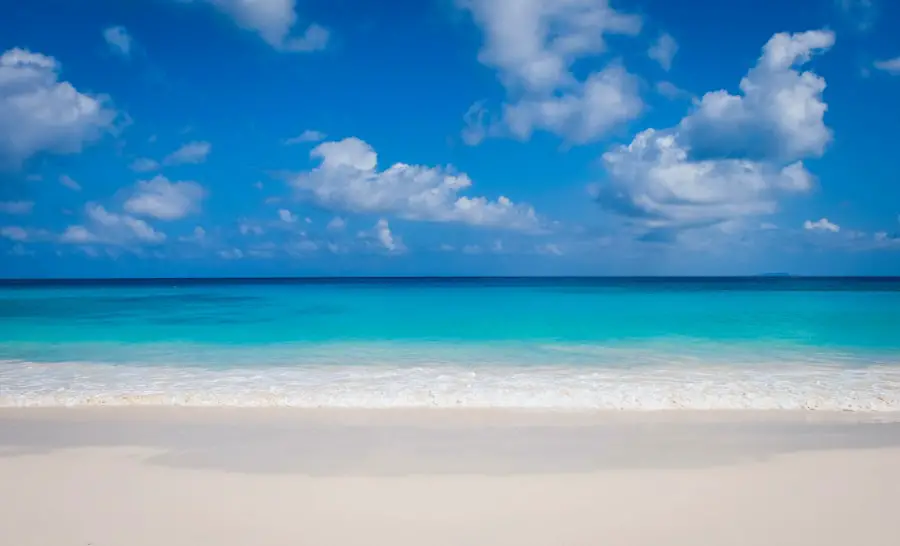
Spain’s broad summer peak runs from late June through early September, especially in coastal resorts, the Balearic Islands, Barcelona, and famous cultural destinations. July and August combine school holidays, beach demand, cruise arrivals, music festivals, and high domestic travel.
Peak season offers long days, extensive transport schedules, open beach facilities, nightlife, and a dense events calendar. It also brings higher room demand, crowded attractions, fuller trains, and hot conditions in inland and southern cities.
Peak demand is not limited to summer. Semana Santa, Feria de Abril, Las Fallas, San Fermín, La Tomatina, Christmas, major football matches, and large conferences can produce destination-specific peaks at other times.
Travelers visiting during a major event should reserve accommodation and intercity trains first, then secure timed-entry attractions and restaurant reservations. Do not assume that an otherwise quiet month will have off-season availability.
Shoulder Season: Balancing Weather, Crowds, and Cost
Spain’s most useful shoulder-season periods are usually April through early June and September through October. These months often provide pleasant sightseeing weather, longer daylight than winter, and fewer visitors than July and August.
May is particularly attractive for Madrid, Barcelona, Seville, Córdoba, Granada, and many inland towns. September is one of the most flexible months because beaches remain appealing, northern routes are still practical, and city temperatures begin to ease.
October suits cultural trips, wine regions, road trips, and parts of Andalusia. However, daylight shortens, rainfall risk increases in some areas, and beach services may begin winding down later in the month.
Pro Tip: Compare your dates with Spain’s official events calendar before buying flights. A local festival can be the highlight of a trip, but it can also change hotel prices, traffic patterns, and attraction availability.
Best Time to Visit Spain by Region
Andalusia
March through May and October through November are usually the most comfortable periods for Seville, Córdoba, Granada, Ronda, and inland white villages. July and August can be intensely hot. The Costa del Sol remains more moderate than inland cities, but summer demand is high.
Madrid and Central Spain
April through May and September through October are best for walking, museum visits, day trips, and outdoor dining. Summers are hot and dry, while winter mornings can be cold. Madrid remains active year-round, making winter practical for travelers focused on museums, food, and nightlife.
Barcelona and the Mediterranean Coast
April through June and September through October work well for sightseeing. June and September are strong choices for combining the city with the beach. July and August bring the hottest conditions and largest visitor numbers.
Northern Spain
June through early September generally provides the warmest conditions for Galicia, Asturias, Cantabria, the Basque Country, and northern Camino routes. The region is greener and wetter than much of Spain, so pack rain protection even in summer.
Balearic Islands
Late May through June and September are excellent for Mallorca, Menorca, Ibiza, and Formentera. The sea is warm, most seasonal businesses are open, and demand is generally less intense than in July and August. Spring and fall are also good for hiking and cycling.
Canary Islands
The Canary Islands are a year-round option. Winter is popular with travelers seeking sunshine, while summer can offer competitive value compared with crowded Mediterranean resorts. Conditions vary between northern and southern coasts and between sea level and mountain areas.
Pyrenees and Sierra Nevada
December through March is the core ski-planning period, but resort operations depend on snowfall and conditions. For hiking, late spring through early fall is more suitable, with the safest timing varying by route and elevation.
Best Time to Visit Spain by Activity
- City sightseeing: April–May and September–October.
- Mediterranean beaches: June and September for balance; July–August for maximum summer atmosphere.
- Northern beaches and Green Spain: July through early September.
- Hiking and walking routes: April–June and September–October at lower elevations; summer for some high-mountain routes.
- Camino de Santiago: May–June and September for moderate temperatures, with route-specific weather checks.
- Skiing: December–March, depending on snow and resort operations.
- Wine tourism: September–October for harvest activity and autumn vineyard scenery.
- Major festivals: Year-round, with the largest concentration from spring through summer.
- Budget-focused city travel: November–February outside holiday weekends and major events.
- Winter sun: Canary Islands, with southern mainland coasts as a milder but less reliable alternative.
Spain Month by Month
January and February
Choose these months for museums, quieter historic cities, skiing, Carnival, seasonal food, and the Canary Islands. Pack warm layers for inland destinations and rain protection for northern Spain.
March and April
Spring flowers, Las Fallas, Semana Santa, and improving weather make these exciting months. Event cities can be extremely busy, so compare dates carefully before booking.
May and June
May is one of the best all-around sightseeing months. June is useful for beaches and northern routes, although southern and inland destinations become hotter as the month progresses.
July and August
Expect peak beach demand, major festivals, long evenings, and high heat. Favor coastal areas, islands, northern Spain, or itineraries with morning and evening sightseeing.
September and October
This is one of the most versatile periods for Spain. September suits beaches and northern travel, while October favors cities, food trips, vineyards, and Andalusia.
November and December
November is often quieter outside major cities and events. December brings Christmas lights, holiday markets, seasonal food, ski openings when conditions allow, and increased demand around Christmas and New Year.
Festivals and Events: Planning Around Spain’s Cultural Calendar
Spain’s festivals can determine the best dates for a trip just as much as the weather. Some events have fixed dates, while others move with Easter or publish a new schedule each year.
- January: San Sebastián Day and the Tamborrada take place around January 20 in San Sebastián.
- March: Las Fallas fills Valencia with large artistic monuments, fireworks, parades, and the final burning celebrations.
- March or April: Semana Santa is celebrated across Spain, with especially elaborate processions in Andalusia and Castile and León.
- Spring: Seville’s Feria de Abril features casetas, traditional clothing, music, dancing, horses, and fairground attractions.
- May: Córdoba’s Patios Festival opens decorated private courtyards during one of the city’s most colorful periods.
- July 6–14: San Fermín brings processions, music, street celebrations, and bull runs to Pamplona.
- July: Galicia’s International Festival of the Celtic World in Ortigueira celebrates Celtic and folk music.
- Last Wednesday in August: La Tomatina takes place in Buñol.
- September: Barcelona’s La Mercè and wine-harvest celebrations in areas such as La Rioja add strong cultural reasons to travel in early fall.
Festival programs, access rules, tickets, and dates can change. Confirm details through the event organizer or Spain’s official calendar before reserving nonrefundable travel.
Booking and Packing Tips
Reserve the Alhambra, Sagrada Família, major museums, high-speed trains, and festival accommodation as early as practical. Timed-entry availability can disappear even outside summer, particularly on weekends and public holidays.
Pack for the region rather than relying only on the season name. Northern Spain may require a rain jacket in summer, inland cities can be cold in winter, and spring days may shift between warm sun and cool evenings. Comfortable walking shoes are essential for cobblestones, hills, museums, and long urban days.
Travelers expecting wet conditions may find a guide to the best waterproof sneakers for travel useful. A travel humidor is a specialized option for adults transporting cigars and should be used in accordance with airline, customs, and local tobacco rules. Travel pants with hidden pockets may help organize valuables, although passports, cards, and phones should still be monitored carefully in crowded areas.
Frequently Asked Questions
What is the best time to visit Spain?
April through May and September through October are generally the best months for a first sightseeing trip. They offer a useful balance of mild weather, outdoor dining, long sightseeing days, and fewer crowds than July and August.
What is the best month to visit Spain for beaches?
June and September are strong choices for Mediterranean beaches because conditions are usually warm and most seasonal services are open. July and August provide the liveliest beach atmosphere but also bring the largest crowds and highest heat.
When is Spain’s peak tourist season?
The broad national peak is late June through early September, especially in coastal and island destinations. Individual cities can also reach peak demand during Semana Santa, Feria de Abril, Las Fallas, San Fermín, Christmas, and major sporting or business events.
What is the cheapest time to travel to Spain?
November through February can provide lower accommodation demand in many sightseeing cities. Christmas, New Year, Carnival, ski weekends, football matches, and local festivals are important exceptions, so compare prices using your exact destination and dates.
Is summer too hot for visiting Spain?
Summer can be very hot in Andalusia and inland cities such as Madrid, Toledo, and Córdoba. A summer trip is still practical when you prioritize coastal or northern destinations, tour early and late in the day, stay hydrated, and schedule indoor attractions during the afternoon.
Which part of Spain has the best winter weather?
The Canary Islands provide Spain’s most dependable mild winter conditions. Málaga, the Costa del Sol, Almería, Alicante, and other southern or Mediterranean destinations can also be mild, but cool, rainy, or windy periods remain possible.
How far ahead should I book a trip to Spain?
Book several months ahead for July and August, Semana Santa, major festivals, island resorts, and limited-entry attractions. During quieter periods, accommodation may be more flexible, but the Alhambra, Sagrada Família, popular trains, and special events can still sell out.
Sources
- Spain.info: The Climate in Spain — seasonal weather, heat, rainfall, sunshine, and packing guidance.
- Spain.info: Information About Spain — regional climate differences and seasonal travel recommendations.
- Spain.info: Off-Season Travel Plans — quieter-season destinations, wine tourism, villages, coasts, and nature travel.
- Spain.info: Official Events Calendar — current festivals, cultural events, sporting events, dates, and locations.
- Spain.info: Spanish Fiestas — major celebrations including Easter, Feria de Abril, San Fermín, Las Fallas, and La Tomatina.
- Spain.info: Ski Resorts in Spain — official destination information for winter-sports planning.