
Last Updated on August 26, 2026 by Daniel Globe
Switzerland is a year-round destination, but the best time to visit depends on what you want to do. Warm-weather sightseeing and high-mountain hiking are strongest in summer, winter brings the main ski season, spring is excellent for flowers and lower-elevation trips, and autumn combines colorful landscapes with grape harvests and generally calmer travel conditions.
Quick Answer
For most first-time visitors, June through September offers the easiest mix of sightseeing, hiking, lake activities, and long daylight hours. Visit from December through March for skiing, April and May for spring scenery at lower elevations, or September and October for autumn colors, wine regions, and fewer peak-summer crowds.
Key Takeaways
- June through September is the most versatile period for first-time sightseeing, lake trips, and many mountain excursions.
- High-Alpine hiking can remain limited by snow well into spring, so always check trail and lift conditions before setting out.
- December through March is the main period to consider for skiing and other snow-focused trips, although conditions vary by altitude and resort.
- September and October are excellent for autumn hiking, vineyard visits, harvest events, and travelers who want to avoid the busiest summer weeks.
- There is no single nationwide “best” season because Switzerland’s weather and operating seasons change significantly with altitude and region.
Disclosure: As an Amazon Associate I earn from qualifying purchases. Some links on this page are affiliate links, at no extra cost to you.
Best Time to Visit Switzerland at a Glance
| Travel Goal | Best Period | What to Expect |
| First-time sightseeing | June–September | Long days, warm lowland weather, lake activities, and broad access to mountain areas. |
| High-mountain hiking | Late June–September | Many high routes are more likely to be snow-free, but conditions still change quickly. |
| Skiing and snowboarding | December–March | Main winter-sports period; reliable snow depends strongly on altitude and current conditions. |
| Spring flowers | April–May | Green lowlands, blossoms, flower events, and lingering snow at higher elevations. |
| Autumn scenery and vineyards | September–October | Colorful forests, grape harvests, comfortable hiking days, and wine festivals. |
| Fewer peak crowds | May, June, September, October | Often calmer than the busiest holiday periods, although local events and resort schedules can change demand. |
Switzerland Tourism describes summer as the country’s warmest season and notes that temperatures vary substantially with altitude. That difference is important when planning: a warm afternoon beside a lake can occur while high mountain terrain remains cold, snowy, or exposed to rapidly changing weather.
Spring in Switzerland: Flowers, Cities, and Lower-Elevation Hiking
Spring gradually reaches Switzerland from March through May. Lowland areas become greener, trees begin to bloom, and valleys can feel distinctly springlike while the higher Alps still look wintry. This contrast makes spring visually appealing, but it also means travelers should not assume that every mountain trail or cable car is ready for the summer season.
April and May are especially useful for city breaks, lakeside walks, vineyard areas, and lower-elevation hikes. High-Alpine paths can remain covered by snow or mud. The Swiss National Park, for example, says its hiking season normally runs from about mid-May to mid-November, with actual opening dates depending on altitude and weather.
Note: A trail that looks snow-free from a town or valley can still have winter conditions higher up. Check official trail status, mountain-railway operating calendars, and the local forecast before committing to a high route.
Spring is also flower-festival season. Morges, on Lake Geneva, hosts the Fête de la Tulipe. The 2026 edition featured more than 140,000 flowers and nearly 350 tulip varieties, according to Morges Region Tourism. The dates and displays change from year to year, so check the current program before building a trip around it.
Music travelers can also consider Zermatt Unplugged. Despite its mountain setting, this acoustic festival is a spring event rather than a summer festival; the 2026 edition took place in April.
Summer in Switzerland: Hiking, Lakes, and Major Festivals
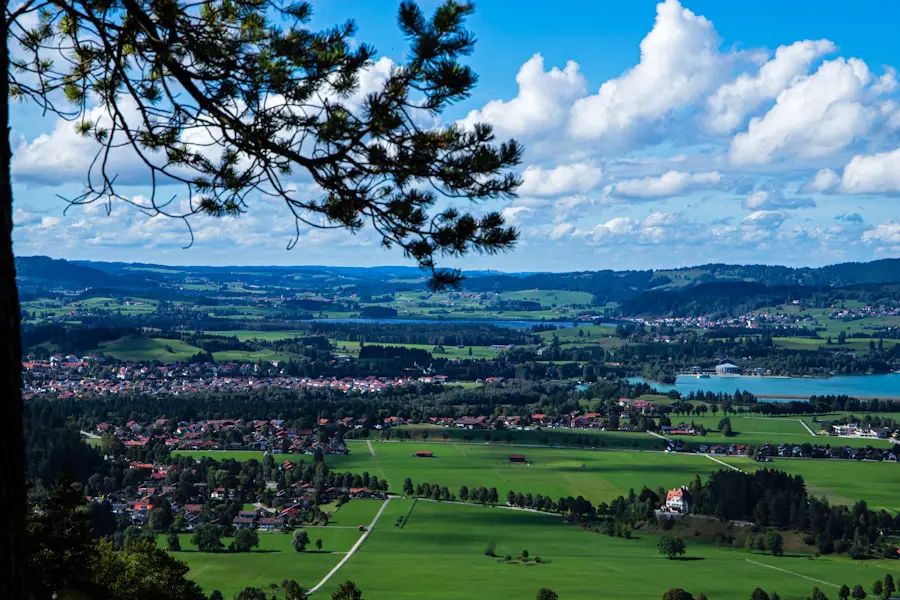
June through August is the warmest part of the year and one of the easiest periods for a first Switzerland trip. Switzerland Tourism gives a broad summer daytime range of about 18°C to 28°C, but temperatures vary sharply with altitude and region. Hot spells above 30°C can occur in lower areas, while exposed mountain locations may remain much cooler.
Long daylight hours make summer especially practical for combining cities, scenic rail journeys, lakes, and mountains in a single itinerary. Popular activities include hiking, mountain biking, paragliding, swimming, and boat trips.
The Swiss National Park in the Engadine is particularly attractive for hikers. Its official network includes about 100 kilometers of marked trails, but the park also has strict conservation rules: visitors must stay on marked paths, dogs are not permitted, and swimming, cycling, fires, and drones are prohibited inside the park.
Warning: Mountain weather can change rapidly even in summer. Carry a warm layer and rain protection, check the forecast, and do not rely on warm conditions in the valley as proof that a high trail is safe.
Summer is also one of Switzerland’s strongest festival seasons. The Montreux Jazz Festival takes place in July on Lake Geneva, while Lucerne Festival presents a major summer program of orchestral and classical performances. Festival dates change each year, so confirm the current schedule before booking nonrefundable accommodation.
For the widest mix of mountain access, lake activities, sightseeing, and long days, summer is the easiest all-purpose season for many first-time visitors—but it is not automatically the best season for every trip.
Fall in Switzerland: Autumn Colors and Wine Harvests
| Autumn Activity | Details |
| Autumn Colors | Forests and valleys develop yellow, orange, and red foliage, with timing varying by altitude and weather. |
| Wine Harvest | Wine regions such as Lavaux, Valais, and Neuchâtel become especially interesting during the grape-harvest period. |
| Weather | September can still feel mild, while October and November become progressively cooler and less predictable. |
| Local Festivals | Harvest celebrations, wine festivals, cattle descents, and seasonal food events take place in different regions. |
September through November brings cooler conditions and some of Switzerland’s richest seasonal colors. September and early October can be especially rewarding for hiking because many summer facilities are still operating while the hottest weather has passed.
Regions such as the Aletsch area, Lauterbrunnen Valley, Engadine, and lakeside forests can be excellent for autumn scenery. Color timing is never exact, however, because elevation, recent temperatures, and weather affect when foliage changes.
Autumn also marks the grape harvest in important Swiss wine regions such as Lavaux, Valais, and Neuchâtel. Visitors can combine vineyard walks and tastings with regional harvest celebrations. The Fête des Vendanges de Neuchâtel is one of the best-known examples and is held in late September.
Pro Tip: September is one of the easiest months to combine hiking, cities, lakes, and wine regions. You still need to check individual mountain-lift schedules because some seasonal services reduce operations as autumn progresses.
Winter in Switzerland: Skiing, Snow, and Christmas Markets
Winter changes the focus from hiking to snow sports, scenic rail travel, mountain villages, and festive city breaks. December through March is the main period to consider for skiing and snowboarding, although snow reliability varies greatly by altitude, exposure, and current weather.
Major destinations such as Zermatt, Verbier, and St. Moritz offer extensive ski terrain and winter activities. Higher resorts generally have better prospects for snow than lowland areas, where freezing temperatures and lasting snow are no longer guaranteed throughout winter.
Winter also brings Christmas markets and decorated historic centers. Zurich, for example, hosts several markets rather than one single Christmas market, including markets in the Old Town, at the main railway station, Münsterhof, and other central locations.
Natural ice deserves extra caution. Do not walk or skate on a frozen lake simply because the surface looks solid. Use designated rinks or natural ice areas only when local authorities or operators have officially opened them.
For another distinctive winter event, Château-d’Œx hosts the International Balloon Festival. Balloon launches and passenger flights are weather-dependent, so travelers should keep some flexibility in their schedule.
Off-Season Travel: Understanding Switzerland’s Shoulder Months
Travelers looking for fewer people or potentially better accommodation value often consider May, June, September, and October. These months can provide an appealing balance between usable weather and lower demand than the busiest holiday periods.
Switzerland does not have one simple nationwide shoulder season, however. Demand rises in different places at different times. Switzerland Tourism notes particularly high demand in mountain regions around Christmas and New Year, during February, and from roughly mid-July to mid-August because of European school holidays.
Late spring can work well for Lucerne, Zurich, Bern, Lausanne, Geneva, Ticino, lakeside towns, vineyards, and lower hiking routes. The tradeoff is that high mountain trails and some seasonal lifts may not yet be operating.
September and early October can be excellent alternatives to peak summer. Many landscapes remain accessible, autumn colors begin to develop, and harvest events add another reason to travel. Later in autumn, however, more mountain facilities may reduce service or close temporarily before winter.
Note: Shoulder season can save money, but it can also reduce access. Check the exact opening dates of cable cars, mountain railways, hotels, trails, and seasonal attractions that are essential to your itinerary.
Special Events and Festivals Throughout the Year
Switzerland’s event calendar can influence the best dates for a trip just as much as the weather. Because festival dates change each year, use the event organizer’s current schedule rather than relying on an old calendar.
- Winter: The International Balloon Festival in Château-d’Œx brings hot-air balloons to the Alps, while Christmas markets operate in cities including Zurich and Basel.
- Late winter: Basel Fasnacht begins on the Monday after Ash Wednesday and runs for 72 hours, with the Morgenstreich, processions, lanterns, drums, and piccolos.
- Spring: Morges hosts its Tulip Festival, and Zermatt Unplugged brings acoustic concerts to the Matterhorn region.
- Summer: Montreux Jazz Festival and Lucerne Festival are major music events, while August 1 brings Swiss National Day celebrations throughout the country.
- Autumn: Wine and harvest events include the Fête des Vendanges in Neuchâtel, alongside local cattle descents and seasonal food festivals in other regions.
Small regional events can be as memorable as the headline festivals. Cheese markets, cattle descents, village celebrations, and traditional music events often provide a more local view of Swiss seasonal life.
How Switzerland’s Weather Changes by Region and Altitude
A national weather forecast never tells the whole story in Switzerland. Altitude can change temperatures dramatically over a relatively short distance, and conditions north and south of the Alps can differ.
MeteoSwiss uses the 1991–2020 climate-normal period to describe the country’s current climate. It notes that average temperatures decrease with elevation and that some of Switzerland’s warmest areas include parts of the Lake Geneva region, Basel, lower Valais, and lower areas around Ticino’s lakes.
This is why seasonal planning should be destination-specific. Zurich, Lugano, Zermatt, and a high mountain pass can experience very different conditions on the same day.
Best Time to Visit Switzerland for Hiking
For lower-elevation walks, spring through autumn can work well. For high mountain trails, late June through September is generally the safer planning window because snow has had more time to melt and seasonal mountain infrastructure is more likely to be operating.
That does not mean every trail is open throughout those months. Heavy late snow, thunderstorms, landslides, early autumn snow, or maintenance can change access. Always check the official trail status shortly before your hike.
Best Time to Visit Switzerland for Skiing
Plan a ski-focused trip mainly from December through March. Some high-altitude resorts can operate for longer, while lower areas may have shorter or less reliable snow seasons.
If skiing is the main purpose of the trip, altitude and current snow reports matter more than simply choosing a winter month. Christmas/New Year and February can also bring stronger demand in mountain destinations, so booking accommodation and ski-school places early is sensible.
Best Time for Fewer Crowds and Lower Prices
May, June, September, and October are worth considering if you want to avoid the busiest parts of the summer and winter holiday calendars. Hotel prices are not guaranteed to be lower everywhere, because conferences, festivals, school holidays, and local events can still push demand higher.
The best strategy is to compare several dates and check whether a major event coincides with your stay. Staying in a nearby town with good rail connections can sometimes offer better value than sleeping directly in a famous resort.
What to Pack by Season
- Spring: Layers, waterproof outerwear, sturdy walking shoes, and warmer clothing for mountain excursions.
- Summer: Light clothing for cities and lakes, plus a warm layer, rain shell, sunscreen, sunglasses, and appropriate hiking footwear for the mountains.
- Autumn: Layers, a waterproof jacket, warm evening clothing, and footwear suitable for wet leaves or muddy trails.
- Winter: Insulated outerwear, gloves, hat, warm footwear, and proper ski equipment if heading to the slopes.
Whatever the season, avoid packing only for the temperature at your hotel. A cable car can take you from mild valley weather into cold and windy Alpine conditions in a short time.
Choosing the Best Time to Visit Switzerland
The best dates depend on the trip you actually want. Choose June through September for the broadest selection of general sightseeing and mountain activities. Aim for December through March when skiing is the priority. April and May suit flowers, cities, and lower-elevation scenery, while September and October are particularly attractive for autumn landscapes, hiking, and vineyard regions.
Summer remains an excellent first choice for travelers who want the widest range of activities, but it is not Switzerland’s only good travel season. Matching the month to your interests, altitude, crowd tolerance, and must-do attractions produces a more reliable plan than choosing dates based on temperature alone.
If you are planning a longer trip, combine different elevations rather than expecting identical weather everywhere. A flexible itinerary lets you spend clear days in the mountains and use wetter days for museums, historic centers, scenic rail journeys, and other lower-elevation attractions. A practical carry-on suitcase with a USB charger can also help keep frequently used travel essentials and devices organized during a multi-stop itinerary.
Frequently Asked Questions
What is the best time to travel to Switzerland?
June through September is the most versatile period for a first trip because it supports sightseeing, lake activities, scenic transport, and many mountain excursions. For skiing, December through March is usually better. Spring and autumn can be excellent for flowers, hiking at suitable elevations, wine regions, and fewer peak-season crowds.
What is the weather like in Switzerland during summer and winter?
Switzerland Tourism gives a broad summer daytime range of about 18°C to 28°C and a winter lowland daytime range of roughly -2°C to 7°C. These figures should not be treated as nationwide forecasts because temperatures change considerably with altitude, region, and weather systems.
What are some major festivals to consider when planning a Switzerland trip?
Examples include Basel Fasnacht in late winter, the Morges Tulip Festival and Zermatt Unplugged in spring, Montreux Jazz Festival and Lucerne Festival in summer, and Neuchâtel’s Fête des Vendanges in autumn. Dates change annually, so verify the current program before booking.
What attractions are especially popular in Switzerland?
Popular choices include the Matterhorn and Zermatt, the Jungfrau region, Lucerne and Lake Lucerne, Lake Geneva, Bern, the Rhine Falls area, the Engadine, and the Swiss National Park. The best choice depends on the season because trail access, snow conditions, lift schedules, and operating hours change during the year.
Should I book Switzerland accommodations and activities in advance?
Yes, especially for Christmas/New Year, February ski trips, mid-summer travel, major festivals, and famous resorts. Booking early is also useful when you need a specific mountain hotel, scenic transport product, guided activity, or family-size room.
What is the best month for hiking in Switzerland?
July through September is generally the easiest period for high-mountain hiking, although no month guarantees every trail will be open. Lower-elevation walks can be enjoyable earlier in spring and later in autumn. Always check current conditions before a mountain hike.
When is Switzerland less crowded?
May, June, September, and October can be calmer than the busiest holiday periods in many destinations. Crowd levels still vary by location, festival calendar, school holidays, and weather, so there is no single quiet month everywhere in Switzerland.
Can you visit Switzerland cheaply in the shoulder season?
Shoulder months can sometimes offer better accommodation value than major holiday periods, but lower prices are not guaranteed. Compare multiple dates, watch for festivals or conferences, and consider well-connected towns outside the most famous resorts.
Sources
- MeteoSwiss — The Climate of Switzerland — climate differences, elevation effects, and current climate-normal framework.
- Switzerland Tourism — Climate and Seasons — seasonal weather guidance and visitor temperature ranges.
- Swiss National Park — Trails and Routes — hiking season, trail conditions, and mountain-access guidance.
- Morges Region Tourism — Tulip Festival — spring festival timing and flower-display information.
- Montreux Jazz Festival — official annual festival information and dates.
- International Balloon Festival of Château-d’Œx — official winter festival schedule and visitor information.
