
Last Updated on September 10, 2026 by Daniel Globe
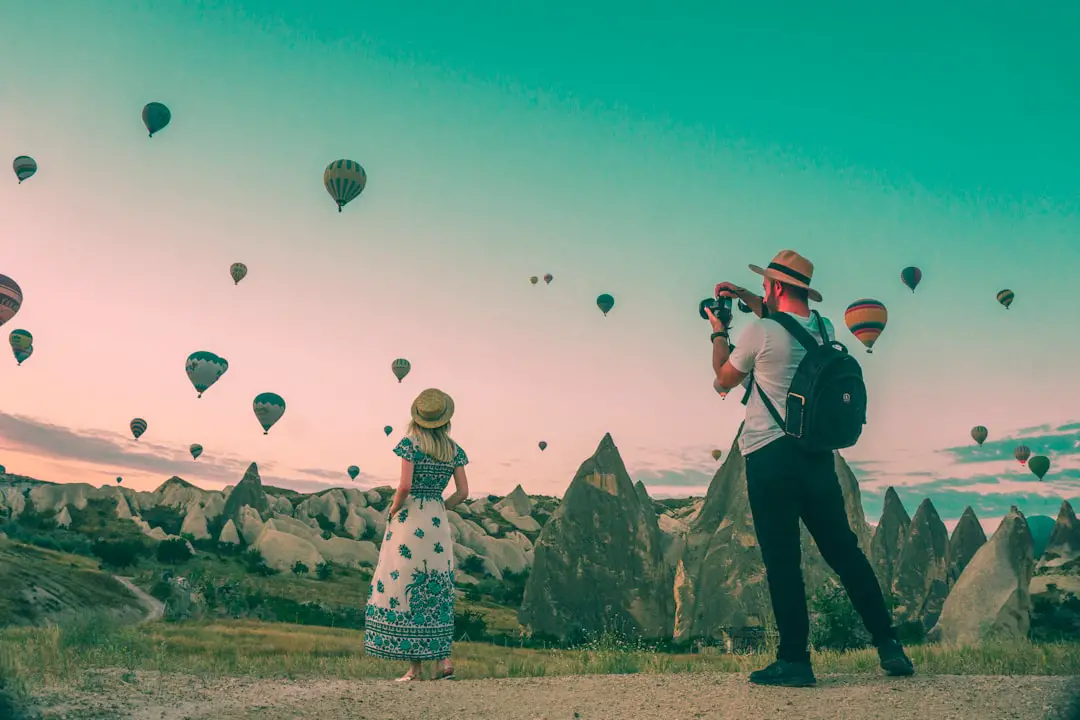
There is no single perfect month for every trip to Spain and Italy. A beach holiday in Mallorca or Sardinia needs different timing from a museum-focused visit to Madrid, Rome, Florence, or Venice. The best choice depends on your route, tolerance for heat and crowds, and whether festivals, hiking, food, or skiing matter most.
For most first-time visitors combining both countries, late spring and early fall offer the easiest balance. Weather is usually more comfortable than midsummer, transport and attractions run on broad schedules, and the busiest holiday weeks are easier to avoid.
Quick Answer
Late April through June and September through October are the best overall times to visit Spain and Italy. These shoulder-season windows usually bring milder weather than midsummer and fewer peak-season pressures. Choose summer for beaches and festivals, winter for skiing and city breaks, and always adjust your dates for the regions and events on your itinerary.
Key Takeaways
- Late April to June and September to October are the best all-around windows for a mixed Spain-and-Italy trip.
- Weather varies sharply by region, so one national temperature range cannot describe Andalusia, northern Spain, Sicily, Venice, and the Alps at the same time.
- July and August work best for beach trips but bring the strongest heat, the largest resort crowds, and high demand in famous cities.
- Mountain hiking has its own calendar: spring can still mean snow in the high Dolomites, while summer and early fall are more reliable for alpine trails.
- Festival dates, public holidays, seasonal closures, and weather alerts should be checked before you lock in flights and hotels.
What’s in This Article
Disclosure: As an Amazon Associate I earn from qualifying purchases. Some links on this page are affiliate links, at no extra cost to you.
Best Months to Visit Spain and Italy by Travel Style
The broad answer is “spring or fall,” but the most useful dates depend on what you plan to do. Use this guide as a starting point, then check the forecast and local operating calendars for each stop.
| Travel Goal | Best General Window |
| First-time city trip | Late April to June or September to October |
| Mediterranean beaches | June to September; July and August are busiest |
| Food, wine, and harvests | September to November, depending on the region and crop |
| Hiking | Spring and fall for many lower routes; summer to early fall for high alpine trails |
| Skiing | January to March, subject to snow and resort schedules |
| Lower crowds and possible savings | November to early March outside Christmas, New Year, Carnival, and ski weeks |
Why Regional Weather Matters
Spain and Italy both cover several climate zones. Spain’s Atlantic north is generally cooler and wetter than the Mediterranean coast and inland south. The Canary Islands stay much milder in winter than Madrid or the Pyrenees. Italy also changes from the Alps and Po Valley in the north to the warmer coasts and islands of the south.
That variety makes a single claim such as “spring is 15–25°C (59–77°F)” too broad. Those temperatures may fit some cities on some days, but mountain areas can remain cold and snowy while southern cities feel much warmer. Spain’s official tourism site describes spring and fall as its mildest seasons, while Italy’s official travel guidance stresses that conditions vary greatly by place and time of year.
Note: Check city-level forecasts shortly before departure. Pack layers for a multi-country route, especially when combining coastal stops, inland cities, and mountain regions.
Spring in Spain and Italy: Mild Weather and Blooming Landscapes
Spain in Bloom
Spring is one of the most comfortable times for city sightseeing in much of Spain. Seville and Córdoba are known for fragrant orange blossom, while longer daylight makes it easier to combine monuments, parks, and outdoor dining.
The Feria de Abril in Seville follows Holy Week and usually takes place in April, although its dates can move into May. The fair features flamenco dress, horse-drawn carriages, music, food, and private or public casetas. Because dates change each year, confirm the official calendar before booking.
Italy’s Spring Gardens and Countryside
Italy’s landscapes brighten through spring, but bloom times differ. Poppies often appear in the countryside in late spring, while Tuscany’s sunflower displays are more closely associated with summer. In Florence, the Iris Garden near Piazzale Michelangelo normally opens for a limited spring period and hosts the city’s international iris competition.
Hiking, Sightseeing, and Outdoor Dining
Spring is excellent for walking in cities and on many lower-elevation routes. Coastal paths around Cinque Terre and other popular hiking areas can still close because of weather, maintenance, or trail damage, so check local status before setting out.
High-mountain hiking is different. Snow can remain on Dolomites trails well into spring, and many lifts or mountain huts operate mainly in summer. For serious alpine hikes, summer through early fall is usually a safer planning window than April or early May.
Pro Tip: Easter and Holy Week can turn an otherwise moderate spring period into a high-demand week in Rome, Seville, and other religious or festival centers. Compare your dates with local calendars before assuming spring will be quiet.
Summer: Beaches, Festivals, and Intense Heat
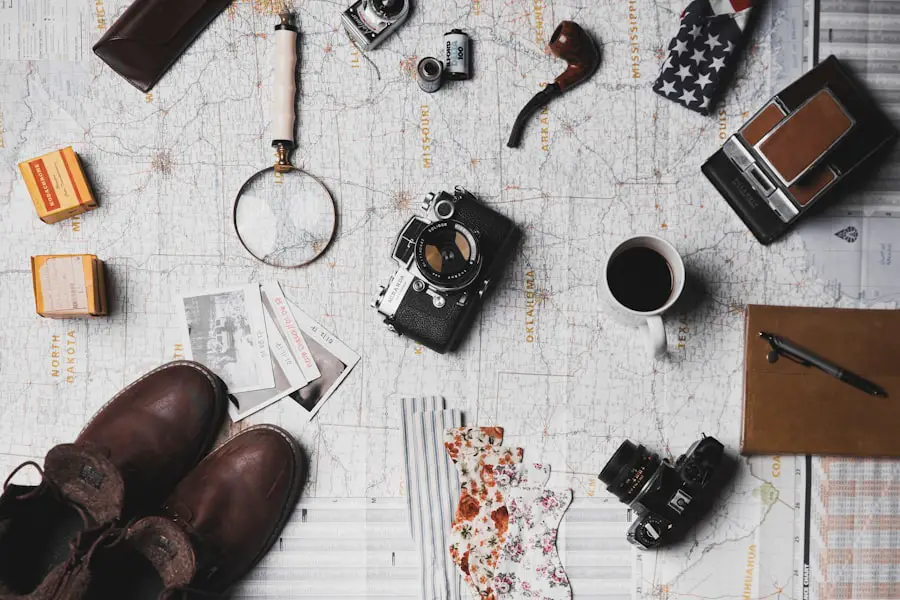
Summer is the clearest choice for travelers who put beaches first. Spain’s Balearic Islands, Costa Brava, Costa del Sol, and Mediterranean coast offer long beach days, while Italy’s Sardinia, Sicily, Amalfi Coast, Puglia, and other coastal regions are in full seasonal swing.
Italy’s summer season also supports broad ferry, excursion, and resort schedules. Positano on the Amalfi Coast pairs dramatic views with steep streets and strong demand, while Sardinia is known for clear water and pale-sand beaches. Advance reservations matter in famous coastal towns.
Summer is also festival season. Spain’s La Tomatina takes place in Buñol on the last Wednesday of August. Italy’s Umbria Jazz runs in Perugia each July, with exact dates and programs announced by the organizer.
Warning: July and August can bring dangerous heat, especially in inland and southern cities. Plan strenuous sightseeing for early morning or evening, carry water, use shade, and follow official heat, wildfire, and transport alerts.
Mid-August needs special planning in Italy. Ferragosto falls on August 15, and offices or businesses may close while many leisure destinations become especially busy. Museums, restaurants, and transport services can follow altered holiday schedules.
Fall: Wine Harvests and Cultural Celebrations
| Fall Experience | Location | Usual Timing |
| Rioja Wine Harvest Festival | Logroño, Spain | September; exact dates vary |
| Winery harvest experiences | Tuscany and other Italian wine regions | Late summer through fall; varies by grape and producer |
| Sagra dell’Uva | Marino, near Rome, Italy | First Sunday in October |
| Alba White Truffle Fair | Piedmont, Italy | October to November |
Fall is one of the strongest seasons for travelers who care about food, wine, and comfortable city days. In Spain, the Rioja Wine Harvest Festival in Logroño celebrates the vendimia with cultural events and wine traditions. Vineyard timing changes from year to year, so individual wineries may offer harvest activities on different dates.
Italy’s harvest calendar is equally varied. Tuscany and Piedmont offer vineyard visits and seasonal food experiences, while Marino’s Sagra dell’Uva returns on the first Sunday in October. The Alba White Truffle Fair is another major fall draw in Piedmont.
September can still feel summery in southern Spain, Sicily, and other Mediterranean areas, while northern mountain regions cool much faster. October often works well for cities and food-focused routes, but shorter days and rain become more likely as fall advances.
Winter: City Escapes and Alpine Skiing
Winter can be a smart choice for museums, architecture, and food-focused city trips. Madrid, Barcelona, Rome, Florence, and Venice are generally less pressured than in midsummer, although Christmas, New Year, Carnival, major exhibitions, and local events can still produce busy periods.
Spain’s winter climate ranges from snowy mountain areas to the much milder Canary Islands. Italy also varies sharply: the Alps support ski travel, while southern destinations can remain comparatively mild. The Dolomites and Aosta Valley have major ski areas, but snow conditions and lift schedules should always be checked with the resort.
Venice can feel especially atmospheric in winter, but fog, rain, high water, and cold winds are possible. The city’s official Venice Carnival takes place before Lent, and its dates change each year. Travelers seeking quiet streets should avoid the main Carnival period.
In Spain, Three Kings Day is celebrated on January 6, with parades commonly held on the evening of January 5. Holiday markets and seasonal events can make winter lively, but opening hours may change around public holidays.
Off-Season Travel: Avoiding Crowds and Managing Closures
November through early March is often described as the off-season, but that label is not universal. Ski resorts may be busy in winter, the Canary Islands attract sun seekers, Christmas and New Year create holiday demand, and Venice becomes crowded during Carnival.
Outside those peaks, famous city attractions may have shorter lines and some hotels or flights may be less expensive than in summer. Savings are not guaranteed, so compare your exact route and dates instead of assuming every winter week is cheap.
The tradeoff is reduced availability. Coastal resorts, island excursions, mountain lifts, ferries, restaurants, or seasonal hotels may operate less often or close temporarily. Daylight is shorter, and wet weather can affect outdoor plans. Check each attraction’s official opening calendar before building a tight itinerary.
Pro Tip: Reserve headline attractions as soon as your dates are firm, even outside summer. Festival weeks, weekends, school breaks, and limited-entry sites can sell out while the surrounding city still feels quiet.
Events and Festivals Not to Miss
Events can be the reason to travel, but they can also change prices, crowds, transport, and opening hours. Spain’s Semana Santa falls in March or April depending on the year. Seville is one of its best-known centers, with processions that draw large audiences and require careful planning.
Seville’s Feria follows Holy Week. La Tomatina takes place in Buñol on the last Wednesday of August, and Logroño’s wine-harvest celebrations occur in September. Exact programs, ticket rules, and access arrangements should be checked on official event pages.
In Italy, Venice Carnival takes place before Lent, Umbria Jazz is held in Perugia in July, and the Palio di Siena is run on July 2 and August 16. These dates are stable, but viewing arrangements and local restrictions can change.
The “best” week can become one of the busiest weeks when a major festival, religious holiday, or national vacation period overlaps your route.
Which Season Suits You Best?
Choose spring for gardens, outdoor dining, city walking, and major religious or cultural events. It offers mild conditions in many regions, but Easter and festival weeks can be crowded, and high mountain trails may still be snowy.
Choose summer for beaches, islands, ferries, nightlife, and open-air festivals. Accept higher demand, hotter inland cities, and the need for early reservations.
Choose fall for wine regions, food festivals, city sightseeing, and a mix of warm and cool weather. September is often better for combining beaches with cities, while October and November favor culinary travel.
Choose winter for skiing, museums, festive markets, and quieter city breaks outside holiday and Carnival dates. Build flexibility into coastal and rural itineraries because seasonal closures are more common.
For a first trip covering major cities in both countries, late May, June, September, or early October are the safest all-around choices. Travelers who dislike heat should lean toward May or October, while beach-focused travelers will get more reliable swimming conditions from June through September.
Frequently Asked Questions
What is the best time to visit Spain and Italy together?
Late April through June and September through October are the best general windows for a combined trip. They usually provide a better balance of weather, operating schedules, and crowd levels than peak summer, although Easter and major festival dates can still be very busy.
Are spring and fall temperatures similar everywhere?
No. Northern Spain, the Alps, and inland mountain areas can be much cooler than Andalusia, Sicily, or Mediterranean islands. Use country-level seasonal advice only as a starting point and check city-level forecasts for every stop.
Is July or August a bad time to visit?
Not for a beach-focused trip, but both months bring high demand and the risk of extreme heat. Inland sightseeing can be tiring at midday, and famous coastal towns often require early hotel, ferry, restaurant, and attraction reservations.
When is the best time for hiking?
Spring and fall work well for many lower-elevation routes in Spain and Italy. High alpine hiking in the Dolomites is generally better planned for summer through early fall because spring snow, closed lifts, and limited hut service can affect access.
How far ahead should you book?
For July and August, start comparing flights and accommodation several months ahead. Book even earlier for major festivals, popular islands, or limited-entry attractions. In shoulder and low seasons, you may have more flexibility, but weekends and special events can still sell out.
What should you check before booking an off-season trip?
Check attraction hours, ferry and lift schedules, seasonal hotel or restaurant closures, local holidays, and event dates. Also compare daylight and typical weather for each region, especially when your itinerary depends on hiking, islands, or small coastal towns.
Sources
- Spain Tourism: The Climate in Spain — seasonal and regional weather guidance
- Italia.it: Practical Information for Traveling to Italy — regional climate variation and trip planning
- Visit Seville: Feria de Abril Guide — timing and format of the Seville Fair
- Feel Florence: Iris Garden — spring opening and iris competition information
- Spain Tourism: Festivals of Spain — La Tomatina timing and location
- Official Dolomites: Walking Itineraries — seasonal mountain-hiking guidance
