
Last Updated on August 26, 2026 by Daniel Globe
The Cook Islands are a group of 15 islands in the South Pacific, with Rarotonga serving as the main international gateway and Avarua as the national capital. Travelers come for turquoise lagoons, coral reefs, Polynesian culture, hiking, snorkeling, diving, sailing, and relaxed beach time. Because the islands stay warm throughout the year, choosing when to go is less about finding a single “good” season and more about balancing rainfall, temperature, crowds, events, and the activities you want to enjoy.
Quick Answer
For most travelers, April through November is the best time to visit the Cook Islands because these are generally the drier months. April, May, September, and October offer an especially appealing balance of warm weather, drier skies, and shoulder-season timing, while June through August are cooler and popular with visitors escaping winter in Australia and New Zealand.
Key Takeaways
- Best overall: April through November is generally the drier part of the year, with average temperatures around 26°C (79°F).
- Best balance of weather and shoulder-season timing: April, May, September, and October.
- Coolest months: June through August, with typical daytime highs around 25–26°C (77–79°F).
- Warmest, wetter period: December through March brings greater humidity, warmer conditions, and more frequent tropical showers.
- Best for Te Maeva Nui: Plan around late July into early August and verify the dates for your travel year.
- Whale season: Humpback whales can often be seen around Rarotonga from July through October.
- Snorkeling and diving: Both are possible year-round; daily wind, swell, rainfall, currents, and the specific site matter more than choosing one universal “best visibility” month.
- Budget travelers: Compare April, May, September, October, and wetter-season dates rather than assuming one month always has the cheapest airfare or hotel rates.
Disclosure: As an Amazon Associate I earn from qualifying purchases. Some links on this page are affiliate links, at no extra cost to you.
Best Time to Visit the Cook Islands for Weather
Best Time to Visit
Cook Islands Tourism describes April through November as the drier months, with an average temperature of about 26°C (79°F). These months generally provide comfortable conditions for beaches, sightseeing, lagoon trips, and outdoor activities.
Within that broad window, April, May, September, and October are particularly attractive because they combine warm temperatures with generally drier skies. June, July, and August are slightly cooler, which many hikers and active travelers prefer.
Cook Islands Tourism identifies April, May, September, and October as particularly appealing shoulder months because they often provide a good balance of warm temperatures and dry weather.
Wet and Warmer Season
December through March is warmer, more humid, and generally wetter. Typical daytime highs reach around 28–29°C (82–84°F), and tropical showers become more likely. Rain does not necessarily mean an entire day will be lost; tropical showers can arrive in bursts with brighter periods in between.
This season can still work well for travelers who want warmer water, lush scenery, or more flexibility about the weather. However, outdoor plans may require a backup option when heavier rain arrives.
Note: The South Pacific tropical cyclone season generally runs from November through April. A cyclone is not expected on every trip, but travelers visiting during this period should monitor official forecasts and consider flexible bookings and appropriate travel insurance.
Planning Your Visit
If your main goal is long beach days, hiking, lagoon cruising, or sightseeing with a lower chance of rain, the drier months are the safer choice. If you prefer the warmest air and water temperatures and do not mind humidity or passing rain, December through March can still be enjoyable.
Conditions also vary from day to day and between islands, so seasonal averages should guide your planning rather than being treated as a guarantee.
Cook Islands Month-by-Month Weather Guide
| Month | Typical High | Typical Low | Water | Planning Note |
|---|---|---|---|---|
| January | 29°C / 84°F | 23°C / 73°F | 27°C / 81°F | Warm, humid, wetter |
| February | 29°C / 84°F | 23°C / 73°F | 28°C / 82°F | Very warm water; wetter-season conditions |
| March | 29°C / 84°F | 23°C / 73°F | 27°C / 81°F | Warm and humid; showers possible |
| April | 28°C / 82°F | 22°C / 72°F | 27°C / 81°F | Excellent shoulder-month option |
| May | 27°C / 81°F | 20°C / 68°F | 26°C / 79°F | Drier, warm, good all-round choice |
| June | 26°C / 79°F | 19°C / 66°F | 24°C / 75°F | Cooler and popular for winter escapes |
| July | 25°C / 77°F | 19°C / 66°F | 24°C / 75°F | Cooler, drier; whale season begins |
| August | 25°C / 77°F | 18°C / 64°F | 24°C / 75°F | Cool, drier; major cultural-event period |
| September | 25°C / 77°F | 19°C / 66°F | 24°C / 75°F | Excellent shoulder month; whale season |
| October | 26°C / 79°F | 20°C / 68°F | 24°C / 75°F | Warmer shoulder-month option |
| November | 27°C / 81°F | 21°C / 70°F | 25°C / 77°F | Still within the generally drier period, but warming |
| December | 28°C / 82°F | 22°C / 72°F | 26°C / 79°F | Warmer, more humid, holiday demand |
These figures are seasonal averages published by Cook Islands Tourism and should be used as a planning guide rather than a day-by-day forecast.
Best Time to Visit the Cook Islands by Travel Style
| Best overall balance | April, May, September, October |
| Cooler hiking weather | June–August |
| Warmest water | January–April |
| Te Maeva Nui | Late July–early August |
| Whale watching | July–October |
| Kitesurfing | May–October |
| Lower rain risk | Generally April–November |
| Warm, lush wetter-season trip | December–March |
Products Worth Considering


Best Time to Visit the Cook Islands for Festivals and Events

The cultural vibrancy of the Cook Islands is showcased through festivals and events held throughout the year. One of the biggest celebrations is Te Maeva Nui, which commemorates the anniversary of Cook Islands self-governance on August 4.
Te Maeva Nui normally spans late July into early August and features song, dance, drumming, chanting, handicrafts, food, and community celebrations. In 2026, the official program ran from July 25 through August 4. Because exact dates and programs can change, travelers planning specifically around the festival should check the official calendar before booking.
Food lovers can also look for the Raro Fire & Food Festival. The 2026 event was held June 26–27 and included live-fire cooking, barbecue competitions, demonstrations, music, and visiting pitmasters. This corrects older references to a generic “Rarotonga Food Festival” being held every September; annual food-event dates can change.
September can still be an excellent month for events. For example, the 49th Round Rarotonga Road Race was scheduled for September 17–22, 2026. The broader lesson is to choose your month first according to weather and interests, then confirm the current official event calendar for the exact year you plan to travel.
Pro Tip: If Te Maeva Nui is the main reason for your trip, reserve flights and accommodation earlier than you would for an ordinary shoulder-season visit because the celebration attracts visitors and Cook Islanders returning from overseas.
Best Time to Visit the Cook Islands for Budget Travel
| Period | Weather | Typical Booking Pressure | Budget Strategy |
|---|---|---|---|
| April–May | Warm, transitioning into drier conditions | Shoulder-season timing | Compare several dates before peak winter demand |
| June–August | Cooler and generally drier | Often busier | Book early rather than assuming last-minute savings |
| September–October | Drier and gradually warmer | Good shoulder-season potential | Compare package, flight, and accommodation combinations |
| December–March | Warmer, wetter, more humid | Variable; Christmas/New Year can be busy | Potential value outside holiday dates if you accept weather risk |
Traveling to the Cook Islands can be a dream trip, but there is no month when accommodation and airfare can reliably be labeled “cheap.” Prices depend on your origin, airline capacity, school holidays, events, accommodation type, and how far ahead you book.
April, May, September, and October are sensible dates to compare because they combine attractive weather with shoulder-season timing. June through August can be popular with travelers escaping winter in New Zealand and Australia, while Christmas and New Year can also create strong demand.
Travelers who are highly flexible may find attractive offers during the warmer, wetter part of the year, but the trade-off is a greater chance of rain and weather-related disruption. Compare the total trip price rather than choosing a month only because it is labeled “low season.”
Best Time to Visit the Cook Islands for Outdoor Activities
For outdoor enthusiasts, the drier months are particularly attractive. Rarotonga offers mountain hikes, lagoon activities, kayaking, stand-up paddleboarding, sailing, fishing, cycling, and other adventures. Cooler conditions from June through August can make strenuous hiking more comfortable than the hotter, more humid part of the year.
The Cross-Island Track is one of Rarotonga’s best-known hikes, but tropical rain can make trails muddy and slippery. Weather conditions on the day therefore matter even during the drier season.
Kayaking and stand-up paddleboarding are popular in protected lagoons such as Muri, while fishing is offered throughout the year. Kitesurfers have a more specific seasonal advantage: Cook Islands Tourism identifies May through October as the preferred trade-wind period.
Another seasonal highlight is whale watching. Humpback whales migrate through Cook Islands waters, and they can often be seen from Rarotonga’s foreshore between July and October.
Best Time to Visit the Cook Islands for Diving and Snorkeling
The underwater world surrounding the Cook Islands is a major reason to visit. Unlike the original claim that June through August is always the period of best visibility, official tourism information describes snorkeling and scuba diving as year-round activities.
Water temperatures generally range from about 23°C to 28°C (73°F to 82°F), and scuba visibility can reach up to 60 meters under suitable conditions. Actual visibility on a particular day depends on rain, wind, swell, currents, and the dive site.
On Rarotonga, Aroa Lagoon Marine Reserve is a popular snorkeling area. Muri Lagoon also offers coral, tropical fish, kayaking, paddleboarding, and lagoon cruises. Fruits of Rarotonga in Titikaveka and Black Rock are other recognized snorkeling areas.
Scuba diving is different from shallow-lagoon snorkeling. Rarotonga and Aitutaki offer numerous ocean dive sites, including drop-offs, coral formations, caves, passages, and canyon dives where divers may encounter turtles, rays, or sharks. Conditions and suitable sites should be chosen with a qualified local operator.
Warning: Cook Islands Tourism advises swimmers and snorkelers to stay away from reef passages, know their limits, wear a life jacket when appropriate, and avoid exploring alone if they are not confident swimmers. Currents can be dangerous even when a lagoon looks calm.
Products Worth Considering

🐬【Leak-Proof Air Valve Design】: Turn the blow air valve one full rotation, then press and hold it, just blow in an appropriate amount of air. Finally, rotate the valve lid back into place, it will lock automatically to prevent air leaks. Note: If you are unable to press the valve to inflate, please rotate the valve lid first

US COAST GUARD APPROVED – this personal flotation device meets USCG requirements for a Type III Life Jacket. Closed sides, multiple adjustable belt closures for secure fit for water sports enthusiasts
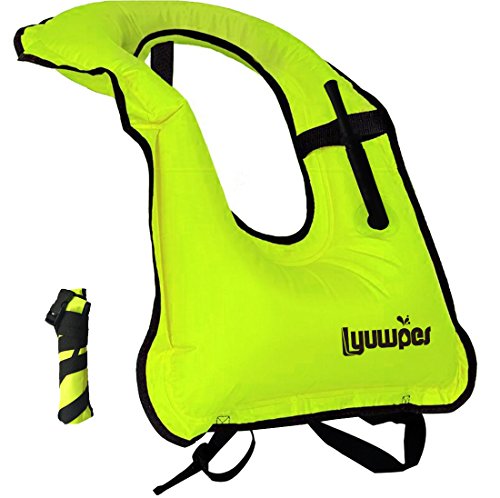
Lyuwpes Snorkeling Vest: small footprint, large buoyancy (from 80 to 220 lbs) while snorkeling; fluorescence colors provide excellent visibility, great for learners & swimmers (Unfriendly to Non-swimmers)
Best Time to Visit the Cook Islands for Honeymoon and Romance
The Cook Islands are well suited to honeymoons and romantic trips throughout the year, with secluded beaches, lagoon cruises, spa treatments, private dining, and accommodation ranging from boutique properties to luxury villas.
Couples prioritizing a lower chance of rain will usually prefer April through November. For a particularly balanced honeymoon, April, May, September, and October combine warm weather with the generally drier conditions associated with the shoulder months.
June through August are also attractive but have cooler evenings and water temperatures. December through March delivers warmer conditions and lush tropical scenery, although couples should be comfortable with greater humidity and a higher chance of rain.
Picture-perfect sunsets over beaches can create an ideal setting for dinners and evening walks, while sunset cruises, lagoon excursions, private picnics, and couples’ spa treatments offer alternatives to spending every day at a resort.
Conclusion and Final Tips for Traveling to the Cook Islands
For most travelers, the best time to visit the Cook Islands is during the generally drier period from April through November. April, May, September, and October are especially strong all-round choices, while June through August suit travelers who prefer cooler weather and do not mind greater visitor demand.
Your ideal month ultimately depends on your priorities. Choose late July or early August for Te Maeva Nui, July through October for the chance to see humpback whales, May through October for favorable kitesurfing trade winds, and the warmer December-to-March period if tropical heat matters more to you than minimizing rain.
Before your journey, familiarize yourself with local customs, check the current event calendar and weather forecast, and bring lightweight clothing, sun protection, and suitable footwear for your planned activities. Travel insurance is also worth considering, particularly for medical expenses, weather disruption, and travel during the South Pacific cyclone season.
If you are planning a trip to the Cook Islands, you may also be interested in reading about the best travel fishing pole to bring along with you. Check out this article here for helpful tips on choosing fishing gear for your adventure.
Frequently Asked Questions
What is the best time to travel to the Cook Islands?
For most travelers, April through November is the best period because these are generally the drier months. April, May, September, and October offer an especially good balance of warm temperatures and drier weather.
What is the weather like during the best time to visit the Cook Islands?
The drier months are warm rather than cold. Typical daytime highs range from about 25°C (77°F) in July and August to around 28°C (82°F) in April. June through August bring the coolest evenings.
When is the rainy season in the Cook Islands?
December through March is generally warmer, more humid, and wetter. Tropical showers can be brief, so a wetter-season trip does not necessarily mean constant rain, but outdoor plans need more flexibility.
Are there festivals during the best time to travel to the Cook Islands?
Yes. Te Maeva Nui is the country’s major cultural celebration and generally takes place from late July into early August around Constitution Day on August 4. Event dates change, so check the official calendar for the year you plan to visit.
What activities are available during the drier months?
Visitors can hike, snorkel, scuba dive, kayak, paddleboard, sail, fish, cycle, and take lagoon cruises. May through October is also a favorable period for kitesurfing, while humpback whales can often be seen from July through October.
What is the best month for snorkeling in the Cook Islands?
There is no single official “best” snorkeling month. Snorkeling is possible throughout the year, and conditions depend on wind, rain, currents, swell, and location. The generally drier April-to-November period is convenient for travelers trying to reduce the risk of rain-related disruptions.
When is whale-watching season in the Cook Islands?
Humpback whales can often be seen around Rarotonga from July through October as they migrate into warmer South Pacific waters.
When is the cheapest time to visit the Cook Islands?
There is no guaranteed cheapest month because airfare and hotel rates change with demand, holidays, flight capacity, events, and booking lead time. Compare April, May, September, and October for shoulder-season possibilities, and compare wetter-season dates if you are flexible about the weather.
Are there travel considerations during the most popular months?
Yes. June through August can attract travelers escaping winter in New Zealand and Australia, while major festivals and holiday periods can increase demand. Booking flights and preferred accommodation early is sensible when your dates are fixed.
Sources
- Cook Islands Tourism — Weather & Seasons — monthly temperatures, water temperatures, drier months, shoulder months, whale season, and kitesurfing season.
- Cook Islands Tourism — Events — current official festival and event calendar.
- Cook Islands Tourism — Snorkelling — recognized snorkeling locations and lagoon information.
- Cook Islands Tourism — Scuba Diving — water temperature, visibility, dive environments, and marine-life information.
- Cook Islands Tourism — Water Safety — official swimming and snorkeling safety guidance.
- MetService — Tropical Cyclone Monitoring — South Pacific tropical cyclone season context.
