Last Updated on August 26, 2026 by Daniel Globe
Fiji is an archipelago of 333 islands in the South Pacific, known for tropical beaches, coral reefs, rainforest landscapes, and strong local traditions. Choosing the best time to visit Fiji depends on what matters most to you: drier weather, lower prices, fewer crowds, diving conditions, festivals, or a particular island. Fiji stays warm throughout the year, but its May-to-October dry season and November-to-April wet season create noticeably different travel experiences.
Quick Answer
The best time to visit Fiji for generally drier, less humid weather is May through October. July and August are especially popular, while May, June, September, and October can offer a good balance of weather and crowd levels. November through April is warmer and wetter and overlaps with tropical-cyclone season.
Key Takeaways
- Best overall weather: May to October, Fiji’s drier and slightly cooler season.
- Busiest periods: School-holiday periods during the dry season can be busy, and December and January bring another holiday-season spike.
- Best for lower prices and fewer crowds: Parts of November through April can offer better value, but expect higher humidity, more rain, and greater weather-disruption risk.
- Cyclone season: Tropical-cyclone season normally runs from November through April, although storms can occur outside those months.
- Location matters: Eastern portions of Fiji’s larger islands are generally wetter than western areas, so weather can differ considerably between Suva and the Nadi/Denarau side of Viti Levu.
For most first-time visitors, May through October is the simplest choice: generally drier weather, lower humidity, and reliable conditions for beaches, hiking, snorkeling, and diving.
Disclosure: As an Amazon Associate I earn from qualifying purchases. Some links on this page are affiliate links, at no extra cost to you.
Dry Season: The Best Overall Time to Travel to Fiji
Fiji’s dry season runs from May through October. Tourism Fiji describes these months as the country’s cooler “winter” season, although temperatures remain warm by most travelers’ standards. Average temperatures during the season are around 23–24°C (73–75°F), with many days falling roughly between 19°C and 28°C (66°F and 82°F).
The combination of lower humidity, reduced rainfall, sunnier conditions, and southeast trade winds makes this the easiest season for beach days, hiking, boat trips, snorkeling, and diving. You can review Fiji’s official seasonal climate guidance on Tourism Fiji’s climate guide.
However, “dry season” and “peak season” are not exactly the same thing. Visitor numbers often rise around school-holiday periods within the May-to-October window. July and August are particularly popular because they combine cooler, relatively dry weather with holiday travel from Australia, New Zealand, and other markets.
If you want dry-season conditions but would prefer to avoid the busiest periods, compare rates and availability for May, June, September, and October. Crowd levels and prices vary by resort and island, so checking several dates is more useful than assuming every dry-season week costs the same.
Pro Tip: Fiji’s weather varies by region. Western areas of the larger islands, including the Nadi side of Viti Levu, are generally drier than eastern areas such as the Suva side. Your choice of island can matter almost as much as your choice of month.
Wet Season: Visiting Fiji from November to April
Fiji’s wet season runs from November through April. These months are warmer and more humid, with more frequent showers and periods of heavy rain. Tourism Fiji notes that wet-season average temperatures are around 25–26°C (77–79°F), while daytime temperatures can reach about 31°C (88°F).
Rain in a tropical climate does not necessarily mean continuous all-day rain. Short, intense afternoon showers can be followed by brighter weather. At the same time, travelers should not assume every wet-season forecast will produce only brief showers. Tropical depressions, prolonged rain, flooding, rough seas, and cyclones can disrupt transportation and outdoor activities.
The main advantages of wet-season travel are usually lower demand outside major holiday periods, greener landscapes, and the possibility of better accommodation or airfare deals. Travelers who do not mind humidity and flexible sightseeing can still have an excellent trip.
December and January are important exceptions to the idea that the entire wet season is quiet. Holiday travel can create a second period of stronger demand even though the weather is warmer and wetter.
Warning: Fiji’s tropical-cyclone season normally runs from November through April. Cyclones and tropical depressions can bring destructive winds, flooding, landslides, hazardous seas, and transport disruption. Cyclones can also occur outside the official season. Check the Fiji Meteorological and Hydrological Services and local warnings close to your departure date.
Fiji Weather by Month
There is no single nationwide rainfall figure that accurately describes every Fijian island. Mountains, trade winds, and location create major local differences, especially on Viti Levu and Vanua Levu. The following table is therefore a travel-planning guide rather than a promise of exact conditions.
| Month | Typical Pattern | Travel Consideration |
|---|---|---|
| January | Warm, humid, wet-season conditions | Holiday demand plus elevated cyclone and heavy-rain risk |
| February | Among the warmer, more humid months | Keep itineraries flexible because of cyclone-season weather |
| March | Warm and humid with frequent rain potential | Potential value period if you accept weather uncertainty |
| April | Late wet season; conditions gradually transition | Cyclone season is still officially in effect |
| May | Start of the drier, cooler season | Excellent balance for outdoor activities |
| June | Generally drier and comfortably warm | Strong choice for beaches, hiking, snorkeling, and diving |
| July | Cooler dry-season weather | Popular month; book high-demand resorts early |
| August | Cooler, generally dry conditions | Excellent weather but popular with visitors |
| September | Dry season with temperatures beginning to rise | Good combination of outdoor weather and seasonal warmth |
| October | End of the traditional dry season | A useful month to compare for weather and value |
| November | Wet season begins; humidity increases | Cyclone season begins; build flexibility into plans |
| December | Warm, humid and wetter | Festive-season demand can raise prices despite wetter weather |
Why Fiji’s Weather Changes by Region
Fiji has a warm maritime climate, but rainfall is not evenly distributed across the country. On large islands such as Viti Levu and Vanua Levu, mountain ranges interact with the prevailing southeast trade winds. Eastern and windward areas are generally wetter and greener, while western and leeward areas tend to be drier.
This helps explain why a forecast for Suva may look quite different from conditions around Nadi, Denarau, or Fiji’s western resort regions on the same day. Smaller islands usually show less dramatic variation across their land area.
During May through October, conditions are generally less humid and rainfall decreases. July and August are normally among the coolest months. During November through April, humidity and rainfall rise, with January and February among the warmer months.
Sea temperatures remain warm enough for swimming, snorkeling, and diving throughout the year, so weather, visibility, currents, marine-life seasons, and your chosen dive region often matter more than water temperature alone.
Best Time to Visit Fiji by Travel Style
| Travel Goal | Good Time to Consider | Why |
|---|---|---|
| Best overall weather | May–October | Generally drier, cooler, and less humid |
| Beach holiday | May–October | More reliable outdoor conditions |
| Snorkeling and diving | Year-round; dry season is especially popular | Warm water year-round; dry season often provides favorable visibility |
| Lower prices | Parts of Nov–Apr outside major holidays | Lower demand can produce better-value flights and accommodation |
| Hiking | May–October | Lower humidity and generally less rain improve trail conditions |
| Cultural festivals | July–October | Major events such as Bula Festival, Hibiscus Festival, and Fiji Day occur in this broad period; dates vary by year |
Special Events and Festivals in Fiji Islands
Fiji’s festivals can add a cultural dimension to a beach holiday, but travelers should confirm dates before booking because event schedules can change from year to year.
Hibiscus Festival
Suva’s Hibiscus Festival is one of Fiji’s best-known community and cultural celebrations. The festival features entertainment, cultural performances, food and market vendors, family activities, a float parade, and the Miss Hibiscus pageant. The 70th Hibiscus Festival in 2026 is scheduled for August 29 through September 5 at Albert Park in Suva.
Bula Festival
Nadi’s Bula Festival is another long-running community celebration typically associated with July. It combines cultural entertainment, community activities, fundraising, and pageant events. Because annual dates and venues can change, check the current year’s program before arranging flights around the festival.
Fiji Day
Fiji Day is celebrated on October 10 and marks Fiji’s independence in 1970. It is an official public holiday and an important national occasion. Travelers visiting around the date may encounter ceremonies, community celebrations, altered business hours, or special events. The current holiday calendar is available from the Fiji Government.
Note: Festival schedules are more changeable than Fiji’s seasons. If attending a particular event is important to your trip, verify the current date and venue before purchasing non-refundable travel.
Activities and Attractions in Fiji Islands
Explore the Underwater World
Snorkeling and diving are among Fiji’s signature activities. The country’s large network of coral reefs supports colorful reef fish, corals, rays, sharks, and other tropical marine life. Water temperatures stay comfortable throughout the year, although visibility, currents, and marine-life encounters vary by location and season.
Kadavu’s Great Astrolabe Reef is one of the world’s major barrier-reef systems and offers numerous diving and snorkeling sites. Some areas have strong currents, so choosing a site appropriate to your swimming or diving ability is important.
Discover Fiji’s Natural Beauty
Fiji also offers excellent land-based activities. On Taveuni, the Tavoro or Bouma waterfalls lie within Bouma National Heritage Park. The first waterfall is relatively easy to reach, while the trails to the higher falls become steeper and can be slippery.
On Viti Levu’s Coral Coast, Sigatoka Sand Dunes National Park offers walking routes across an unusual coastal dune landscape as well as important archaeological and cultural features. For hiking in either location, carry water, use sun protection, and choose suitable footwear.
Immerse Yourself in Fijian Culture
Village visits, meke performances, cooking experiences, and kava ceremonies can provide a much deeper understanding of Fiji than staying only inside a resort. In many traditional villages, guests are expected to follow local protocol rather than treating the community as a casual tourist attraction.
Kava, made from the root of Piper methysticum, is consumed socially and ceremonially in Fiji. During organized village visits, a sevusevu ceremony may include presenting kava to the village chief as part of the traditional welcome process.
Travel Tips for Visiting Fiji Islands
Respect Village Etiquette
Dress modestly during village visits. Tourism Fiji recommends covering shoulders and legs, and a sulu or sarong is commonly worn. Remove hats and sunglasses when appropriate, ask before taking photographs, and follow your host or guide’s instructions. You can review the full etiquette guidance from Tourism Fiji.
Use Travel Insurance
Travel insurance is worth considering for medical expenses, cancellations, missed connections, and severe-weather disruption. If traveling during the November-to-April cyclone season, read the weather-related coverage terms carefully rather than assuming every storm-related cancellation is covered.
Carry More Than One Payment Option
Cards are convenient in major tourism areas, but carrying some Fijian dollars can be useful for markets, small businesses, village visits, tips, and locations where electronic payment is unavailable or temporarily offline.
Pack for Tropical Weather
Bring lightweight, breathable clothing, sun protection, insect repellent, comfortable walking shoes, and a light rain layer. During the cooler dry-season evenings, a thin sweater or jacket can also be useful. If your itinerary includes waterfalls, rainforest trails, boat landings, or frequent rain, footwear that handles wet conditions is particularly helpful.
Stay Hydrated
Warm temperatures and humidity can make dehydration easier, particularly during hiking, boating, and long beach days. Carry water and take extra breaks when exercising in the middle of the day.
Useful Packing Resources
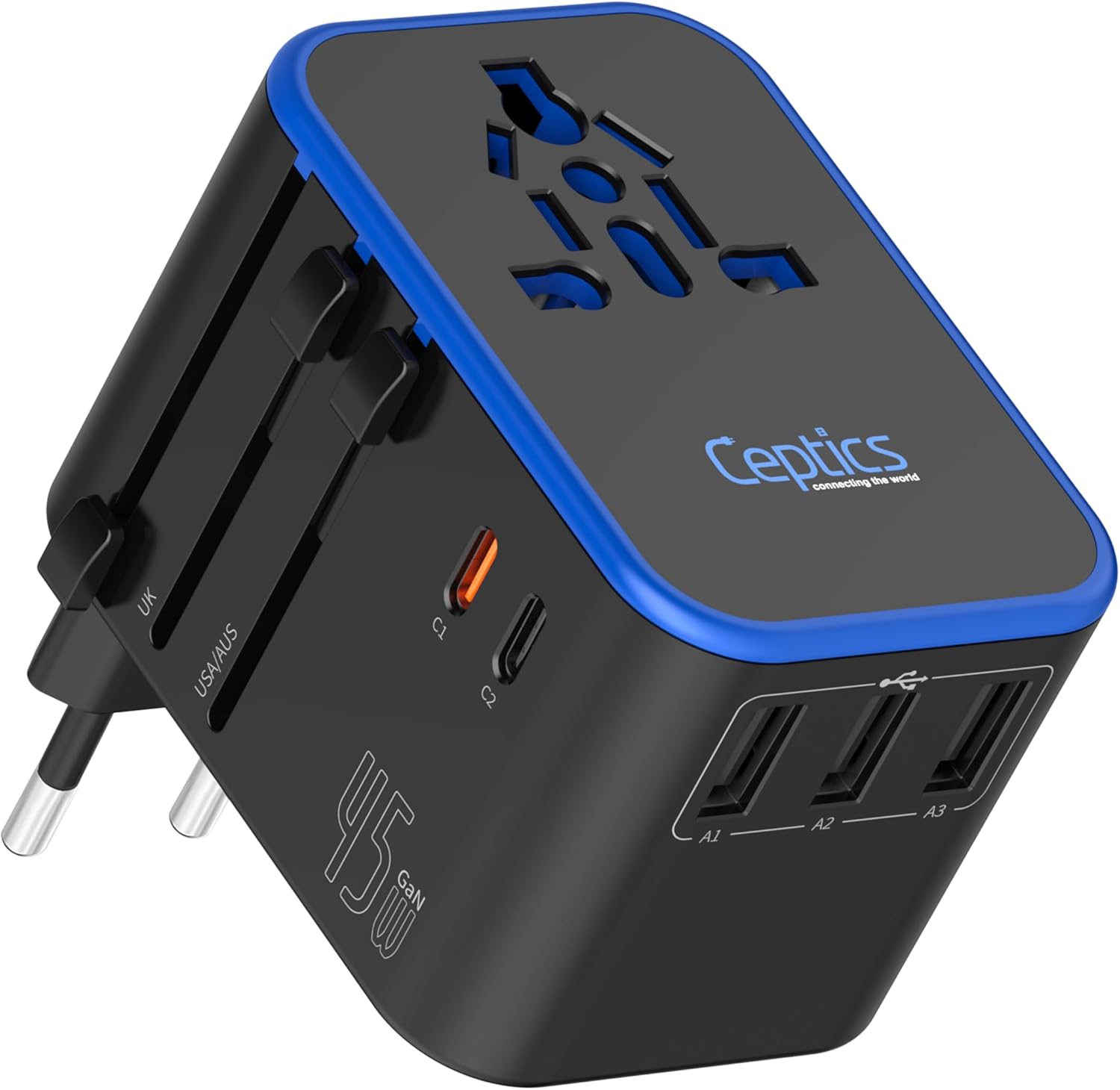
If you expect wet trails or rainy excursions, see these waterproof sneaker recommendations for travel. Travelers who need to work while away can also compare options in this guide to the best lightweight laptops for travel. For charging phones, cameras, and other electronics abroad, review these universal travel adapter options before departure.
Making the Most of Your Trip to Fiji Islands
For most travelers, May through October is the best time to visit Fiji because it combines lower humidity, reduced rainfall, comfortable temperatures, and dependable conditions for outdoor activities. July and August are especially popular, so travelers who value quieter resorts may want to compare May, June, September, and October as well.
The November-to-April wet season should not automatically be dismissed. It can bring lush landscapes, warm seas, fewer visitors during some periods, and attractive travel deals. The trade-off is a greater chance of heavy rain, high humidity, rough seas, flooding, and cyclone-related disruption.
Your island choice also matters. Fiji’s eastern regions are generally wetter than western areas, and conditions can differ significantly within the same week. Check a location-specific forecast shortly before departure rather than relying only on nationwide monthly averages.
Whichever season you choose, combining Fiji’s reefs and beaches with village culture, local food, hiking, and community events creates a much fuller picture of the country than a resort-only itinerary.
Frequently Asked Questions
What is the best time to travel to Fiji Islands?
May through October is generally the best period for travelers who prioritize drier weather, lower humidity, and comfortable outdoor conditions. July and August are popular, while May, June, September, and October may provide a better balance for travelers trying to avoid the busiest weeks.
What is Fiji’s weather like during the dry season?
The May-to-October dry season is generally cooler, less humid, and less rainy than the wet season. Tourism Fiji reports average dry-season temperatures around 23–24°C, with many days roughly between 19°C and 28°C.
When is cyclone season in Fiji?
Fiji’s tropical-cyclone season normally runs from November through April, with the greatest activity usually occurring within the middle of that season. Tropical cyclones can occasionally occur outside those months, so travelers should monitor Fiji Meteorological and Hydrological Services whenever severe weather threatens.
What is the cheapest time to visit Fiji?
Better-value flights and accommodation are often available during lower-demand portions of the November-to-April wet season. December and January can be exceptions because festive-season and school-holiday demand increases. Compare exact dates rather than relying only on seasonal labels.
Are July and August crowded in Fiji?
They can be. July and August fall within Fiji’s popular dry season and overlap with school-holiday travel in several important visitor markets. Popular resorts, family properties, and island transfers may therefore book earlier than in quieter months.
Which part of Fiji generally gets less rain?
Western portions of Fiji’s larger islands are generally drier than eastern areas because mountains and prevailing southeast trade winds influence rainfall. This is why conditions around Nadi and western Viti Levu may differ from Suva and the wetter eastern side.
What festivals can travelers experience in Fiji?
Major events include Nadi’s Bula Festival, Suva’s Hibiscus Festival, and Fiji Day on October 10. Festival dates can vary by year, so travelers planning a trip around a particular event should confirm the current schedule before booking.
What activities are best during Fiji’s dry season?
Snorkeling, diving, hiking, waterfall visits, island-hopping, beach days, and village tours are all popular during the dry season. Lower humidity and reduced rainfall generally make land-based activities easier, while Fiji’s warm ocean allows water activities throughout the year.
Sources
- Tourism Fiji — Climate in Fiji — dry and wet seasons, temperature patterns, rainfall differences, and regional climate.
- Fiji Meteorological and Hydrological Services — Tropical Cyclone Outlook — cyclone season, peak activity, and Fiji-specific tropical-cyclone risk.
- Fiji Government — Public Holidays — official Fiji Day date and current public-holiday information.
- Tourism Fiji — Hibiscus Festival — current Hibiscus Festival dates and event information.
- Tourism Fiji — Fijian Village Visit Etiquette — dress, hats, photography, sevusevu, and village protocol.
- Tourism Fiji — Great Astrolabe Reef — reef location, marine environment, diving, and snorkeling information.