
Last Updated on September 11, 2026 by Daniel Globe
Planning a trip to French Polynesia requires careful timing to match your travel goals, whether you dream of swimming in crystal-clear turquoise lagoons, witnessing migrating humpback whales, or catching world-class surf swells. With over 100 islands scattered across five distinct archipelagos in the South Pacific, understanding the seasonal nuances ensures you experience these tropical paradises at their absolute best.
Quick Answer
The best time to visit French Polynesia is during the dry season from May to October. You will enjoy warm temperatures averaging 20°C to 30°C (68°F–86°F), lower humidity, and calm, crystal-clear water ideal for diving and lagoon swimming. July and August offer peak weather and vibrant cultural festivals like Heiva i Tahiti.
Key Takeaways
- Peak Dry Season (May–October): Delivers sunny skies, low humidity, and optimal underwater visibility reaching over 30 meters.
- Whale Watching Window (August–October): Humpback whales migrate to sheltered lagoons in Moorea and the Austral Islands to nurse their young.
- Surfing Season (April–October): Massive Southern Ocean swells create world-famous waves at Teahupo’o during the WSL Tahiti Pro in August.
- Shoulder Season Savings (April–May & September–November): Offers up to 30% savings on accommodations, thinner crowds, and pleasant weather.
- Wet Season Tradeoffs (November–April): Features warmer temperatures, higher humidity, brief tropical showers, and discounted resort rates.
Disclosure: As an Amazon Associate I earn from qualifying purchases. Some links on this page are affiliate links, at no extra cost to you.
Best Time to Visit French Polynesia
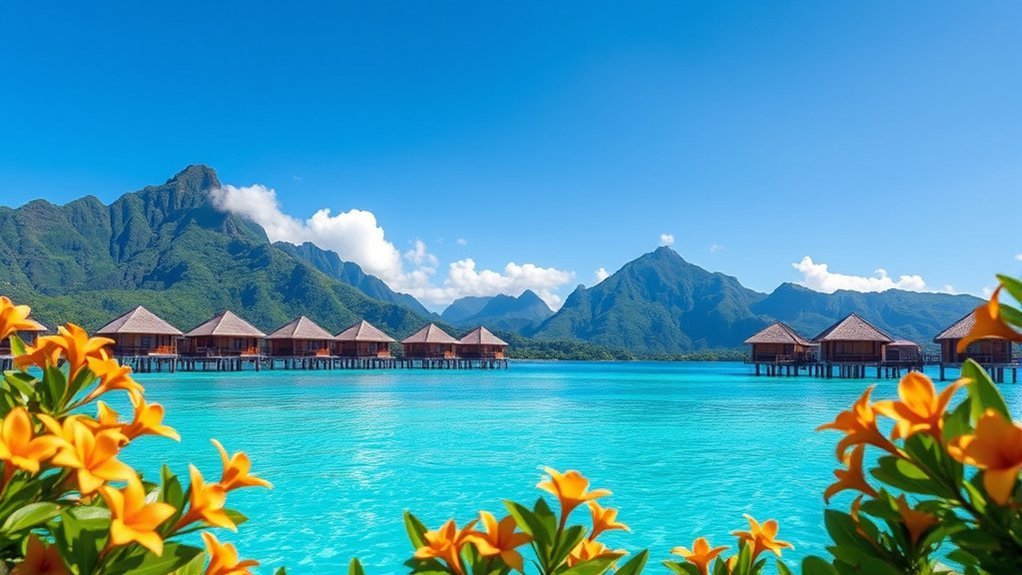
The best time to visit French Polynesia is during the dry season, from May to October, when you’ll enjoy pleasant temperatures, little rain, and ideal conditions for outdoor adventures. You can move freely between islands, swim in clear lagoons, and dive or snorkel with confidence because the weather stays steady and inviting. With temperatures usually ranging from 20°C to 30°C (68°F to 86°F), you won’t need to compromise your plans for comfort or escape. This season also lets you savor cultural experiences that feel vivid and alive, from traditional performances to local festivals that celebrate island identity and freedom. While the wet season brings more humidity and occasional storms, the dry months give you the cleanest path to explore at your own pace. If you want beauty, ease, and room to breathe, this is when French Polynesia opens its best self to you.
Pro Tip: If you plan to visit during July or August, book inter-island flights with Air Tahiti and overwater resort stays 6 to 9 months in advance, as island-hopping flight passes sell out quickly during high season.
Archipelago Climate Variations: Not All Islands Are Equal
French Polynesia spans an ocean area as large as Western Europe, comprising 118 islands across five distinct archipelagos. While general dry and wet season guidelines apply to the popular Society Islands, weather patterns vary slightly depending on where you travel:
- Society Islands (Tahiti, Bora Bora, Moorea, Raiatea): Experience the classic tropical climate with May through October offering the driest and coolest days.
- Tuamotu Atolls (Rangiroa, Fakarava, Tikehau): Low-lying coral atolls receive less rainfall than mountainous islands and offer world-class scuba diving year-round, with peak water clarity from May to October.
- Marquesas Islands (Nuku Hiva, Hiva Oa): Situated closer to the equator, the Marquesas have a distinct microclimate where the driest months typically fall between October and April.
- Austral & Gambier Islands (Rurutu, Mangareva): Subtropical southern islands experience cooler winter temperatures (18°C to 25°C / 64°F to 77°F) and serve as prime humpback whale sanctuaries from August to October.
Month-by-Month Snapshot Guide
Use this seasonal matrix to compare weather, pricing, and key activities across the entire year:
| Month Range | Season Type | Weather & Conditions | Best For |
|---|---|---|---|
| Jan – Mar | Peak Wet Season | Warm (27°C–30°C), high humidity, frequent brief rain showers. | Budget travelers, lush waterfall hikes, quiet resorts. |
| Apr – May | Spring Shoulder | Decreasing rain, pleasant breezes, clear water. | Scuba diving, shoulder-season resort rates, island hopping. |
| Jun – Aug | Peak Dry Season | Cooler trade winds (24°C–28°C), low rainfall, dry air. | Heiva festival, WSL Tahiti Pro surf, luxury stays. |
| Sep – Oct | Fall Shoulder | Calm lagoon seas, minimal wind, dry skies. | Humpback whale watching in Moorea & Rurutu, snorkeling. |
| Nov – Dec | Early Wet Season | Rising temperatures, humidity building, warm water. | Hawaiki Nui Va’a canoe races, discounted packages. |
Why July and August Are the Sweet Spot
July and August sit right in the heart of French Polynesia’s dry season, which is why they feel like the sweet spot for many travelers. You’ll enjoy steady weather, little rain, and warm days around 24°C to 28°C (75°F to 82°F), perfect for swimming, snorkeling, diving, or simply stretching out on the sand. The water stays remarkably clear, often with visibility beyond 30 meters, allowing you to explore reef ecosystems with total confidence.
These months also bring vibrant cultural experiences, especially Heiva i Tahiti in July, where traditional ‘Ori Tahiti dance, polyphonic singing, and ancestral sports come alive across Papeete’s To’atā Amphitheater. After a day outside, you can savor local cuisine like poisson cru (raw fish marinated in fresh lime juice and coconut milk). Just remember that July and August draw the biggest crowds, so plan ahead and book your stay early. While prices reach peak rates, the payoff is a rare mix of ease, ideal weather, and authentic Polynesian energy.
Note: During July and August, steady trade winds known locally as the Mara’amu blow periodically from the south, keeping air temperatures crisp and humidity comfortably low.
French Polynesia Weather by Season
French Polynesia’s climate breaks down into two primary seasons: a dry stretch from May to October and a wetter stretch from November to April. You’ll feel a warm tropical climate all year, with air temperatures hovering between 20°C and 30°C, so every day invites outdoor exploration. During the dry months, skies stay steadier and humidity drops, which makes planning easier and gives you complete freedom to roam. In the wet season, brief tropical showers pass through, followed quickly by bright sunshine.
- Dry season (May–October): Calmer seas, lower humidity, minimal rainfall
- Wet season (November–April): Warmer ocean temperatures, lush green landscapes, higher humidity
- July–August: Busiest travel window with peak cultural events
- Rain showers: Usually short-lived and localized
- Outdoor plans: Monitor wind conditions for lagoon boat excursions
Best Months for Beaches, Diving, and Surfing
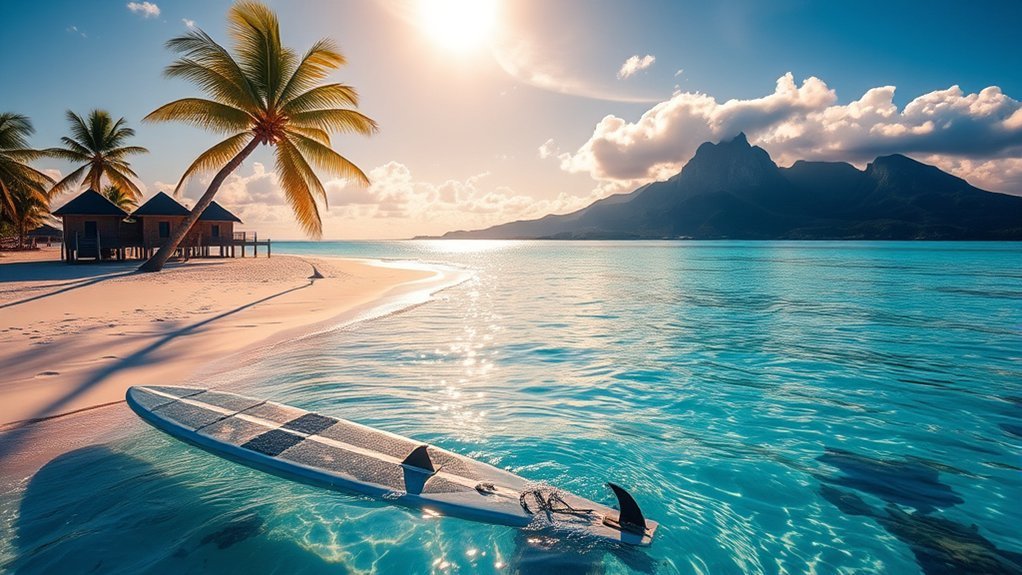
If you’re planning your trip around water sports, May through October is the premier window for beaches in French Polynesia, featuring lower humidity, clearer skies, and warm ocean temperatures staying between 25°C and 29°C year-round. For diving adventures, April through October gives you peak visibility and calm water, allowing you to glide over coral gardens in Rangiroa and Fakarava to encounter manta rays and reef sharks. If surfing lights you up, aim for May through August, when heavy Southern Ocean swells power iconic reef breaks like Teahupo’o in Tahiti Iti, home of the annual WSL Tahiti Pro Teahupo’o competition in August.
| Months | Best For | Key Highlights |
|---|---|---|
| May – Oct | Beaches & Lagoon Swimming | Low humidity, sunny skies, calm water conditions across all archipelagos. |
| Apr – Oct | Scuba Diving & Snorkeling | 30m+ underwater visibility, manta rays, hammerhead sharks in Tuamotu passes. |
| Jun – Aug | Surfing (Teahupo’o) | Consistent heavy Southern Ocean swells; WSL Tahiti Pro championship in August. |
| Aug – Oct | Humpback Whale Watching | Mothers and calves swimming in sheltered lagoons off Moorea and Rurutu. |
When to Visit Tahiti, Bora Bora, and Moorea
For Tahiti, Bora Bora, and Moorea, the dry season from May to October offers the standard choice, with steadier skies and average temperatures around 24°C to 28°C (75°F to 82°F). If you visit from November to April, you’ll face more humidity and occasional tropical downpours, but warm weather keeps lagoon tours and island excursions operating smoothly. July and August bring the biggest crowds, while August to October rewards visitors with unforgettable humpback whale encounters in Moorea.
Dry Season Perks
From May to October, Tahiti, Bora Bora, and Moorea shine in French Polynesia’s dry season, when you can expect steadier weather, lower humidity, and warm temperatures. You can move freely between beach activities, local culinary tours, cultural experiences, water sports, and island-hopping without rain delays.
- Snorkel clear turquoise lagoons with high visibility
- Dive vibrant coral gardens filled with marine life
- Attend authentic Polynesian cultural festivals
- Relax on sunlit white and pink sand beaches
- Capture vivid, cloudless mountain photography
Wet Season Tradeoffs
November to April marks French Polynesia’s wet season, bringing higher humidity and afternoon rain showers, but the tradeoffs can work in your favor. Warm daily temperatures between 24°C and 30°C keep water activities comfortable, while rain showers keep the mountain peaks lush, green, and cascading with waterfalls. With fewer tourists, you’ll find lower resort pricing and higher room availability, leaving space for spontaneous travel plans.
Island-by-Island Timing
Each island in French Polynesia offers a slightly different appeal depending on your travel dates:
- Tahiti: Best from May to October for comfortable hiking in the Papenoo Valley and cultural festivities in Papeete.
- Bora Bora: Peaks from June to August, offering calm lagoon conditions and clear overwater bungalow views.
- Moorea: Ideal from August to October for world-class humpback whale watching and mountain ridge hiking.
- Wet Season Travel: Offers lower hotel rates and quieter beaches across all three islands.
How Crowds and Prices Change by Month
From May through October, you’ll see peak tourist numbers and high-season accommodation rates, especially during July and August when North American and European summer vacations overlap. The shoulder months of April, May, September, and October offer lower rates with steady weather. From November to April, resort rates drop significantly, though you will trade savings for higher humidity.
Peak Season Crowds
Crowds build steadily from May through October, pushing resort occupancy rates past 90% in Bora Bora and Moorea. Planning ahead helps you secure preferred accommodations and flight schedules.
- July and August see maximum resort booking levels
- Heiva i Tahiti boosts demand for flights and hotels
- Average daily resort costs increase by 25% to 40%
- Inter-island Air Tahiti flights fill months in advance
Shoulder Season Value
French Polynesia’s shoulder season spans April to May and September to November, delivering an ideal balance of pleasant weather, thinner crowds, and lower pricing.
| Month | Crowd Level | Value Rating | Primary Advantage |
|---|---|---|---|
| April | Low | High | Transition to dry weather, lower airfares, easy resort availability. |
| October | Low to Moderate | High | Peak humpback whale sightings, calm seas, post-summer crowd drop-off. |
| November | Moderate | Good | Warm ocean waters, discounted resort packages, Hawaiki Nui Va’a race. |
Wet Season Savings
The wet season runs from November to April. While rain and humidity rise, you’ll encounter fewer tourists and substantial hotel discounts up to 30% or more off high-season pricing.
- Overwater bungalows in Bora Bora become more accessible
- Hiking trails in Moorea remain peaceful and uncrowded
- January and February bring the largest resort discounts
- Off-season pricing offers excellent overall travel value
Best Time for Island Hopping in French Polynesia
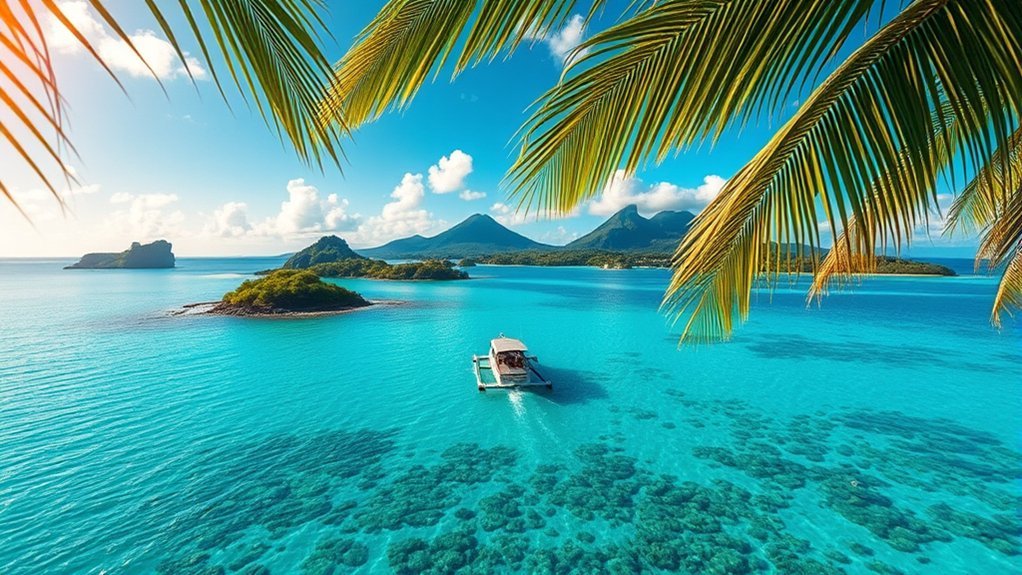
For island hopping across French Polynesia, May through October is your best bet, when dry season weather brings stable flying conditions, clear boat transfers, and smooth seas. You can navigate between islands for lagoon excursions, reef dives, and coastal hikes without weather disruptions. If you travel from August to October, you can combine island hopping with seasonal wildlife watching, especially migrating humpback whales resting in sheltered waters off Moorea and Rurutu.
What to Pack for French Polynesia by Season
When packing for the dry season, prioritize lightweight, breathable fabrics (linen and cotton), a wide-brimmed sun hat, UV-protective sunglasses, and rash guards. For the wet season, add a lightweight waterproof rain jacket and quick-drying clothes to handle sudden tropical showers.
Warning: Standard sunscreens containing oxybenzone or octinoxate harm marine life and damage coral reefs. French Polynesia strictly encourages the use of certified reef-safe, non-nano mineral sunscreens to protect its lagoons.
Dry Season Essentials
- Breathable shirts, shorts, and linen dresses
- Comfortable sandals and water shoes for coral reefs
- Reef-safe biodegradable mineral sunscreen
- Polarized sunglasses and UV-protective rash guard
- Waterproof dry bag for boat excursions and camera gear
Wet Season Gear
- Lightweight, packable rain jacket or poncho
- Quick-drying moisture-wicking clothing
- Insect repellent with DEET or Picaridin for humid evenings
- Waterproof phone pouch and dry bags
- Sturdy water shoes with traction for slippery hiking paths
Travel Tips for Wet and Dry Months
Timing your trip around seasonal weather patterns helps maximize your itinerary:
- Pack light, breathable clothing year-round
- Always keep rain protection handy during wet-season months
- Schedule outdoor hikes and lagoon tours for clear morning hours
- Take advantage of lower resort rates between November and April
- Book humpback whale excursions in advance between August and October
How to Choose the Best Month for Your Trip?
Selecting the best month depends on your personal travel priorities. If you want clear skies, calm lagoon seas, and prime conditions for outdoor adventures, plan for May through October. July and August feature the most consistent weather and vibrant cultural festivals like Heiva, though accommodation prices peak. For lower prices and thinner crowds, April, May, September, and October offer an optimal shoulder-season sweet spot.
Frequently Asked Questions
What to Know Before Visiting French Polynesia?
Ensure your passport is valid for at least 3 to 6 months beyond your scheduled departure date. Pack lightweight clothing, insect repellent, and certified reef-safe sunscreen. Respect local Tahitian customs, carry local Pacific Francs (CFP) for small vendors, and visit between May and October for the driest weather.
What Do US Citizens Need to Enter French Polynesia?
U.S. citizens do not need a tourist visa for stays under 90 days within a 180-day period. You must present a valid standard U.S. passport (valid for at least 3 months beyond departure, though 6 months is recommended) and proof of onward or return travel.
Are US Dollars Accepted in French Polynesia?
While major resorts and tourist shops may accept U.S. Dollars, exchange rates offered by local merchants are unfavorable. The official currency is the CFP Franc (XPF), pegged to the Euro. It is best to pay with credit cards or withdraw local CFP currency from ATMs upon arrival.
Which Is Nicer, Tahiti or Bora Bora?
Bora Bora is renowned for luxury overwater bungalows, romantic privacy, and dramatic lagoon views around Mount Otemanu. Tahiti offers rich Polynesian culture, bustling markets in Papeete, interior volcanic valley hikes, and world-class surfing at Teahupo’o.
Conclusion
No matter when you travel, French Polynesia delivers unforgettable tropical beauty—but July and August offer the quintessential balance of sunny weather, lower humidity, and calm lagoon waters. These months are ideal for island hopping, lagoon cruises, and attending traditional festivals. Because average temperatures stay pleasant year-round, you can pick the season that best fits your travel schedule, pack smart with reef-safe essentials, and enjoy every moment across these magical South Pacific islands.
Sources
- Tahiti Tourisme — Official destination authority for climate guidelines, archipelago geography, and cultural event schedules.
- U.S. Department of State: French Polynesia Travel Advisory — Official passport validity, 90-day visa exemption rules, and entry requirements.
- French Bee Entry Requirements — Schengen transit policies, passport standards, and border entry guidelines.
- World Surf League (WSL) — Official event details for the annual WSL Tahiti Pro championship at Teahupo’o.
